
 By
By Arthritis affects millions of people worldwide and is one of the leading causes of pain, stiffness, and reduced mobility. One of the most noticeable and uncomfortable symptoms is Arthritis Swelling, which often develops when joints become inflamed. Swelling can make everyday tasks such as walking, writing, climbing stairs, or opening jars increasingly difficult.
Although many people associate arthritis only with ageing, it can affect individuals of all ages. Different forms of arthritis cause varying degrees of inflammation, but they all have the potential to damage joints over time if left untreated. Understanding why swelling occurs, recognising early warning signs, and learning effective management strategies can help improve quality of life and protect long-term joint health.
What is Arthritis?
Arthritis is not a single disease but a group of more than 100 conditions affecting the joints and surrounding tissues. These disorders cause pain, stiffness, reduced movement, and inflammation.
Common types include:
- Osteoarthritis
- Rheumatoid arthritis
- Psoriatic arthritis
- Gout
- Ankylosing spondylitis
- Juvenile arthritis
While each condition develops differently, joint inflammation remains a major feature in many forms of arthritis.
What Is Arthritis Swelling?
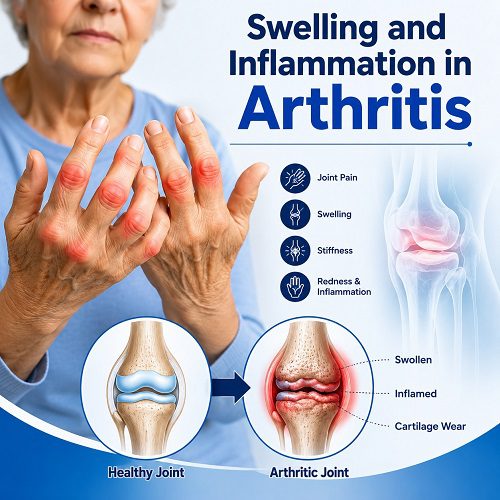
Arthritis Swelling refers to enlargement of a joint caused by inflammation or excess fluid accumulation. Swollen joints often appear larger than normal and may feel warm, tender, or painful.
Swelling develops because the body’s immune system or damaged tissues release inflammatory chemicals. These substances increase blood flow and allow fluid to collect around the affected joint.
Swelling may occur in:
- Fingers
- Hands
- Wrists
- Knees
- Ankles
- Feet
- Shoulders
- Elbows
- Hips
Some people experience mild swelling that comes and goes, while others develop persistent inflammation that gradually damages cartilage and bone.
Why Does Arthritis Cause Inflammation?
Inflammation is the body’s natural defence mechanism. When tissues become injured or threatened, immune cells release chemicals to begin healing.
In arthritis, this process often becomes excessive.
Different Arthritis causes include:
Osteoarthritis
Cartilage gradually wears away.
The damaged joint triggers inflammation, causing pain and swelling.
Rheumatoid Arthritis
The immune system mistakenly attacks healthy joint lining (synovium).
This produces severe inflammation and long-term joint damage.
Gout
Uric acid crystals collect inside joints.
The immune response creates sudden swelling and intense pain.
Psoriatic Arthritis
Immune system dysfunction causes inflammation affecting both skin and joints.
Common Symptoms of Arthritis Swelling
People may experience:
- Swollen joints
- Joint warmth
- Redness
- Morning stiffness
- Pain during movement
- Tenderness
- Reduced flexibility
- Difficulty gripping objects
- Fatigue
- Limited range of motion
Arthritis Symptoms may worsen during flare-ups and improve with treatment.
Which Joints Are Most Commonly Affected?
Arthritis swelling frequently develops in:
Hands
Finger joints become enlarged and stiff.
Simple activities like buttoning clothes may become difficult.
Knees
The knee often fills with excess fluid.
Walking and climbing stairs become painful.
Feet
Swollen toes and ankles can interfere with standing and balance.
Hips
Inflammation may limit walking and sitting comfortably.
Shoulders
Pain and swelling reduce arm movement.
Causes of Joint Swelling in Arthritis
Several factors contribute to swollen joints.
Synovial Inflammation
The synovial membrane becomes inflamed and thickened.
Increased Joint Fluid
Inflammation causes excess fluid production.
Cartilage Damage
As cartilage wears away, bones rub together, increasing irritation.
Immune Activity
Autoimmune arthritis continuously activates inflammation.
Bone Changes
Bone spurs and structural damage increase discomfort.
Risk Factors
Certain factors increase arthritis risk:
- Older age
- Family history
- Previous joint injury
- Obesity
- Smoking
- Autoimmune disorders
- Repetitive joint stress
- Lack of physical activity
How Doctors Diagnose Arthritis Swelling
Healthcare providers may recommend:
Physical Examination
The doctor checks:
- Joint tenderness
- Swelling
- Warmth
- Movement
Blood Tests
May detect:
- Rheumatoid factor
- Anti-CCP antibodies
- ESR
- CRP
These help identify inflammatory arthritis.
Imaging
Doctors may order:
- X-rays
- Ultrasound
- MRI
- CT scans
These reveal cartilage damage and inflammation.
Joint Fluid Analysis
Fluid may be removed to check for:
- Infection
- Gout crystals
- Inflammatory cells
Treatment Options
Arthritis Treatment depends on the type of arthritis.
Anti-inflammatory Medicines
Doctors may recommend NSAIDs to reduce inflammation and pain.
Disease-Modifying Drugs
Used mainly for rheumatoid arthritis.
These slow immune-related joint damage.
Biologic Therapies
Target specific immune pathways responsible for inflammation.
Corticosteroid Injections
Can reduce severe inflammation during flare-ups.
Physical Therapy
Physical Therapy for Arthritis Patients, Exercises strengthen muscles around affected joints.
Natural Ways to Help Reduce Arthritis Swelling
Many people combine medical care with healthy lifestyle habits.
Maintain a Healthy Weight
Excess body weight increases stress on joints.
Even modest weight loss can reduce knee pain.
Exercise Regularly
Low-impact activities include:
- Walking
- Swimming
- Cycling
- Water aerobics
- Stretching
- Yoga
Exercise improves circulation and flexibility.
Eat an Anti-inflammatory Diet
Choose foods rich in:
- Colourful vegetables
- Fruits
- Whole grains
- Olive oil
- Fatty fish
- Nuts
- Seeds
Limit:
- Processed foods
- Sugary drinks
- Excess salt
- Trans fats
Apply Cold Therapy
Ice packs may reduce:
- Swelling
- Pain
- Redness
Apply for 15–20 minutes.
Heat Therapy
Warm compresses help relax stiff muscles and improve circulation.
Stay Hydrated
Water supports healthy cartilage and overall joint function.
Improve Sleep
Poor sleep increases inflammatory responses.
Aim for 7–9 hours nightly.
Manage Stress
Chronic stress may worsen inflammation.
Helpful techniques include:
- Meditation
- Deep breathing
- Gentle stretching
- Mindfulness
Can Herbal Supplements Help?
Some people choose herbal supplements as part of their wellness routine. Certain herbs have traditionally been used to support joint comfort and overall mobility. However, evidence varies, and supplements should not replace prescribed medical treatment.
Always consult a qualified healthcare professional before starting any herbal product, especially if you take prescription Medications for Arthritis or have underlying health conditions.
Best Supplements for Arthritis Support
Living with arthritis can make everyday activities more challenging due to pain, stiffness, and reduced mobility. Choosing the Best Supplements for Arthritis Support may help complement a healthy lifestyle and your healthcare provider’s treatment plan. While supplements cannot cure arthritis, some contain ingredients that may support joint health, reduce discomfort, and promote flexibility.
Common ingredients found in joint support supplements include Glucosamine and Chondroitin for Arthritis, Turmeric for Arthritis, Boswellia serrata, ginger, collagen, omega-3 fatty acids, and MSM (methylsulfonylmethane). These ingredients are widely used to help maintain healthy cartilage and support the body’s natural response to inflammation. Herbal formulations may also provide additional support for overall joint function.
If you are considering a Joint Support Herbal Supplement for Arthritis, choose products made with high-quality ingredients and follow the recommended dosage. Always speak with your healthcare professional before starting any new supplement, especially if you take prescription medications or have other medical conditions.
Supplements work best when combined with regular exercise, a balanced diet, weight management, and good sleep habits. Understanding Arthritis Symptoms, Causes, Types, Diagnosis, and Treatment can also help you make informed decisions about managing your condition. With the right combination of medical care, healthy lifestyle choices, and supportive supplements, many people can improve joint comfort and maintain an active, independent lifestyle.
Foods That May Help Reduce Inflammation
Consider adding:
- Salmon
- Sardines
- Spinach
- Kale
- Blueberries
- Strawberries
- Turmeric
- Ginger
- Walnuts
- Flaxseed
- Chia seeds
- Green tea
These foods contain nutrients associated with healthy inflammatory responses.
Foods That May Trigger Flare-Ups
Some people notice worsening symptoms after consuming:
- Sugary snacks
- Fried foods
- Processed meats
- Excess alcohol
- Refined carbohydrates
- Highly processed foods
Keeping a food diary may help identify personal triggers.
When Should You See a Doctor?
Seek medical advice if you experience:
- Sudden severe joint swelling
- Fever with Arthritis vs Joint Pain
- Inability to move a joint
- Persistent swelling lasting several weeks
- Rapidly worsening pain
- Swelling after injury
- Unexplained redness and warmth
Early diagnosis can help prevent permanent joint damage.
Preventing Arthritis Swelling
Although not every case can be prevented, healthy habits reduce the risk of flare-ups.
Helpful strategies include:
- Maintain a healthy body weight.
- Exercise consistently.
- Eat a balanced anti-inflammatory diet.
- Avoid smoking.
- Limit alcohol intake.
- Protect joints from injury.
- Follow prescribed treatment plans.
- Attend regular medical check-ups.
Living Well with Arthritis
Living with arthritis requires ongoing self-care and regular communication with healthcare providers. Understanding your condition allows you to recognise flare-ups early and take appropriate action.
Combining medical treatment, physical activity, healthy nutrition, stress management, and adequate rest can significantly improve comfort and maintain independence. Many people continue enjoying active, fulfilling lives despite arthritis when symptoms are managed effectively.
Conclusion
Arthritis Swelling is one of the most common and troublesome features of arthritis. Whether caused by osteoarthritis, rheumatoid arthritis, gout, or another condition, persistent joint inflammation can affect mobility, independence, and overall quality of life. Recognising early arthritis symptoms, seeking prompt medical evaluation, and following an appropriate treatment plan are essential for protecting joint health.
Lifestyle measures such as maintaining a healthy weight, staying physically active, eating an anti-inflammatory diet, and getting adequate rest may complement medical care and help reduce discomfort. If swelling persists or worsens, consult a healthcare professional for a personalised diagnosis and treatment plan.