
 By
By Physical Therapy for Arthritis is one of the most effective non-surgical approaches for managing arthritis symptoms and improving daily function. Millions of people worldwide experience joint pain, stiffness, swelling, and reduced mobility due to arthritis. Whether you are living with osteoarthritis, rheumatoid arthritis, or another form of inflammatory joint disease, physical therapy can provide lasting benefits when incorporated into a comprehensive treatment plan.
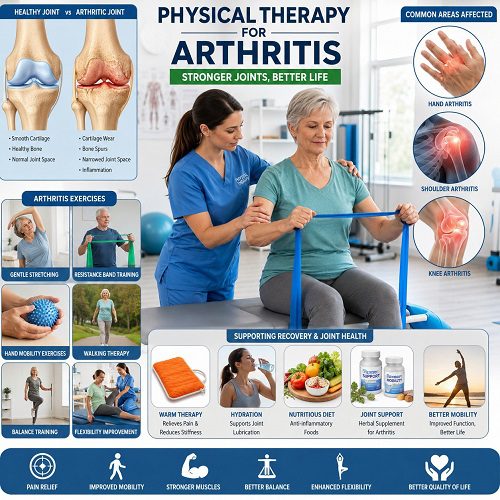
The primary goals of Physical Therapy for Arthritis include reducing pain, improving flexibility, increasing muscle strength, enhancing balance, and restoring independence in daily activities. Through carefully designed arthritis exercises and rehabilitation programs, patients can improve mobility while protecting their joints from further damage.
In addition to exercise therapy, many individuals combine their treatment plans with healthy lifestyle practices and Joint Support Herbal Supplement for Arthritis products as complementary approaches to overall joint wellness. While supplements may support general joint health, physical therapy remains one of the most evidence-based interventions for improving function and mobility.
Understanding Arthritis and Joint Dysfunction
Arthritis is not a single disease but a group of conditions that affect the joints. Common Symptoms of Arthritis include:
- Arthritis vs Joint Pain
- Morning stiffness
- Swelling and inflammation
- Limited range of motion
- Muscle weakness
- Fatigue
- Reduced mobility
- Difficulty performing everyday activities
The two most common types include:
Osteoarthritis
Osteoarthritis occurs when the protective cartilage cushioning the joints gradually wears down over time. It commonly affects:
- Knees
- Hips
- Hands
- Spine
- Shoulders
Rheumatoid Arthritis
Rheumatoid arthritis is an autoimmune disease that Causes Arthritis inflammation within the joints. Symptoms may include:
- Joint swelling
- Warmth and tenderness
- Fatigue
Symmetrical joint in Osteoarthritis
- olvement
- Progressive mobility limitations
Both conditions can significantly impact quality of life, making rehabilitation and mobility improvement essential components of treatment.
What Is Physical Therapy for Arthritis?
Physical Therapy for Arthritis involves individualized Arthritis Treatment Options developed to:
- Improve flexibility
- Restore joint mobility
- Reduce pain
- Strengthen muscles
- Improve posture
- Enhance balance
- Increase endurance
- Prevent disability
Physical therapists evaluate several factors before designing a rehabilitation program, including:
- Pain severity
- Joint involvement
- Muscle strength
- Walking ability
- Functional limitations
- Medical history
- Daily activity requirements
Treatment plans are customized according to age, health status, and arthritis severity.
Benefits of Physical Therapy for Arthritis
Regular rehabilitation offers numerous physical and functional benefits.
Pain Reduction
Gentle movement improves blood circulation around affected joints while decreasing stiffness and discomfort.
Improved Mobility
One of the most important goals of therapy is mobility improvement. Regular stretching and strengthening exercises help maintain joint movement.
Benefits include:
- Easier walking
- Improved flexibility
- Better posture
- Increased range of motion
- Reduced stiffness
Muscle Strengthening
Strong muscles provide better support for affected joints.
Physical therapy strengthens:
- Leg muscles
- Core muscles
- Shoulder muscles
- Hand muscles
- Hip stabilizers
Improved Balance
Many arthritis patients experience instability due to pain and weakness. Balance exercises help reduce fall risks and improve confidence during movement.
Arthritis Exercises Recommended by Physical Therapists
Exercise remains one of the most valuable treatment strategies for arthritis.
Range-of-Motion Exercises
These exercises help maintain flexibility and prevent stiffness.
Examples include:
- Shoulder circles
- Wrist rotations
- Knee extensions
- Neck stretches
- Finger movements
- Ankle rotations
Performing these exercises daily helps preserve normal joint movement.
Stretching Exercises
Stretching improves flexibility and muscle function.
Helpful stretches include:
- Hamstring stretches
- Calf stretches
- Shoulder stretches
- Back stretches
- Hand stretches
Stretch slowly and avoid forcing painful movements.
Strength Training
Muscle strengthening protects vulnerable joints.
Examples include:
- Resistance band exercises
- Chair squats
- Wall push-ups
- Leg raises
- Heel raises
- Light dumbbell exercises
Strong muscles absorb stress that would otherwise impact arthritic joints.
Low-Impact Aerobic Exercise
Physical therapists frequently recommend:
- Walking
- Swimming
- Cycling
- Water aerobics
- Elliptical training
- Stationary biking
These activities improve cardiovascular health while minimizing joint stress.
Rehabilitation Techniques for Arthritis Patients
Rehabilitation programs may include several therapeutic approaches.
Manual Therapy
Physical therapists use specialized techniques such as:
- Joint mobilization
- Soft tissue massage
- Gentle stretching
- Muscle relaxation techniques
These treatments may temporarily reduce discomfort and improve movement.
Heat Therapy
Warm therapy helps:
- Relax muscles
- Reduce stiffness
- Improve circulation
- Increase flexibility
Methods include:
- Warm towels
- Heating pads
- Warm showers
- Therapeutic heat packs
Cold Therapy
Cold applications may reduce:
- Joint swelling
- Inflammation
- Exercise-related soreness
Ice therapy should generally be limited to short intervals unless otherwise directed by a healthcare professional.
Mobility Improvement Strategies
Mobility improvement is among the primary objectives of Physical Therapy for Arthritis.
Strategies include:
Walking Programs
Walking helps improve:
- Endurance
- Joint lubrication
- Circulation
- Muscle strength
Begin slowly and gradually increase walking time.
Balance Training
Helpful exercises include:
- Single-leg standing
- Chair-assisted balancing
- Heel-to-toe walking
- Stability exercises
Functional Training
Therapists teach safer movement techniques for:
- Climbing stairs
- Standing from chairs
- Lifting objects
- Household activities
- Workplace movements
These modifications help preserve independence.
Physical Therapy for Knee Arthritis
Knee arthritis commonly causes:
- Pain while walking
- Swelling
- Reduced flexibility
- Muscle weakness
Recommended exercises include:
- Straight leg raises
- Chair exercises
- Knee bends
- Heel slides
- Stationary cycling
- Resistance training
Patients should avoid excessive high-impact activities during painful flare-ups unless medically advised.
Physical Therapy for Hand Arthritis
Hand arthritis may interfere with:
- Writing
- Cooking
- Gripping objects
- Typing
- Daily activities
Helpful arthritis exercises include:
- Finger bends
- Thumb stretches
- Grip strengthening exercises
- Wrist mobility exercises
- Hand-opening movements
Therapists may recommend adaptive devices for additional support.
Physical Therapy for Hip Arthritis
Hip rehabilitation focuses on:
- Strength
- Stability
- Walking ability
- Balance improvement
Exercises often include:
- Hip bridges
- Side leg raises
- Gentle stretching
- Walking exercises
- Resistance training
Maintaining healthy body weight can further reduce stress on hip joints.
Exercise Safety Tips
Safe rehabilitation requires consistency and proper technique.
Remember to:
- Warm up before exercising.
- Stay hydrated.
- Exercise regularly.
- Use supportive footwear.
- Avoid overexertion.
- Progress gradually.
- Listen to your body’s signals.
Patients should stop exercising and consult healthcare professionals if severe pain develops.
Lifestyle Changes That Support Physical Therapy
Physical therapy produces better results when combined with healthy lifestyle habits.
Maintain a Healthy Weight
Weight management reduces stress on:
- Knees
- Hips
- Ankles
- Spine
Stay Active
Remaining physically active helps prevent:
- Muscle weakness
- Joint stiffness
- Reduced flexibility
- Mobility limitations
Sleep and Recovery
Quality sleep supports:
- Tissue repair
- Pain management
- Muscle recovery
- Overall wellness
Joint Support Herbal Supplement for Arthritis
Many arthritis patients explore complementary approaches alongside rehabilitation programs.
Some Joint Support Herbal Supplement for Arthritis products may contain ingredients traditionally used for supporting joint health, including:
- Turmeric for Arthritis
- Ginger
- Boswellia
- Omega-3 fatty acids
- Collagen
- Glucosamine
- Chondroitin for Arthritis
These supplements should not replace prescribed treatments or physical therapy. Patients are encouraged to consult healthcare professionals before beginning any supplement regimen, especially if they take Medications for Arthritis or have underlying health conditions.
Physical therapy remains essential for improving mobility and preserving joint function regardless of supplement use.
When Should You See a Physical Therapist?
Consider seeking professional evaluation if you experience:
- Persistent joint pain
- Morning stiffness
- Walking difficulties
- Reduced flexibility
- Balance problems
- Frequent flare-ups
- Difficulty performing daily tasks
Early intervention often produces better long-term outcomes.
Frequently Asked Questions
Can physical therapy reverse arthritis?
Physical therapy cannot cure or reverse arthritis, but it can significantly improve pain management, flexibility, and mobility while slowing functional decline.
How often should arthritis patients exercise?
Most individuals benefit from regular, moderate exercise. Arthritis Treatment Options should be personalized according to individual health needs and professional recommendations.
Is walking good for arthritis?
Yes. Walking is generally considered one of the safest low-impact exercises for improving joint mobility and overall health.
Can older adults benefit from rehabilitation?
Absolutely. Physical therapy programs are commonly adapted for older adults to safely improve strength, balance, and independence.
Conclusion
Physical Therapy for Arthritis offers substantial benefits for patients seeking pain management, rehabilitation, and mobility improvement. Through carefully planned arthritis exercises, strengthening programs, stretching techniques, and functional rehabilitation, individuals can maintain healthier joints and enjoy a more active lifestyle.
Successful arthritis management often combines regular physical activity, healthy lifestyle choices, professional medical guidance, and individualized rehabilitation programs. While Joint Support Herbal Supplement for Arthritis products may complement overall wellness strategies, physical therapy remains one of the most valuable tools for preserving movement, reducing discomfort, and improving quality of life.
With consistency and proper guidance, arthritis patients can achieve meaningful improvements in flexibility, strength, and daily function while continuing to enjoy the activities that matter most.