
 By
By Arthritis is one of the most common health conditions affecting millions of people worldwide. It is not a single disease but rather a group of conditions that cause pain, stiffness, swelling, and reduced mobility in the joints. Many people associate arthritis with aging, but the reality is much more complex. Understanding the Causes of Arthritis can help individuals recognize potential risks, make healthier lifestyle choices, and seek appropriate medical care when needed.
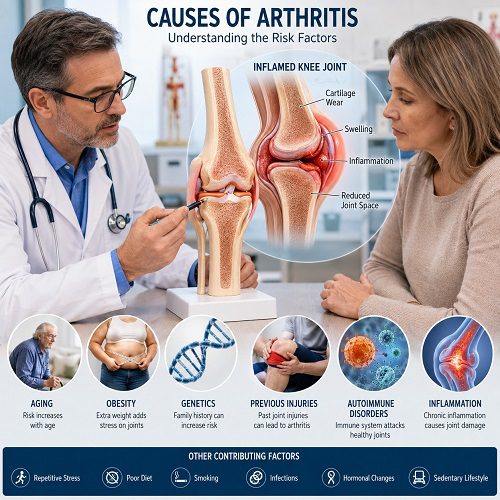
There are more than 100 different types of arthritis, with osteoarthritis and rheumatoid arthritis being the most common. While each type has unique characteristics, many share common contributing factors. These include genetics, age, lifestyle habits, injuries, infections, and autoimmune reactions.
The Causes of Arthritis, discuss major arthritis risk factors, identify common arthritis triggers, and explain the leading joint inflammation causes that contribute to the development and progression of this condition.
What is Arthritis?
Arthritis refers to inflammation or degeneration of one or more joints. Joints are the areas where two bones meet, allowing movement and flexibility. When arthritis develops, the affected joints may become painful, swollen, stiff, and difficult to move.
The two most common forms include:
Osteoarthritis (OA)
Osteoarthritis occurs when the protective cartilage that cushions the ends of bones gradually wears away. It is often associated with aging and repeated joint stress.
Rheumatoid Arthritis (RA)
Rheumatoid arthritis is an autoimmune disease in which the immune system mistakenly attacks healthy joint tissues, leading to inflammation and joint damage.
Other forms include:
- Psoriatic arthritis
- Gout
- Ankylosing spondylitis
- Juvenile arthritis
- Infectious arthritis
Each type has different causes, but several risk factors overlap.
Understanding the Causes of Arthritis
The Causes of Arthritis vary depending on the type of arthritis involved. Some forms result from mechanical wear and tear, while others develop because of immune system dysfunction or infections.
The main causes include:
- Age-related joint degeneration
- Genetic predisposition
- Autoimmune disorders
- Joint injuries
- Obesity
- Infections
- Metabolic disorders
- Lifestyle factors
- Chronic inflammation
Let’s examine these in detail.
1. Aging and Natural Joint Wear
One of the most recognized arthritis risk factors is aging.
As people grow older:
- Cartilage gradually loses elasticity
- Joint tissues become less resilient
- Years of movement increase wear and tear
- The body’s ability to repair joint damage declines
These age-related changes make osteoarthritis more common among older adults. However, aging alone does not guarantee that someone will develop arthritis.
Maintaining a healthy lifestyle can help support joint health even later in life.
2. Genetics and Family History
Research suggests that genetics can play a significant role in the development of certain forms of arthritis.
Individuals with close family members who have arthritis may be more likely to develop:
- Rheumatoid arthritis
- Osteoarthritis
- Psoriatic arthritis
- Ankylosing spondylitis
Specific genetic markers may influence:
- Immune system activity
- Cartilage structure
- Inflammatory responses
Although genetics cannot be changed, understanding family history can help people monitor symptoms and adopt preventive habits earlier.
3. Autoimmune Disorders
Autoimmune diseases are among the most important joint inflammation causes.
Normally, the immune system protects the body from harmful bacteria and viruses. In autoimmune arthritis, the immune system mistakenly attacks healthy tissues.
Examples include:
Rheumatoid Arthritis
The immune system attacks the lining of joints, causing:
- Pain
- Swelling
- Warmth
- Progressive joint damage
Psoriatic Arthritis
This condition is linked to psoriasis and involves immune-mediated inflammation affecting Arthritis vs Joint Pain and skin.
Ankylosing Spondylitis
This autoimmune condition primarily affects the spine and sacroiliac joints.
Persistent inflammation from autoimmune diseases can gradually damage cartilage, tendons, and bones.
4. Obesity and Excess Body Weight
Excess body weight is one of the most preventable arthritis risk factors.
Extra weight places additional stress on weight-bearing joints such as:
- Knees
- Hips
- Ankles
- Lower back
Studies have shown that every additional pound of body weight can significantly increase pressure on the knees during walking.
Obesity also contributes to inflammation because fat tissue produces inflammatory substances that may worsen joint damage.
Maintaining a healthy weight can help reduce stress on joints and support overall mobility.
5. Previous Joint Injuries
Joint injuries are common arthritis triggers, especially among athletes and physically active individuals.
Examples include:
- Torn ligaments
- Meniscus injuries
- Fractures
- Dislocations
Even when injuries heal successfully, they may alter joint structure and increase the likelihood of future arthritis.
This condition is often called post-traumatic arthritis.
People who have experienced major joint injuries should pay close attention to long-term joint health and rehabilitation.
6. Repetitive Joint Stress
Certain occupations and activities place repeated stress on specific joints.
Examples include:
- Construction work
- Farming
- Heavy lifting
- Professional sports
- Repetitive hand movements
Continuous mechanical stress can gradually wear down cartilage and increase inflammation.
Workers who frequently perform repetitive motions may face a greater risk of developing osteoarthritis over time.
Using proper techniques and ergonomic equipment may help reduce strain.
7. Infections
Some infections can contribute to arthritis development.
Bacteria, viruses, and other microorganisms may enter joints directly or trigger immune responses that affect the joints.
Examples include:
- Lyme disease
- Viral infections
- Septic arthritis
Infectious arthritis often develops suddenly and requires prompt medical treatment.
Although less common than osteoarthritis or rheumatoid arthritis, infections remain important joint inflammation causes.
8. Metabolic Disorders
Certain metabolic conditions increase the risk of arthritis.
Gout
Gout occurs when uric acid levels become elevated.
Excess uric acid forms crystals inside joints, causing:
- Severe pain
- Swelling
- Redness
- Inflammation
The Big Toe Arthritis is frequently affected, although other joints can also be involved.
Other Metabolic Conditions
Disorders involving calcium, iron, or other minerals may contribute to joint problems and inflammation.
Managing underlying metabolic conditions may help reduce arthritis-related complications.
9. Smoking
Smoking is a significant but often overlooked risk factor.
Research suggests smoking may:
- Increase inflammation
- Damage connective tissues
- Impair circulation
- Raise the risk of rheumatoid arthritis
People who smoke may also experience more severe symptoms and reduced response to treatment.
Quitting smoking can provide benefits not only for joint health but also for overall well-being.
10. Gender and Hormonal Factors
Certain types of arthritis occur more frequently in women than men.
For example:
- Rheumatoid arthritis is more common in women.
- Osteoarthritis often affects women after menopause.
Hormonal changes may influence immune responses and inflammation levels.
Men, however, are more likely to develop some forms of arthritis such as gout and ankylosing spondylitis.
Gender differences highlight the complex nature of arthritis development.
11. Poor Diet and Chronic Inflammation
Diet alone does not directly cause arthritis, but it may contribute to inflammation.
Foods associated with increased inflammation include:
- Highly processed foods
- Sugary beverages
- Excessive refined carbohydrates
- Trans fats
On the other hand, anti-inflammatory foods may support joint health:
- Fruits
- Vegetables
- Fish rich in omega-3 fatty acids
- Nuts and seeds
- Whole grains
Poor dietary habits can increase inflammation throughout the body, potentially worsening arthritis symptoms.
12. Physical Inactivity
A sedentary lifestyle may contribute to joint problems.
Lack of movement can lead to:
- Weak muscles
- Reduced flexibility
- Weight gain
- Increased joint stiffness
Regular exercise helps maintain:
- Muscle strength
- Joint stability
- Healthy body weight
- Better circulation
Low-impact activities such as walking, swimming, and cycling can support joint function.
Common Arthritis Triggers
While risk factors increase the likelihood of developing arthritis, certain arthritis triggers may worsen symptoms in people who already have the condition.
Common triggers include:
Weather Changes
Some individuals report increased pain and stiffness during cold or damp weather.
Stress
Emotional stress may increase inflammatory activity and worsen symptoms.
Overuse of Joints
Excessive physical activity can aggravate affected joints.
Infections
Illnesses may trigger autoimmune flare-ups.
Poor Sleep
Inadequate sleep can increase pain sensitivity and inflammation.
Recognizing personal triggers can help individuals manage symptoms more effectively.
How Joint Inflammation Causes Damage
Inflammation is the body’s natural defense mechanism, but chronic inflammation can be harmful.
Persistent inflammation may:
- Damage cartilage
- Erode bone
- Affect tendons and ligaments
- Reduce joint mobility
- Increase pain and stiffness
Over time, untreated inflammation can lead to permanent joint changes and disability.
Early Arthritis diagnosis and management are important for protecting long-term joint health.
Can Arthritis Be Prevented?
Not all Causes of Arthritis can be prevented, especially those related to genetics or autoimmune disorders. However, many risk factors can be managed.
Helpful strategies include:
- Maintaining a healthy weight
- Exercising regularly
- Protecting joints from injury
- Avoiding smoking
- Eating a balanced diet
- Managing chronic health conditions
- Seeking treatment for joint symptoms early
These steps may help reduce the risk of arthritis and support healthier joints.
When to See a Doctor
Consult a healthcare professional if you experience:
- Persistent joint pain
- Swelling
- Morning stiffness
- Reduced range of motion
- Joint redness or warmth
- Symptoms lasting several weeks
Early diagnosis can help identify the underlying cause and guide appropriate treatment.
Best Supplements for Arthritis Support
Living with arthritis can be challenging, especially when joint pain, stiffness, and inflammation affect daily activities. Many people explore the Best Supplements for Arthritis Support as part of a comprehensive approach to maintaining joint health and mobility.
Certain supplements contain ingredients that may help support healthy joints and promote overall comfort. Common options include glucosamine, chondroitin, omega-3 fatty acids, turmeric, boswellia, and collagen. These ingredients are often used to support cartilage health, flexibility, and a balanced inflammatory response.
Many individuals also turn to Natural Remedies for Arthritis alongside a healthy lifestyle. Regular exercise, maintaining a healthy weight, eating an anti-inflammatory diet, and staying physically active can all contribute to better joint function and long-term mobility.
A Joint Support Herbal Supplement for Arthritis may provide additional support by combining traditional herbal ingredients known for their joint-supporting properties. Herbal blends often include turmeric, ginger, boswellia, and other plant-based compounds that have been used for centuries to promote joint wellness.
While supplements may be beneficial for some individuals, they should not replace professional medical advice or prescribed treatments. Choosing high-quality products and consulting a healthcare professional before starting any supplement regimen can help ensure safe and effective arthritis support.
Conclusion
Understanding the Causes of Arthritis is an important step toward protecting joint health and reducing long-term complications. Arthritis develops through a combination of factors including aging, genetics, autoimmune diseases, obesity, injuries, infections, and chronic inflammation. These arthritis risk factors and joint inflammation causes vary among individuals and different types of arthritis.
While some factors cannot be controlled, many can be managed through healthy lifestyle choices, weight management, regular exercise, and avoiding harmful habits such as smoking. Recognizing common arthritis triggers and seeking medical advice when symptoms appear can help individuals maintain mobility and improve their quality of life.