 By
By Atrial fibrillation (AFib) is a common type of heart rhythm disorder that causes the upper chambers of the heart to beat irregularly. Some people experience noticeable palpitations, while others develop symptoms such as shortness of breath, dizziness, weakness, and persistent tiredness.
If you regularly feel light-headed, struggle to complete everyday activities, or feel exhausted despite getting enough sleep, you may wonder whether a heart rhythm problem could be responsible. Atrial fibrillation dizziness and fatigue are important symptoms to recognise because they may indicate that your heart rhythm is affecting your body’s ability to meet its needs.
AFib can contribute to dizziness and fatigue, although these symptoms also occur with many other conditions. Understanding their possible causes, recognising warning signs, and obtaining an appropriate medical assessment can help you take the right steps towards protecting your heart health.
Why Atrial Fibrillation may cause dizziness and tiredness, how to recognise associated symptoms, what doctors may recommend, and when to seek urgent medical attention.
What Is Atrial Fibrillation?
Atrial fibrillation is an abnormal heart rhythm in which the upper chambers of the heart, called the atria, receive disorganised electrical signals. Instead of contracting in a coordinated manner, they quiver or beat irregularly.
Under normal circumstances, electrical signals travel through the heart in an organised pattern. This allows the chambers to fill with blood and pump it efficiently throughout the body.
During AFib, the electrical activity becomes disorganised. The heartbeat may become irregular and, in some cases, unusually fast. This can reduce the efficiency of the heart’s pumping action and contribute to uncomfortable symptoms.
Some people experience AFib episodes that begin and stop on their own. Others have persistent episodes that require medical treatment to control the heart rhythm or heart rate.
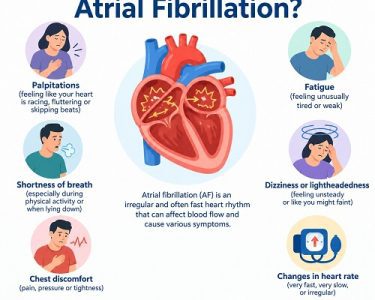
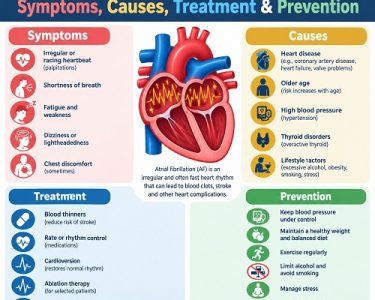
AFib symptoms vary from person to person. Common symptoms include:
- An irregular or racing heartbeat.
- Dizziness or light-headedness.
- Fatigue and reduced energy.
- Weakness during everyday activities.
- Shortness of breath.
- Reduced ability to exercise.
- Chest discomfort in some cases.
Some people have no noticeable symptoms and discover the condition during a routine medical examination.
Can Atrial Fibrillation Cause Dizziness and Fatigue?
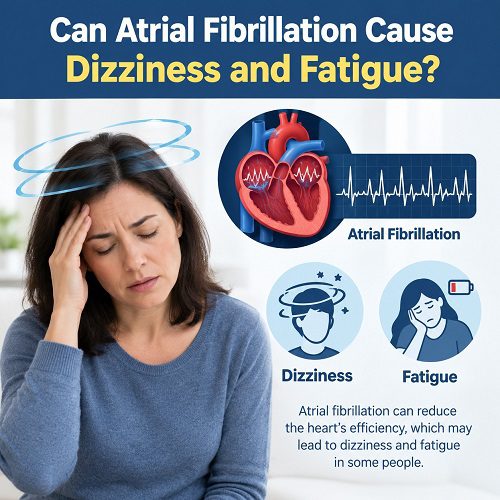
Yes. Atrial fibrillation can cause both dizziness and fatigue. These symptoms may occur separately or together, depending on the heart rate, the duration of the episode, and a person’s overall health.
When the heart beats irregularly, its pumping efficiency can change. If the heartbeat is excessively fast, the heart may have less time to fill with blood between contractions. If the heart rate becomes too slow because of an underlying conduction problem or medication effect, blood flow may also be insufficient.
These changes can affect the delivery of oxygen-rich blood to the brain, muscles, and other tissues. As a result, a person may feel light-headed, weak, breathless, or unusually tired.
The relationship between atrial fibrillation dizziness and fatigue is not always straightforward. Anaemia, thyroid disorders, dehydration, sleep problems, medication side effects, and other medical conditions can produce similar symptoms. AFib may also occur alongside these conditions.
For this reason, new or worsening dizziness and fatigue should not automatically be attributed to AFib without an appropriate assessment.
Why Does AFib Cause Dizziness?
Dizziness can develop when the brain temporarily receives less blood flow than it needs. AFib may contribute to this problem in several ways.
1. Changes in blood flow
A healthy heart pumps blood through the body in a coordinated rhythm. AFib disrupts that rhythm and may reduce the amount of blood pumped with each heartbeat.
If blood flow to the brain temporarily decreases, you may experience light-headedness, unsteadiness, or a sensation that you might faint.
The severity of these symptoms varies. Some people experience mild dizziness, while others have more pronounced symptoms, particularly during rapid heart rates.
2. A rapid heart rate
During some AFib episodes, the ventricles—the lower chambers of the heart—beat too quickly. This is known as a rapid ventricular response.
A fast heart rate can reduce the time available for the heart to fill between beats. This may lower the amount of blood pumped with each contraction and contribute to dizziness, breathlessness, or weakness.
A rapid heartbeat accompanied by severe dizziness, chest pain, or fainting requires urgent medical attention.
3. Blood pressure changes
AFib can sometimes contribute to low blood pressure, particularly when the heart rate is very fast or the heart’s pumping function is impaired.
Low blood pressure may cause light-headedness, blurred vision, weakness, or a feeling that you may pass out.
Dehydration, bleeding, and certain medicines can also lower blood pressure. Your doctor may check your blood pressure and heart rate while investigating your symptoms.
4. Medication effects
Some medicines prescribed to manage AFib can cause dizziness, particularly if they lower the heart rate or blood pressure too much.
The effect depends on the medicine, dose, other medications you take, and your underlying health.
Never stop or change prescribed heart medication on your own. Contact your healthcare professional if dizziness begins after starting a medicine or changing its dose.
Why Does AFib Cause Fatigue and Weakness?
Fatigue is another common symptom that may accompany atrial fibrillation. You might feel exhausted after walking a short distance, need more rest than usual, or struggle to concentrate during daily tasks.
1. Reduced pumping efficiency
When the heart beats irregularly, it may not pump blood as effectively as it should. Your muscles need a steady supply of oxygen-rich blood to function properly.
If the circulation cannot meet your body’s demands during physical activity, you may tire more quickly than usual.
This can make activities such as climbing stairs, walking, shopping, or completing household tasks feel unusually difficult.
2. A persistently rapid heartbeat
When AFib causes a rapid heart rate for an extended period, the heart works harder than normal.
Some people experience a continuous feeling of exhaustion during prolonged episodes. In certain cases, a sustained rapid heart rate can weaken the heart muscle and contribute to a condition called tachycardia-induced cardiomyopathy.
This is one reason doctors assess persistent symptoms rather than assuming that tiredness is simply part of getting older.
3. Poor sleep
Atrial Fibrillation symptoms may interrupt sleep. Palpitations, anxiety about the heartbeat, or waking up short of breath can make it difficult to obtain restorative rest.
Sleep disorders, particularly obstructive sleep apnoea, are also associated with AFib. Sleep apnoea can cause repeated interruptions in breathing during the night, leading to daytime tiredness and potentially affecting heart rhythm control.
If you regularly wake up feeling unrefreshed, snore loudly, or experience daytime sleepiness, discuss these symptoms with your doctor.
4. Reduced physical activity
People with AFib may avoid exercise because they fear triggering symptoms or feel uncomfortable during activity.
Over time, reduced physical activity can lower fitness levels and make ordinary tasks more tiring. This can contribute to AFib tiredness and a general feeling of physical weakness.
Your healthcare professional can help you identify a safe level of activity based on your symptoms, heart function, and treatment plan.
5. Other medical conditions
Fatigue does not always come directly from an irregular heartbeat. Conditions that may cause or worsen tiredness include:
- Anaemia or iron deficiency.
- An overactive or underactive thyroid.
- Heart failure.
- Diabetes.
- Sleep apnoea.
- Depression or persistent stress.
- Dehydration or infection.
- Side effects from certain medications.
Identifying these contributing factors can help your healthcare team choose the most appropriate treatment.
What Does AFib Weakness Feel Like?
AFib weakness can affect your whole body or become more noticeable during physical activity. You may feel as though you have less strength than usual, even after a good night’s sleep.
Some people describe weakness as a heavy feeling in their arms and legs. Others find it difficult to stand for long periods, walk uphill, or perform routine tasks without taking a break.
Common experiences include:
- Feeling physically drained throughout the day.
- Becoming tired after mild activity.
- Feeling unsteady when standing or walking.
- Experiencing weakness alongside a racing heartbeat.
- Finding it difficult to concentrate because of exhaustion.
- Needing more rest between everyday activities.
General weakness may occur with AFib, but sudden weakness on one side of the body is different. It may indicate a stroke, particularly when accompanied by facial drooping, difficulty speaking, vision changes, or sudden loss of balance.
Seek emergency medical assistance immediately if these symptoms develop, even if they disappear after a few minutes.
Can Dizziness and Fatigue Occur During an AFib Episode?
Yes. Some people notice dizziness and fatigue during an AFib episode, particularly when their heart rate becomes unusually fast. Others experience tiredness that continues between episodes.
The timing of your symptoms can provide useful information for your doctor.
For example, you might notice that:
- Dizziness begins suddenly when your heart starts racing.
- Fatigue becomes worse after walking or climbing stairs.
- Weakness improves after the heart rhythm returns to normal.
- Tiredness continues even when you are resting.
- Symptoms occur alongside breathlessness or palpitations.
AFib episodes can come and go, so a normal heartbeat during a medical appointment does not always rule out an intermittent rhythm problem. Keeping a record of your symptoms can help your healthcare professional decide whether additional heart rhythm monitoring is needed.
However, do not assume that every episode of dizziness is caused by AFib. Other heart conditions, inner-ear disorders, low blood pressure, and neurological problems may produce similar symptoms.
When Are Dizziness and Fatigue Dangerous?
Mild, occasional tiredness can have many explanations. However, dizziness accompanied by an irregular heartbeat may indicate a problem that requires prompt assessment.
Seek emergency medical help
Call your local emergency number if you experience an irregular or racing heartbeat with chest pain, severe shortness of breath, fainting, or severe dizziness. Sudden facial drooping, one-sided weakness, difficulty speaking, confusion, or sudden vision loss can indicate a stroke and also require emergency care.
Do not drive yourself to hospital.
Arrange a medical assessment
Contact your healthcare professional if dizziness keeps returning, fatigue interferes with daily life, palpitations become more frequent, or your current AFib treatment no longer controls your symptoms.
AFib can increase the risk of blood clots and stroke. Therefore, new neurological symptoms should never be dismissed as ordinary tiredness or weakness.
How Do Doctors Diagnose AFib-Related Dizziness and Fatigue?
Your doctor will consider your symptoms, medical history, medications, and heart rhythm before determining the likely cause of dizziness and fatigue.
Several tests may be recommended.
1. Electrocardiogram (ECG)
An ECG records the electrical activity of your heart. It can identify an irregular rhythm consistent with AFib when the condition is present during the test.
2. Heart rhythm monitoring
If AFib episodes come and go, your doctor may recommend a portable monitor, such as a Holter monitor or another wearable heart rhythm recorder.
Longer monitoring may help identify a relationship between your symptoms and changes in heart rhythm.
3. Blood pressure and pulse measurements
Your doctor may check your pulse and blood pressure, including changes when you stand up if appropriate.
These measurements can help identify a fast heart rate, low blood pressure, or other possible contributors to dizziness.
4. Blood tests
Blood tests may help identify anaemia, thyroid disorders, electrolyte abnormalities, and other conditions that can contribute to fatigue or trigger heart rhythm problems.
5. Echocardiogram
An echocardiogram uses ultrasound to examine the structure and pumping function of the heart. It may help identify underlying heart disease or reduced heart function.
Your doctor will select the appropriate tests based on your symptoms and examination findings.
How Can AFib-Related Dizziness and Fatigue Be Treated?
Treatment depends on the underlying cause, the severity of your symptoms, your heart function, and your risk of stroke.
The main goal is to control the heart rate or rhythm where appropriate, reduce complications, and improve your ability to carry out daily activities.
Heart rate control
Medicines such as beta blockers or certain calcium channel blockers may help slow an excessively fast heart rate.
When the heart rate is better controlled, some people experience less dizziness, breathlessness, and fatigue. However, these medicines can sometimes lower the heart rate or blood pressure too much, so your doctor may need to review your treatment if symptoms persist.
Heart rhythm control
Some people benefit from treatment designed to restore or maintain a more normal heart rhythm.
Depending on individual circumstances, options may include antiarrhythmic medicines, electrical cardioversion, or catheter ablation.
Catheter ablation involves targeting areas of heart tissue responsible for abnormal electrical signals. It may reduce AFib episodes and improve symptoms in suitable patients.
Stroke prevention
AFib can allow blood to pool in the atria, increasing the risk of clot formation. Depending on your individual stroke risk, your doctor may prescribe an anticoagulant to reduce the chance of a stroke.
These medicines are important for stroke prevention, but they do not directly treat dizziness or fatigue. Do not stop prescribed anticoagulants without medical advice.
Treating other causes
If anaemia, thyroid disease, sleep apnoea, dehydration, or another condition contributes to your symptoms, treating that condition may help improve your energy levels.
Your doctor may also review your medications to identify potential side effects or interactions.
Not every person with AFib needs the same treatment. Your healthcare team can help determine which options are appropriate for you.
Lifestyle Changes That May Help Manage AFib Symptoms
Lifestyle changes can support heart health and may help some people manage Atrial Fibrillation symptoms. They should complement, rather than replace, prescribed treatment.
1. Stay adequately hydrated
Dehydration can contribute to dizziness and weakness. Drink fluids regularly unless your healthcare professional has advised you to restrict fluid intake because of a heart or kidney condition.
2. Maintain a regular sleep routine
Aim for a consistent sleep schedule and discuss persistent insomnia, loud snoring, or daytime sleepiness with your doctor.
Adequate sleep supports general health, and assessment for sleep apnoea may be helpful when indicated.
3. Choose a balanced diet
Eat a varied diet containing vegetables, fruit, whole grains, appropriate protein sources, and healthy fats.
If you take warfarin, ask your healthcare professional about keeping your vitamin K intake consistent. Do not make major dietary changes without discussing how they may affect your treatment.
4. Exercise within your limits
Regular physical activity may improve fitness and general wellbeing. However, avoid strenuous activity during an episode of dizziness, chest discomfort, or significant breathlessness.
Ask your doctor what level of exercise is safe for you, especially if your AFib symptoms are not yet controlled.
5. Identify personal triggers
Some people notice that alcohol, dehydration, inadequate sleep, or excessive caffeine worsens their symptoms.
Keep a diary of potential triggers and discuss patterns with your healthcare professional. Individual responses differ, so avoid assuming that every trigger affects everyone in the same way.
6. Review supplements and medicines
Some Natural Remedies for Atrial Fibrillation, supplements, and non-prescription medicines can interact with heart rhythm medicines or anticoagulants.
Speak to your doctor or pharmacist before starting a new supplement, particularly if you take medicines to manage AFib or prevent blood clots.
No Natural Treatment for Atrial Fibrillation or dietary supplement should be considered a substitute for appropriate AFib treatment or stroke prevention.
When Should You Talk to Your Doctor About AFib Tiredness?
Occasional tiredness can result from poor sleep, stress, or a busy schedule. However, persistent AFib tiredness deserves attention, especially when it is new or getting worse.
Contact your healthcare professional if you:
- Feel exhausted despite getting sufficient sleep.
- Experience repeated dizziness or light-headedness.
- Notice a decline in your ability to walk or exercise.
- Have frequent palpitations or an irregular pulse.
- Feel weak or breathless during routine activities.
- Develop symptoms after a medication change.
Before your appointment, write down when symptoms occur, how long they last, what you were doing at the time, and whether you noticed palpitations or breathlessness.
If you use a smartwatch or other heart rhythm monitor, you can share relevant readings with your clinician. These devices can provide useful information, but they do not replace a medical ECG or professional assessment.
Frequently Asked Questions
1. Can atrial fibrillation make you feel dizzy every day?
Yes. AFib may contribute to frequent dizziness if episodes occur regularly or the heart rate remains poorly controlled. However, daily dizziness can have other causes, so a medical assessment is important.
2. Why am I so tired when I have AFib?
AFib may reduce the efficiency of the heart’s pumping action, particularly when the heart rate is fast. Sleep disturbances, heart failure, anaemia, thyroid disorders, and medication effects can also contribute to fatigue.
3. Can AFib cause weakness in the legs?
AFib can contribute to general weakness or reduced exercise tolerance. However, sudden weakness affecting one leg or one side of the body may indicate a stroke and requires immediate emergency care.
4. Does AFib fatigue improve after treatment?
Many people experience improved energy when their heart rate or rhythm is better controlled. The degree of improvement depends on the underlying cause, other medical conditions, and whether additional factors are contributing to fatigue.
5. Can AFib cause dizziness without palpitations?
Yes. Some people with AFib do not notice palpitations and may experience dizziness, fatigue, or breathlessness instead. An ECG or heart rhythm monitor may be needed to identify the cause.
6. Should I exercise if AFib makes me tired?
Physical activity may be beneficial when your condition is appropriately managed. However, do not exercise through significant dizziness, chest pain, or unusual breathlessness. Ask your healthcare professional to recommend a suitable activity level.
7. Can dehydration worsen AFib dizziness and fatigue?
Dehydration can cause dizziness and weakness and may contribute to symptoms in some people with AFib. Maintain appropriate fluid intake unless you have been advised to restrict fluids.
8. When should I seek emergency help?
Seek emergency assistance for an irregular or racing heartbeat accompanied by chest pain, severe shortness of breath, fainting, or severe dizziness. Sudden weakness on one side, facial drooping, or difficulty speaking also requires immediate emergency assessment.
Conclusion
Atrial fibrillation can cause dizziness, fatigue, and general weakness because an irregular or excessively fast heartbeat may affect how efficiently the heart pumps blood. These symptoms can interfere with exercise, work, sleep, and everyday activities.
However, atrial fibrillation dizziness and fatigue are not specific to AFib. Other health conditions and medication side effects can produce similar symptoms, so an appropriate medical assessment is essential.
Treatment may involve heart rate control, rhythm management, stroke prevention, and lifestyle changes. Identifying and treating other causes of fatigue may also improve your quality of life.
If you have persistent tiredness, repeated dizziness, or worsening AFib symptoms, speak with your healthcare professional. Seek emergency help if dizziness occurs with serious heart symptoms or sudden signs of a stroke.
Medical disclaimer
This article is for educational purposes only and is not a substitute for professional medical advice, diagnosis, or treatment. Always consult a qualified healthcare professional about your symptoms and treatment options.