 By
By Atrial Fibrillation is a common heart rhythm disorder that affects how the heart beats. It occurs when abnormal electrical signals cause the heart’s upper chambers to beat irregularly, often resulting in a rapid or uneven heartbeat. Some people experience noticeable symptoms, while others may have the condition without realising it.
Although atrial fibrillation can occur at different ages, the risk generally increases as people get older. High blood pressure, heart disease, diabetes, obesity and certain lifestyle factors may also increase the likelihood of developing this condition.
Recognising the symptoms early is important because untreated atrial fibrillation can increase the risk of blood clots, stroke and heart failure. Fortunately, several Atrial Fibrillation treatment options can help control the heart rate, restore a normal rhythm in suitable patients and reduce the risk of serious complications.
What is atrial fibrillation, the most common AFib symptoms, causes of atrial fibrillation, available treatment options, diagnosis methods and practical steps for living with atrial fibrillation.
What Is Atrial Fibrillation?
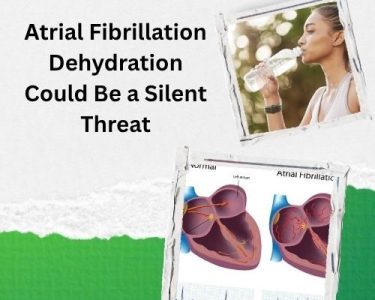
Atrial fibrillation, also called AFib or AF, is an abnormal heart rhythm known as an arrhythmia. It develops when the electrical signals that coordinate the heartbeat become disorganised.
A healthy heart has four chambers: two upper chambers called the atria and two lower chambers called the ventricles. Electrical signals normally coordinate the contraction of these chambers, allowing blood to move efficiently through the heart and around the body.
During atrial fibrillation, the atria receive chaotic electrical signals and do not contract in their usual coordinated way. Instead, they quiver or fibrillate. The ventricles may consequently beat irregularly and sometimes too quickly.
This irregular rhythm can affect how efficiently the heart pumps blood. Blood may also remain in certain areas of the atria, increasing the possibility of clot formation. If a clot travels to the brain and blocks blood flow, it can cause an ischaemic stroke.
Atrial fibrillation can occur occasionally or persist for long periods. Some people experience episodes that stop on their own, while others require medication or a medical procedure to control the rhythm.
Importantly, atrial fibrillation is not always accompanied by obvious symptoms. A person may feel perfectly well even when an irregular rhythm is present.
Types of Atrial Fibrillation
Healthcare professionals classify atrial fibrillation according to how it occurs and whether it stops.
1. Paroxysmal atrial fibrillation
Paroxysmal atrial fibrillation describes episodes that begin and stop spontaneously or terminate with treatment, usually within seven days. Episodes may last seconds, minutes, hours or several days.
Symptoms can appear suddenly and disappear before a person has an opportunity to seek medical attention. Even if episodes stop on their own, medical assessment remains important because stroke risk still needs to be evaluated.
2. Persistent atrial fibrillation
Persistent atrial fibrillation continues for more than seven days and generally requires an intervention to restore a normal rhythm if rhythm restoration is the treatment goal.
Doctors may recommend medication, electrical cardioversion or catheter ablation, depending on the patient’s symptoms, medical history and overall health.
3. Long-standing persistent atrial fibrillation
This type refers to atrial fibrillation that has continued continuously for more than 12 months when a rhythm-control strategy is still being pursued.
Treatment decisions may involve balancing symptom improvement, the likelihood of restoring a normal rhythm and the potential benefits and risks of different procedures.
4. Permanent atrial fibrillation
Permanent atrial fibrillation is a term used when the patient and healthcare professional decide not to pursue further attempts to restore a normal heart rhythm.
It does not mean the condition should be ignored. Treatment may still include controlling the heart rate, preventing blood clots and managing other cardiovascular risk factors.
These classifications help clinicians plan treatment, but they do not independently determine how serious an individual’s condition is.
AFib Symptoms: Signs You Should Not Ignore
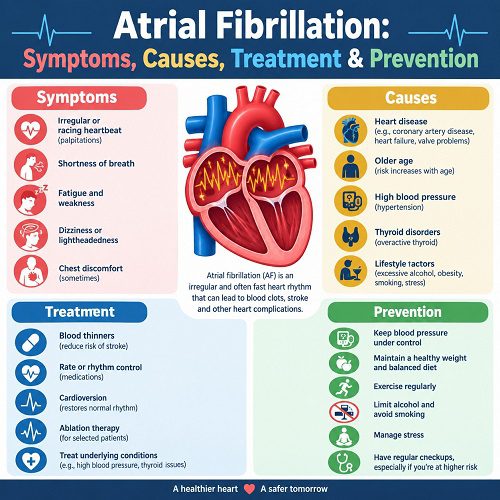
AFib symptoms vary considerably. Some people notice a fluttering sensation in the chest, while others experience fatigue, dizziness or shortness of breath. Some have no noticeable symptoms at all.
The following are common signs associated with atrial fibrillation.
- Irregularheartbeat
An irregular heartbeat is one of the characteristic signs of atrial fibrillation. Your pulse may feel uneven, with beats occurring at unpredictable intervals.
You might notice that your heart seems to skip beats or beat differently from its usual pattern. However, an irregular pulse alone cannot confirm atrial fibrillation.
2. Heart palpitations
Palpitations describe the sensation of being unusually aware of your heartbeat. You may feel that your heart is racing, pounding, fluttering or beating forcefully in your chest.
These sensations can occur while resting, walking or performing everyday activities. They may begin suddenly and last for different periods.
3. Shortness of breath
Some people experience breathlessness during physical activity or even while resting. This may happen because the irregular rhythm affects the heart’s ability to pump blood efficiently.
New or worsening shortness of breath requires prompt medical assessment, particularly if it occurs with chest discomfort, fainting or severe weakness.
4. Fatigue and reduced energy
Atrial fibrillation may make ordinary activities feel more difficult than usual. You might become tired while climbing stairs, walking short distances or completing household tasks.
Persistent fatigue can have many causes, so it should not automatically be attributed to a heart rhythm problem.
5. Dizziness or light-headedness
An irregular or rapid heartbeat can sometimes reduce the amount of blood pumped with each heartbeat. This may cause dizziness, light-headedness or a feeling that you might faint.
Repeated episodes should be discussed with a healthcare professional.
6. Chest discomfort
Some people experience pressure, tightness or discomfort in the chest during an episode of atrial fibrillation. Chest pain can also indicate other serious conditions, including a heart attack.
Do not assume that chest pain is simply a symptom of AFib.
7. Reduced exercise tolerance
Activities that previously felt easy may become more tiring. You might need to rest more frequently or notice an unusual increase in your heart rate during physical activity.
A change in exercise tolerance can be a useful sign to discuss with your doctor.
When should you seek emergency medical help?
Seek emergency medical assistance if you experience chest pain or pressure, severe difficulty breathing, fainting, or symptoms of a stroke.
Stroke warning signs include sudden facial drooping, weakness or numbness on one side of the body, difficulty speaking, confusion or sudden loss of vision. Call your local emergency service immediately, even if the symptoms improve.
Do not drive yourself to the hospital if you may be experiencing a medical emergency.
Remember: AFib symptoms do not reliably indicate stroke risk. People with few or no symptoms may still need treatment to prevent complications.
Causes of Atrial Fibrillation
The causes of atrial fibrillation vary from person to person. In some cases, an identifiable heart condition contributes to the problem. In others, several health and lifestyle factors may work together.
1. High blood pressure
High blood pressure is an important risk factor for atrial fibrillation. Over time, elevated pressure makes the heart work harder and can cause structural changes that affect its electrical activity.
Managing blood pressure through appropriate treatment and lifestyle changes can help reduce cardiovascular risk.
2. Coronary artery disease
Coronary artery disease develops when the blood vessels supplying the heart become narrowed or obstructed. It can damage the heart muscle and contribute to abnormal electrical activity.
People with coronary artery disease should follow their clinician’s recommendations for managing cholesterol, blood pressure and other risk factors.
3. Heart valve disorders
Problems affecting the heart valves can change the pressure and workload within the heart chambers. Certain valve disorders, particularly those affecting blood flow through the mitral valve, are associated with atrial fibrillation.
Treatment depends on the underlying valve condition and the severity of the problem.
4. Heart failure and other heart conditions
Heart failure, previous heart attacks and some forms of cardiomyopathy can increase the risk of atrial fibrillation.
These conditions may cause changes in the structure or function of the heart, making abnormal electrical signals more likely.
5. Diabetes
Diabetes is associated with an increased risk of cardiovascular disease, including atrial fibrillation. Elevated blood glucose over time can contribute to damage affecting blood vessels and the heart.
Managing diabetes through medical care, appropriate nutrition and regular monitoring is an important part of cardiovascular health.
6. Thyroid disorders
An overactive thyroid gland, known as hyperthyroidism, can cause a rapid heartbeat and increase the risk of atrial fibrillation.
A healthcare professional may request thyroid blood tests when investigating a newly identified rhythm disorder.
7. Obstructive sleep apnoea
Obstructive sleep apnoea causes repeated interruptions in breathing during sleep. These episodes can affect oxygen levels, blood pressure and the body’s stress response.
People who snore heavily, experience pauses in breathing during sleep or feel excessively sleepy during the day should discuss possible sleep apnoea with a healthcare professional.
8. Age and family history
The likelihood of atrial fibrillation increases with age. Having a close family member with the condition may also increase a person’s risk.
However, atrial fibrillation can occur in younger adults, particularly when other medical conditions or contributing factors are present.
9. Alcohol and smoking
Alcohol can trigger episodes of atrial fibrillation in some people, and higher consumption is associated with greater cardiovascular risk.
Smoking also increases cardiovascular risk and may contribute to the development or worsening of heart-related conditions.
Avoiding tobacco and reducing or avoiding alcohol, as appropriate, can support heart health.
10. Obesity and physical inactivity
Excess body weight is associated with several conditions that increase AFib risk, including high blood pressure, diabetes and sleep apnoea.
Regular physical activity and sustainable weight management may help reduce risk factors and improve outcomes for people already diagnosed with atrial fibrillation.
11. Other possible triggers
Certain infections, acute illnesses, surgery, Atrial Fibrillation Dehydration, electrolyte disturbances and stimulant exposure may contribute to episodes in susceptible individuals.
Some prescription medicines, over-the-counter products and supplements for Atrial Fibrillation can also affect heart rate or rhythm.
Not every episode has an identifiable trigger, and finding a trigger does not replace a proper medical assessment.
AFib Diagnosis: How Doctors Identify the Condition
An accurate AFib diagnosis is essential because symptoms alone cannot establish whether someone has atrial fibrillation.
Your healthcare professional may ask about your symptoms, medical history, medicines, family history and any factors that appear to trigger episodes.
1. Medical history and physical examination
Your doctor may ask when symptoms started, how often they occur and whether they happen during exercise, rest or sleep.
The examination may include checking your pulse, measuring your blood pressure and listening to your heart and lungs.
An irregular pulse can raise suspicion of atrial fibrillation, but further testing is needed to confirm the diagnosis.
2. Electrocardiogram (ECG or EKG)
An electrocardiogram records the heart’s electrical activity. It is a key test for identifying atrial fibrillation.
A standard ECG may confirm the condition if it is occurring during the test. However, a normal result does not always exclude AFib because episodes can come and go.
3. Holter monitor or event monitor
If symptoms are intermittent, your doctor may recommend a portable heart monitor.
A Holter monitor records heart activity continuously for a defined period, often 24–48 hours. Longer-term event monitors or other ambulatory ECG devices may be used when episodes are less frequent.
4. Blood tests
Blood tests can help identify conditions that may contribute to an abnormal rhythm. Depending on your circumstances, your doctor may check thyroid function, kidney function, blood counts and electrolyte levels.
These tests also help determine whether certain medicines are suitable.
5. Echocardiogram
An echocardiogram uses ultrasound to create images of the heart. It helps assess the heart’s structure, pumping function and valves.
The results can reveal underlying problems that may influence treatment decisions.
6. Additional tests
Depending on your symptoms and medical history, your doctor may recommend an exercise test, sleep assessment or other investigations.
A wearable device or smartwatch may also detect a possible irregular rhythm. However, a device alert is not, by itself, a definitive diagnosis. Your healthcare professional may need to confirm the finding with appropriate ECG recording.
The choice of tests depends on your individual circumstances and the information needed to guide treatment.
Atrial Fibrillation Treatment: Available Options
The goal of atrial fibrillation treatment is to reduce symptoms, manage the heart rate or restore a normal rhythm when appropriate, prevent blood clots and reduce the risk of complications.
Not everyone requires the same treatment. Your doctor will consider your age, other medical conditions, stroke risk, symptom severity and preferences.
1. Medicines to control heart rate
Rate-control medicines help prevent the ventricles from beating too quickly.
Depending on your condition, your doctor may prescribe a beta blocker or certain calcium channel blockers. Digoxin may be appropriate in selected circumstances.
These medicines can help relieve symptoms and improve heart-rate control, but they do not necessarily eliminate atrial fibrillation.
2. Medicines to control heart rhythm
Antiarrhythmic medicines aim to restore or maintain a normal heart rhythm.
Examples include flecainide, propafenone, amiodarone and other medicines selected according to a patient’s heart condition and individual risks.
These drugs can have important side effects and may be unsuitable for certain people. They require professional prescribing and monitoring.
3. Anticoagulants to reduce stroke risk
Anticoagulants, often called blood thinners, help prevent blood clots from forming and reduce the risk of stroke in people who are likely to benefit from them.
Examples include apixaban, rivaroxaban, dabigatran and warfarin.
Not everyone with atrial fibrillation needs an anticoagulant. Doctors assess stroke risk alongside bleeding risk and other clinical factors to determine whether treatment is appropriate.
Anticoagulants can increase bleeding risk, so patients should follow medical instructions and report concerning bleeding.
Do not start aspirin as a substitute for a prescribed anticoagulant, and do not stop a prescribed blood thinner without discussing it with your healthcare professional.
4. Electrical cardioversion
Electrical cardioversion uses a controlled electrical shock delivered under medical supervision to restore a normal heart rhythm.
It may be recommended when AFib causes significant symptoms or when restoring a normal rhythm is considered beneficial.
Doctors assess the duration of the episode and the risk of blood clots before cardioversion. Anticoagulation or other precautions may be necessary before and after the procedure.
5. Catheter ablation
Catheter ablation is a procedure in which thin tubes are guided through blood vessels into the heart. The clinician uses energy to create small areas of scar tissue that block abnormal electrical signals.
Pulmonary vein isolation is a common ablation approach for atrial fibrillation.
Ablation may reduce episodes and symptoms and may be considered when medicines are ineffective, unsuitable or not preferred. It can also be an initial rhythm-control option for selected patients.
However, ablation is not guaranteed to eliminate AFib permanently. Some patients require further procedures or continued medication.
6. Pacemakers and other procedures
A pacemaker may be considered in selected patients with an abnormally slow heart rate or certain rhythm problems, sometimes in combination with other treatment.
In carefully selected cases where medication and other approaches are inadequate, a doctor may discuss a procedure called atrioventricular node ablation combined with pacemaker implantation. This can help control the ventricular rate but does not remove atrial fibrillation itself.
Another option for selected patients who cannot safely take long-term anticoagulants may be left atrial appendage closure. This procedure aims to reduce clot-related stroke risk in appropriate circumstances.
These interventions have specific benefits and risks and require specialist assessment.
7. Treating underlying health conditions
Managing contributing conditions is an important part of AFib care.
Your treatment plan may include controlling high blood pressure, managing diabetes, treating sleep apnoea, improving cholesterol levels and addressing obesity.
Combining appropriate medical treatment with lifestyle changes can improve overall cardiovascular health.
How to Prevent Atrial Fibrillation or Reduce Its Impact
It is not possible to prevent every case of atrial fibrillation. Age, inherited susceptibility and certain heart conditions cannot always be changed.
However, managing modifiable risk factors can reduce the likelihood of developing AFib or help limit its progression and recurrence.
1. Maintain healthy blood pressure
Check your blood pressure regularly, particularly if you have hypertension or other cardiovascular risk factors.
Follow your healthcare professional’s advice about medication, dietary changes and monitoring. Avoid changing prescribed treatment without medical guidance.
2. Eat a heart-healthy diet
Choose a balanced eating pattern that includes vegetables, fruits, whole grains, beans, nuts and appropriate sources of protein.
Limit excess salt, highly processed foods and foods rich in saturated or trans fats. If you have kidney disease, heart failure or other conditions requiring dietary restrictions, seek individualised advice.
No single food can prevent atrial fibrillation, but a balanced diet can help manage related cardiovascular risks.
3. Exercise regularly
Regular physical activity supports heart health, blood pressure management and weight control.
Walking, cycling, swimming and other suitable aerobic activities can be useful options. If you already have AFib, ask your clinician how to exercise safely, especially if you experience dizziness, chest discomfort or breathlessness.
Avoid suddenly starting very strenuous exercise without appropriate advice if you have significant symptoms or uncontrolled heart disease.
4. Maintain a healthy weight
Excess weight is associated with atrial fibrillation and can make related conditions more difficult to manage.
If you are overweight, gradual and sustainable weight loss may help improve blood pressure, sleep apnoea and other risk factors. Your healthcare professional can help you establish a realistic target.
5. Limit or avoid alcohol
Alcohol can trigger AFib episodes in some individuals. Reducing consumption or avoiding alcohol may help, especially if you have noticed a relationship between drinking and your symptoms.
Ask your healthcare professional about the safest approach for your circumstances.
6. Stop smoking
Smoking increases cardiovascular risk. Quitting can improve your overall health and help reduce the risk of heart and blood vessel disease.
Consider professional cessation support if you find it difficult to stop.
7. Get enough sleep
Healthy sleep supports general wellbeing and may help with blood pressure and metabolic health.
If you snore loudly, wake up gasping or experience excessive daytime sleepiness, ask your doctor whether sleep apnoea assessment is appropriate.
8. Manage stress and avoid known triggers
Stress may coincide with palpitations or trigger symptoms in some people, although it is not the only cause of AFib.
Relaxation exercises, gentle physical activity, adequate sleep and professional support can help with stress management.
Keep track of any patterns involving alcohol, illness, sleep, caffeine or particular medicines. Do not assume that every palpitation is caused by stress.
9. Attend regular medical appointments
If you have AFib, regular follow-up helps your healthcare team review symptoms, medication effectiveness, stroke risk and other health conditions.
Lifestyle changes complement medical treatment; they do not replace anticoagulation or other prescribed therapies when these are needed.
Living With Atrial Fibrillation
Living with atrial fibrillation can feel worrying at first, particularly if you experience sudden palpitations or are concerned about stroke.
However, many people manage the condition successfully with appropriate treatment, regular monitoring and sustainable lifestyle habits.
Take your medication as prescribed
Follow your treatment schedule and ask your healthcare professional about any side effects or difficulties taking your medicines.
Do not stop medication because your symptoms have improved. Some treatments, especially anticoagulants, may provide benefits even when you feel well.
Tell your doctor or pharmacist about prescription medicines, over-the-counter products, vitamins and herbal supplements you use.
Keep a symptom diary
Record when symptoms occur, how long they last and what you were doing at the time.
You can also note your pulse, if you have been advised to monitor it, along with sleep patterns, exercise and possible triggers.
This information can help your healthcare professional identify patterns and decide whether further testing or a treatment adjustment is necessary.
Understand your stroke risk
Ask your doctor how your personal stroke risk is assessed and whether you need anticoagulant treatment.
Your risk depends on factors such as age, previous stroke, high blood pressure, diabetes, heart failure and other clinical considerations.
Do not judge your risk solely by the frequency of palpitations or whether you can feel your heart beating irregularly.
Stay active within your limits
Many people with atrial fibrillation can continue to exercise, work and participate in everyday activities.
Choose an activity level that suits your health and follow any restrictions advised by your clinician. Seek reassessment if exercise becomes unusually difficult or your symptoms change.
Look after your emotional wellbeing
Living with a long-term condition can cause anxiety, frustration or uncertainty. Talking to your healthcare team, family members or a suitable support group may help.
Learning about your condition and understanding your treatment plan can make it easier to recognise warning signs and make informed decisions.
Attend follow-up appointments
Your AFib treatment may need to change over time. Regular reviews allow your healthcare professional to monitor your heart rate, rhythm, stroke risk, medicines and any underlying health problems.
Report new symptoms, medication side effects or episodes that become more frequent or severe.
Frequently Asked Questions About Atrial Fibrillation
1. Is atrial fibrillation dangerous?
Atrial fibrillation can be serious because it increases the risk of stroke and may contribute to heart failure. However, the level of risk varies between individuals. Appropriate assessment and treatment can reduce complications.
2. Can atrial fibrillation go away on its own?
Some episodes stop spontaneously, particularly in people with paroxysmal AFib. However, symptoms stopping does not mean the condition has been cured or that stroke risk has disappeared. Medical assessment remains important.
3. Can you have atrial fibrillation without symptoms?
Yes. Some people have no noticeable symptoms and discover the condition during a routine examination or heart monitoring. This is one reason why an absence of palpitations cannot rule out AFib.
4. What is the best treatment for atrial fibrillation?
There is no single best treatment for everyone. Options may include rate-control medication, rhythm-control medication, anticoagulants, cardioversion or catheter ablation. The appropriate choice depends on the patient’s symptoms, stroke risk and medical history.
5. Can lifestyle changes cure atrial fibrillation?
Lifestyle changes may reduce risk factors, improve symptoms and help lower the likelihood of recurrent episodes. However, they cannot guarantee a cure and should not replace prescribed treatment.
6. Should people with AFib avoid caffeine?
Caffeine affects people differently, and routine avoidance is not necessary for everyone. If you notice that particular caffeinated drinks consistently trigger symptoms, discuss reducing them with your healthcare professional.
7. Can exercise make atrial fibrillation worse?
Exercise is beneficial for many people with AFib, but the appropriate intensity depends on individual health and symptom control. Excessive exertion may trigger symptoms in some cases. Ask your clinician for personalised exercise advice.
8. Does atrial fibrillation always require blood thinners?
No. Anticoagulant treatment is based on an assessment of stroke risk, bleeding risk and individual clinical circumstances. Your doctor can explain whether the expected benefits outweigh the risks for you.
9. Can atrial fibrillation lead to a stroke?
Yes. Blood can pool in the atria during AFib and form clots. A clot that travels to the brain can block blood flow and cause a stroke. Appropriate stroke-risk assessment and treatment are essential.
10. When should someone with AFib contact a doctor?
Contact your healthcare professional if you develop new or worsening palpitations, increasing fatigue, dizziness, breathlessness or a noticeable change in exercise tolerance. Seek emergency help for chest pain, severe breathing difficulties, fainting or possible stroke symptoms.
Conclusion
Atrial Fibrillation is a common heart rhythm disorder that can affect people in different ways. Some experience an irregular or racing heartbeat, dizziness, fatigue and breathlessness, while others have no obvious symptoms.
Understanding the causes of atrial fibrillation, recognising warning signs and obtaining an accurate diagnosis are important steps towards effective management. Treatment may involve medicines, procedures, stroke prevention and management of contributing health conditions.
Healthy lifestyle habits, including regular physical activity, a balanced diet, blood pressure control, smoking cessation and appropriate weight management, can support cardiovascular health. Nevertheless, lifestyle changes should complement rather than replace medical care.
If you suspect atrial fibrillation or have been diagnosed with it, work with a qualified healthcare professional to develop an individual treatment plan. With appropriate care, monitoring and informed decisions, many people can manage the condition and maintain a good quality of life.
Medical Disclaimer
This article is for educational and informational purposes only. It does not replace professional medical advice, diagnosis or treatment. Atrial fibrillation can lead to serious complications, including stroke and heart failure. Consult a qualified healthcare professional for an assessment of your symptoms and an appropriate treatment plan. Never stop prescribed medication, including anticoagulants, without medical guidance. Seek emergency medical assistance for chest pain, severe breathing difficulties, fainting or symptoms of a stroke.