Living With Achalasia: Daily Management Tips That Actually Work
Living with achalasia can feel like navigating a constant maze of dietary adjustments, medical appointments, and lifestyle tweaks. If you’ve…

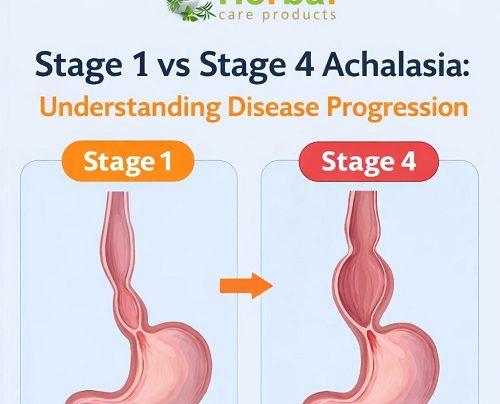
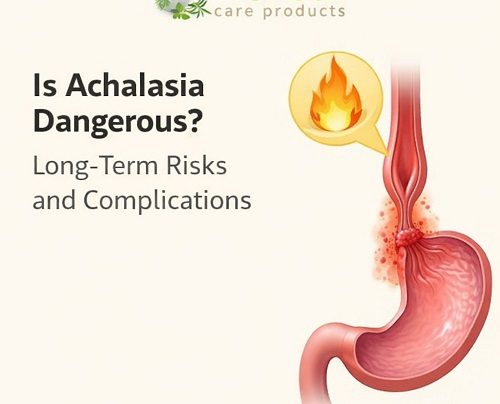
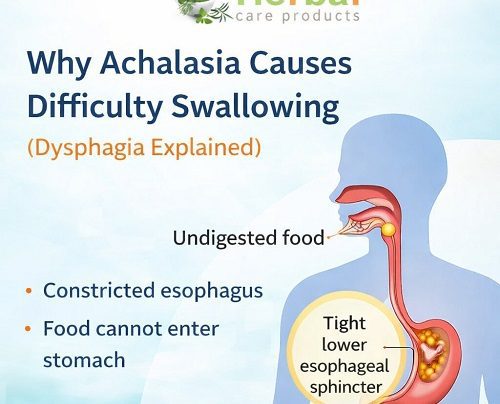
Achalasia is a rare swallowing disorder that affects the oesophagus, the muscular tube that carries food and liquids from the mouth to the stomach. It occurs when the oesophageal muscles do not move food normally and the lower oesophageal sphincter, a ring of muscle at the entrance to the stomach, fails to relax properly. As a result, food and liquids may remain in the oesophagus instead of passing easily into the stomach.
At Herbal Care Products, this category brings together informative articles about achalasia symptoms, causes, diagnosis, treatment options, diet and everyday management. Our goal is to help readers learn more about this condition and discover practical questions to discuss with their healthcare professionals.
Achalasia symptoms can develop gradually and may become more noticeable over time. Common symptoms include difficulty swallowing solid foods and liquids, regurgitation of undigested food, chest discomfort, heartburn-like symptoms, coughing at night and unexplained weight loss. Some people may also experience choking or respiratory complications if food or liquid enters the airways.
If you experience persistent swallowing difficulties, consult a qualified healthcare professional for an appropriate assessment.
Achalasia is associated with damage to the nerves that control oesophageal muscle movement. The exact cause is often unknown. Because its symptoms can resemble other digestive conditions, including gastro-oesophageal reflux disease (GERD), an accurate diagnosis is important.
Healthcare professionals may recommend tests such as oesophageal manometry, a barium swallow and an upper endoscopy to assess how the oesophagus functions and rule out other conditions.
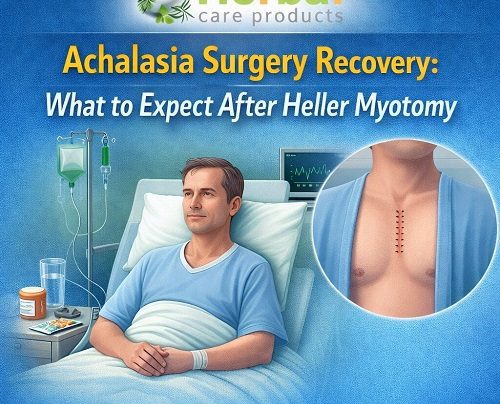
Although there is currently no treatment that completely restores the damaged oesophageal nerves, medical procedures and other treatments can help relieve symptoms and improve swallowing. Depending on the individual’s condition, treatment may include pneumatic balloon dilation, botulinum toxin injections, peroral endoscopic myotomy (POEM) or Heller myotomy.
A healthcare professional can explain the benefits, risks and suitability of each option.
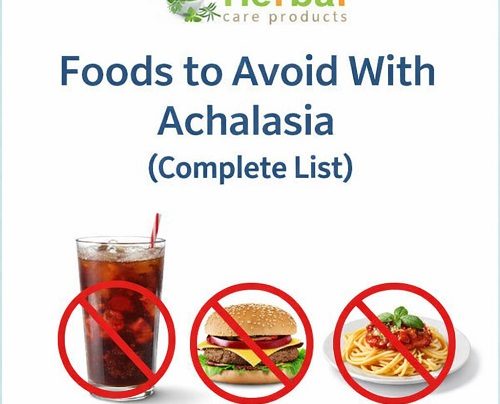
Dietary adjustments may help some people manage meals more comfortably, although they do not cure achalasia or correct the underlying muscle dysfunction. Eating slowly, taking small bites, chewing food thoroughly and choosing suitable food textures may help some individuals. Remaining upright after meals may also be useful.
Dietary needs vary from person to person. If swallowing difficulties affect your ability to eat or drink enough, seek medical advice to reduce the risk of dehydration and malnutrition.
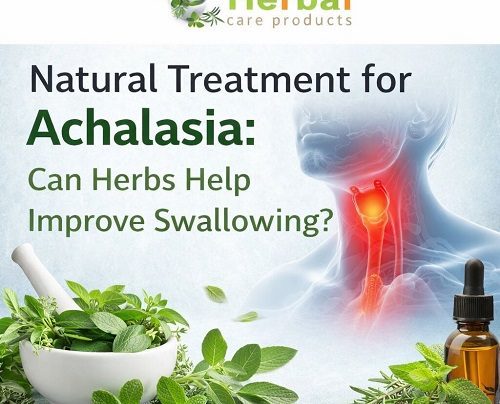
Readers may also be interested in articles about natural remedies, herbal supplements and nutritional support. However, herbal products and dietary supplements have not been established as cures for achalasia, and they cannot replace appropriate medical treatment. Always consult your healthcare professional before using supplements, particularly if you take medicines or have difficulty swallowing tablets.
Browse our achalasia articles to learn more about symptoms, diagnosis, treatment options, dietary considerations and living with this condition. Use this information to support informed discussions with your healthcare team.
The information published in this Achalasia category on Herbal Care Products is intended for general educational and informational purposes only. It is not a substitute for professional medical advice, diagnosis or treatment.
Achalasia is a medical condition that requires appropriate assessment and management by a qualified healthcare professional. The information provided about diet, lifestyle, natural remedies, herbs and dietary supplements should not be interpreted as a claim that these approaches can cure or reverse achalasia.
Always consult your doctor or a qualified healthcare professional before starting, changing or stopping any treatment or supplement. Never delay medical care because of information you have read on this website.
Seek prompt medical attention if you experience persistent or worsening swallowing difficulties, unexplained weight loss, dehydration or repeated choking. If you cannot swallow liquids or saliva, have severe chest pain or experience breathing difficulties, seek urgent medical care.
Herbal Care Products does not guarantee specific health outcomes from the use of any information, herbal product or dietary supplement discussed on this website. Individual needs and responses may vary.