 By
By Actinic keratosis (AK) is a common skin condition caused by long-term exposure to ultraviolet (UV) radiation. It often appears as a rough, scaly, dry or crusty patch on areas of skin that receive frequent sun exposure, such as the Actinic Keratosis on the Face, Actinic Keratosis on the Scalp, Actinic Keratosis on the Ears, neck, forearms and hands. While an individual actinic keratosis may be small and easy to overlook, it is important to take it seriously because some AK lesions can develop into squamous cell carcinoma, a type of skin cancer.
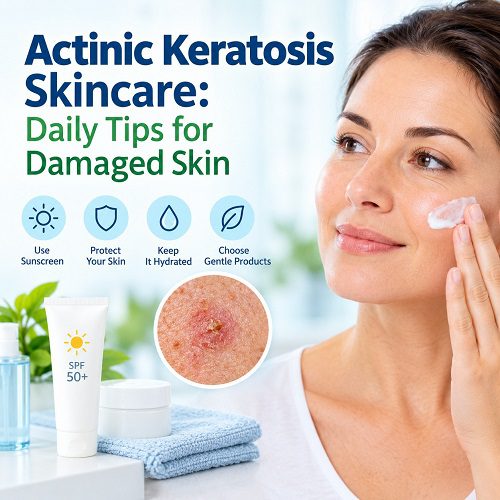
A thoughtful skincare for actinic keratosis routine can help support the skin barrier, reduce dryness and irritation, and protect sun-damaged skin from further UV exposure. However, skincare is not a substitute for professional assessment or treatment. A dermatologist may recommend treatments such as cryotherapy, prescription creams, photodynamic therapy or other procedures depending on the number, location and appearance of the lesions.
The goal of daily skincare is therefore simple: keep the skin comfortable, protect it from the sun and avoid unnecessary irritation.
What Is Actinic Keratosis?
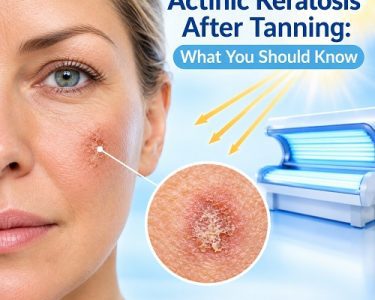
What Is Actinic Keratosis? Actinic keratosis develops after years of cumulative sun exposure. UV radiation can damage the DNA of skin cells, and repeated exposure may eventually Actinic Keratosis causes abnormal cells to develop on the surface of the skin.
AK can look different from person to person. A patch may be:
- Rough or sandpaper-like
- Dry and flaky
- Pink, red, brown or skin-coloured
- Slightly raised
- Crusted or scaly
- Tender, itchy or sensitive
Some lesions are easier to feel than see, particularly when they are small.
Because actinic keratosis can sometimes progress to skin cancer, new, changing, bleeding or persistent lesions should be assessed by a healthcare professional. Avoid assuming that a rough patch is harmless simply because it is small.
Why Skincare Matters for Actinic Keratosis
Sun-damaged skin may have a weakened or easily irritated skin barrier. Harsh cleansers, aggressive exfoliation and heavily fragranced products can make dryness and discomfort worse.
A suitable skin care routine focuses on maintaining the skin barrier while minimising additional irritation.
Good daily habits can include:
- Cleansing gently.
- Applying a suitable moisturiser.
- Using broad-spectrum sun protection every day.
- Avoiding unnecessary exfoliation.
- Following any treatment instructions provided by a dermatologist.
- Monitoring the skin for changes.
The most important point is that skincare should complement medical treatment rather than replace it.
A Simple Skin Care Routine for Actinic Keratosis
A complicated routine is rarely necessary. In fact, using too many products can increase the chance of irritation.
Morning: Gentle Cleansing
Start the day with a mild, fragrance-free cleanser if cleansing is needed. Use lukewarm water rather than very hot water, which can contribute to dryness.
Avoid scrubbing the affected areas with washcloths, exfoliating brushes or abrasive facial scrubs. Actinic keratosis can make the skin more sensitive, and friction may cause unnecessary irritation.
If your skin is particularly dry, you may find that a gentle cleanser used once a day is sufficient, depending on your skin type and your healthcare professional’s advice.
Moisturise After Cleansing
Applying a moisturiser helps reduce dryness and supports the skin barrier. For sun-damaged or sensitive skin, look for products that are gentle and fragrance-free.
Ingredients commonly used in moisturisers for dry or sensitive skin include:
- Ceramides
- Glycerin
- Hyaluronic acid
- Petrolatum
- Dimethicone
A cream or ointment may provide more hydration than a lightweight lotion, especially if the skin is very dry.
Apply moisturiser gently rather than rubbing vigorously over rough areas. If a prescribed AK treatment causes dryness or irritation, ask your dermatologist or pharmacist how and when to use moisturiser alongside the treatment.
Sun Protection Is Essential
For anyone with actinic keratosis, sun protection is one of the most important parts of everyday skincare.
UV exposure contributes to the development of actinic keratoses and can cause additional cumulative damage. Protecting your skin can therefore help reduce further sun damage.
Choose a broad-spectrum sunscreen that protects against both UVA and UVB radiation. A sunscreen with SPF 30 or higher is commonly recommended for everyday protection.
Apply sunscreen generously to exposed skin and reapply as directed, particularly after sweating, swimming or prolonged outdoor activity.
Don’t forget commonly missed areas such as:
- Ears
- Hairline
- Back of the neck
- Tops of the hands
- Forearms
- Scalp if hair is thinning
- Actinic Keratosis on the Lips, using a suitable lip product with sun protection
Sunscreen works best as part of a broader approach to sun protection.
Use Clothing and Shade for Extra Protection
Sunscreen should not be your only defence against UV radiation.
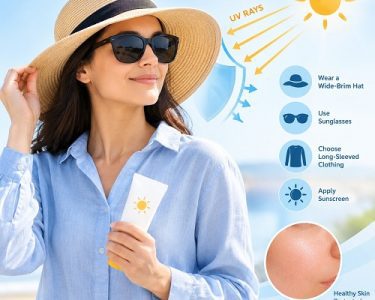
When possible, seek shade during periods of strong sunlight and wear protective clothing. Long sleeves, trousers, wide-brimmed hats and sunglasses can provide additional physical protection.
People with thinning hair or bald areas should pay particular attention to scalp protection. A hat can provide useful coverage, while sunscreen formulated for the scalp can be considered for exposed areas.
Remember that UV radiation can reach your skin even when the weather feels cool or cloudy. Daily sun protection is therefore useful throughout the year, not just during hot summer days.
Avoid Harsh Exfoliation
Exfoliation is often promoted as a way to smooth rough skin, but actinic keratosis is not simply a buildup of dead skin that should be scrubbed away.
Avoid aggressively exfoliating areas affected by AK. Physical scrubs, rough brushes and strong chemical exfoliants may increase irritation.
Likewise, don’t pick, scratch or peel an actinic keratosis. Removing the surface yourself does not treat the abnormal cells underneath and may cause bleeding or infection.
If a rough lesion is bothering you, discuss appropriate treatment with a dermatologist instead.
Be Careful With Active Skincare Ingredients
People with actinic keratosis may be tempted to use strong skincare ingredients to improve texture or pigmentation caused by sun damage.
Ingredients such as retinoids, alpha-hydroxy acids, beta-hydroxy acids and other exfoliating actives can be useful for some skin concerns, but they may also irritate sensitive or compromised skin.
If you already use active ingredients, don’t automatically stop or continue them when you begin treatment for AK. Instead, ask your dermatologist how they fit into your routine.
This is particularly important if you are using a prescription treatment for actinic keratosis. Some treatments intentionally cause redness, scaling, inflammation or peeling as part of their effect. Adding additional irritating products could make the reaction harder to tolerate.
Choosing the Right Moisturiser
The right moisturiser depends on your skin type and how dry or sensitive your skin is.
For dry skin, a richer cream may be more comfortable than a lightweight lotion. For oily or combination skin, a lighter formulation may feel better.
When selecting a moisturiser for sensitive, sun-damaged skin, consider:
- Fragrance-free formulas
- Simple ingredient lists
- Barrier-supporting ingredients
- Products designed for sensitive skin
- Non-irritating formulations
You don’t necessarily need an expensive product. A simple, well-tolerated moisturiser can be an excellent addition to a daily skincare routine.
If a product causes persistent burning, swelling, itching or a rash, stop using it and seek professional advice if the reaction is significant or does not settle.
What to Avoid When Caring for Actinic Keratosis
Some everyday habits can make irritated or sun-damaged skin more uncomfortable.
Try to avoid:
- Harsh scrubs
- Picking or scratching lesions
- Very hot water
- Strongly fragranced products
- Excessive exfoliation
- Tanning beds
- Deliberate tanning
- Using multiple new active ingredients at once
It is also important not to rely on home remedies to remove actinic keratoses. Products or substances that burn, freeze or peel the skin without medical supervision can cause injury and may delay proper diagnosis.
Skincare During Medical Treatment
Your skincare routine may need to change when you are receiving treatment for actinic keratosis.
Some treatments can cause temporary redness, irritation, crusting, scaling or sensitivity. These reactions can be expected with certain therapies, but your healthcare professional should explain what is normal for your specific treatment.
During treatment, keep your routine as simple as possible unless your clinician advises otherwise.
A basic routine may involve:
Morning:
Gentle cleanse → moisturiser if needed → broad-spectrum sunscreen
Evening:
Gentle cleanse → prescribed treatment as directed → moisturiser when appropriate
Don’t change the timing or application method of a prescription treatment without checking with your healthcare professional.
If you experience severe pain, significant swelling, extensive blistering, signs of infection or another reaction that concerns you, contact your healthcare provider.
How Often Should You Check Your Skin?
Regular self-checks can help you notice new or changing lesions.
When examining your skin, look for patches that:
- Become thicker
- Grow in size
- Change colour
- Bleed repeatedly
- Become painful or increasingly tender
- Develop a persistent crust
- Do not heal
- Look noticeably different from your other lesions
It can be useful to become familiar with the normal appearance and texture of your skin. If you notice something unusual, arrange an assessment rather than attempting to diagnose it yourself.
People with a history of actinic keratosis may also benefit from regular professional skin examinations, depending on their individual Actinic Keratosis Risk Factors and medical history.
When Should You See a Dermatologist?
Skincare can support damaged skin, but it cannot determine whether a lesion is actinic keratosis or something more serious.
See a healthcare professional if you have a new or persistent rough patch, particularly if it changes or becomes symptomatic.
Seek medical assessment promptly if an area:
- Bleeds without an obvious reason
- Grows quickly
- Becomes increasingly painful
- Forms a persistent ulcer
- Becomes unusually thick
- Repeatedly crusts or breaks down
- Does not heal
A dermatologist can examine the lesion and decide whether treatment or further investigation is necessary.
A Practical Daily Routine
For many people with sun-damaged or sensitive skin, a simple routine is easier to maintain than a complicated one.
Morning
- Cleanse gently
Use a mild cleanser and lukewarm water. - Moisturise
Apply a fragrance-free moisturiser if your skin feels dry or tight. - Apply sun protection
Use broad-spectrum SPF 30 or higher on exposed skin. - Add physical protection
Wear protective clothing and a hat when spending time outdoors.
Evening
- Cleanse gently
Remove sunscreen and daily buildup without scrubbing. - Follow prescribed treatment
If your dermatologist has prescribed Treatment for Actinic Keratosis, use it exactly as instructed. - Moisturise
Use a gentle moisturiser to support comfort and the skin barrier, following any instructions about applying it around your treatment.
The best routine is one that is gentle, consistent and appropriate for your individual skin.
Final Thoughts
Developing a good skincare for actinic keratosis routine is primarily about protecting and supporting already sun-damaged skin. Gentle cleansing, a suitable moisturiser and consistent sun protection can help keep the skin comfortable while reducing exposure to additional UV damage.
However, skincare should never be viewed as a treatment for actinic keratosis itself. Because AK can sometimes progress to squamous cell carcinoma, suspicious or changing lesions should be assessed by a qualified healthcare professional.
Keep your routine simple, avoid aggressive exfoliation and follow your dermatologist’s treatment instructions carefully. Most importantly, make daily sun protection a long-term habit. Caring for sun-damaged skin is not just about improving how it looks—it is about protecting your skin’s health for the future.
Medical disclaimer
This article is for general educational purposes and is not a substitute for professional medical advice, diagnosis or treatment. If you have a suspected or diagnosed actinic keratosis, speak with a dermatologist or other qualified healthcare professional about the most appropriate treatment and skincare routine for you.