 By
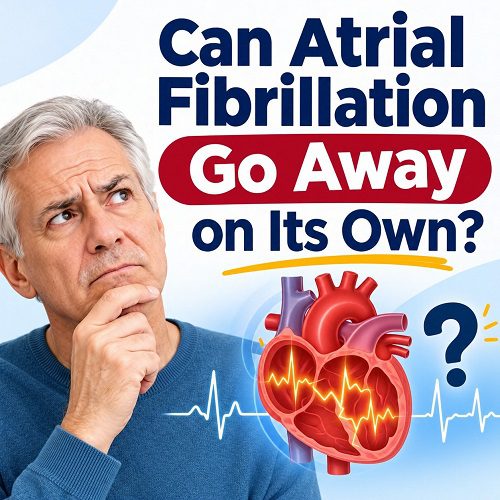
Atrial fibrillation (AFib) is one of the most common heart rhythm disorders. It occurs when the electrical signals in the upper chambers of the heart become disorganized, causing the heart to beat irregularly and sometimes faster than normal. People diagnosed with this condition often have an important question: Can atrial fibrillation go away on its own?
The answer is yes, in some cases, an episode of atrial fibrillation can stop without medical intervention. This is particularly common with paroxysmal atrial fibrillation, a type in which irregular heart rhythms start suddenly and return to normal spontaneously. However, the disappearance of symptoms does not necessarily mean the condition has been permanently cured.
Some people experience temporary atrial fibrillation following an illness, surgery, dehydration, or excessive alcohol consumption. Others develop intermittent atrial fibrillation, in which episodes come and go over time. Although these episodes may resolve naturally, atrial fibrillation can return and increase the risk of complications, including blood clots and stroke.
What Is Atrial Fibrillation?
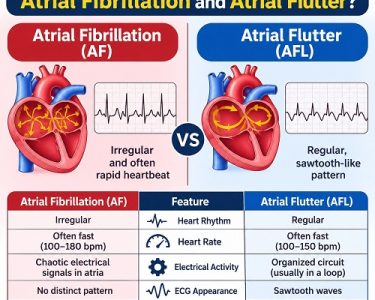
Atrial fibrillation is an abnormal heart rhythm, medically known as an arrhythmia. Normally, electrical signals travel through the heart in an organized pattern, allowing the upper and lower chambers to contract in a coordinated way.
During atrial fibrillation, electrical activity in the atria (the upper chambers) becomes chaotic. Instead of contracting normally, the atria quiver or fibrillate. This causes an irregular heartbeat and can affect how efficiently blood moves through the heart.
Common Atrial Fibrillation symptoms include:
- Heart palpitations or a fluttering sensation in the chest.
- Rapid or irregular heartbeat.
- Shortness of breath.
- Dizziness or lightheadedness.
- Unusual tiredness or weakness.
- Reduced ability to exercise.
- Chest discomfort.
Some people experience no noticeable symptoms and discover they have atrial fibrillation during a routine medical examination.
AFib is important to diagnose because blood can collect in the atria, increasing the possibility of clot formation. A clot can travel to the brain and cause an ischemic stroke.
Can Atrial Fibrillation Go Away on Its Own?
Yes, atrial fibrillation can sometimes go away on its own, particularly when episodes are short-lived. This happens when the heart’s electrical activity returns to its normal rhythm without medication, electrical cardioversion, or another medical procedure.
This spontaneous return to normal rhythm is called spontaneous conversion.
It is particularly common in people with paroxysmal atrial fibrillation. Episodes may last a few minutes, several hours, or occasionally several days before the heart returns to its normal rhythm.
However, there is an important distinction between an Atrial Fibrillation episode stopping and the underlying condition disappearing permanently.
For example, someone may experience an irregular heartbeat for several hours, followed by a normal heartbeat for weeks or months. Although the symptoms have disappeared, the person may still have an underlying tendency to develop atrial fibrillation.
In other cases, AFib may occur because of a temporary trigger, such as an infection or excessive alcohol consumption. Treating the underlying problem can help restore a normal rhythm.
Nevertheless, even atrial fibrillation associated with an identifiable trigger can return later. Therefore, medical evaluation remains important even if the heartbeat becomes normal again.
What Is Temporary Atrial Fibrillation?
Temporary atrial fibrillation refers to episodes of AFib that occur for a limited period and subsequently resolve. It may develop during an acute illness, after surgery, or when certain temporary factors affect the heart’s electrical system.
For example, someone who develops an infection with a high fever may experience an episode of atrial fibrillation. Once the infection improves and the body recovers, the heart rhythm may return to normal.
Some common causes and triggers of temporary Atrial Fibrillation include:
1. Infection and fever
Severe infections can place stress on the cardiovascular system. Fever, inflammation, dehydration, and changes in the body’s chemical balance may contribute to abnormal heart rhythms.
2. Surgery
Atrial fibrillation can develop after certain surgical procedures, particularly heart surgery. However, it can also occur following noncardiac operations because of physical stress, inflammation, and changes in fluid balance.
3. Excessive alcohol consumption
Heavy alcohol consumption can trigger an AFib episode, sometimes referred to as holiday heart syndrome. Reducing or avoiding alcohol may help lower the likelihood of further episodes.
4. Dehydration
Dehydration can affect blood volume and electrolyte balance, potentially contributing to heart rhythm disturbances.
5. Thyroid problems
An overactive thyroid gland can increase heart rate and contribute to atrial fibrillation. Treating the thyroid condition may help improve heart rhythm control.
6. Electrolyte imbalances
Abnormal levels of potassium, magnesium, and other electrolytes can interfere with normal electrical activity in the heart.
Although temporary atrial fibrillation may resolve after the underlying trigger is treated, it should not automatically be considered harmless. Clinical guidelines emphasize that AFib associated with acute illness or surgery can recur and requires appropriate follow-up.
What Is Intermittent Atrial Fibrillation?
Intermittent atrial fibrillation describes a pattern in which episodes of irregular heart rhythm occur occasionally and then stop.
The medical term commonly used for this pattern is paroxysmal atrial fibrillation.
During an episode, the heart may beat irregularly for minutes, hours, or days. Eventually, it returns to its normal rhythm without requiring medical intervention.
The episodes may occur unpredictably. Some people experience them only occasionally, while others have frequent episodes.
Common characteristics of intermittent AFib include:
- Sudden episodes of rapid or irregular heartbeat.
- Symptoms that disappear after a period of time.
- Normal heart rhythm between episodes.
- Episodes that may become more frequent over time.
- Symptoms that range from mild to severe.
One important point is that a normal heartbeat between episodes does not mean the heart is completely free from AFib.
Some episodes are also asymptomatic, meaning patients may have irregular heart rhythms without realizing it.
Doctors may recommend wearable heart monitors, Holter monitors, or longer-term cardiac monitoring to identify these episodes.
How Long Does Atrial Fibrillation Last?
The duration of atrial fibrillation depends on its type, underlying causes, and individual health factors.
Medical professionals generally classify AFib into several patterns:
1. Paroxysmal atrial fibrillation
Paroxysmal AFib is characterized by episodes that stop spontaneously or with intervention within seven days of starting. Many episodes resolve within 48 hours or less.
2. Persistent atrial fibrillation
Persistent AFib continues for more than seven days and generally requires medical Atrial Fibrillation treatment to restore normal heart rhythm if a rhythm-control approach is chosen.
3. Long-standing persistent atrial fibrillation
This Atrial Fibrillation type continues for more than 12 months. Patients and doctors may still pursue treatment to restore or maintain normal heart rhythm.
4. Permanent atrial fibrillation
Permanent AFib describes a shared decision between the patient and healthcare professional to stop further attempts to restore normal sinus rhythm. It does not mean that the condition is impossible to treat.
These classifications help doctors understand the pattern of AFib and determine appropriate treatment.
Why Does Atrial Fibrillation Sometimes Stop Without Treatment?
Atrial fibrillation can stop spontaneously because the electrical activity responsible for the abnormal rhythm may temporarily settle.
Several factors can influence whether this happens.
Removal of temporary triggers: If AFib develops because of alcohol consumption, dehydration, infection, or another temporary problem, addressing the trigger may help the heart return to a normal rhythm.
Improved electrolyte balance: Correcting certain electrolyte abnormalities may support normal electrical signaling in the heart.
Recovery from illness: When inflammation, fever, or physical stress decreases, the heart’s electrical activity may become more stable.
Naturally occurring rhythm conversion: Some paroxysmal AFib episodes end without a clearly identifiable reason.
However, spontaneous conversion does not guarantee that AFib will never happen again. Changes in the heart’s electrical system and underlying cardiovascular conditions may continue to create a risk of recurrence.
Can Atrial Fibrillation Go Away Permanently?
Atrial fibrillation can sometimes become less frequent or remain absent for long periods, but spontaneous disappearance does not guarantee a permanent cure.
The possibility of long-term improvement depends on several factors, including:
- The underlying cause of AFib.
- The duration and frequency of episodes.
- Age and overall health.
- Presence of high blood pressure or heart disease.
- Body weight and metabolic health.
- Alcohol consumption and sleep quality.
- Response to medical treatment.
In some people, treating an underlying condition and improving lifestyle habits can significantly reduce AFib episodes.
Others may benefit from medications or procedures such as catheter ablation.
Catheter ablation uses energy to create small areas of scar tissue that interrupt abnormal electrical signals responsible for AFib. It can reduce episodes and improve symptoms, although recurrence remains possible.
Even after successful treatment, patients may need continued monitoring and stroke-risk assessment.
What Increases the Risk of Atrial Fibrillation Returning?
Several health conditions and lifestyle factors can increase the likelihood of recurrent AFib.
High blood pressure: Uncontrolled hypertension can cause structural changes in the heart, making abnormal electrical activity more likely.
Heart disease: Coronary artery disease, heart failure, and heart valve problems can increase the risk of AFib.
Obesity: Excess body weight is associated with structural and electrical changes in the heart that can contribute to atrial fibrillation.
Sleep apnea: Obstructive sleep apnea causes repeated interruptions in breathing during sleep and is associated with an increased risk of AFib.
Excessive alcohol: Heavy drinking can trigger episodes and contribute to recurrent AFib.
Diabetes: Diabetes is associated with an increased risk of cardiovascular disease and atrial fibrillation.
Increasing age: The likelihood of developing AFib generally increases with age.
Managing these risk factors can improve overall cardiovascular health and may reduce the burden of atrial fibrillation.
How Is Atrial Fibrillation Diagnosed?
Even when symptoms disappear, a doctor may recommend testing to determine whether atrial fibrillation occurred and whether it is likely to return.
Common diagnostic tests include:
Electrocardiogram (ECG or EKG)
An ECG records the electrical activity of the heart. It is one of the primary tests used to diagnose atrial fibrillation. However, a standard ECG may not detect intermittent episodes if the heart rhythm is normal during testing.
Holter monitor
A Holter monitor is a portable device that continuously records heart rhythm, commonly for 24 to 48 hours, although longer monitoring options are available.
Event monitor
An event monitor records heart rhythm over a longer period and can help identify occasional episodes that may not appear during a standard ECG.
Echocardiogram
An echocardiogram uses ultrasound to examine the heart’s structure, pumping function, and valves.
Blood tests
Blood tests may help identify contributing conditions, such as thyroid disorders, electrolyte abnormalities, or other medical problems.
These tests help healthcare professionals determine the pattern of AFib and develop an appropriate treatment plan.
How Can Atrial Fibrillation Be Treated?
Treatment depends on the patient’s symptoms, overall health, AFib pattern, and risk of complications.
The main treatment goals are to control heart rate, restore or maintain normal rhythm when appropriate, and reduce the risk of stroke.
1. Treating underlying causes
If AFib is associated with an infection, thyroid disorder, electrolyte imbalance, or another medical condition, treating that problem may help improve heart rhythm.
2. Medications
Doctors may prescribe different medications depending on the patient’s condition.
- Rate-control medications help prevent the heart from beating too quickly.
- Rhythm-control medications help maintain or restore normal heart rhythm.
- Anticoagulants reduce the risk of blood clots and stroke in patients who meet treatment criteria.
Not everyone with AFib requires the same medications. Treatment should be individualized.
3. Electrical cardioversion
Electrical cardioversion uses a controlled electrical shock to restore normal heart rhythm. It is performed in a monitored medical setting.
Doctors assess the duration of AFib and the patient’s stroke risk before cardioversion because restoring normal rhythm can carry a risk of dislodging blood clots.
4. Catheter ablation
Catheter ablation is a procedure that targets abnormal electrical signals responsible for AFib. It may be recommended for people with symptomatic episodes, particularly when medications are ineffective, unsuitable, or not preferred.
5. Stroke prevention
Preventing stroke is a major part of AFib treatment. Doctors evaluate individual stroke risk using clinical factors and may recommend anticoagulant medication.
Importantly, stroke prevention decisions are not based solely on whether AFib is temporary, intermittent, or persistent.
Natural Treatment for Atrial Fibrillation
Atrial fibrillation (AFib) is a common heart rhythm disorder that causes an irregular or rapid heartbeat. Along with medical treatment, certain lifestyle changes may help manage symptoms and support overall heart health. Exploring Natural Remedies for Atrial Fibrillation can be a useful part of a heart-healthy lifestyle.
One effective approach is following a balanced diet rich in fruits, vegetables, whole grains, and healthy fats. Foods containing omega-3 fatty acids, such as salmon and walnuts, can support cardiovascular health. Limiting caffeine, alcohol, excess salt, and processed foods may also help reduce potential triggers.
Regular physical activity, including walking, swimming, or gentle yoga, can improve heart health. However, exercise should be appropriate for your condition and approved by your healthcare provider. Managing stress through meditation, deep breathing, and adequate sleep may also support a healthy heart rhythm.
Maintaining a healthy weight and avoiding smoking are additional steps that can benefit heart health.
Although these Natural Remedies for Atrial Fibrillation may support overall well-being, they cannot replace prescribed medications or medical procedures. Always consult your cardiologist before trying supplements or making treatment changes. Proper medical care is essential to reduce complications, including stroke.
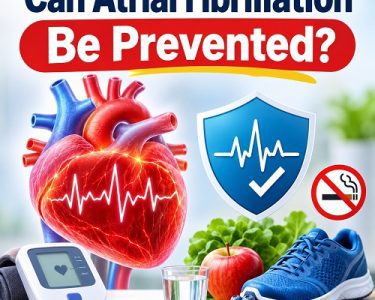
Can Lifestyle Changes Help Prevent Atrial Fibrillation?
Lifestyle changes can help reduce AFib episodes and support better heart health. Although they cannot guarantee that AFib will disappear, they are an important part of long-term management.
Consider the following steps:
- Maintain a healthy body weight.
- Exercise regularly according to medical advice.
- Limit or avoid alcohol.
- Avoid smoking.
- Manage high blood pressure.
- Control blood sugar levels.
- Get adequate sleep.
- Seek evaluation and treatment for sleep apnea.
- Eat a balanced diet rich in vegetables, fruits, whole grains, and lean proteins.
- Avoid excessive caffeine if it consistently triggers symptoms.
Patients should also avoid taking supplements or medications for heart rhythm problems without consulting a healthcare professional.
When Should You Seek Medical Attention?
You should contact a healthcare professional if you experience a new or recurring irregular heartbeat, even if the symptoms disappear after a short time.
Prompt assessment can help identify AFib, determine its cause, and evaluate the risk of complications.
Seek emergency medical attention immediately if you experience:
- Chest pain or pressure.
- Severe shortness of breath.
- Fainting or collapse.
- Sudden weakness or numbness, particularly on one side of the body.
- Sudden difficulty speaking or understanding speech.
- Sudden vision loss or severe unexplained dizziness.
These symptoms may indicate a serious heart problem or stroke. Do not wait for them to disappear.
Frequently Asked Questions (FAQs)
1. Can atrial fibrillation go away on its own without medication?
Yes. Some episodes, particularly paroxysmal AFib, can stop spontaneously without medication or medical procedures. However, spontaneous recovery does not mean the underlying condition has permanently disappeared. Medical evaluation is still important.
2. Can temporary atrial fibrillation come back?
Yes. AFib that develops during an acute illness, after surgery, or because of another temporary trigger can return. Even when the original trigger resolves, some people remain at risk of recurrent episodes.
3. Is intermittent atrial fibrillation dangerous?
Intermittent AFib can still be dangerous because it may increase the risk of blood clots and stroke. The risk depends on individual health factors and should be assessed by a healthcare professional.
4. How long can intermittent atrial fibrillation last?
Episodes can last from a few minutes to several days. Paroxysmal AFib is defined by episodes that terminate within seven days, either spontaneously or with intervention.
5. Can drinking water stop atrial fibrillation?
Drinking water may help if dehydration is contributing to an episode, but it is not a proven treatment for AFib. It cannot reliably restore normal heart rhythm. Anyone experiencing a new or sustained irregular heartbeat should seek medical advice.
6. Does atrial fibrillation mean I will have a stroke?
No. Having AFib does not mean that a stroke is inevitable. However, AFib increases stroke risk in some individuals. Doctors assess personal risk factors and may recommend anticoagulants to reduce the likelihood of blood clots.
7. Can atrial fibrillation disappear after lifestyle changes?
Lifestyle changes can reduce AFib episodes and improve heart health. Weight management, controlling blood pressure, treating sleep apnea, and limiting alcohol may be beneficial. However, lifestyle changes do not guarantee permanent elimination of AFib.
Conclusion
So, can atrial fibrillation go away on its own? Yes, some episodes can stop spontaneously, especially in people with paroxysmal or intermittent atrial fibrillation. Temporary AFib associated with infections, surgery, dehydration, or other triggers may also resolve when the underlying problem improves.
However, an episode stopping does not necessarily mean that atrial fibrillation has been permanently cured. The condition can return, sometimes without noticeable symptoms, and may increase the risk of serious complications such as stroke.
If you experience an irregular heartbeat, consult a healthcare professional for an accurate diagnosis and appropriate follow-up. Depending on your individual circumstances, treatment may include lifestyle changes, medications, cardioversion, or catheter ablation.
The most important thing is not to ignore AFib simply because your heartbeat has returned to normal. Early diagnosis, regular monitoring, and appropriate stroke prevention can help protect your long-term heart health.
Medical disclaimer
This article is intended for educational purposes only and should not replace professional medical advice, diagnosis, or treatment. Always consult a qualified healthcare professional about symptoms or concerns related to atrial fibrillation.
Medical references and authoritative sources
For medical accuracy and Google’s healthcare content quality standards (YMYL), I recommend referencing these reputable sources.
- American College of Cardiology (ACC) and American Heart Association (AHA)
2023 ACC/AHA/ACCP/HRS Guideline for the Diagnosis and Management of Atrial Fibrillation.
Read the full clinical guideline.
- American Heart Association
2023 Guideline: Top Things to Know About Atrial Fibrillation.
Read the AHA guideline summary.
- NHS (National Health Service)
Atrial Fibrillation.
- American Heart Association – Scientific Statement
Atrial Fibrillation Occurring During Acute Hospitalization (2023).
Read the scientific statement.
- American College of Cardiology
2023 Guideline for Diagnosis and Management of Atrial Fibrillation: Key Perspectives.