 By
Atrial fibrillation (AFib) is one of the most common types of irregular heart rhythm. It occurs when the heart’s upper chambers, known as the atria, beat irregularly and often rapidly. This can interfere with the heart’s ability to move blood efficiently and increase the risk of blood clots, stroke, and other cardiovascular complications. Some people experience noticeable symptoms, while others have atrial fibrillation without realizing it.
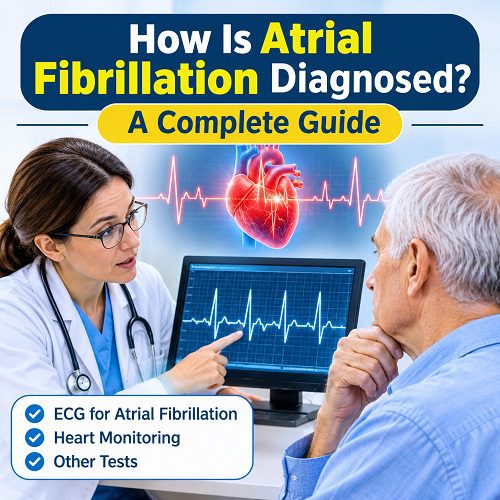
Understanding atrial fibrillation diagnosis is important because early detection helps healthcare professionals assess stroke risk, identify possible underlying conditions, and develop an appropriate treatment plan. Doctors use several methods to diagnose AFib, including a medical history, physical examination, electrocardiogram (ECG or EKG), heart rhythm monitoring, and additional tests when necessary. How atrial fibrillation is diagnosed, which tests doctors may recommend, what the results mean, and when to seek medical attention.
What Is Atrial Fibrillation?
Atrial fibrillation is an abnormal heart rhythm, or arrhythmia, caused by disorganized electrical signals in the atria. Instead of contracting in a coordinated way, the atria quiver or contract irregularly. As a result, the heartbeat may become irregular and sometimes unusually fast.
A normal resting adult heart rate is generally between 60 and 100 beats per minute. With AFib, the ventricular heart rate may be higher, lower, or within the normal range, depending on the circumstances and any medications being used.
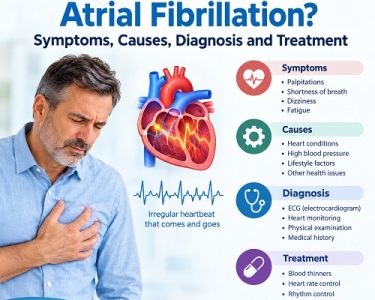
Common Atrial Fibrillation symptoms include:
- A racing, fluttering, or pounding heartbeat
- An irregular pulse
- Shortness of breath
- Fatigue or weakness
- Dizziness or lightheadedness
- Reduced ability to exercise
- Chest discomfort
Some individuals have no noticeable symptoms. In these cases, AFib may be discovered during a routine health examination, before surgery, or while being tested for another medical condition.
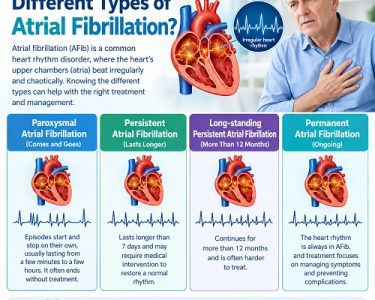
Atrial fibrillation can occur intermittently, persist for extended periods, or remain continuous. Because the rhythm can come and go, a single normal heartbeat recording does not always rule out the condition.
Why Is Atrial Fibrillation Diagnosis Important?
An accurate diagnosis helps doctors confirm the abnormal rhythm and determine its possible causes and consequences. AFib is associated with an increased risk of ischemic stroke because blood can pool in the atria, allowing clots to form and potentially travel to the brain.
Diagnosis also helps doctors determine whether a patient needs medication to control heart rate or rhythm, treatment to reduce stroke risk, or a procedure such as catheter ablation.
Several conditions can cause similar Atrial Fibrillation symptoms, including other arrhythmias, anxiety, thyroid disorders, anemia, and certain medication effects. Therefore, symptoms alone cannot establish a reliable diagnosis.
A healthcare professional generally confirms AFib by identifying the characteristic heart rhythm on an ECG or another suitable electrocardiographic recording.
1. Medical History and Physical Examination
The first step in atrial fibrillation diagnosis is usually a detailed medical history and physical examination. A doctor asks questions about symptoms, their frequency, possible triggers, and any existing health conditions that could affect the heart.
Medical history
Your healthcare professional may ask:
- When did you first notice an irregular heartbeat?
- Do you experience palpitations, dizziness, or shortness of breath?
- Do your symptoms occur during exercise, rest, or sleep?
- Have you ever experienced fainting or chest discomfort?
- Do you have high blood pressure, diabetes, heart disease, or thyroid problems?
- Do you take prescription medicines, over-the-counter drugs, or supplements?
- Is there a family history of heart rhythm disorders?
These questions help identify possible causes and determine which diagnostic tests are appropriate.
Physical examination
During the examination, the doctor may check your pulse, blood pressure, breathing, and heart sounds. An irregular pulse can raise suspicion of AFib, although other conditions can also cause an irregular heartbeat.
The doctor may also look for signs of heart failure, such as swelling in the legs or fluid accumulation, depending on your symptoms.
A physical examination can suggest atrial fibrillation, but an irregular pulse alone does not confirm the diagnosis. An ECG or another appropriate heart rhythm recording is generally needed.
2. Electrocardiogram (ECG or EKG)
An electrocardiogram is the primary test used to identify atrial fibrillation. It records the electrical signals that control the heartbeat and displays them as a tracing.
An ECG for Atrial Fibrillation can help doctors determine whether the heart is beating regularly or showing the characteristic electrical pattern of AFib.
How does an ECG work?
During a standard 12-lead ECG, a healthcare professional attaches small adhesive electrodes to the chest, arms, and legs. These electrodes detect electrical activity generated by the heart.
The procedure is painless, does not send electricity into the body, and usually takes only a few minutes. You may be asked to lie still and breathe normally while the recording is made.
What does atrial fibrillation look like on an ECG?
Doctors look for several characteristic features, including:
- An irregularly irregular ventricular rhythm.
- The absence of consistent, normal P waves.
- Disorganized electrical activity in the atria.
- Variation in the intervals between ventricular beats.
The heart rate may be rapid, but it is not always fast. Some people with AFib have a relatively controlled ventricular rate, particularly when they take medication.
An ECG also helps clinicians identify other rhythm disturbances and electrical abnormalities that may influence treatment decisions.
Can an ECG always detect AFib?
No. A standard ECG records the heart’s electrical activity during a short period. If atrial fibrillation occurs only occasionally, the heart rhythm may be normal when the test is performed.
For example, a person might experience palpitations several times a week but have a normal ECG during a doctor’s appointment. In that situation, longer-term monitoring may be necessary.
An ECG remains a key part of diagnosis because it provides an electrical recording that a trained healthcare professional can interpret.
3. Holter Monitor
A Holter monitor is a portable device that continuously records the heart’s electrical activity, commonly for 24 to 48 hours. Some monitoring arrangements last longer, depending on the device and clinical circumstances.
Doctors may recommend a Holter monitor when symptoms occur frequently but are not captured by a standard ECG.
How is a Holter monitor used?
Small electrodes are attached to the chest and connected to a portable recording device. You typically continue your usual daily activities while wearing it.
You may be asked to record the time of any symptoms, such as palpitations, dizziness, or breathlessness. This helps the doctor compare your symptoms with the recorded heart rhythm.
What can a Holter monitor detect?
A Holter monitor may identify:
- Brief episodes of atrial fibrillation.
- Changes in heart rate throughout the day.
- Other abnormal heart rhythms.
- Possible relationships between symptoms and irregular heartbeats.
The monitor is particularly useful when symptoms occur daily or every couple of days. However, if episodes happen less frequently, a longer monitoring period may be more effective.
A normal Holter result does not necessarily exclude intermittent AFib if no episode occurs during the recording period.
4. Event Monitor and Extended Heart Rhythm Monitoring
Some people experience atrial fibrillation only occasionally. For these individuals, a longer monitoring period may be more useful than a 24-hour recording.
An event monitor or extended ECG patch can record heart rhythm over several days or weeks, depending on the device.
Event monitors
An event monitor may continuously monitor rhythm, save selected episodes, or allow the user to activate a recording when symptoms occur. Some devices automatically capture abnormal rhythms.
These monitors are useful when palpitations happen less frequently than once a day.
Extended ECG patches
An adhesive ECG patch is worn on the chest for a prescribed period. It records electrical activity while the person continues normal daily routines.
Extended monitoring increases the opportunity to detect brief or intermittent episodes of AFib.
Implantable cardiac monitors
In selected cases, a doctor may recommend an implantable cardiac monitor. This small device is placed beneath the skin and can monitor heart rhythm over a much longer period, sometimes for several years.
It may be considered when suspected intermittent AFib remains difficult to detect, particularly in certain patients who have experienced an unexplained stroke or another event that raises concern about an undetected arrhythmia.
The choice of monitoring device depends on symptom frequency, medical history, and the reason for testing.
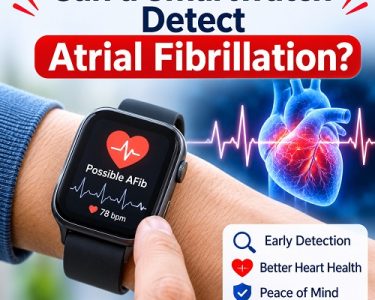
5. Smartwatches and Wearable Heart Monitors
Smartwatches and other wearable devices have made it easier for people to notice possible heart rhythm abnormalities.
Some devices estimate pulse irregularity using optical sensors. Others can record a single-lead ECG when the wearer touches a sensor.
These technologies may alert users to a rhythm that needs further investigation.
Can a smartwatch diagnose atrial fibrillation?
A smartwatch can provide useful information, but an alert is not the same as a confirmed diagnosis.
Optical pulse sensors detect changes in blood flow rather than directly recording the heart’s electrical activity. Movement, poor sensor contact, and other rhythm disturbances can affect the results.
A wearable device that records an ECG provides a more direct electrical tracing, but the recording still needs appropriate clinical interpretation.
If your smartwatch reports an irregular rhythm, save the available recording and discuss it with a healthcare professional. Do not ignore concerning symptoms simply because a wearable device reports a normal result.
Current professional guidelines emphasize that the initial diagnosis should be based on clinician interpretation of electrocardiographic signals, rather than an automated alert alone.
6. Blood Tests for Atrial Fibrillation
Blood tests do not directly confirm atrial fibrillation. However, they help doctors identify medical conditions that may contribute to the abnormal rhythm or influence treatment.
Depending on your health history, the doctor may request several tests.
Thyroid function tests
An overactive thyroid gland, known as hyperthyroidism, can contribute to a rapid or irregular heartbeat. Thyroid blood tests help determine whether thyroid hormone abnormalities could be involved.
Complete blood count
A complete blood count (CBC) measures red blood cells, white blood cells, and platelets. It can help identify anemia or other abnormalities that may contribute to symptoms or affect clinical management.
Electrolyte and kidney function tests
Blood tests may measure electrolytes such as potassium and sodium, as well as kidney function. Electrolyte disturbances can affect heart rhythm, while kidney function is important when clinicians select and dose certain medications.
Other blood tests
Additional tests may be ordered when symptoms or medical history suggest a specific problem. For example, testing for other metabolic conditions may be appropriate in selected patients.
Not everyone needs every possible blood test. The doctor chooses investigations according to the individual’s symptoms, medical history, and initial findings.
7. Echocardiogram
An echocardiogram is an ultrasound examination that creates images of the heart. It does not usually diagnose AFib directly because it shows the heart’s structure and movement rather than providing the primary electrical recording used to confirm the rhythm.
However, it is an important part of the evaluation after a new diagnosis.
What does an echocardiogram show?
The test can help doctors assess:
- The size of the heart’s chambers.
- The pumping function of the heart.
- The structure and function of the heart valves.
- The movement of blood through the heart.
- Certain structural abnormalities that may contribute to arrhythmia.
A transthoracic echocardiogram is performed by moving an ultrasound probe over the chest. It is generally painless and does not involve radiation.
Why is this test important?
Structural heart disease, valve disorders, and changes in the size or function of the heart can affect treatment decisions.
For example, the findings may influence which rhythm-control medications are suitable and whether further cardiac evaluation is needed.
An echocardiogram complements an ECG; it does not replace it when confirming atrial fibrillation.
8. Transesophageal Echocardiogram
A transesophageal echocardiogram (TEE) is a specialized ultrasound examination that produces detailed images of the heart from the esophagus, which lies close to the heart.
Unlike a standard echocardiogram, this procedure involves passing a flexible ultrasound probe into the esophagus, usually with sedation and appropriate monitoring.
When is a TEE recommended?
A TEE may be used when a doctor needs to assess for blood clots in the heart, particularly in the left atrial appendage.
This can be important when a person with atrial fibrillation is being considered for cardioversion, a procedure that attempts to restore a normal heart rhythm.
If a clot is suspected or identified, the timing and safety of cardioversion may change. Doctors will determine the appropriate strategy based on the clinical situation and anticoagulation status.
A TEE is not required for every patient with AFib. It is reserved for situations where detailed imaging of the heart is needed.
9. Exercise Stress Testing
An exercise stress test evaluates how the heart responds to physical activity. During the test, ECG, heart rate, and blood pressure are monitored while the patient walks on a treadmill or uses a stationary bicycle.
Doctors may consider this test when symptoms occur during exertion or when they need to investigate a separate concern, such as possible exercise-related cardiac symptoms.
Stress testing can help assess heart rate responses and identify certain exercise-related abnormalities. However, it is not routinely necessary for every person suspected of having atrial fibrillation.
If the main concern is intermittent AFib, ambulatory ECG monitoring may be more appropriate.
The choice of testing depends on the symptoms and the specific clinical question the doctor is trying to answer.
10. How Do Doctors Interpret Atrial Fibrillation Test Results?
Doctors consider the results of several investigations alongside symptoms and medical history.
An ECG or suitable ECG recording can establish whether AFib is present. Additional tests help assess its possible causes, the condition of the heart, and the risks associated with the arrhythmia.
Following diagnosis, the clinician may determine:
- Whether AFib occurs intermittently or persists.
- Whether the ventricular heart rate is too fast.
- Whether structural heart disease is present.
- Whether thyroid or electrolyte abnormalities need attention.
- Whether the patient has risk factors for stroke or bleeding.
- Whether medication or a procedure should be considered.
Stroke-risk assessment is particularly important. Clinicians use validated risk-assessment approaches, together with individual circumstances, to determine whether anticoagulant medication is appropriate.
Not everyone with AFib needs the same treatment. The decision depends on stroke risk, bleeding risk, other medical conditions, symptoms, and patient preferences.
A normal result from one test should also be interpreted carefully. For example, a normal ECG between episodes cannot reliably exclude paroxysmal AFib.
11. When Should You Seek Medical Attention?
Arrange a medical assessment if you repeatedly experience an irregular heartbeat, unexplained palpitations, unusual fatigue, dizziness, or shortness of breath. Early assessment can help determine whether AFib or another condition is responsible.
Seek emergency medical attention if you experience chest pain, severe breathing difficulty, fainting, or symptoms that could indicate a stroke.
Stroke warning signs include sudden facial drooping, weakness or numbness on one side of the body, difficulty speaking, sudden vision changes, or a sudden severe loss of coordination.
Do not delay emergency care while trying to record your heartbeat with a smartwatch or another home device.
People who have already been diagnosed with AFib should follow their prescribed treatment plan and attend recommended follow-up appointments. Do not start, stop, or change heart medicines or blood thinners without medical advice.
Natural Treatment for Atrial Fibrillation
Natural Remedies for Atrial Fibrillation may help support heart health and reduce certain triggers associated with atrial fibrillation (AFib). This condition causes an irregular heartbeat and may increase the risk of stroke and other heart complications. Although natural approaches can complement medical care, they should never replace prescribed treatment.
One important step is adopting a heart-healthy diet. Eating fruits, vegetables, whole grains, lean proteins, and foods rich in healthy fats may support cardiovascular health. Limiting excess salt and avoiding excessive alcohol and caffeine, especially if they trigger symptoms, may also help manage AFib.
Regular physical activity, such as walking, swimming, or gentle cycling, can improve overall heart health. However, exercise intensity should be discussed with a healthcare professional, particularly for people experiencing frequent symptoms.
Stress management is another useful strategy. Deep breathing, meditation, adequate sleep, and relaxation techniques may help reduce stress-related palpitations. Maintaining a healthy weight and managing conditions such as high blood pressure and sleep apnea are also important.
Before trying herbal supplements or natural products, consult your healthcare provider because some may interact with heart medications or increase bleeding risks.
Conclusion
Atrial fibrillation diagnosis involves identifying the abnormal heart rhythm and evaluating the factors that may contribute to it. A medical history, physical examination, and ECG are central to the diagnostic process. Holter monitors, extended ECG patches, event recorders, and selected implantable monitors can help detect episodes that do not occur during a standard ECG.
Blood tests and echocardiography provide additional information about possible underlying conditions and the structure and function of the heart. Specialized tests, such as transesophageal echocardiography, may be appropriate in particular situations.
Although smartwatches can alert users to possible irregular rhythms, clinical confirmation remains important. If you experience symptoms associated with AFib, seek medical evaluation rather than relying on symptoms or a wearable device alone.
Early and accurate diagnosis helps healthcare professionals develop an individualized plan to manage symptoms, address contributing conditions, and reduce the risk of serious complications.
Medical disclaimer:
This article is for educational purposes only and does not replace professional medical advice, diagnosis, or treatment. Anyone with suspected atrial fibrillation should consult a qualified healthcare professional. Seek emergency care for possible stroke symptoms, severe breathing difficulty, chest pain, or fainting.
Medical References
The following authoritative sources support the diagnostic information in this article.
- American Heart Association (AHA). How Is AFib Diagnosed? Explains ECG testing, medical evaluation, and wearable monitoring.
Read the AHA diagnostic guide. - Joglar JA, et al. 2023 ACC/AHA/ACCP/HRS Guideline for the Diagnosis and Management of Atrial Fibrillation. Published in Circulation in 2024. Covers initial clinical evaluation, ECG confirmation, rhythm monitoring, laboratory testing, and echocardiography.
Read the full clinical guideline. - National Institute for Health and Care Excellence (NICE). Atrial fibrillation: diagnosis and management (NG196). Includes recommendations for pulse assessment, ECG confirmation, and ambulatory monitoring.
Read the NICE recommendations. - European Society of Cardiology (ESC). 2024 ESC Guidelines for the management of atrial fibrillation developed in collaboration with EACTS. Discusses ECG documentation and diagnostic approaches for suspected AFib.
Read the ESC guidelines.