 By
Have you ever felt your heart suddenly racing, fluttering or beating in an unusual rhythm? These sensations can be unsettling, particularly when they happen without an obvious reason. One possible cause is atrial fibrillation, commonly known as Atrial Fibrillation, a heart rhythm disorder that affects how the heart beats.
If you are wondering what does Atrial Fibrillation feel like, the experience can vary from person to person. Some people notice a rapid, irregular heartbeat, while others experience breathlessness, dizziness, weakness or unusual tiredness. Some people have no noticeable symptoms and discover they have Atrial Fibrillation during a routine medical examination.
Recognising Atrial Fibrillation episode symptoms is important because this condition can increase the risk of blood clots, stroke and heart failure. Although palpitations do not always indicate a serious problem, new or unexplained symptoms deserve medical attention. What an Atrial Fibrillation episode may feel like, how long it can last, what may trigger it, and when to seek urgent medical help.
What Is Atrial Fibrillation (AFib)?
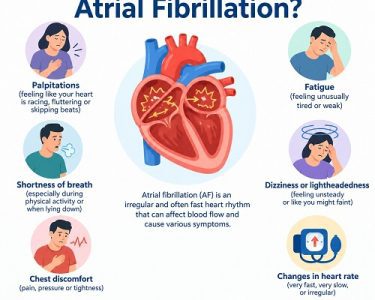
What Is Atrial Fibrillation (AFib)? Atrial fibrillation is a type of arrhythmia, which means an abnormal heart rhythm. During a normal heartbeat, electrical signals coordinate the contractions of the heart’s chambers. These contractions help move blood through the heart and around the body.
With AFib, abnormal electrical signals cause the upper chambers, called the atria, to quiver rather than contract in a coordinated way. This creates an irregular heart rhythm and may also cause the heart to beat faster than usual.
The resulting changes can affect how efficiently the heart pumps blood. They can also allow blood to collect in parts of the heart, increasing the possibility of clot formation.
AFib may occur occasionally, continue for an extended period or become a long-term condition. Its effects depend on the person’s overall health, heart function and other medical conditions.
According to the American Heart Association, some people experience noticeable palpitations and fatigue, whereas others have no obvious symptoms. An absence of symptoms does not mean the condition carries no risk.
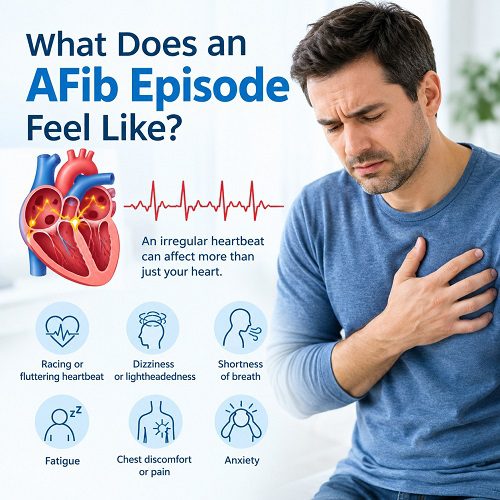
What Does AFib Feel Like During an Episode?
The most recognisable sensation associated with AFib is an unusual heartbeat. However, there is no single feeling that everyone experiences.
An episode may begin suddenly, with a racing or fluttering sensation in the chest. You might notice it while resting, working, walking or trying to sleep. Other people become aware of symptoms only when everyday activities start to feel more tiring than usual.
Here are some of the common sensations associated with AFib.
1. A Racing or Pounding Heartbeat
One of the most common symptoms is a heart that feels as though it is beating too quickly or pounding harder than usual.
You may become aware of every heartbeat, even when sitting quietly. Your chest might feel as though your heart is working unusually hard despite the absence of physical exertion.
Some people describe the sensation as a rapid drumbeat, while others feel a strong thumping in their chest or neck.
A fast heartbeat can have several causes, including exercise, fever, anxiety and other heart rhythm disorders. Therefore, this sensation alone cannot confirm AFib.
2. An Irregular Heartbeat Feeling
An irregular heartbeat feeling is another common way people describe an AFib episode.
Instead of a steady, predictable rhythm, your heartbeat may seem uneven, disorganised or constantly changing. You might notice a series of quick beats followed by a different rhythm.
Some people describe this sensation as:
- Fluttering or quivering inside the chest.
- A heartbeat that seems to skip or stumble.
- Unpredictable changes in the rhythm.
- A pounding sensation that comes and goes.
These sensations are often described as palpitations. They can occur with AFib, but other conditions can cause similar feelings.
If you experience repeated or unexplained palpitations, arrange a medical assessment rather than assuming they are harmless.
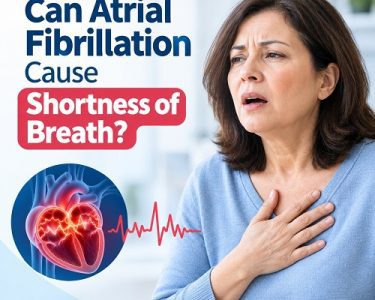
3. Shortness of Breath
During an AFib episode, you may feel unable to take a satisfying breath or find that ordinary activities leave you more breathless than usual.
For example, climbing stairs or walking a short distance might suddenly feel more demanding. Some people also notice breathlessness while resting or lying down.
This can happen when the irregular rhythm affects how efficiently the heart circulates blood. However, breathing difficulties may also indicate other heart or lung conditions.
Sudden or severe shortness of breath requires urgent medical attention, especially when accompanied by chest discomfort, faintness or a rapid heartbeat.
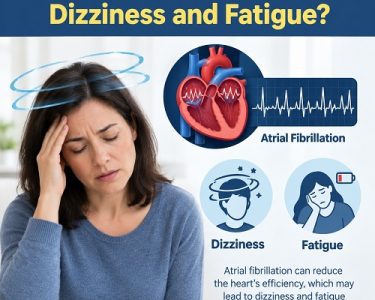
4. Dizziness or Lightheadedness
Some people experience dizziness, lightheadedness or a feeling that they might faint during an episode.
You may feel unsteady when standing, walking or moving around. Your head might feel unusually light, or you may need to sit down because you feel close to losing consciousness.
These Atrial Fibrillation symptoms can occur when the heart rhythm affects circulation. They can also result from low blood pressure, dehydration, medication effects and other conditions.
If dizziness develops alongside a new irregular heartbeat, seek prompt medical advice. Severe dizziness, fainting or collapse should be treated as an emergency.
5. Unusual Tiredness and Weakness
AFib does not always produce dramatic palpitations. Sometimes, the main symptom is persistent fatigue.
You may wake up feeling tired despite getting enough sleep, struggle to complete familiar tasks or find that your usual exercise routine feels more difficult.
The tiredness may develop during an episode or remain noticeable afterwards. People with AFib can also experience fatigue between episodes, depending on their condition and other health problems.
Unexplained fatigue has many possible causes, including anaemia, thyroid disorders, poor sleep and other medical conditions. A healthcare professional can help determine whether an irregular heart rhythm is responsible.
6. Anxiety, Sweating or a Sense of Unease
An unexpected change in your heartbeat can be frightening. You might feel anxious, unsettled or unusually aware of your breathing and pulse.
Some people also notice sweating, particularly when their heart is racing or they feel dizzy.
Anxiety can make palpitations feel more distressing, but it is important not to assume that anxiety is the original cause. AFib and anxiety can occur together, and physical symptoms need appropriate assessment.
If sweating occurs with chest pressure, breathlessness, nausea or faintness, seek emergency care rather than attributing the symptoms to stress.
7. Chest Discomfort
AFib may cause chest discomfort in some people. However, chest pain or pressure can also indicate a heart attack or another serious condition.
Do not assume that chest pain is simply part of an AFib episode, even if you have previously been diagnosed with the condition.
If you experience chest pain or pressure, particularly with breathlessness, sweating, nausea or weakness, contact your local emergency service immediately.
The NHS guidance on atrial fibrillation provides further information about symptoms and when emergency care is needed.
What Are the Most Common AFib Episode Symptoms?
The symptoms of AFib can differ in intensity and duration. Some people notice only a few palpitations, while others experience several symptoms together.
Common AFib episode symptoms include:
- A rapid or irregular heartbeat.
- Fluttering, pounding or quivering in the chest.
- Shortness of breath.
- Dizziness or lightheadedness.
- Fatigue or reduced stamina.
- Weakness or a feeling of being faint.
- Sweating or anxiety.
- Chest discomfort.
Not everyone experiences these symptoms. Some people have silent AFib, meaning the abnormal rhythm occurs without noticeable warning signs.
This is one reason medical assessment matters. Symptoms alone cannot establish whether you have AFib, and a person may have the condition without feeling an irregular heartbeat.
How Long Does an AFib Episode Last?
The duration of an episode depends on the type of AFib and the individual person’s condition.
An episode may last a few minutes, several hours or longer. In some cases, the heart returns to its usual rhythm without treatment. In other cases, the abnormal rhythm continues and requires medical management.
AFib is commonly described using the following patterns:
Paroxysmal AFib: Episodes start and stop, usually ending within seven days. They may stop on their own or after treatment.
Persistent AFib: The abnormal rhythm continues for more than seven days and generally requires treatment to restore or manage the heart rhythm.
Long-standing persistent AFib: The abnormal rhythm continues for more than 12 months.
Permanent AFib: The person and their healthcare professional have agreed to accept the ongoing rhythm and focus on appropriate long-term management rather than further attempts to restore normal rhythm.
These categories describe patterns of the condition, not how severe an episode feels. A short episode can still require urgent assessment, particularly if it causes significant symptoms.
If you suspect that you are experiencing AFib for the first time, do not wait for the episode to end before seeking medical advice. Seek emergency help if warning signs develop.
What Can Trigger an AFib Episode?
AFib can occur without an obvious trigger, but certain factors may contribute to episodes in susceptible people.
Potential triggers and associated risk factors include:
- Alcohol: Alcohol consumption can trigger episodes in some people.
- Poor sleep: Sleep deprivation may contribute to changes in heart rhythm.
- Sleep apnoea: Repeated interruptions to breathing during sleep are associated with AFib.
- Physical or emotional stress: Stress may contribute to palpitations or trigger symptoms in some individuals.
- Dehydration: Dehydration can affect circulation and electrolyte balance.
- Stimulants: Caffeine affects people differently, while certain medicines and other stimulants can contribute to palpitations or rhythm problems.
- Underlying medical conditions: High blood pressure, heart disease, thyroid disorders and diabetes are among the conditions associated with AFib.
- Illness: Fever and acute illness can increase the strain on the body and may contribute to an episode.
A suspected trigger is not necessarily the cause of an episode. Avoid making major changes to prescribed medication or stopping treatment without speaking to your healthcare professional.
Keeping a symptom diary can help you identify patterns and discuss them with your clinician.
How Can You Tell Whether Your Symptoms Are AFib?
It is not possible to diagnose AFib reliably from the way your heartbeat feels.
Palpitations may result from AFib, premature heartbeats, other arrhythmias, anxiety, thyroid problems, anaemia or medication effects. Some people with AFib also have no palpitations at all.
A healthcare professional may assess your symptoms, medical history, pulse and blood pressure. The main test used to identify AFib is an electrocardiogram (ECG or EKG), which records the electrical activity of the heart.
If episodes come and go, a single ECG may not capture the abnormal rhythm. Your clinician may recommend a portable heart monitor, a longer period of rhythm monitoring or other investigations.
A smartwatch or home device may detect an irregular pulse in some circumstances, but its results are not a substitute for medical assessment. Do not rely on a consumer device to rule out AFib or another serious condition.
If you have recurring palpitations or unexplained dizziness, arrange an assessment even if you feel well by the time you see a healthcare professional.
What Should You Do During an AFib Episode?
If you have already been diagnosed with AFib and notice symptoms, follow the management plan provided by your healthcare professional.
If an episode occurs, consider these steps when your symptoms are mild and you are otherwise stable:
- Stop what you are doing. Sit down somewhere safe if you feel dizzy, weak or unusually breathless.
- Note the time. Record when the symptoms started and whether they stop or continue.
- Observe your symptoms. Note whether your heartbeat feels rapid, irregular or unusually forceful and whether you experience breathlessness or dizziness.
- Follow your prescribed treatment plan. Take medicines only as directed. Do not take extra doses or change your medication without medical advice.
- Contact your healthcare professional. Seek advice about new, recurring, worsening or prolonged symptoms.
Do not attempt to treat a suspected AFib episode with unproven home remedies or by taking someone else’s medication.
If you experience chest pain, severe shortness of breath, fainting or signs of a stroke, seek emergency medical assistance immediately. Do not delay care while recording your symptoms or checking a wearable device.
When Is an AFib Episode an Emergency?
Although AFib can sometimes cause mild symptoms, certain warning signs require immediate attention.
Seek emergency medical help
Call your local emergency number if you experience any of the following:
- Chest pain, tightness or pressure.
- Severe or sudden difficulty breathing.
- Fainting, collapse or severe dizziness.
- Sudden weakness or numbness on one side of the body.
- Facial drooping or difficulty speaking.
- Sudden confusion or loss of vision.
- A severe, sudden headache, particularly with other neurological symptoms.
Stroke symptoms require emergency care even if they disappear after a few minutes. Do not drive yourself to the hospital.
AFib increases the risk of stroke because blood can collect in the heart and form clots. A clot may travel to the brain and block blood flow. Appropriate treatment can reduce this risk, which is why diagnosis and ongoing medical care are important.
If you are experiencing a new, fast or irregular heartbeat without emergency warning signs, contact a healthcare professional promptly for advice.
Can AFib Episodes Happen at Night?
Yes. AFib episodes can occur during the day or night, including while you are resting or asleep.
Some people become aware of palpitations when lying quietly in bed because there are fewer distractions. Others wake up with a racing heartbeat, breathlessness or an unusual sense of unease.
However, nighttime palpitations do not automatically mean you have AFib. Anxiety, sleep apnoea, premature heartbeats and other conditions may cause similar symptoms.
If you repeatedly wake up with a racing or irregular heartbeat, discuss the episodes with your healthcare professional. They may recommend heart rhythm monitoring or an assessment for sleep-related breathing problems.
Do not dismiss repeated nighttime symptoms simply because they disappear by morning.
Can AFib Episodes Stop on Their Own?
Some AFib episodes stop spontaneously, allowing the heart to return to its normal rhythm. This pattern is associated with paroxysmal AFib.
However, an episode stopping does not mean the underlying condition has disappeared or that the risk of stroke has been eliminated.
AFib may recur unpredictably, and some people eventually develop episodes that last longer. Others continue to experience occasional episodes over many years.
Your healthcare professional may recommend treatment to control your heart rate, restore or maintain a normal rhythm, and reduce the risk of blood clots and stroke. The appropriate approach depends on your symptoms, medical history and individual risk factors.
Do not stop prescribed medication because your heartbeat feels normal again. Continue following your treatment plan unless your clinician advises otherwise.
How Is AFib Treated?
Treatment aims to manage symptoms, reduce complications and improve quality of life.
Depending on your circumstances, your healthcare professional may recommend one or more of the following approaches.
Heart Rate Control
Medicines may help slow the heart rate and reduce symptoms associated with a rapid heartbeat. The choice of medicine depends on your heart function, blood pressure and other medical conditions.
Heart Rhythm Control
Some people benefit from treatment designed to restore a normal heart rhythm. This may involve medication, electrical cardioversion or a procedure known as catheter ablation.
Not everyone needs the same treatment, and the benefits and risks should be discussed with a qualified clinician.
Stroke Prevention
Your clinician will assess your risk of stroke and determine whether anticoagulant medication is appropriate. These medicines reduce the likelihood of harmful blood clots but also carry a risk of bleeding.
A person should never start or stop an anticoagulant without medical guidance.
Lifestyle and Underlying Conditions
Managing high blood pressure, addressing sleep apnoea, limiting alcohol, avoiding smoking and maintaining appropriate physical activity may form part of a broader treatment plan.
Lifestyle measures can support heart health, but they do not replace necessary medical treatment for AFib.
Natural Treatment for Atrial Fibrillation
Natural Remedies for Atrial Fibrillation may help support heart health and improve overall well-being when combined with appropriate medical care. Atrial fibrillation (AFib) is an irregular heart rhythm that can increase the risk of blood clots, stroke and other complications. Natural approaches cannot cure AFib or replace prescribed treatment, but certain lifestyle changes may help manage risk factors.
Natural Remedies for Atrial Fibrillation
- Follow a Heart-Healthy Diet
Eat vegetables, fruits, whole grains, legumes, nuts and fish. Limit highly processed foods, excessive salt and foods high in saturated fat to support cardiovascular health.
- Maintain a Healthy Weight
Gradual weight loss, when appropriate, may help reduce AFib episodes, particularly in people who are overweight. Seek professional guidance to develop a suitable plan.
- Exercise Regularly
Moderate physical activity, such as walking, can support heart health. Ask your healthcare professional which activities and intensity levels are safe for you.
- Manage Stress and Sleep
Practise relaxation techniques, maintain a regular sleep schedule and seek assessment for possible sleep apnoea. Avoid excessive caffeine and alcohol, as these may trigger symptoms in some people.
How Can You Prepare for Your Next Medical Appointment?
If you suspect you have AFib or have already received a diagnosis, keeping a record of your symptoms can help your healthcare professional understand your experience.
Record the following information when possible:
- When the episode started and ended.
- Whether your heartbeat felt fast, irregular or forceful.
- Whether you experienced breathlessness, dizziness, fatigue or chest discomfort.
- What you were doing when the symptoms began.
- Any possible triggers, such as alcohol, poor sleep or illness.
- Any medicines you take and any recent changes to them.
- Any heart rate readings or ECG recordings available from your devices.
This information may help guide further testing and treatment decisions.
However, never delay emergency care to complete a symptom diary. If you have warning signs of a heart attack or stroke, seek immediate assistance.
Frequently Asked Questions
1. What does AFib feel like for the first time?
A first AFib episode may feel like a sudden racing, fluttering or irregular heartbeat. Some people also experience breathlessness, weakness or dizziness, while others have no noticeable symptoms. Only an appropriate medical assessment can confirm the cause.
2. Can you have AFib without feeling it?
Yes. Some people have silent AFib and do not notice palpitations or other symptoms. The condition may be discovered during a routine check-up or heart rhythm test.
3. Does AFib always make your heart beat fast?
No. AFib causes an irregular rhythm, but the heart rate can vary. Some people have a rapid heartbeat, while others have a less noticeable change in heart rate.
4. Can anxiety feel like AFib?
Yes. Anxiety can cause a racing heartbeat, sweating and dizziness, which may resemble AFib symptoms. AFib can also cause anxiety. It is important not to assume that unexplained palpitations are caused by stress without an appropriate assessment.
5. How do I know if my irregular heartbeat is dangerous?
An irregular heartbeat needs assessment when it is new, recurring or worsening. Seek emergency help if it occurs with chest pain, severe breathlessness, fainting or possible stroke symptoms. The sensation alone cannot determine how serious the cause is.
6. Can AFib happen when resting?
Yes. AFib can occur while sitting, lying down, sleeping or exercising. It does not require physical exertion to begin.
7. Should I go to the hospital if an AFib episode stops?
If this is your first suspected episode, seek prompt medical assessment even if your symptoms stop. If you have a known diagnosis, follow your clinician’s advice and seek urgent care for new or concerning symptoms. Emergency warning signs require immediate assistance even if they improve.
Conclusion
So, what does AFib feel like? For some people, it feels like a racing, fluttering or irregular heartbeat. Others notice breathlessness, dizziness, weakness or unusual fatigue. Some people have no obvious symptoms at all.
Because AFib can increase the risk of stroke and other cardiovascular complications, recognising possible symptoms and obtaining an accurate diagnosis are important. Do not assume that palpitations are harmless or that symptoms disappearing means the condition has resolved.
If you experience repeated or unexplained palpitations, arrange a medical assessment. If your symptoms include chest pain, severe breathlessness, fainting or signs of a stroke, seek emergency care immediately.
With appropriate diagnosis, individualised treatment and regular follow-up, many people with AFib can manage their condition and maintain a good quality of life.
Medical Disclaimer
The information provided in this article, “What Does an AFib Episode Feel Like?”, is intended for educational and informational purposes only. It is not a substitute for professional medical advice, diagnosis or treatment.
Atrial fibrillation (AFib) can cause symptoms such as palpitations, an irregular heartbeat, dizziness, fatigue and shortness of breath. However, these symptoms may also be associated with other medical conditions. Only a qualified healthcare professional can assess your symptoms and determine the appropriate diagnosis and treatment.
Always consult your doctor or another qualified healthcare professional if you experience a new, persistent or recurring irregular heartbeat. Do not start, stop or change any prescribed medication without medical advice.
Seek emergency medical attention immediately if you experience chest pain, severe shortness of breath, fainting or possible stroke symptoms, including sudden facial drooping, weakness on one side of the body or difficulty speaking.
The information in this article should not be used to self-diagnose AFib or replace individualised medical care. The author and publisher accept no responsibility for decisions made solely on the basis of the information provided. Always seek guidance from a qualified healthcare professional regarding your heart health and medical treatment.
Medical References
These established medical sources can support the article’s factual claims and provide further reading for your audience.
- American Heart Association — What Are the Symptoms of Atrial Fibrillation?
Covers palpitations, fatigue, dizziness, breathlessness and stroke warning signs.
- NHS — Atrial Fibrillation
Explains common symptoms, diagnosis, treatment and emergency warning signs.
- NHS inform — Atrial Fibrillation
Provides information about palpitations, the different AFib patterns and when to seek emergency care.
- American Heart Association — Understanding AFib: Symptoms, Treatment and Living Well
Discusses AFib risk factors, diagnosis, treatment and long-term management.
- American Heart Association — Symptoms, Diagnosis and Monitoring of Arrhythmia