 By
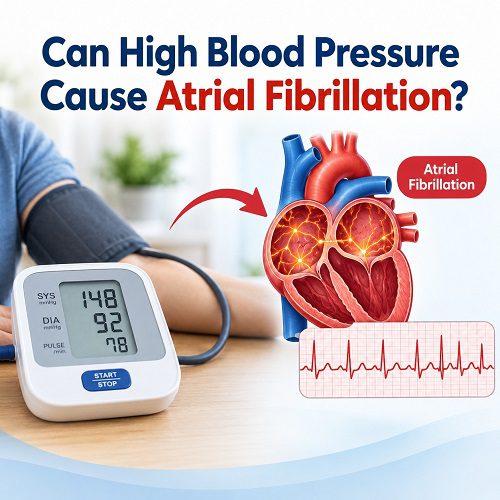
High blood pressure is one of the most important risk factors for several cardiovascular conditions, including heart disease, stroke, and atrial fibrillation (AFib). But can high blood pressure actually cause atrial fibrillation? The answer is yes: long-term high blood pressure can increase the risk of developing atrial fibrillation by changing the structure and electrical function of the heart.
The relationship between high blood pressure and Atrial Fibrillation is important because both conditions can develop without noticeable symptoms. Over time, uncontrolled hypertension can put extra strain on the heart, increasing the likelihood of an irregular heartbeat and potentially serious complications.
The good news is that managing blood pressure, adopting heart-healthy habits, and receiving appropriate medical care can help reduce cardiovascular risks.
In this article, we explain how hypertension contributes to atrial fibrillation, which symptoms to watch for, how doctors diagnose the condition, and what you can do to protect your heart.
What Is Atrial Fibrillation?
Atrial fibrillation, commonly called AFib or AF, is a heart rhythm disorder in which the upper chambers of the heart, known as the atria, beat irregularly and often rapidly.
Under normal circumstances, electrical signals coordinate the heartbeat, allowing blood to move efficiently through the heart and into the body. During atrial fibrillation, these electrical signals become disorganized, causing the atria to quiver rather than contract normally.
This irregular rhythm can interfere with the heart’s ability to move blood efficiently. Blood may collect in parts of the atria, increasing the risk of blood clot formation. If a clot travels to the brain, it can cause a stroke.
Atrial fibrillation may occur in brief episodes or persist for long periods. Some people experience noticeable symptoms, while others have no symptoms at all.
Common Atrial Fibrillation symptoms include:
- A racing, fluttering, or irregular heartbeat
- Shortness of breath
- Fatigue or weakness
- Dizziness or lightheadedness
- Reduced ability to exercise
- Chest discomfort
- A feeling that the heart is skipping beats
Because symptoms vary, an individual may have atrial fibrillation without realizing it. Medical evaluation is important when Atrial Fibrillation symptoms suggest an abnormal heart rhythm.
How Does High Blood Pressure Affect the Heart?
High blood pressure, also called hypertension, occurs when the force of blood against the walls of the arteries remains consistently elevated.
When blood pressure stays high, the heart must work harder to pump blood throughout the body. Over months and years, this additional workload can cause changes in the heart muscle and its surrounding structures.
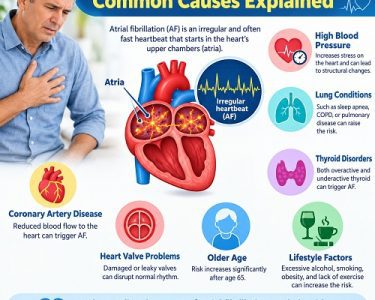
Several changes help explain the connection between hypertension and Atrial Fibrillation.
1. Thickening of the Heart Muscle
The left ventricle is the heart’s main pumping chamber. Persistent high blood pressure makes it work harder to push blood into the arteries.
As a result, the heart muscle may become thicker, a condition known as left ventricular hypertrophy.
A thickened heart muscle can become less flexible, making it harder for the heart to relax and fill with blood. These changes can increase pressure within the heart and contribute to changes in the atria.
2. Enlargement of the Left Atrium
When pressure within the heart remains elevated, the left atrium may experience increased strain.
Over time, the atrium can enlarge. This structural change is significant because an enlarged atrium is more vulnerable to the electrical disturbances associated with atrial fibrillation.
Atrial enlargement can also make it easier for abnormal electrical signals to persist, increasing the likelihood of recurrent episodes.
3. Fibrosis and Electrical Changes
Long-standing hypertension may contribute to fibrosis, which is the development of excess scar-like tissue within the heart.
Fibrosis can disrupt the normal pathways that carry electrical signals through the atria. Instead of traveling in an organized pattern, these signals may circulate abnormally or trigger disorganized electrical activity.
These changes can create an environment in which atrial fibrillation is more likely to develop and become persistent.
4. Increased Pressure Inside the Heart
Hypertension can contribute to impaired relaxation of the heart, sometimes leading to a condition called heart failure with preserved ejection fraction.
When the heart becomes less efficient at filling, pressure may rise in the left atrium. Persistently elevated atrial pressure can promote enlargement and structural remodeling, further increasing the risk of atrial fibrillation.
Together, these changes explain why long-term, uncontrolled high blood pressure can contribute to heart rhythm problems.
Does Everyone With High Blood Pressure Develop Atrial Fibrillation?
No. Having high blood pressure does not mean that you will inevitably develop atrial fibrillation.
Hypertension increases the likelihood of AFib, but the actual risk depends on several factors, including age, overall heart health, family history, and other medical conditions.
Risk factors for atrial fibrillation include:
- Older age: The likelihood of AFib increases as people get older.
- Obesity: Excess body weight can contribute to structural and electrical changes in the heart.
- Diabetes: Diabetes is associated with a higher risk of cardiovascular disease and AFib.
- Sleep apnea: Repeated interruptions in breathing during sleep can affect blood pressure and heart function.
- Excessive alcohol consumption: Heavy drinking and binge drinking can trigger or contribute to atrial fibrillation.
- Existing heart disease: Coronary artery disease, heart failure, and certain valve conditions may increase risk.
- Physical inactivity: A sedentary lifestyle can contribute indirectly through weight gain and other cardiovascular risk factors.
The presence of several risk factors can increase the likelihood of developing AFib. According to professional cardiovascular guidelines, managing hypertension and other modifiable risk factors is an important part of preventing atrial fibrillation and reducing its progression.
What Are the Symptoms of High Blood Pressure and Atrial Fibrillation?
High blood pressure and atrial fibrillation can occur together, but they do not always cause the same symptoms.
Symptoms of High Blood Pressure
High blood pressure is often called a silent condition because many people have no obvious symptoms, even when their readings are significantly elevated.
The only reliable way to identify hypertension is to measure blood pressure.
Very high blood pressure may sometimes be associated with headache, visual disturbances, chest pain, or shortness of breath. However, these symptoms are not specific to hypertension and should not be used to diagnose it.
Symptoms of Atrial Fibrillation
AFib is more likely to cause noticeable changes in the heartbeat, although some people remain symptom-free.
You might notice:
- A pulse that feels irregular
- Sudden episodes of a racing heart
- Unusual tiredness
- Breathlessness during normal activities
- Dizziness or reduced exercise tolerance
If you have hypertension and experience a new irregular heartbeat, arrange a medical assessment promptly. A clinician may recommend an electrocardiogram (ECG) or heart rhythm monitoring.
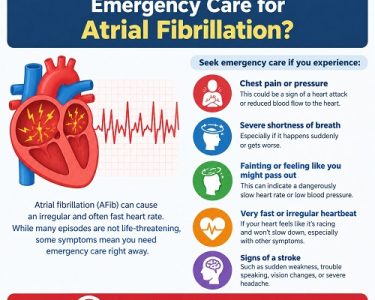
Seek emergency medical care immediately if you experience chest pain, severe shortness of breath, fainting, or signs of a stroke, such as sudden facial drooping, arm weakness, or difficulty speaking. Do not assume these symptoms are caused by blood pressure alone.
Can High Blood Pressure Trigger an AFib Episode?
High blood pressure is generally considered a risk factor that contributes to the development and progression of atrial fibrillation over time. It is not necessarily an immediate trigger for every AFib episode.
In some people, an episode may occur alongside elevated blood pressure. However, a high reading taken during palpitations does not establish that hypertension caused the episode.
Other factors, including alcohol, infection, dehydration, sleep deprivation, thyroid disorders, and certain medications or stimulants, may contribute to episodes of abnormal heart rhythm.
There can also be a two-way relationship between these conditions. Hypertension can promote changes that make AFib more likely, while AFib can affect heart function and cause blood pressure readings to fluctuate.
For this reason, both conditions should be evaluated and managed rather than assuming that treating one will automatically resolve the other.
How Is Atrial Fibrillation Diagnosed?
If your doctor suspects atrial fibrillation, they will assess your symptoms, medical history, blood pressure, pulse, and other cardiovascular risk factors.
Several tests may be recommended.
Electrocardiogram (ECG)
An ECG records the electrical activity of the heart. It is one of the main tests used to confirm atrial fibrillation.
Because AFib can come and go, a normal ECG does not always rule it out.
Holter Monitor or Other Heart Rhythm Monitoring
If symptoms occur intermittently, a clinician may recommend a portable monitor that records your heart rhythm for an extended period.
Longer monitoring may help identify episodes that are not present during a standard ECG.
Echocardiogram
An echocardiogram uses ultrasound to assess the heart’s structure and function. It can help identify enlargement of the atria, abnormalities in heart valves, and other structural changes associated with hypertension and AFib.
Blood Tests
Blood tests may be used to check thyroid function, kidney function, electrolyte levels, and other factors that can contribute to abnormal heart rhythms or affect treatment decisions.
Your doctor may also assess your risk of stroke and other complications if atrial fibrillation is confirmed.
How Can You Reduce the Risk of Atrial Fibrillation?
Although not every case of AFib can be prevented, managing blood pressure and improving cardiovascular health can reduce risk.
1. Keep Your Blood Pressure Under Control
Regularly monitor your blood pressure and follow your clinician’s recommendations for treatment.
For many adults, a reading below 120/80 mmHg is considered normal, while hypertension is generally defined using higher thresholds that depend on the guideline and clinical context. Your personal treatment target may differ according to your health and cardiovascular risk.
If you take blood pressure medication, use it as prescribed. Do not stop, increase, or change your medication without consulting your healthcare professional.
Effective blood pressure control is important even if you feel well.
2. Follow a Heart-Healthy Diet
A balanced diet can support blood pressure control and overall heart health.
Consider the following habits:
- Eat more vegetables and fruits.
- Choose whole grains and high-fiber foods.
- Include appropriate sources of lean protein.
- Reduce excessive salt and sodium intake.
- Limit highly processed foods and foods high in saturated fat.
- Choose unsaturated fats, such as those found in nuts, seeds, and olive oil.
A DASH-style eating pattern is one evidence-based approach to managing high blood pressure.
If you have kidney disease or take medications that affect potassium levels, discuss significant dietary changes with your healthcare professional.
3. Exercise Regularly
Regular physical activity supports healthy blood pressure, weight management, and cardiovascular function.
Many adults can aim for at least 150 minutes of moderate-intensity aerobic activity each week, adjusted to their abilities and medical circumstances.
Walking, cycling, swimming, and other suitable activities can be helpful.
If you already have AFib, significant heart disease, or poorly controlled blood pressure, ask your clinician which types and intensities of exercise are appropriate.
4. Maintain a Healthy Weight
Excess weight can contribute to hypertension, sleep apnea, and structural changes in the heart.
If you are overweight, gradual and sustainable weight loss may help improve blood pressure and reduce AFib burden.
Focus on realistic changes in eating habits, activity, and sleep rather than rapid weight-loss methods.
5. Limit Alcohol and Avoid Smoking
Excessive alcohol consumption can increase the risk of atrial fibrillation and may worsen blood pressure.
Reducing alcohol intake or avoiding it altogether may be beneficial, especially if drinking appears to trigger symptoms. People with AFib should discuss alcohol use with their healthcare professional.
Smoking cessation is also important for cardiovascular health.
6. Address Sleep Apnea and Other Medical Conditions
Sleep apnea, diabetes, thyroid disorders, and kidney disease can affect cardiovascular health.
If you snore heavily, experience pauses in breathing during sleep, or feel excessively sleepy during the day, ask your clinician whether sleep apnea evaluation is appropriate.
Managing associated medical conditions can be an important part of reducing cardiovascular risk.
How Is Atrial Fibrillation Treated When You Have High Blood Pressure?
Treatment depends on the person’s symptoms, heart rate, stroke risk, other medical conditions, and preferences.
When both hypertension and atrial fibrillation are present, treatment typically focuses on controlling blood pressure, managing the heart rhythm or rate, and preventing complications.
Blood Pressure Medication
Doctors may prescribe medications such as ACE inhibitors, angiotensin receptor blockers, calcium channel blockers, or diuretics, depending on the patient’s circumstances.
Some blood pressure medicines can also affect heart rate, but not every medication treats both conditions. The appropriate choice depends on the individual’s medical history and other medications.
Heart Rate or Rhythm Control
For AFib, treatment may include medications to control the heart rate, medicines intended to maintain a normal rhythm, electrical cardioversion, or catheter ablation.
The best option depends on factors such as symptom severity, AFib duration, heart function, and response to previous treatment.
Stroke Prevention
Atrial fibrillation can increase the risk of stroke because blood clots may form in the heart.
Depending on an individual’s stroke risk and bleeding risk, a doctor may recommend an anticoagulant medication to reduce the likelihood of clot formation.
Having high blood pressure is one factor considered in stroke-risk assessment. Not everyone with AFib needs the same treatment, and aspirin is not an equivalent substitute for anticoagulation when anticoagulant therapy is indicated.
Do not begin or stop a blood thinner without medical advice.
Ongoing Monitoring
People with hypertension and AFib may need regular appointments to assess blood pressure, heart rhythm, symptoms, medication effects, and overall cardiovascular health.
Controlling blood pressure remains important even when the heart rhythm has returned to normal.
Natural Treatment for Atrial Fibrillation
Atrial fibrillation (AFib) is a common heart rhythm disorder that causes an irregular or sometimes rapid heartbeat. While medical treatment is essential for many people, certain lifestyle changes and Natural Remedies for Atrial Fibrillation may help support heart health and reduce potential triggers.
Natural Remedies for Atrial Fibrillation
1. Follow a Heart-Healthy Diet
Eat plenty of fruits, vegetables, whole grains, nuts, and lean proteins. Limit excess salt, processed foods, and excessive alcohol consumption to help manage blood pressure and support cardiovascular health.
2. Exercise Regularly
Moderate activities such as walking, swimming, and cycling can improve overall heart health. Consult your healthcare professional before starting a new exercise routine, especially if you have AFib.
3. Manage Stress
Stress may trigger palpitations in some people. Deep breathing, meditation, and gentle yoga can encourage relaxation and improve overall well-being.
4. Prioritize Quality Sleep
Poor sleep and untreated sleep apnea are associated with AFib. Maintain a consistent sleep schedule and seek medical advice if you snore loudly or experience daytime sleepiness.
- Maintain a Healthy Weight
Gradual weight management can help reduce cardiovascular risk factors and may improve AFib outcomes.
Can Lowering Blood Pressure Reverse Atrial Fibrillation?
Lowering high blood pressure can reduce strain on the heart and may help reduce the risk of developing AFib. In people who already have atrial fibrillation, good blood pressure control is associated with better cardiovascular risk management and may help reduce recurrence as part of a broader treatment plan.
However, lowering blood pressure does not guarantee that existing atrial fibrillation will disappear.
Once structural and electrical changes have developed in the heart, additional treatment may be needed to manage the rhythm.
If you have already been diagnosed with AFib, continue following your treatment plan even when your blood pressure readings improve or your symptoms disappear.
Frequently Asked Questions
1. Can high blood pressure cause an irregular heartbeat?
Yes. Long-term hypertension can cause changes in the heart’s structure and electrical system, increasing the risk of atrial fibrillation and other cardiovascular complications. However, not every irregular heartbeat is caused by high blood pressure.
2. What blood pressure level increases the risk of atrial fibrillation?
There is no single blood pressure reading at which AFib suddenly becomes inevitable. Risk generally increases with elevated blood pressure over time. Consistently high readings deserve medical attention, and treatment targets should be individualized.
3. Can atrial fibrillation occur with normal blood pressure?
Yes. A person can develop atrial fibrillation even when their blood pressure is normal. Age, obesity, sleep apnea, diabetes, thyroid disorders, alcohol use, and other heart conditions can also contribute.
4. Does treating hypertension reduce the risk of AFib?
Evidence supports controlling high blood pressure to help reduce the risk of developing atrial fibrillation and to improve cardiovascular outcomes. The benefits are greatest when blood pressure management is combined with other appropriate lifestyle and medical interventions.
5. Should I worry if I have high blood pressure and palpitations?
New or recurrent palpitations warrant medical evaluation, particularly if you have hypertension or other cardiovascular risk factors. Seek emergency care for palpitations accompanied by chest pain, severe breathlessness, fainting, or stroke symptoms.
Conclusion
High blood pressure can increase the risk of atrial fibrillation by placing persistent strain on the heart and contributing to atrial enlargement, fibrosis, and changes in electrical activity.
The relationship between high blood pressure and Atrial Fibrillation is significant, but developing AFib is not inevitable for everyone with hypertension. Regular blood pressure monitoring, appropriate medication, a balanced diet, physical activity, weight management, and attention to other cardiovascular risk factors can all contribute to better heart health.
If you have high blood pressure and notice an irregular heartbeat, unusual fatigue, dizziness, or breathlessness, speak with a healthcare professional. Early assessment can help identify heart rhythm problems and determine whether further testing or treatment is needed.
Taking steps to control hypertension is an important way to protect your heart, reduce cardiovascular risks, and support long-term health.
Medical disclaimer
This article is intended for general educational purposes and is not a substitute for professional medical advice, diagnosis, or treatment. Consult a qualified healthcare professional for guidance about your individual health needs.
Medical references
The following reputable sources support the article’s key medical statements and are suitable for a reference section at the end of the published post.
- Joglar JA, Chung MK, Armbruster AL, et al. 2023 ACC/AHA/ACCP/HRS Guideline for the Diagnosis and Management of Atrial Fibrillation. Journal of the American College of Cardiology. 2024;83(1):109–279. Read the guideline. This guideline discusses hypertension as a major risk factor for AFib and recommends comprehensive risk-factor management.
- American Heart Association. Who Is at Risk for Atrial Fibrillation? Read the resource. This resource explains the relationship between high blood pressure and AFib, along with other risk factors.
- American Heart Association. Top Things to Know: 2023 Guideline for the Diagnosis and Management of Atrial Fibrillation. Read the summary. This summarizes recommendations for lifestyle changes, blood pressure management, and AFib care.
- 2025 AHA/ACC High Blood Pressure Guideline. 2025 Guideline for the Prevention, Detection, Evaluation, and Management of High Blood Pressure in Adults. Journal of the American College of Cardiology. Read the guideline. This newer guideline discusses the association between hypertension and AFib and the importance of blood pressure control.