 By
Growing older brings changes to almost every part of the body, including the heart. One heart condition that becomes increasingly common with age is atrial fibrillation (AF or AFib), an abnormal heart rhythm that can cause the heart to beat irregularly or sometimes unusually fast.
The relationship between age and atrial fibrillation is important because this condition can increase the risk of blood clots, stroke and heart failure if it is not appropriately managed. Some people experience noticeable Atrial Fibrillation symptoms, such as palpitations and breathlessness, while others have atrial fibrillation without realising it.
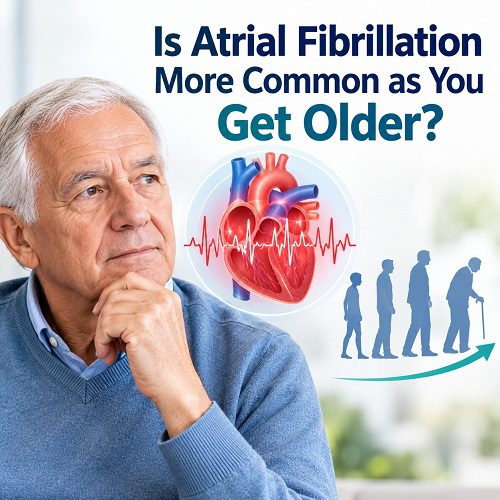
Although atrial fibrillation can affect younger adults, the likelihood of developing it rises substantially as people get older. Ageing-related changes in the heart, high blood pressure, diabetes and other health conditions can contribute to this increased risk.
Understanding why atrial fibrillation becomes more common with age can help you recognise potential warning signs, seek timely medical advice and take practical steps to protect your heart.
What Is Atrial Fibrillation?
Atrial fibrillation is a type of heart arrhythmia, meaning an abnormality in the heart’s electrical rhythm. In a normal heartbeat, electrical signals coordinate the contractions of the heart’s chambers, allowing blood to circulate efficiently.
The heart has four chambers: two upper chambers called the atria and two lower chambers called the ventricles. During atrial fibrillation, electrical signals in the atria become disorganised. Instead of contracting in a coordinated manner, the atria quiver or contract irregularly.
This can cause the ventricles to beat irregularly as well. The resulting heartbeat may be faster than normal, although some people have a relatively normal heart rate despite having an irregular rhythm.
Atrial fibrillation can occur in episodes that stop on their own, persist for longer periods or continue continuously. Doctors classify it into different types according to its duration and pattern.
The condition matters because blood can collect in the atria rather than flowing efficiently. This can encourage blood clot formation, and a clot that travels to the brain may cause a stroke.
Why Does Atrial Fibrillation Become More Common With Age?
The connection between age and atrial fibrillation involves several biological changes and age-related health conditions. Growing older does not automatically cause atrial fibrillation, but it can make the heart more vulnerable to electrical disturbances.
1. Changes in the heart’s electrical system
The heart depends on specialised electrical pathways to maintain a steady rhythm. With ageing, changes can develop in the cells and tissues responsible for transmitting electrical signals.
These changes may make it easier for abnormal electrical impulses to develop or persist. As a result, the atria may become more susceptible to irregular rhythms.
2. Structural changes in the heart
Ageing can be accompanied by changes in the structure and flexibility of the heart. Some people develop thickening of the heart muscle, enlargement of the atria or increased stiffness.
These changes may alter how electrical signals travel through the heart. Enlarged atria, in particular, are associated with a higher likelihood of atrial fibrillation.
3. Fibrosis and scarring
Fibrosis occurs when excess connective tissue develops within the heart. Ageing, high blood pressure and other cardiac conditions can contribute to this process.
Scar-like tissue can interfere with the normal transmission of electrical signals. This may create conditions in which irregular electrical activity can develop and continue.
4. The accumulation of other health conditions
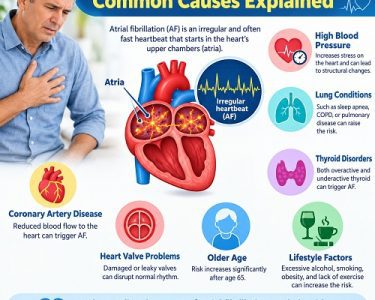
Older adults are more likely to have conditions associated with atrial fibrillation, including hypertension, coronary artery disease, diabetes and heart failure.
These conditions can place additional stress on the heart over time. Their combined effects help explain why Atrial Fibrillation risk with age increases as people grow older.
5. Reduced physical resilience
Ageing can also reduce the body’s ability to tolerate illness, dehydration and physiological stress. These factors do not inevitably cause atrial fibrillation, but they may trigger episodes in susceptible individuals.
In short, the increase in atrial fibrillation with age reflects both changes within the heart and the growing prevalence of other health conditions.
How Common Is Atrial Fibrillation in Older Adults?
Atrial fibrillation is one of the most common sustained heart rhythm disorders. Its prevalence increases significantly with age, making it an important health concern for older adults. The American Heart Association confirms that the likelihood of developing AF rises as people get older.
The condition is uncommon in children and younger adults compared with older age groups. However, it can develop at almost any age, particularly in people with certain heart conditions or inherited risk factors.
The following table provides a general overview of the relationship between age and risk.
| Age group | General pattern |
| Under 40 | Atrial fibrillation is less common, although it can occur. |
| 40–59 | Risk may increase, particularly when other risk factors are present. |
| 60–74 | AF becomes more common as age-related changes and chronic conditions accumulate. |
| 75 and older | The likelihood of atrial fibrillation is considerably higher. |
These age groups describe broad trends, not individual probabilities. Actual risk varies with health, family history and other factors.
Age is also important when doctors assess stroke risk in someone who already has atrial fibrillation. However, age alone does not determine whether a person will develop AF or which treatment they need.
What Are the Risk Factors for Atrial Fibrillation Besides Age?
Although ageing is a major risk factor, it is not the only one. Several health conditions and lifestyle factors can increase the likelihood of developing an irregular heartbeat.
High blood pressure
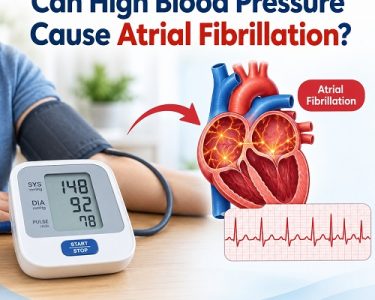
High blood pressure, also called hypertension, places extra strain on the heart. Over time, it can cause structural changes, including enlargement of the atria, which may increase the risk of atrial fibrillation.
Regular blood pressure checks and appropriate treatment can help reduce cardiovascular complications.
Heart disease
Coronary artery disease, previous heart attacks, heart valve disorders and heart failure can increase the risk of atrial fibrillation.
These conditions may affect the heart’s structure or electrical activity, making it more susceptible to irregular rhythms.
Diabetes
Diabetes can damage blood vessels and contribute to cardiovascular disease. People with diabetes may have a greater likelihood of developing atrial fibrillation, particularly when they also have high blood pressure or obesity.
Obesity and physical inactivity
Excess body weight is associated with an increased risk of atrial fibrillation. A sedentary lifestyle may also contribute to obesity, high blood pressure and other conditions that affect heart health.
Regular physical activity and sustainable weight management can help reduce these risk factors.
Sleep apnoea
Obstructive sleep apnoea causes repeated interruptions in breathing during sleep. These episodes can affect oxygen levels and place stress on the cardiovascular system.
People who snore heavily, experience pauses in breathing during sleep or feel excessively tired during the day should discuss possible sleep apnoea with a healthcare professional.
Alcohol and tobacco use
Alcohol consumption, particularly excessive drinking, can contribute to atrial fibrillation in susceptible individuals. Smoking also increases cardiovascular risk.
Reducing alcohol intake and stopping smoking are useful steps towards protecting heart health.
Family history
Having a close relative with atrial fibrillation may increase your likelihood of developing the condition. Genetic factors can contribute, although family history does not guarantee that you will develop AF.
The American Heart Association identifies advancing age, high blood pressure, heart disease, obesity, diabetes, sleep apnoea, alcohol use and smoking among the recognised risk factors.
What Are the Symptoms of Atrial Fibrillation in Older Adults?
Atrial Fibrillation in older adults may cause obvious symptoms, but some people have no noticeable warning signs. This can make the condition difficult to recognise without a medical examination.
Common Atrial Fibrillation symptoms include:
- Heart palpitations: A sensation of fluttering, racing, pounding or skipped beats.
- Fatigue: Feeling unusually tired or lacking energy during normal daily activities.
- Shortness of breath: Difficulty breathing during activity or sometimes at rest.
- Dizziness: Feeling light-headed, unsteady or as though you might faint.
- Reduced exercise tolerance: Finding it harder to walk, climb stairs or perform familiar tasks.
- Chest discomfort: Pressure, tightness or pain that may require urgent medical assessment.
Some older people may notice only a decline in their usual energy levels or physical ability. Others may experience episodes that come and go.
These symptoms do not always indicate atrial fibrillation. Anaemia, thyroid disorders, other arrhythmias and several additional conditions can cause similar problems. An electrocardiogram (ECG) and appropriate medical assessment can help identify the cause.
When should you seek emergency help?
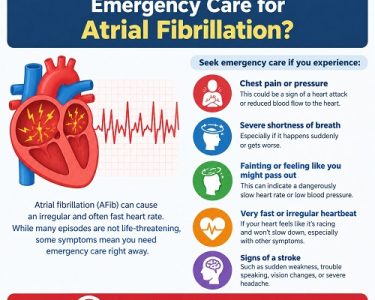
Call your local emergency service immediately if you experience chest pain or pressure, severe breathlessness, fainting, or symptoms suggesting a stroke. Stroke warning signs include sudden facial drooping, weakness or numbness on one side, difficulty speaking, sudden loss of vision or a sudden severe balance problem.
Do not assume these symptoms are simply part of getting older.
How Is Atrial Fibrillation Diagnosed in Older Adults?
Doctors diagnose atrial fibrillation by assessing the heart’s electrical activity and considering the person’s medical history and symptoms.
Electrocardiogram (ECG)
An ECG records the heart’s electrical signals. It is one of the main tests used to identify atrial fibrillation.
If the rhythm is irregular only occasionally, a standard ECG may not detect it during a short appointment.
Portable heart monitoring
A Holter monitor records heart rhythm over a longer period, often 24–48 hours. Other wearable or event monitors can record rhythm for longer when symptoms occur infrequently.
The type and duration of monitoring depend on the person’s symptoms and clinical circumstances.
Blood tests
Blood tests may help identify conditions that can contribute to an irregular heartbeat, including thyroid abnormalities, electrolyte disturbances and other medical problems.
Echocardiogram
An echocardiogram uses ultrasound to examine the heart’s structure and function. It can help doctors identify enlargement of the atria, valve problems or other abnormalities associated with atrial fibrillation.
Reviewing medicines and medical history
Doctors may also review existing medical conditions, prescribed medicines, alcohol consumption, sleep problems and family history.
Early diagnosis is important because appropriate treatment can help control symptoms and reduce the risk of serious complications.
What Complications Can Atrial Fibrillation Cause as You Get Older?
Atrial fibrillation deserves attention at any age, but its consequences can be particularly significant in older adults, who may have additional health conditions.
Stroke
During atrial fibrillation, blood may pool in the atria and form a clot. If the clot travels to an artery supplying the brain, it can cause an ischaemic stroke.
Age is an important factor in assessing stroke risk in people with AF. Doctors consider it alongside other factors, including previous stroke, high blood pressure, diabetes and heart failure.
Heart failure
When the heart beats inefficiently or too quickly for a prolonged period, it may struggle to pump blood effectively. Atrial fibrillation can worsen existing heart failure and, in some circumstances, contribute to its development.
Reduced quality of life
Palpitations, tiredness and breathlessness may interfere with sleep, exercise, social activities and independence.
Appropriate treatment can help manage these symptoms and improve daily functioning.
Cognitive problems
Atrial fibrillation is associated with an increased risk of cognitive impairment and dementia in observational research. Several mechanisms may contribute, including stroke and other changes affecting the brain’s blood supply.
This association does not mean everyone with atrial fibrillation will develop dementia. Managing cardiovascular risk factors and following an appropriate treatment plan remain important.
The 2023 ACC/AHA/ACCP/HRS guideline discusses the relationship between AF and complications such as stroke, heart failure and cognitive impairment.
How Is Atrial Fibrillation Treated in Older Adults?
Treatment depends on the person’s symptoms, heart health, stroke risk, other medical conditions and personal preferences. Older age does not automatically mean that someone cannot receive effective treatment.
1. Medicines to control heart rate
Rate-control medicines help keep the heart from beating excessively fast. Depending on the individual’s circumstances, doctors may prescribe beta-blockers or certain calcium channel blockers.
These medicines can improve symptoms and help prevent problems associated with a persistently rapid heart rate. The appropriate medicine depends on factors such as blood pressure, heart failure and other medications.
2. Medicines to control heart rhythm
Rhythm-control treatment aims to restore or maintain a normal heart rhythm. Doctors may consider antiarrhythmic medicines, electrical cardioversion or catheter ablation.
The choice depends on the type of atrial fibrillation, symptom severity, heart structure and potential treatment risks.
3. Blood thinners to reduce stroke risk
Anticoagulants, commonly called blood thinners, help reduce the risk of blood clots and stroke in suitable patients with atrial fibrillation.
Examples include apixaban, rivaroxaban, dabigatran, edoxaban and warfarin. The appropriate option depends on individual factors, including kidney function, bleeding risk, other medicines and the presence of certain heart valve conditions.
Older adults should not start or stop anticoagulants without medical advice. Although these medicines can reduce stroke risk, they can also cause bleeding. A clinician should assess the benefits and risks for each individual.
Age alone is not a reason to withhold anticoagulation when it is otherwise indicated.
4. Catheter ablation
Catheter ablation is a procedure in which a specialist uses energy to create small areas of scar tissue that interrupt the abnormal electrical signals responsible for atrial fibrillation.
It may be considered when symptoms persist despite medication or when a suitable patient would benefit from rhythm-control treatment. The decision should account for overall health, frailty, other conditions and personal preferences.
5. Managing other medical conditions
Controlling high blood pressure, diabetes, obesity and sleep apnoea can form an important part of atrial fibrillation management.
Doctors may also review medicines and check for other conditions that could worsen symptoms or increase complications.
Current professional guidelines recommend individualised care that addresses stroke prevention, heart rate, heart rhythm and modifiable risk factors.
Natural Treatment for Atrial Fibrillation
Atrial fibrillation (AFib) is a heart rhythm disorder that causes an irregular or sometimes rapid heartbeat. Although medical treatment is essential for managing this condition, certain lifestyle changes may support heart health and help reduce symptoms.
Natural Remedies for Atrial Fibrillation focus on healthy habits that complement, rather than replace, prescribed treatment. Always consult your healthcare professional before trying supplements or making significant dietary changes.
Lifestyle Changes to Support Heart Health
1. Follow a Heart-Healthy Diet
Eat plenty of vegetables, fruits, whole grains, legumes and lean proteins. Limit excess salt, processed foods and saturated fats to support healthy blood pressure and cardiovascular function.
2. Exercise Regularly
Gentle activities such as walking, swimming or cycling may improve overall heart health. Ask your doctor which exercises are suitable for you, particularly if you experience dizziness or breathlessness.
3. Manage Stress
Deep breathing, meditation and gentle yoga may help reduce stress, which can trigger symptoms in some people. Practise relaxation techniques regularly.
4. Prioritise Quality Sleep
Maintain a consistent sleep schedule and seek medical advice if you snore heavily or experience daytime sleepiness, as sleep apnoea is associated with atrial fibrillation.
5. Limit Alcohol and Caffeine
Alcohol can trigger AFib episodes. Monitor your response to caffeine and discuss potential triggers with your doctor.
Can You Reduce Your Risk of Atrial Fibrillation as You Age?
You cannot stop the ageing process, but you can take practical steps to support your cardiovascular health. These measures may help reduce some risk factors associated with atrial fibrillation, although they cannot guarantee prevention.
Keep your blood pressure under control
Check your blood pressure regularly and follow your healthcare professional’s advice about medication, diet and lifestyle changes.
Reducing excessive salt intake and maintaining a balanced diet may also help support healthy blood pressure.
Stay physically active
Regular, moderate physical activity supports cardiovascular health, helps maintain mobility and can improve blood pressure and weight management.
Walking, swimming or other suitable activities may be helpful. If you have existing heart disease, significant mobility limitations or symptoms during exercise, ask your clinician what level of activity is appropriate.
Avoid suddenly starting strenuous exercise without guidance if you have relevant health concerns.
Maintain a healthy weight
If you are overweight, gradual and sustainable weight loss may help reduce cardiovascular risk and the burden of atrial fibrillation.
Focus on balanced meals, regular activity and achievable long-term habits rather than extreme diets.
Limit alcohol and avoid smoking
Excessive alcohol consumption may trigger atrial fibrillation in susceptible people. Discuss alcohol reduction or avoidance with your healthcare professional, particularly if you already have AF.
Stopping smoking is another important step towards protecting your heart and blood vessels.
Get enough sleep
Maintain a regular sleep schedule and seek medical advice if you experience persistent sleep problems, loud snoring or pauses in breathing during sleep.
If you have obstructive sleep apnoea, follow the treatment plan recommended by your clinician.
Manage diabetes and other chronic conditions
Attend routine appointments and take prescribed medicines as directed. Regular monitoring can help identify changes before they lead to more serious complications.
Attend medical check-ups
Routine healthcare visits provide opportunities to review blood pressure, medications and cardiovascular risk factors. If you experience palpitations, dizziness or unexplained fatigue, discuss these symptoms with a healthcare professional.
The American Heart Association recommends addressing modifiable risks, including obesity, physical inactivity, smoking, unhealthy alcohol consumption, hypertension and diabetes, as part of AF prevention and management.
Does Everyone Develop Atrial Fibrillation When They Get Older?
No. Although Atrial Fibrillation risk with age increases, many older adults never develop the condition.
Your individual risk depends on several factors, including genetics, blood pressure, heart structure, other health conditions and lifestyle. Some people develop atrial fibrillation despite maintaining healthy habits, while others reach an advanced age without experiencing it.
It is also possible to develop atrial fibrillation at a younger age, particularly when underlying heart disease, inherited conditions or other risk factors are present.
The key message is that ageing increases susceptibility, but it does not make atrial fibrillation inevitable.
Frequently Asked Questions
1. At what age does atrial fibrillation become more common?
Atrial fibrillation becomes more common as people move into their 60s and beyond, with a substantially higher prevalence among older adults. However, there is no single age at which everyone becomes likely to develop it.
2. Is atrial fibrillation normal in old age?
No. Although it is more common among older adults, atrial fibrillation is a medical condition rather than a normal or inevitable part of ageing. It should be assessed because it may increase the risk of stroke and other complications.
3. Can a person over 80 live with atrial fibrillation?
Yes. Many people over 80 live with atrial fibrillation. Appropriate management can help control symptoms and reduce complications. Treatment decisions should account for overall health, other conditions, frailty, medication risks and the person’s preferences.
4. Can atrial fibrillation occur without symptoms?
Yes. Some people have no noticeable symptoms and discover the condition during a routine examination or heart monitoring. An absence of symptoms does not necessarily mean there is no risk of complications.
5. Does atrial fibrillation always require blood thinners?
No. Anticoagulation decisions depend on an individual’s risk of stroke, bleeding risk, medical history and other clinical factors. Many people with AF benefit from anticoagulation, but the decision should be made with a qualified clinician.
6. Can lifestyle changes prevent atrial fibrillation?
Healthy habits may reduce some risk factors and help manage atrial fibrillation, but they cannot guarantee prevention. Managing blood pressure, maintaining a healthy weight, staying active, avoiding smoking and addressing sleep apnoea can all support heart health.
7. When should an older adult see a doctor for an irregular heartbeat?
Arrange prompt medical assessment for a new or recurring irregular heartbeat, unexplained fatigue, dizziness or breathlessness. Seek emergency care for chest pain, severe breathlessness, fainting or symptoms of a stroke.
Conclusion
The relationship between age and atrial fibrillation is well established. As people grow older, changes in the heart’s electrical system and structure, together with a higher prevalence of conditions such as hypertension and diabetes, increase the likelihood of developing this irregular heart rhythm.
However, atrial fibrillation is not an unavoidable consequence of ageing. Recognising symptoms, seeking appropriate diagnosis, managing other health conditions and following an individualised treatment plan can make a meaningful difference.
Older adults should pay attention to unexplained palpitations, breathlessness, dizziness or unusual fatigue rather than assuming these symptoms are simply part of getting older.
If you are concerned about your heart rhythm, speak with a healthcare professional. Early assessment can help determine whether atrial fibrillation is present and whether treatment is needed to reduce the risk of stroke and other complications.
Medical references
Use these reputable sources to support the article and provide readers with further information.
- American Heart Association — Who Is at Risk for Atrial Fibrillation? Explains age-related risk and other contributing factors, including high blood pressure, obesity, sleep apnoea and alcohol use. Read the American Heart Association resource.
- Joglar JA, et al. — 2023 ACC/AHA/ACCP/HRS Guideline for the Diagnosis and Management of Atrial Fibrillation. Journal of the American College of Cardiology, 2024;83(1):109–279. Covers diagnosis, stroke prevention, treatment and risk-factor management. Read the full clinical guideline.
- American Heart Association — 2023 Guideline: Top Things to Know. Summarises key recommendations for AF management, including risk reduction and treatment strategies. Read the guideline summary.
- American Heart Association — Sleep Disorders and Atrial Fibrillation. Discusses the association between sleep disorders and AF, including obstructive sleep apnoea. Read about sleep disorders and AF.
- American Heart Association — Lifestyle and Risk Factor Modification for Reduction of Atrial Fibrillation. Reviews lifestyle factors associated with AF risk and the role of risk-factor management. Read the recommendations.
Medical disclaimer
This article is for educational purposes only and does not replace professional medical advice, diagnosis or treatment. Atrial fibrillation and its complications require individual assessment by a qualified healthcare professional. Do not change prescribed medication or begin treatment without consulting your clinician. Seek emergency medical care for symptoms of a stroke, chest pain or severe breathing difficulties.