
 By
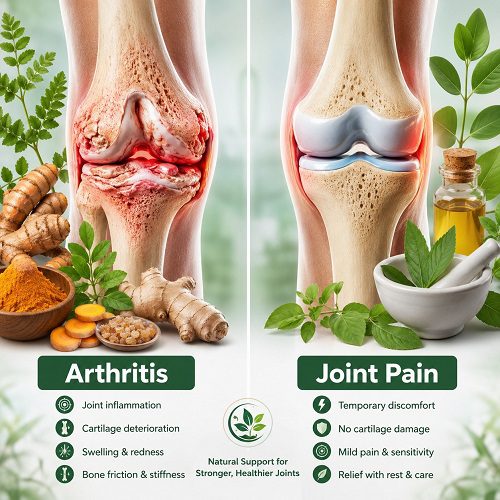
By Joint discomfort is one of the most common health complaints worldwide. People of all ages may experience aching, stiffness, or soreness in their joints at some point in life. However, many individuals use the terms arthritis and joint pain interchangeably, even though they are not exactly the same thing. Understanding the distinction between Arthritis vs Joint Pain is essential for identifying the underlying cause of symptoms and seeking appropriate treatment.
While all arthritis can cause joint pain, not all joint pain is caused by arthritis. Joint pain can result from injuries, overuse, infections, or other medical conditions. Arthritis, on the other hand, refers to a group of diseases characterized by inflammation and damage within the joints.
This article explores the key differences between arthritis and joint pain, their causes, symptoms, diagnosis, treatment options, and strategies for maintaining healthy joints.
What is Joint Pain?
Joint pain refers to discomfort, soreness, or aching in one or more joints of the body. Joints are the areas where two or more bones meet, such as the knees, hips, shoulders, elbows, and fingers.
Joint pain itself is a symptom rather than a disease. It can range from mild and temporary to severe and long-lasting. Depending on the cause, the pain may occur suddenly or develop gradually over time.
Common Causes of Joint Pain
Many conditions can lead to joint pain, including:
- Sports injuries
- Sprains and strains
- Overuse of joints
- Tendonitis
- Bursitis
- Viral infections
- Autoimmune disorders
- Gout
- Lyme disease
- Arthritis
In some cases, joint pain may resolve on its own after rest and recovery. In other situations, medical evaluation is necessary to determine the underlying cause.
What Is Arthritis?
Arthritis is not a single disease but a term used to describe more than 100 different conditions affecting the joints. It involves inflammation, degeneration, or damage within the joint structures.
Arthritis often causes pain, stiffness, swelling, and reduced mobility. It can affect one joint or multiple joints throughout the body.
Common Types of Arthritis
Osteoarthritis
Osteoarthritis is the most common form of arthritis. It occurs when the protective cartilage cushioning the ends of bones gradually wears away.
Symptoms include:
- Joint stiffness
- Pain during movement
- Reduced flexibility
- Mild swelling
Rheumatoid Arthritis
Rheumatoid arthritis is an autoimmune disease in which the immune system mistakenly attacks healthy joint tissues.
Common symptoms include:
- Joint inflammation
- Fatigue
- Morning stiffness
- Swollen joints
- Symmetrical joint involvement
Psoriatic Arthritis
This type of arthritis develops in some individuals with psoriasis. It can affect the skin and joints simultaneously.
Gout
Gout occurs when uric acid crystals accumulate in joints, causing sudden episodes of severe pain and inflammation.
Arthritis vs Joint Pain: The Main Difference
The simplest way to understand Arthritis vs Joint Pain is that joint pain is a symptom, while arthritis is a disease or group of diseases.
| Feature | Joint Pain | Arthritis |
| Definition | A symptom causing discomfort in joints | A disease affecting joints |
| Cause | Injury, infection, overuse, illness | Joint inflammation or degeneration |
| Duration | Temporary or chronic | Often chronic |
| Swelling | May or may not occur | Common |
| Joint Damage | Usually absent | Often present |
| Treatment | Depends on cause | Requires long-term management |
In other words, arthritis is one possible cause of joint pain, but joint pain can occur without arthritis.
Understanding Chronic Joint Pain
Chronic joint pain refers to pain that lasts for several weeks, months, or even years. Persistent joint discomfort may significantly affect quality of life and daily activities.
Common causes of chronic joint pain include:
- Osteoarthritis
- Rheumatoid arthritis
- Lupus
- Fibromyalgia
- Previous joint injuries
- Repetitive strain
If joint pain continues for more than a few weeks or interferes with normal activities, medical evaluation is recommended.
Arthritis Symptoms to Watch For
Recognizing arthritis symptoms early can help prevent complications and improve long-term outcomes.
Pain
Joint pain is often the first symptom people notice. It may worsen with activity or occur even during rest.
Stiffness
Morning stiffness lasting more than 30 minutes is particularly common in inflammatory forms of arthritis.
Swelling
Inflammation inside the joint can cause visible swelling and tenderness.
Reduced Range of Motion
People with arthritis may find it difficult to fully bend or straighten affected joints.
Warmth and Redness
Inflamed joints may feel warm and appear red.
Fatigue
Systemic forms of arthritis such as rheumatoid arthritis often cause fatigue and general weakness.
The Role of Joint Inflammation
Joint inflammation is one of the most important features that distinguish arthritis from other causes of joint pain.
Inflammation is the body’s natural response to injury or infection. However, in arthritis, inflammation may become chronic and damage healthy tissues.
Signs of joint inflammation include:
- Swelling
- Redness
- Warmth
- Pain
- Limited movement
Persistent inflammation can gradually damage cartilage, bones, ligaments, and tendons surrounding the joint.
Causes of Arthritis
The causes of arthritis vary depending on the type.
Age-Related Wear and Tear
Osteoarthritis commonly develops due to gradual cartilage breakdown associated with aging.
Autoimmune Disorders
In rheumatoid arthritis, the immune system attacks joint tissues.
Genetics
Certain genetic factors may increase susceptibility to arthritis.
Infections
Some infections can trigger joint inflammation.
Metabolic Disorders
Conditions such as gout develop due to abnormal uric acid metabolism.
Risk Factors for Arthritis
Several factors increase the likelihood of developing arthritis:
Age
The risk increases as people get older.
Family History
A family history of arthritis may raise risk.
Obesity
Excess body weight places additional stress on joints.
Previous Injuries
Joint injuries can increase future arthritis risk.
Gender
Women are more likely to develop rheumatoid arthritis, while men are more prone to gout.
When Joint Pain Is Not Arthritis
Not every painful joint indicates arthritis.
Examples include:
Injuries
Sprains, fractures, and ligament tears often cause temporary joint pain.
Tendonitis
Inflammation of tendons surrounding a joint may mimic arthritis symptoms.
Bursitis
Inflammation of fluid-filled sacs near joints can cause pain and swelling.
Viral Infections
Certain viruses can trigger temporary joint discomfort.
Overuse
Repetitive movements may lead to soreness and inflammation without arthritis.
Diagnosing Arthritis and Joint Pain
Accurate diagnosis is important because treatment depends on the underlying cause.
Medical History
Doctors ask about symptoms, duration, family history, and lifestyle factors.
Physical Examination
The physician evaluates:
- Swelling
- Tenderness
- Range of motion
- Joint deformities
Imaging Tests
Common imaging methods include:
- X-rays
- MRI scans
- Ultrasound
- CT scans
Blood Tests
Blood tests help identify autoimmune conditions and inflammation markers.
Joint Fluid Analysis
In some cases, fluid is removed from a joint and analyzed for infection or crystal deposits.
Treatment Options for Joint Pain
Treatment depends on the cause of the pain.
Rest
Temporary rest may allow injured tissues to heal.
Ice Therapy
Applying ice helps reduce swelling and discomfort.
Physical Therapy
Therapeutic exercises improve flexibility and strength.
Pain Relievers
Over-the-counter medications may help manage symptoms.
Lifestyle Changes
Weight management and exercise can reduce stress on joints.
Treatment Options for Arthritis
Arthritis often requires long-term management.
Anti-Inflammatory Medications
These medications reduce pain and inflammation.
Disease-Modifying Drugs
Used primarily for rheumatoid arthritis, these medications help slow disease progression.
Physical Therapy
Regular exercise helps maintain mobility and muscle strength.
Assistive Devices
Braces and supportive devices may improve joint function.
Surgery
In severe cases, joint replacement surgery may be necessary.
Natural Ways to Support Joint Health
While medical treatment is important, healthy lifestyle habits can also support joint function.
Stay Active
Regular low-impact activities include:
- Walking
- Swimming
- Cycling
- Yoga
Maintain a Healthy Weight
Reducing excess weight decreases pressure on weight-bearing joints.
Eat an Anti-Inflammatory Diet
Foods that may support joint health include:
- Fatty fish
- Fruits
- Vegetables
- Nuts
- Olive oil
Stay Hydrated
Proper hydration supports overall tissue health.
Get Adequate Sleep
Sleep allows the body to repair and recover.
Best Natural Remedies for Joint Pain
Joint pain can affect people of all ages and may result from aging, overuse, injury, or conditions such as arthritis. Many individuals look for natural ways to ease discomfort and improve mobility. The Best Natural Remedies for Joint Pain often focus on reducing inflammation, supporting joint function, and promoting overall wellness.
Regular low-impact exercise, such as walking, swimming, or yoga, can help keep joints flexible and strengthen the muscles that support them. Maintaining a healthy weight is also important because excess body weight places additional stress on the joints, especially the knees and hips.
An anti-inflammatory diet rich in fruits, vegetables, fatty fish, nuts, and olive oil may help reduce joint discomfort. Staying hydrated and getting enough sleep can further support joint health and recovery.
Heat and cold therapy are simple home remedies that may provide relief. Warm compresses can ease stiffness, while ice packs may help reduce swelling and inflammation.
Many people also explore natural supplements as part of a Joint Health Supplements Guide. Ingredients such as glucosamine, chondroitin, turmeric, omega-3 fatty acids, and collagen are commonly used to support healthy joints.
While the Best Natural Remedies for Joint Pain may help manage symptoms, it is important to consult a healthcare professional if pain persists or worsens over time.
When to See a Doctor
Seek medical attention if you experience:
- Severe joint pain
- Persistent swelling
- Joint deformity
- Fever with joint pain
- Inability to move a joint
- Symptoms lasting several weeks
Early diagnosis often leads to better treatment outcomes.
Preventing Joint Problems
Although not all forms of arthritis can be prevented, certain strategies may lower risk.
Exercise Regularly
Physical activity strengthens muscles and supports joints.
Protect Your Joints
Use proper techniques during sports and work activities.
Avoid Smoking
Smoking is associated with increased inflammation and rheumatoid arthritis risk.
Manage Chronic Conditions
Proper control of diabetes and metabolic disorders may help protect joint health.
Conclusion
Understanding Arthritis vs Joint Pain is crucial for recognizing the cause of joint discomfort and obtaining appropriate care. Joint pain is a symptom that can arise from many different conditions, while arthritis is a specific group of diseases involving joint inflammation and damage.
Recognizing key arthritis symptoms, including stiffness, swelling, and persistent discomfort, can help individuals seek treatment early. Additionally, identifying signs of joint inflammation and addressing chronic joint pain promptly may improve long-term joint function and quality of life.
If you experience ongoing joint problems, consult a healthcare professional for an accurate diagnosis and personalized treatment plan. Early intervention remains one of the most effective ways to protect joint health and maintain an active lifestyle.