
 By
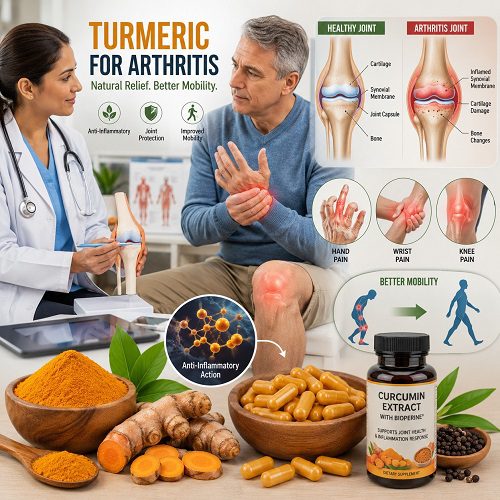
By Arthritis affects millions of people worldwide and is one of the leading causes of Arthritis and reduced mobility. Joint stiffness, inflammation, and discomfort can interfere with daily activities and significantly impact quality of life. While conventional treatments remain essential for managing arthritis, many individuals are increasingly interested in natural approaches that complement medical care. Among these options, Turmeric for Arthritis has gained considerable attention from both researchers and healthcare professionals.
Turmeric is a golden-yellow spice traditionally used in Ayurvedic medicine for centuries. Its most active compound, curcumin, possesses powerful anti-inflammatory and antioxidant properties that may help support joint health. Scientific studies continue to investigate how turmeric and curcumin arthritis supplements may contribute to reducing inflammation and improving symptoms associated with osteoarthritis and rheumatoid arthritis.
Understanding Arthritis and Inflammation
Arthritis is not a single disease but rather a group of conditions that cause inflammation, pain, and stiffness in the joints. The most common types include:
- Osteoarthritis
- Rheumatoid arthritis
- Psoriatic arthritis
- Gout
- Ankylosing spondylitis
Inflammation plays a major role in many forms of arthritis. In rheumatoid arthritis, the immune system mistakenly attacks joint tissues, causing chronic inflammation and progressive damage. Osteoarthritis, once considered merely a wear-and-tear condition, is now known to involve inflammatory processes as well.
Persistent inflammation contributes to:
- Joint pain
- Swelling
- Morning stiffness
- Reduced flexibility
- Limited mobility
- Progressive cartilage damage
This is why anti-inflammatory approaches remain important components of arthritis management.
What Is Turmeric?
Turmeric is derived from the root of the Curcuma longa plant, which belongs to the ginger family. It has been widely used throughout Asia for culinary and medicinal purposes for thousands of years.
Turmeric contains several beneficial compounds known as curcuminoids, including:
- Curcumin
- Demethoxycurcumin
- Bisdemethoxycurcumin
Among these compounds, curcumin is considered the primary active ingredient responsible for many of turmeric’s health-promoting effects.
Researchers have identified numerous biological properties associated with curcumin, including:
- Anti-inflammatory effects
- Antioxidant activity
- Immune system regulation
- Cellular protection
- Support for healthy inflammatory responses
These properties have made turmeric one of the most extensively studied anti-inflammatory herbs for joint health.
How Turmeric for Arthritis Works
One of the most promising aspects of Turmeric for Arthritis lies in its ability to influence multiple inflammatory pathways within the body.
Curcumin may help by:
Reducing Inflammatory Molecules
Research suggests curcumin can influence inflammatory mediators involved in arthritis progression, including:
- Cytokines
- Nuclear factor-kappa B (NF-κB)
- Cyclooxygenase enzymes
- Various inflammatory proteins
By regulating these pathways, turmeric may help promote healthier inflammatory responses.
Supporting Joint Mobility
Joint stiffness often results from inflammation affecting surrounding tissues. Curcumin’s anti-inflammatory properties may contribute to improved mobility and flexibility in some individuals.
Providing Antioxidant Protection
Oxidative stress contributes to tissue damage associated with arthritis. Curcumin functions as a powerful antioxidant that may help neutralize harmful free radicals and protect joint tissues.
Supporting Cartilage Health
Emerging studies suggest curcumin may influence cellular mechanisms involved in cartilage preservation. While research continues, this represents an exciting area of investigation for arthritis management.
Curcumin Arthritis Research
Scientific interest in curcumin arthritis has grown substantially during the past two decades. Numerous studies have examined its potential role in managing arthritis symptoms.
Osteoarthritis Research
Several clinical trials have investigated turmeric supplementation among individuals with knee osteoarthritis.
Researchers have reported improvements in:
- Arthritis vs Joint Pain scores
- Physical function
- Walking performance
- Daily activity levels
- Overall quality of life
Some studies have found that certain standardized curcumin formulations demonstrated comparable improvements in symptoms when compared with conventional pain management approaches, although results vary between studies.
Scientists believe turmeric’s anti-inflammatory properties contribute significantly to these benefits.
Rheumatoid Arthritis Studies
Rheumatoid arthritis involves chronic autoimmune inflammation that progressively affects joints throughout the body.
Research investigating turmeric supplementation has demonstrated potential improvements in:
- Joint tenderness
- Swelling
- Inflammatory markers
- Disease activity measurements
- Morning stiffness
Curcumin’s ability to influence multiple inflammatory pathways makes it particularly interesting for autoimmune inflammatory conditions. However, researchers emphasize that turmeric should not replace prescribed medical treatments for rheumatoid arthritis.
Systematic Reviews
Several systematic reviews examining turmeric supplementation for arthritis have concluded that curcumin shows promising potential as a complementary approach for symptom management.
Researchers continue investigating:
- Optimal dosing
- Long-term safety
- Bioavailability improvements
- Combination therapies
- Patient-specific responses
Although evidence remains encouraging, further large-scale clinical trials are still needed.
Benefits of Turmeric for Arthritis
1. Natural Joint Pain Relief
One of the most commonly reported benefits involves improved comfort and mobility.
Individuals using turmeric supplements frequently seek support for:
- Knee pain
- Hand arthritis
- Hip discomfort
- Joint stiffness
- Exercise-related joint stress
Natural approaches that support healthy inflammatory responses may complement comprehensive arthritis management plans.
2. Supports Healthy Inflammatory Responses
Inflammation contributes significantly to arthritis symptoms. Curcumin’s multi-targeted mechanisms make it one of the most extensively researched anti-inflammatory herbs available today.
Its anti-inflammatory properties may help support:
- Joint flexibility
- Daily mobility
- Physical activity
- Long-term joint wellness
3. Rich in Antioxidants
Oxidative stress damages tissues throughout the body, including joints.
Curcumin provides antioxidant support by:
- Neutralizing free radicals
- Supporting cellular health
- Promoting healthy tissue function
- Protecting against oxidative damage
4. May Improve Physical Function
Clinical studies have reported improvements in:
- Walking distance
- Stair climbing
- Daily activities
- Exercise tolerance
- Functional mobility
While results vary among individuals, improved physical function remains one of the most encouraging findings in turmeric arthritis research.
5. Supports Overall Joint Health
Turmeric supplementation may contribute to comprehensive joint support when combined with:
- Healthy nutrition
- Regular exercise
- Medical treatment plans
- Weight management
- Proper sleep habits
Best Forms of Turmeric Supplements
Curcumin naturally has relatively poor absorption within the body. Consequently, supplement manufacturers often use specialized formulations designed to improve bioavailability.
Popular options include:
Standardized Curcumin Extracts
These supplements provide concentrated amounts of curcuminoids.
Turmeric with Black Pepper
Black pepper contains piperine, which may significantly enhance curcumin absorption.
Enhanced Bioavailability Formulations
Modern supplement technologies include:
- Liposomal curcumin
- Phytosome formulations
- Nanoparticle preparations
- Specialized delivery systems
Selecting high-quality products from reputable manufacturers remains important when considering supplementation.
Dietary Sources of Turmeric
Adding turmeric to everyday meals can provide additional nutritional support.
Popular uses include:
- Golden milk
- Smoothies
- Herbal teas
- Soups
- Rice dishes
- Vegetable recipes
- Curry preparations
Although culinary turmeric offers health benefits, therapeutic doses used in clinical research are typically higher than amounts consumed through food alone.
Combining Turmeric with Other Anti-Inflammatory Herbs
Many individuals interested in joint pain relief incorporate turmeric alongside other anti-inflammatory herbs.
Examples include:
- Ginger
- Boswellia
- Green tea
- Cinnamon
- Garlic
- Ashwagandha
- Holy basil
A nutrient-rich diet emphasizing anti-inflammatory foods may further support overall joint health.
Foods commonly recommended include:
- Fatty fish
- Olive oil
- Leafy greens
- Berries
- Nuts
- Seeds
- Whole grains
Lifestyle approaches remain important components of arthritis management.
How Much Turmeric Should You Take?
Dosages used in clinical studies vary considerably depending on supplement formulation.
Research has investigated:
- 500 mg daily
- 1,000 mg daily
- Higher standardized curcumin doses
Several factors influence appropriate supplementation, including:
- Age
- Medical history
- Arthritis type
- Medication use
- Individual health goals
Healthcare professionals can provide personalized guidance regarding supplementation decisions.
Safety Considerations
Turmeric is generally considered safe when consumed as part of a balanced diet. However, concentrated supplements may not be appropriate for everyone.
Potential side effects include:
- Digestive discomfort
- Upset stomach
- Nausea
- Diarrhea
- Mild gastrointestinal irritation
Individuals should consult healthcare providers before supplementation if they:
- Take blood-thinning medications
- Have gallbladder disorders
- Are preparing for surgery
- Have chronic medical conditions
- Are pregnant or breastfeeding
Supplement quality and dosage remain important considerations.
Who May Benefit from Turmeric for Arthritis?
Turmeric supplementation may provide supportive benefits for individuals experiencing:
- Osteoarthritis
- Mild joint discomfort
- Exercise-related stiffness
- Reduced mobility
- Inflammatory joint symptoms
However, turmeric should be viewed as part of a broader joint health strategy rather than a standalone solution.
Comprehensive arthritis management may include:
- Medical evaluation
- Appropriate medications
- Physical therapy
- Regular exercise
- Healthy nutrition
- Weight management
- Natural supportive approaches
Limitations of Current Research
Despite promising findings, several limitations remain.
Researchers continue investigating:
- Long-term outcomes
- Optimal supplement formulations
- Individual response variations
- Comparative effectiveness studies
- Larger clinical trials
Not everyone experiences identical results with turmeric supplementation. Factors such as disease severity, supplement quality, dosage, and overall health may influence outcomes.
Evidence remains encouraging, but ongoing research will continue improving our understanding of turmeric’s role in arthritis support.
Practical Tips for Using Turmeric
For individuals interested in natural joint support, consider the following recommendations:
- Choose reputable supplement brands.
- Look for enhanced bioavailability formulations.
- Maintain realistic expectations.
- Combine supplementation with healthy lifestyle habits.
- Follow healthcare provider recommendations.
- Monitor symptom changes over time.
- Avoid replacing prescribed treatments without medical advice.
Consistency often plays an important role when incorporating nutritional supplements into wellness routines.
Natural Remedies for Arthritis
Natural Remedies for Arthritis can help support joint comfort, flexibility, and overall mobility when combined with a healthy lifestyle and appropriate medical care. Arthritis affects millions of people worldwide and often leads to pain, stiffness, and reduced movement. While treatment plans vary, many people choose natural approaches to complement conventional care.
A balanced diet rich in anti-inflammatory foods, such as leafy greens, berries, fatty fish, turmeric, and ginger, may help support joint health. Regular low-impact exercise, including walking, swimming, and yoga, can improve flexibility and strengthen the muscles around affected joints. Maintaining a healthy weight also reduces pressure on the joints, particularly the knees and hips.
Many people also consider Best Supplements for Arthritis Support to help maintain healthy cartilage and joint function. Herbal ingredients such as boswellia, turmeric, devil’s claw, and ashwagandha have been traditionally used to support joint comfort and mobility. However, supplements should be used as part of a broader health plan and discussed with a healthcare professional, especially if you take prescription medications.
A Joint Support Herbal Supplement for Arthritis may provide additional nutritional support for individuals looking to maintain an active lifestyle. When combined with regular physical activity, a nutritious diet, and healthy habits, Natural Remedies for Arthritis can play an important role in supporting long-term joint health and improving quality of life.
Conclusion
Turmeric for Arthritis continues to receive significant scientific attention because of its impressive anti-inflammatory and antioxidant properties. Research investigating curcumin arthritis support has demonstrated promising improvements in joint pain, mobility, and physical function among many study participants. As one of the most extensively researched anti-inflammatory herbs, turmeric may offer valuable complementary support for individuals seeking natural approaches to joint wellness and joint pain relief.
Although turmeric supplementation shows considerable potential, it should complement—not replace—appropriate medical care for arthritis. Combining evidence-based treatments with healthy lifestyle practices and natural supportive strategies may provide the greatest benefits for long-term joint health. As research advances, turmeric remains an exciting and promising option in the growing field of natural arthritis support.
Disclaimer:
This article is for educational purposes only and should not replace professional medical advice, diagnosis, or treatment. Always consult a qualified healthcare provider regarding any new or changing scalp or forehead lump.