
 By
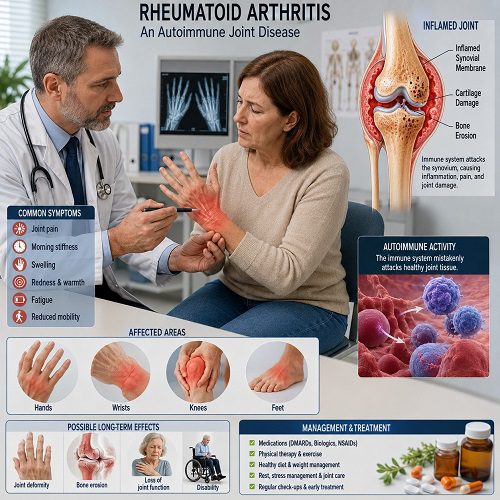
By Rheumatoid Arthritis (RA) is a chronic autoimmune disease that primarily affects the joints but can also impact other organs throughout the body. Unlike osteoarthritis, which develops due to wear and tear, Rheumatoid Arthritis occurs when the immune system mistakenly attacks healthy joint tissues. This immune response causes inflammation, pain, swelling, and eventually joint damage if left untreated.
Millions of people worldwide live with Rheumatoid Arthritis. Although there is currently no cure, early diagnosis and effective RA treatment can help control symptoms, slow disease progression, and improve quality of life. Rheumatoid Arthritis, including its causes, symptoms, diagnosis, treatment options, lifestyle management, and long-term outlook.
What is Rheumatoid Arthritis?
Rheumatoid Arthritis is a type of autoimmune arthritis in which the body’s immune system mistakenly attacks the lining of the joints, known as the synovium. This attack leads to inflammation that thickens the synovial membrane and damages cartilage and bone over time.
The condition commonly affects:
- Hands
- Wrists
- Fingers
- Knees
- Feet
- Ankles
- Elbows
- Shoulders
One unique characteristic of Rheumatoid Arthritis is that it usually affects joints symmetrically. For example, if one wrist is affected, the other wrist is often affected as well.
How Common Is Rheumatoid Arthritis?
Rheumatoid Arthritis affects approximately 1% of the global population. Women are about two to three times more likely to develop RA than men. The condition can occur at any age, but it most commonly develops between the ages of 30 and 60.
Although RA is often associated with older adults, it can also affect younger individuals and even children in the form of juvenile idiopathic arthritis.
What Causes Rheumatoid Arthritis?
The exact cause of Rheumatoid Arthritis remains unknown. However, researchers believe that a combination of genetic, environmental, and hormonal factors contributes to its development.
Genetic Factors
People with certain genetic markers, particularly specific HLA genes, may have a higher risk of developing RA.
Environmental Triggers
Several environmental factors may trigger the disease in genetically susceptible individuals, including:
- Smoking
- Air pollution
- Exposure to silica dust
- Certain infections
- Chronic stress
Hormonal Influences
Because women develop RA more frequently than men, hormones are believed to play a role in disease development.
Understanding Autoimmune Arthritis
In autoimmune arthritis, the immune system loses its ability to distinguish between healthy tissues and harmful invaders.
In Rheumatoid Arthritis:
- The immune system attacks the synovial membrane.
- Inflammation develops inside the joint.
- Joint tissues become swollen and painful.
- Cartilage gradually deteriorates.
- Bone erosion may occur.
- Joint deformities can develop over time.
Without proper treatment, the inflammatory process may spread beyond the joints and affect the heart, lungs, eyes, and blood vessels.
Rheumatoid Arthritis Symptoms
Recognizing rheumatoid arthritis symptoms early is essential for preventing long-term joint damage.
Common Symptoms
Joint Pain
Persistent pain is one of the most common symptoms. Pain often worsens after periods of inactivity.
Morning Stiffness
Many patients experience stiffness lasting longer than 30 minutes after waking up.
Joint Swelling
Inflamed joints may appear swollen, warm, and tender.
Fatigue
Chronic inflammation often causes significant tiredness and low energy levels.
Reduced Range of Motion
Joint damage can gradually limit flexibility and movement.
Additional Symptoms
Other rheumatoid arthritis symptoms may include:
- Fever
- Weight loss
- Muscle aches
- Weakness
- Loss of appetite
- Depression
Which Joints Are Most Commonly Affected?
Rheumatoid Arthritis typically begins in smaller joints before progressing to larger ones.
Early Affected Joints
- Fingers
- Knuckles
- Wrists
- Toes
Later Affected Joints
- Knees
- Ankles
- Elbows
- Shoulders
- Hips
The symmetrical nature of RA helps distinguish it from some other forms of arthritis.
Rheumatoid Arthritis and Systemic Effects
RA is more than a joint disease. Chronic inflammation can affect multiple body systems.
Heart
RA increases the risk of:
- Heart disease
- Heart attacks
- Stroke
Lungs
Some patients develop:
- Lung inflammation
- Pulmonary fibrosis
- Pleural disease
Eyes
Eye complications may include:
- Dry eyes
- Inflammation
- Vision problems
Skin
Rheumatoid nodules may form beneath the skin, particularly around pressure points.
Risk Factors for Rheumatoid Arthritis
Several factors increase the likelihood of developing RA.
Gender
Women are significantly more likely to develop the disease.
Age
Most cases occur during middle adulthood.
Family History
Having close relatives with RA increases risk.
Smoking
Smoking is one of the strongest known environmental risk factors.
Obesity
Excess body weight may contribute to inflammation and increase disease risk.
How Rheumatoid Arthritis Is Diagnosed
There is no single test that confirms Rheumatoid Arthritis. Doctors use a combination of medical history, physical examination, laboratory tests, and imaging studies.
Physical Examination
Doctors evaluate:
- Joint tenderness
- Swelling
- Range of motion
- Symmetry of symptoms
Blood Tests
Common laboratory tests include:
Rheumatoid Factor (RF)
Many RA patients test positive for RF antibodies.
Anti-CCP Antibodies
Anti-cyclic citrullinated peptide antibodies are highly specific for RA.
ESR and CRP
These markers measure inflammation levels in the body.
Imaging Tests
X-Rays
Help identify bone erosion and joint damage.
Ultrasound
Detects early inflammation.
MRI
Provides detailed images of soft tissues and joints.
RA Treatment Options
Modern RA treatment strategies aim to reduce inflammation, prevent joint damage, and improve quality of life.
Disease-Modifying Antirheumatic Drugs (DMARDs)
DMARDs are considered the cornerstone of RA treatment.
Common examples include:
- Methotrexate
- Sulfasalazine
- Hydroxychloroquine
- Leflunomide
These medications help slow disease progression.
Biologic Medications
Biologics target specific immune system pathways.
Examples include:
- Adalimumab
- Etanercept
- Infliximab
- Rituximab
These medications can significantly reduce inflammation.
JAK Inhibitors
Newer oral medications include:
- Tofacitinib
- Baricitinib
- Upadacitinib
They interfere with inflammatory signaling pathways.
Nonsteroidal Anti-Inflammatory Drugs (NSAIDs)
NSAIDs help relieve pain and inflammation but do not prevent joint damage.
Examples include:
- Ibuprofen
- Naproxen
Corticosteroids
Steroids can quickly reduce inflammation during flare-ups.
However, long-term use may cause side effects and is generally minimized.
Physical Therapy and Exercise
Exercise plays a crucial role in managing Rheumatoid Arthritis.
Benefits of Physical Activity
Regular exercise can:
- Improve flexibility
- Strengthen muscles
- Reduce stiffness
- Joint Support Herbal Supplement for Arthritis
- Improve mental health
Recommended Activities
- Walking
- Swimming
- Cycling
- Yoga
- Stretching exercises
Physical therapists can create individualized exercise programs based on patient needs.
Diet and Nutrition for Rheumatoid Arthritis
While diet alone cannot cure RA, healthy eating may help reduce inflammation.
Anti-Inflammatory Foods
Include:
- Fatty fish
- Leafy greens
- Berries
- Nuts
- Olive oil
- Whole grains
Foods to Limit
Reduce intake of:
- Processed foods
- Sugary beverages
- Refined carbohydrates
- Excessive alcohol
Maintaining a healthy weight can reduce stress on joints and improve overall health.
Natural Approaches to Support Joint Health
Many individuals explore complementary approaches alongside conventional treatment.
Examples include:
- Omega-3 supplements
- Turmeric
- Ginger
- Stress management
- Meditation
- Gentle exercise
Patients should consult healthcare providers before starting Arthritis Relief Supplements or alternative therapies.
Living with Rheumatoid Arthritis
Successfully managing RA often requires a long-term approach.
Self-Care Strategies
- Follow treatment plans
- Stay physically active
- Get adequate sleep
- Manage stress
- Attend regular medical appointments
- Avoid smoking
Emotional Well-Being
Chronic illness can affect mental health. Support groups, counseling, and family support can help individuals cope with emotional challenges.
Complications of Untreated Rheumatoid Arthritis
Without proper management, RA may lead to serious complications.
Joint Deformities
Permanent damage can alter joint structure and function.
Osteoporosis
Chronic inflammation increases bone loss risk.
Cardiovascular Disease
Heart disease risk is significantly higher among RA patients.
Disability
Severe joint damage may interfere with daily activities and independence.
Early intervention remains the best strategy for preventing these complications.
Can Rheumatoid Arthritis Go Into Remission?
Yes. Many patients achieve remission with modern therapies.
Remission means:
- Minimal symptoms
- Little or no inflammation
- Stable joint health
- Improved quality of life
Early Rheumatoid Arthritis diagnosis and aggressive treatment significantly increase the likelihood of remission.
Future Advances in RA Treatment
Research continues to improve outcomes for people with Rheumatoid Arthritis.
Areas of ongoing research include:
- Personalized medicine
- Advanced biologics
- Gene-targeted therapies
- Improved biomarkers
- Regenerative medicine
These advances may lead to even more effective treatments in the future.
Conclusion
Rheumatoid Arthritis is a complex autoimmune disease that affects far more than the joints. Early recognition of rheumatoid arthritis symptoms, timely diagnosis, and effective RA treatment are essential for preventing long-term damage and maintaining quality of life. As a form of autoimmune arthritis, RA requires ongoing management, but modern treatment options have transformed the outlook for many patients.
With appropriate medical care, healthy lifestyle choices, regular exercise, and supportive therapies, many individuals with Rheumatoid Arthritis can lead active, productive, and fulfilling lives. Understanding the condition is the first step toward taking control of symptoms and protecting long-term joint health.
Disclaimer:
This article is for educational purposes only and should not replace professional medical advice, diagnosis, or treatment. Always consult a qualified healthcare provider regarding any new or changing scalp or forehead lump.