
 By
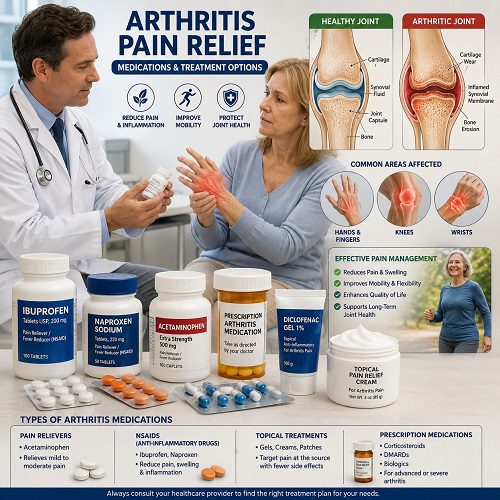
By Arthritis affects millions of people worldwide and remains one of the leading causes of arthritis and reduced mobility. Joint stiffness, inflammation, swelling, and discomfort can significantly impact daily activities and overall quality of life. Fortunately, numerous medications are available that provide effective Arthritis Pain Relief and help individuals manage their symptoms successfully.
Whether you have osteoarthritis, rheumatoid arthritis, or another form of arthritis, selecting the right treatment approach can make a meaningful difference in symptom management. Modern arthritis medications range from over-the-counter pain relievers to prescription anti-inflammatory drugs and disease-modifying therapies that target underlying inflammation. The best medications used for arthritis pain relief, their benefits, possible side effects, and important considerations when developing an effective pain management plan.
Understanding Arthritis Pain
Arthritis is not a single disease but rather a group of conditions affecting the joints. Pain develops from several factors, including:
- Joint inflammation
- Cartilage degeneration
- Swelling around affected joints
- Muscle stiffness
- Reduced joint lubrication
- Immune system activity in autoimmune arthritis
Common symptoms include:
- Joint pain
- Morning stiffness
- Swelling
- Tenderness
- Limited range of motion
- Fatigue
- Reduced mobility
Different forms of arthritis may require different treatment strategies for optimal arthritis pain relief.
Goals of Arthritis Pain Management
Successful pain management focuses on several objectives:
- Reducing pain and discomfort
- Controlling inflammation
- Improving joint function
- Preserving mobility
- Preventing joint damage
- Enhancing quality of life
- Supporting long-term disease management
Many patients achieve the best outcomes through a combination of medications, physical therapy, exercise, and lifestyle modifications.
Acetaminophen for Arthritis Pain Relief
Acetaminophen remains one of the most commonly used medications for mild to moderate arthritis pain.
Benefits
- Widely available
- Gentle on the stomach
- Suitable for many older adults
- Helpful for osteoarthritis pain
- Can be used when anti-inflammatory medications are inappropriate
Limitations
Acetaminophen primarily addresses pain rather than inflammation. Patients experiencing significant swelling may require additional treatments.
Possible Side Effects
- Liver damage when taken excessively
- Potential medication interactions
- Increased risks with alcohol consumption
Patients should always follow recommended dosage guidelines provided by their healthcare providers.
Nonsteroidal Anti-Inflammatory Drugs (NSAIDs)
NSAIDs are among the most effective medications for both pain relief and inflammation reduction.
Common examples include:
- Ibuprofen
- Naproxen
- Diclofenac
- Celecoxib
- Meloxicam
Benefits of NSAIDs
These anti-inflammatory drugs can help:
- Reduce joint pain
- Improve mobility
- Decrease swelling
- Minimize stiffness
- Improve daily functioning
NSAIDs are frequently prescribed for:
- Osteoarthritis
- Rheumatoid arthritis
- Psoriatic arthritis
- Ankylosing spondylitis
Possible Side Effects
Long-term NSAID use may increase risks of:
- Stomach irritation
- Gastrointestinal bleeding
- Kidney problems
- Elevated blood pressure
- Cardiovascular complications in certain patients
Healthcare professionals may recommend periodic monitoring when NSAIDs are used regularly.
Topical Arthritis Medications
Topical treatments have become increasingly popular for arthritis pain management.
Common options include:
- Topical NSAID gels
- Pain-relieving creams
- Lidocaine patches
- Capsaicin creams
Advantages
Topical medications offer several benefits:
- Targeted pain relief
- Reduced systemic side effects
- Easy application
- Suitable for localized joint pain
They may be especially helpful for arthritis affecting:
- Arthritis in Hands
- Knees
- Elbows
- Feet
- Ankles
Many individuals combine topical medications with other treatment approaches for improved symptom control.
Corticosteroid Medications
Corticosteroids are powerful anti-inflammatory medications used when arthritis symptoms become more severe.
They may be administered as:
- Oral medications
- Joint injections
- Intravenous treatments
- Topical preparations
Benefits
Corticosteroids can rapidly:
- Reduce inflammation
- Improve mobility
- Minimize swelling
- Relieve severe pain
Limitations
Because of potential side effects, corticosteroids are generally recommended for short-term use or carefully monitored treatment plans.
Possible side effects include:
- Weight gain
- Increased blood sugar levels
- Bone thinning
- Elevated blood pressure
- Increased infection risk
Healthcare providers carefully balance benefits and risks before recommending corticosteroid therapy.
Disease-Modifying Antirheumatic Drugs (DMARDs)
Patients with rheumatoid arthritis often require specialized arthritis medication known as DMARDs.
These medications include:
- Methotrexate
- Sulfasalazine
- Hydroxychloroquine
- Leflunomide
Unlike traditional pain relievers, DMARDs address the underlying disease process rather than merely reducing symptoms.
Benefits
DMARDs may:
- Slow disease progression
- Prevent joint damage
- Reduce inflammation
- Improve long-term outcomes
- Enhance quality of life
Early treatment significantly improves the likelihood of successful disease management.
Biologic Medications
Biologic therapies represent major advances in arthritis treatment.
These medications target specific immune system pathways responsible for inflammation.
They may benefit patients with:
- Rheumatoid arthritis
- Psoriatic arthritis
- Ankylosing spondylitis
- Juvenile arthritis
Advantages
Biologic medications can:
- Reduce severe inflammation
- Improve physical function
- Slow joint destruction
- Enhance long-term mobility
Because biologics affect immune function, patients require careful medical monitoring throughout treatment.
Janus Kinase (JAK) Inhibitors
JAK inhibitors are newer prescription medications that help control inflammatory arthritis.
These medications may be recommended when:
- Traditional treatments are ineffective.
- Symptoms remain severe.
- Additional disease control is necessary.
Benefits may include:
- Reduced inflammation
- Improved symptom control
- Better physical functioning
- Improved arthritis pain relief
Healthcare providers typically monitor patients closely for possible complications associated with these medications.
Pain Relievers Combined With Physical Therapy
Medication alone is not always sufficient for successful arthritis pain management.
Physical therapy may improve:
- Joint flexibility
- Muscle strength
- Mobility
- Balance
- Daily functioning
Patients often benefit from combining:
- Arthritis medication
- Exercise programs
- Weight management
- Physical therapy
- Joint protection strategies
A multidisciplinary treatment approach frequently provides superior outcomes.
When Are Prescription Medications Necessary?
Prescription medications may become necessary when patients experience:
- Persistent pain
- Severe inflammation
- Progressive joint damage
- Limited mobility
- Failure of over-the-counter treatments
Healthcare providers evaluate several factors before recommending prescription therapies, including:
- Age
- Arthritis type
- Medical history
- Existing medications
- Disease severity
- Treatment goals
Individualized treatment plans remain essential for effective symptom management.
Lifestyle Changes That Improve Arthritis Pain Relief
Medication works best when combined with healthy lifestyle practices.
Regular Exercise
Low-impact activities include:
- Walking
- Swimming
- Cycling
- Stretching exercises
- Strength training
Exercise helps:
- Maintain flexibility
- Improve circulation
- Support joint health
- Reduce stiffness
Weight Management
Maintaining a healthy body weight reduces stress placed upon:
- Knees
- Hips
- Ankles
- Lower back
Even modest weight reduction may significantly improve arthritis symptoms.
Proper Sleep
Quality sleep contributes to:
- Reduced inflammation
- Improved pain tolerance
- Enhanced healing processes
- Better physical function
Medication Safety Tips
Patients should always discuss arthritis medication use with their healthcare providers.
Important considerations include:
- Never exceed recommended dosages.
- Report unusual side effects immediately.
- Inform physicians about all medications and supplements.
- Attend recommended follow-up appointments.
- Avoid combining medications without medical advice.
- Follow monitoring recommendations for long-term treatments.
Safe medication practices significantly improve treatment outcomes.
When Should You See a Healthcare Provider?
Medical evaluation is recommended if arthritis symptoms include:
- Persistent joint pain
- Significant swelling
- Reduced mobility
- Progressive symptoms
- Severe morning stiffness
- Difficulty performing daily activities
Early arthritis diagnosis often improves long-term treatment success and helps preserve joint function.
Herbal Remedies for Arthritis
Herbal Remedies for Arthritis have gained popularity among individuals seeking natural ways to support joint health and manage arthritis-related discomfort. While herbal approaches are not a cure for arthritis, they may complement conventional treatments by supporting mobility, flexibility, and overall joint function.
Several herbs have been traditionally used for their potential anti-inflammatory and antioxidant properties. Turmeric for Arthritis, which contains curcumin, is widely recognized for supporting healthy inflammatory responses. Ginger may help promote joint comfort, while boswellia has been studied for its role in maintaining joint mobility. Green tea extract and devil’s claw are also commonly included in natural wellness routines designed to support healthy joints.
When choosing the Best Supplements for Arthritis Support, it is important to look for products that use high-quality ingredients and are manufactured according to recognized safety standards. Many individuals prefer a Joint Support Herbal Supplement for Arthritis that combines multiple herbal ingredients to provide comprehensive joint support.
Maintaining a healthy lifestyle can further enhance joint health. Regular low-impact exercise, a balanced diet, proper hydration, and adequate sleep may contribute to improved physical function and comfort.
Always consult a healthcare professional before starting herbal supplements, particularly if you take prescription medications or have underlying health conditions.
Frequently Asked Questions
What is the best medication for arthritis pain relief?
The best medication depends on the specific type of arthritis, symptom severity, and individual medical circumstances. Common options include acetaminophen, NSAIDs, corticosteroids, DMARDs, and biologic therapies.
Are anti-inflammatory drugs safe for long-term use?
Many anti-inflammatory drugs can be safely used under medical supervision. However, long-term use may require monitoring for possible side effects involving the stomach, kidneys, or cardiovascular system.
Can arthritis medications completely cure arthritis?
Most medications focus on symptom management and slowing disease progression rather than providing a permanent cure. Early treatment significantly improves outcomes.
Are topical medications effective?
Topical treatments can provide meaningful pain relief for localized arthritis symptoms while minimizing systemic side effects.
Conclusion
Effective Arthritis Pain Relief often requires a personalized combination of arthritis medication, anti-inflammatory drugs, lifestyle modifications, and comprehensive pain management strategies. From over-the-counter medications to advanced biologic therapies, modern treatments offer numerous options for improving comfort, mobility, and overall quality of life.
Because arthritis affects individuals differently, treatment decisions should always be made in consultation with qualified healthcare professionals. Early intervention, regular monitoring, and a comprehensive approach to pain management can help patients maintain active and fulfilling lives while successfully managing their arthritis symptoms.
Medical Disclaimer: This article is intended for educational purposes only and should not replace professional medical advice, diagnosis, or treatment. Always consult your healthcare provider before starting or changing any medication regimen.
Disclaimer:
This article is for educational purposes only and should not replace professional medical advice, diagnosis, or treatment. Always consult a qualified healthcare provider regarding any new or changing scalp or forehead lump.