
 By
By Arthritis is one of the most common causes of chronic pain and disability worldwide. It affects millions of people of all ages, although it becomes more common as people grow older. The condition causes inflammation in one or more joints, leading to pain, stiffness, swelling, and reduced mobility. Without proper care, arthritis can interfere with everyday activities and reduce quality of life.
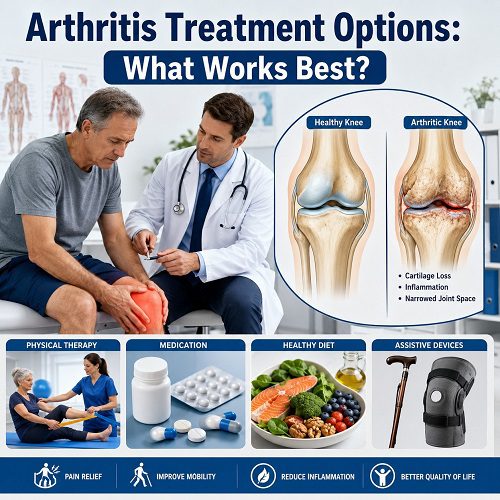
Fortunately, modern Arthritis Treatment has improved significantly over the years. Today, patients have access to a wide range of treatment options, including medications, physical therapy, lifestyle modifications, and, in severe cases, surgery. Choosing the right treatment depends on the type of arthritis, the severity of symptoms, overall health, and personal goals. The most effective arthritis therapies, highlights proven arthritis management strategies, and discusses the best methods for achieving lasting joint pain relief.
Understanding Arthritis
Arthritis is not a single disease. Instead, it refers to more than 100 different conditions affecting the joints. The two most common forms include:
Osteoarthritis (OA)
Osteoarthritis develops when the protective cartilage covering the ends of bones gradually wears away. As cartilage deteriorates, bones begin rubbing against each other, causing pain and stiffness.
Common Arthritis symptoms include:
- Joint pain during movement
- Morning stiffness lasting less than 30 minutes
- Swelling around affected joints
- Reduced flexibility
- Grinding or clicking sensations
Rheumatoid Arthritis (RA)
Rheumatoid arthritis is an autoimmune disease. Instead of protecting the body, the immune system mistakenly attacks healthy joint tissues, causing chronic inflammation.
Symptoms often include:
- Pain in multiple joints
- Warm, swollen joints
- Morning stiffness lasting longer than an hour
- Fatigue
- Fever
- Loss of appetite
Unlike osteoarthritis, rheumatoid arthritis can also affect internal organs if left untreated.
Why Early Arthritis Treatment Matters
Many people assume joint pain is simply part of ageing. However, delaying Arthritis Treatment can allow joint damage to progress.
Early treatment helps:
- Slow disease progression
- Reduce inflammation
- Prevent permanent joint damage
- Improve movement
- Reduce chronic pain
- Maintain independence
People who begin treatment early often experience better long-term outcomes than those who wait until symptoms become severe.
Medications for Arthritis Treatment
Medication is often the first step in an arthritis treatment plan. Different medicines work in different ways depending on the type of arthritis.
Pain Relievers
Pain medications help reduce discomfort but do not slow disease progression.
Common examples include:
- Paracetamol
- Acetaminophen
- Prescription pain relievers for severe pain
These medications are generally recommended for mild to moderate arthritis symptoms.
Non-Steroidal Anti-Inflammatory Drugs (NSAIDs)
NSAIDs reduce both pain and inflammation.
Examples include:
- Ibuprofen
- Naproxen
- Diclofenac
While effective, long-term use may increase the risk of stomach ulcers, kidney problems, and cardiovascular complications. Patients should always follow their healthcare provider’s recommendations.
Corticosteroids
Doctors sometimes prescribe corticosteroids for severe inflammation.
These medications may be given as:
- Tablets
- Joint injections
- Intravenous infusions
Steroids provide rapid symptom relief but are generally used for short periods because prolonged use may cause side effects such as osteoporosis, weight gain, and elevated blood sugar levels.
Disease-Modifying Anti-Rheumatic Drugs (DMARDs)
For rheumatoid arthritis, DMARDs are among the most effective arthritis therapies available.
Examples include:
- Methotrexate
- Sulfasalazine
- Hydroxychloroquine
- Leflunomide
DMARDs work by slowing immune system activity, helping prevent permanent joint damage.
Biologic Medications
Biologics represent a newer generation of treatments specifically designed for autoimmune arthritis.
These medications target specific components of the immune system responsible for inflammation.
Benefits include:
- Reduced swelling
- Improved mobility
- Less joint destruction
- Better quality of life
However, biologics require careful medical monitoring because they may increase infection risk.
Physical Therapy for Arthritis Management
Physical therapy plays an essential role in successful arthritis management.
A trained physiotherapist develops an exercise programme tailored to each patient’s condition and fitness level.
Benefits include:
- Increased flexibility
- Stronger muscles
- Better balance
- Improved posture
- Reduced pain
- Enhanced joint stability
Regular physical therapy can also delay or even prevent the need for surgery in some individuals.
Exercise: One of the Best Arthritis Therapies
Many people avoid exercise because they fear worsening joint pain. In reality, appropriate physical activity is one of the most effective treatments available.
Low-impact exercises help strengthen muscles that support the joints while improving flexibility.
Recommended activities include:
Walking
Walking improves circulation, maintains joint movement, and strengthens leg muscles.
Swimming
Water supports body weight, reducing stress on painful joints while allowing full-body exercise.
Cycling
Cycling strengthens muscles around the knees and hips without excessive joint impact.
Yoga
Yoga combines gentle stretching with balance and relaxation techniques.
Many patients experience improved flexibility and reduced stiffness after regular practice.
Tai Chi
Tai Chi uses slow, controlled movements that improve balance, coordination, and joint function.
Research suggests Tai Chi may reduce pain while improving physical function in people with arthritis.
Weight Management and Joint Pain Relief
Maintaining a healthy weight is one of the most effective ways to reduce pressure on weight-bearing joints.
Excess body weight places additional stress on:
- Knees
- Hips
- Ankles
- Lower back
Studies show that losing even a small amount of weight can significantly improve Arthritis vs Joint Pain relief and increase mobility.
Healthy weight management combines:
- Balanced nutrition
- Regular exercise
- Portion control
- Sustainable lifestyle habits
Rather than following restrictive diets, patients should aim for gradual, long-term weight loss when necessary.
Healthy Eating and Nutrition for Arthritis Management
A balanced diet cannot cure arthritis, but it can support overall health and help reduce inflammation. Eating nutrient-rich foods may also improve energy levels, maintain a healthy weight, and contribute to better arthritis management.
Foods That May Help
Consider including these foods in your daily meals:
- Fatty fish such as salmon, sardines, and mackerel
- Leafy green vegetables like spinach and kale
- Colourful fruits, including berries, oranges, and cherries
- Whole grains such as oats and brown rice
- Nuts and seeds, including walnuts and flaxseeds
- Olive oil as a healthy fat source
These foods provide vitamins, minerals, antioxidants, and healthy fats that support joint health.
Foods to Limit
Some foods may contribute to inflammation or weight gain. It may help to reduce:
- Sugary drinks
- Processed snacks
- Fried foods
- Excessive red and processed meat
- Refined carbohydrates
- Excess alcohol
A registered dietitian can help create a meal plan that supports your treatment goals.
Heat and Cold Therapy
Simple home treatments can complement professional Arthritis Treatment and provide temporary symptom relief.
Heat Therapy
Heat helps relax muscles and improve blood flow.
Examples include:
- Warm showers
- Heating pads
- Warm towels
- Warm baths
Heat therapy is particularly useful for morning stiffness.
Cold Therapy
Cold helps reduce swelling and numb painful areas.
Common options include:
- Ice packs
- Cold gel packs
- Frozen vegetables wrapped in a towel
Cold therapy often works best after physical activity or during arthritis flare-ups.
Assistive Devices for Better Joint Function
Assistive devices can reduce stress on painful joints and improve independence.
Common examples include:
- Walking sticks
- Canes
- Knee braces
- Wrist splints
- Shoe inserts
- Jar openers
- Ergonomic kitchen tools
These aids help people continue daily activities with less discomfort.
Occupational Therapy
Occupational therapists teach practical ways to protect the joints during everyday tasks.
They may recommend:
- Better lifting techniques
- Modified workstations
- Joint protection strategies
- Energy conservation methods
- Adaptive equipment
These changes can reduce pain while helping individuals remain active at home and work.
Natural and Complementary Arthritis Therapies
Many people explore complementary approaches alongside conventional medical care. While some may offer symptom relief, they should not replace treatment recommended by a healthcare professional.
Herbal Supplements
Certain herbal products are traditionally used to support joint health. However, scientific evidence varies, and some Joint Support Herbal Supplement for Arthritis may interact with medications. Always consult your healthcare provider before using Herbal Remedies for Arthritis.
Omega-3 Fatty Acids
Fish oil supplements may help reduce inflammation in some people with rheumatoid arthritis.
Potential benefits include:
- Less morning stiffness
- Reduced joint tenderness
- Improved mobility
Acupuncture
Acupuncture involves inserting very fine needles into specific points on the body.
Some individuals report:
- Reduced pain
- Improved movement
- Better overall well-being
Research suggests it may benefit some people, although results vary.
Massage Therapy
Gentle massage may:
- Relax tense muscles
- Improve circulation
- Reduce stiffness
- Promote relaxation
Massage should always be performed by a qualified therapist familiar with arthritis.
When Is Surgery Needed?
Most people successfully manage arthritis without surgery. However, when severe joint damage causes persistent pain and significantly limits daily life, surgery may become an option.
Common procedures include:
Joint Replacement
Damaged joints are replaced with artificial implants.
This procedure is most commonly performed on:
- Knees
- Hips
- Shoulders
Joint replacement often provides substantial pain relief and restores mobility.
Joint Repair
Some damaged tissues can be repaired using minimally invasive techniques.
Joint Fusion
In certain cases, two bones are permanently joined to eliminate painful movement.
Your orthopaedic surgeon will recommend the most suitable option based on your condition.
Lifestyle Changes That Support Arthritis Treatment
Successful arthritis management extends beyond medication. Healthy lifestyle habits can improve long-term outcomes and enhance quality of life.
Stay Physically Active
Regular movement keeps joints flexible and muscles strong.
Get Enough Sleep
Quality sleep supports healing and reduces fatigue.
Stop Smoking
Smoking increases inflammation and may worsen rheumatoid arthritis.
Manage Stress
Stress can make pain feel more intense.
Helpful stress-management techniques include:
- Meditation
- Deep breathing
- Gentle yoga
- Reading
- Spending time outdoors
Keep Regular Medical Appointments
Routine check-ups allow treatment plans to be adjusted as symptoms change.
Choosing the Best Arthritis Treatment
There is no single treatment that works for everyone. The most effective approach depends on several factors, including:
- Type of arthritis
- Severity of symptoms
- Age
- Overall health
- Lifestyle
- Personal preferences
Many people achieve the best results through a combination of treatments rather than relying on one solution alone.
For example, a personalised treatment plan may include:
- Medication
- Physical therapy
- Regular exercise
- Healthy eating
- Weight management
- Joint protection strategies
Working closely with your healthcare team ensures your treatment plan remains effective as your needs change over time.
Living Well with Arthritis
Although arthritis is often a long-term condition, many people continue to lead active and fulfilling lives. Early arthritis diagnosis, consistent treatment, and healthy daily habits can make a significant difference.
Staying informed about your condition, following medical advice, and maintaining an active lifestyle can help reduce pain, improve joint function, and protect mobility for years to come.
Remember that treatment plans may need adjustment over time. Regular communication with your healthcare provider is essential for managing symptoms effectively and maintaining the best possible quality of life.
Conclusion
Finding the right Arthritis Treatment involves understanding your specific condition and choosing therapies that address both symptoms and long-term joint health. From medications and physical therapy to healthy eating, exercise, weight management, and, when necessary, surgery, there are many effective options available.
Combining proven arthritis therapies with practical arthritis management strategies often delivers the best results. By taking an active role in your care and working closely with your healthcare provider, you can achieve meaningful joint pain relief, maintain mobility, and continue enjoying your daily activities.
Frequently Asked Questions (FAQs)
1. What is the best Arthritis Treatment?
The best treatment depends on the type and severity of arthritis. Many people benefit from a combination of medication, exercise, physical therapy, healthy eating, and lifestyle changes.
2. Can arthritis be cured?
Most forms of arthritis cannot be cured, but effective treatment can control symptoms, slow disease progression, and improve quality of life.
3. Is exercise safe for arthritis?
Yes. Low-impact activities such as walking, swimming, cycling, yoga, and Tai Chi are generally recommended to improve flexibility and strengthen muscles.
4. Can losing weight help arthritis?
Yes. Maintaining a healthy weight reduces pressure on the joints, particularly the knees and hips, and can significantly decrease pain and improve mobility.
5. When should I consider surgery?
Surgery is usually considered when severe joint damage causes persistent pain and significantly limits daily activities despite other treatments.
Disclaimer:
This article is for educational purposes only and should not replace professional medical advice, diagnosis, or treatment. Always consult a qualified healthcare provider regarding any new or changing scalp or forehead lump.