 By
Your heart normally beats in a steady rhythm, responding to electrical signals that coordinate each contraction. However, you may sometimes notice that your heart races, skips a beat or seems to flutter in your chest. These sensations are often described as heart palpitations, and they can occur for several reasons.
Some changes in heart rhythm are harmless, while others require medical assessment. One important distinction is between occasional irregular beats and atrial fibrillation (AF), a specific type of heart rhythm disorder that can increase the risk of stroke and other complications.
Knowing the difference between Atrial Fibrillation vs irregular heartbeat can help you recognise concerning symptoms and understand when to seek medical advice. However, symptoms alone cannot reliably establish which rhythm problem you have. An electrocardiogram (ECG) and, in some cases, additional heart monitoring are needed to identify the cause. Atrial Fibrillation differences, common symptoms, possible causes, diagnostic tests and available treatments.
What Is an Irregular Heartbeat?
An irregular heartbeat occurs when your heart does not beat at its usual rhythm. The medical term for an abnormal heart rhythm is arrhythmia. Arrhythmias range from occasional extra beats that cause little concern to conditions that need urgent treatment.
A normal resting heart rate in most adults is between 60 and 100 beats per minute, although fitness, medication, sleep, stress and other factors can affect this rate.
Your heart may occasionally beat earlier than expected, pause briefly before the next beat or speed up in response to exercise or anxiety. These changes do not automatically mean that you have a serious heart condition.
Common types of irregular heartbeat
- Premature atrial contractions (PACs): Extra beats that begin in the upper chambers of the heart.
- Premature ventricular contractions (PVCs): Extra beats that begin in the lower chambers.
- Sinus arrhythmia: A natural variation in heart rate, often associated with breathing.
- Tachycardia: A heart rate that is faster than expected in the circumstances.
- Bradycardia: A heart rate that is slower than expected, which can be normal in some healthy people but abnormal in others.
- Atrial fibrillation: An abnormal rhythm involving disorganised electrical activity in the upper chambers of the heart.
Some of these rhythms are benign, while others may indicate an underlying medical problem. The significance depends on the type of rhythm, your symptoms, medical history and overall health.
What Is Atrial Fibrillation?
Atrial fibrillation is a common type of arrhythmia in which the upper chambers of the heart, called the atria, develop disorganised electrical activity. Instead of contracting in a coordinated manner, they quiver or fibrillate.
As a result, electrical signals reach the lower chambers, known as the ventricles, irregularly. This often causes a pulse that is irregularly irregular, meaning that the intervals between beats vary without a consistent pattern.
The heart may also beat faster than usual, particularly when AF is not adequately controlled.
Why atrial fibrillation matters
Atrial fibrillation is important because it can affect blood flow through the heart. When the atria do not contract effectively, blood may remain in parts of these chambers and form a clot. If a clot travels to the brain, it can cause an ischaemic stroke.
AF may also cause symptoms such as breathlessness, fatigue and dizziness. In some people, a persistently rapid heart rate can weaken the heart muscle and contribute to heart failure.
However, not everyone with AF experiences noticeable symptoms. Some people discover the condition during a routine medical examination or investigation for another problem.
Types of atrial fibrillation
Clinicians generally classify AF according to how long it lasts and whether it stops on its own or requires treatment.
- Paroxysmal AF: Episodes that stop spontaneously or with intervention, usually within seven days.
- Persistent AF: AF that continues for more than seven days.
- Long-standing persistent AF: AF that has continued continuously for at least 12 months.
- Permanent AF: A clinical decision to stop further attempts to restore or maintain a normal rhythm.
These categories help guide treatment, but the type alone does not determine an individual’s stroke risk.
Atrial Fibrillation vs Irregular Heartbeat: Key Differences
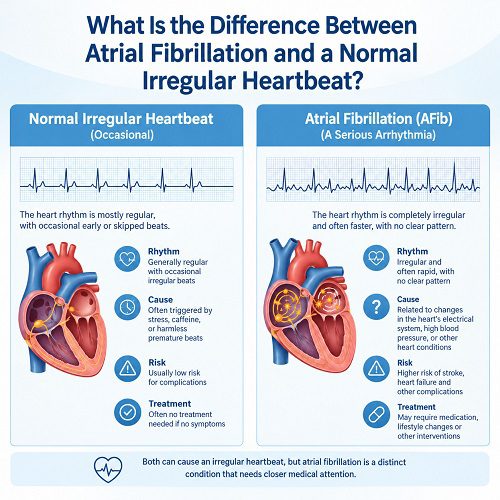
The main difference is that irregular heartbeat is a broad term for a rhythm that differs from the expected pattern, whereas atrial fibrillation is a specific abnormal rhythm caused by disorganised electrical activity in the atria.
For example, an occasional premature beat may cause a brief sensation of a skipped heartbeat. AF, by contrast, often produces an ongoing irregular rhythm during an episode, although it can start and stop.
| Feature | Occasional irregular beats | Atrial fibrillation |
| Meaning | A broad description of an altered rhythm | A specific type of arrhythmia |
| Common pattern | An extra beat or brief pause | An irregularly irregular rhythm |
| Duration | Often a single beat or brief episode | May last minutes, hours, days or longer |
| Symptoms | May feel like a skipped or forceful beat | May cause fluttering, racing, fatigue or breathlessness |
| Stroke risk | Depends on the underlying rhythm and other conditions | Can increase stroke risk |
| Diagnosis | ECG or monitoring if needed | ECG confirmation is required |
| Treatment | Often unnecessary for occasional benign premature beats | May include stroke prevention, rate or rhythm control |
These differences are general patterns rather than a reliable way to diagnose yourself. Other arrhythmias can cause similar symptoms, and some people with AF have no symptoms at all.
What Do Heart Palpitations Feel Like?
Heart palpitations describe the sensation of being unusually aware of your heartbeat. You might notice pounding, fluttering, racing or an apparent pause between beats.
Palpitations are a symptom rather than a diagnosis. They can occur during normal changes in heart rate, with premature contractions, during AF or with other medical conditions.
Common sensations
You may experience:
- A brief feeling that your heart has skipped a beat.
- A forceful beat after a short pause.
- A fluttering sensation in your chest.
- A rapid heartbeat that begins suddenly.
- An irregular pulse that continues for several minutes.
- A pounding heartbeat during rest or sleep.
Occasional palpitations can occur in otherwise healthy people. Stress, anxiety, lack of sleep, caffeine, alcohol, nicotine and certain medicines may contribute.
However, recurring palpitations should not automatically be attributed to stress. If they are new, persistent, becoming more frequent or accompanied by other symptoms, arrange a medical assessment.
How palpitations may differ in AF
During AF, you may notice that your pulse has no consistent spacing between beats. Your heart may also race, and you might feel unusually tired or short of breath.
Other people experience only mild symptoms or none at all. The absence of palpitations does not rule out AF, and feeling a flutter does not prove that you have it.
What Causes an Irregular Heartbeat?
Several factors can affect the heart’s electrical system. The cause may be temporary, related to another health condition or associated with the heart’s structure.
Common triggers
Potential triggers of occasional irregular beats include:
- Emotional stress or anxiety.
- Excessive caffeine or alcohol.
- Smoking or nicotine use.
- Poor sleep or fatigue.
- Dehydration.
- Certain prescription medicines or stimulants.
- Electrolyte imbalances, including abnormal potassium levels.
Some premature contractions occur without an identifiable cause. They are often harmless when occasional and when no underlying heart disease is present.
Medical conditions that can affect heart rhythm
An irregular heartbeat may also be associated with:
- Thyroid disorders, particularly an overactive thyroid.
- Anaemia.
- Heart valve disease.
- Coronary artery disease.
- Heart muscle disease.
- High blood pressure.
- Sleep apnoea.
- Electrolyte disturbances.
The same factors can contribute to AF, although not every person with AF has an obvious trigger or underlying condition.
What Increases the Risk of Atrial Fibrillation?
AF becomes more common with age, but it can occur in younger adults as well. Certain health conditions and lifestyle factors increase the likelihood of developing it.
Important risk factors include:
- Increasing age: The likelihood of AF rises as people get older.
- High blood pressure: Long-term hypertension can change the structure of the heart.
- Heart disease: Coronary artery disease, heart failure and valve problems may increase risk.
- Diabetes: Diabetes is associated with a greater likelihood of developing AF.
- Obesity: Excess body weight can contribute to structural changes and inflammation.
- Sleep apnoea: Repeated interruptions to breathing during sleep are associated with AF.
- Excessive alcohol consumption: Heavy drinking can trigger episodes and contribute to long-term risk.
- Overactive thyroid: Excess thyroid hormone can affect heart rate and rhythm.
- Family history: Genetic factors may contribute to susceptibility.
Having one or more risk factors does not mean you will develop AF. Equally, someone without obvious risk factors can still develop the condition.
Managing blood pressure, maintaining a healthy weight, treating sleep apnoea and limiting alcohol may help reduce AF risk or recurrence.
How Is Atrial Fibrillation Diagnosed?
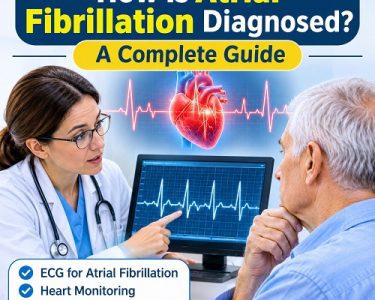
Symptoms alone cannot distinguish Atrial Fibrillation from other types of abnormal heart rhythm. A clinician will consider your medical history, examine you and arrange appropriate tests.
1. Electrocardiogram (ECG)
An ECG records the heart’s electrical activity through electrodes placed on your skin. It is the standard test used to confirm AF.
During AF, the ECG typically shows disorganised atrial activity and an irregular ventricular rhythm without the usual consistent pattern of normal sinus beats.
An ECG may also identify other rhythm abnormalities, including premature contractions.
2. Holter monitor or ambulatory ECG
AF can come and go, so a standard ECG may appear normal if an episode has ended before the recording.
A Holter monitor records your heart rhythm continuously, commonly for 24–48 hours. Longer-term monitors or event recorders may be appropriate when symptoms occur less frequently.
Your clinician may ask you to record when symptoms occur so they can compare them with the rhythm tracing.
3. Blood tests
Blood tests may help identify contributing conditions, such as thyroid dysfunction, anaemia or electrolyte abnormalities. They cannot confirm AF on their own.
4. Echocardiogram
An echocardiogram uses ultrasound to assess the heart’s structure and pumping function. It may help identify valve disease, changes in chamber size or other conditions that affect treatment decisions.
Your clinician may also recommend additional tests depending on your symptoms and medical history.
How Is an Irregular Heartbeat Treated?
Treatment depends on the type of rhythm disturbance, how often it occurs, whether it causes symptoms and whether an underlying condition is present.
Occasional premature beats
If tests show that your palpitations are caused by occasional premature atrial or ventricular contractions and there is no significant underlying heart disease, treatment may not be necessary.
Your clinician may recommend:
- Reducing excessive caffeine or alcohol.
- Avoiding nicotine and recreational stimulants.
- Getting sufficient sleep.
- Maintaining adequate hydration.
- Reviewing medicines that may contribute to palpitations.
- Managing stress and treating relevant medical conditions.
If symptoms are troublesome, a clinician may consider medication. Rarely, frequent premature beats that cause significant symptoms or weaken the heart muscle may require a procedure such as catheter ablation.
Do not stop prescribed medication or make major changes to your fluid or electrolyte intake without appropriate medical advice.
Treatment for atrial fibrillation
AF often requires a more structured management plan because of its potential complications.
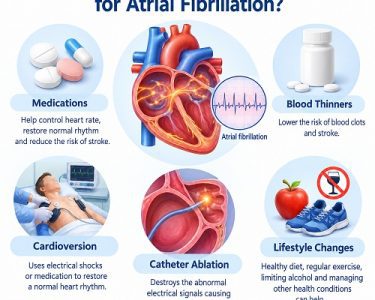
Treatment may involve three main approaches:
- Stroke prevention: Anticoagulant medication may be recommended when the estimated risk of stroke justifies treatment.
- Rate control: Medicines such as beta-blockers can help slow the heart rate.
- Rhythm control: Antiarrhythmic medicines, electrical cardioversion or catheter ablation may help restore or maintain a normal rhythm in selected patients.
The best approach depends on your symptoms, AF pattern, other medical conditions, bleeding risk, preferences and response to previous treatment.
Not everyone with AF needs the same medicines or procedure. Decisions should be made with a qualified healthcare professional.
Natural Treatment for Atrial Fibrillation
Natural Remedies for Atrial Fibrillation may help support heart health and manage certain lifestyle factors associated with atrial fibrillation (AFib). However, natural approaches cannot reliably restore a normal heart rhythm or replace prescribed medical treatment.
Lifestyle Changes for Heart Health
A heart-healthy lifestyle can help reduce AFib triggers and support cardiovascular wellbeing. Follow a balanced diet rich in vegetables, fruits, whole grains, legumes, and healthy fats. Limit excessive salt and highly processed foods to help manage blood pressure.
Regular, moderate exercise may benefit heart health, but discuss a suitable activity level with your healthcare professional, particularly if you experience dizziness, breathlessness, or palpitations.
Limiting alcohol, avoiding smoking, maintaining a healthy weight, and managing stress may also help reduce AFib episodes in some people. Relaxation techniques, such as deep breathing and meditation, can support stress management. Prioritise adequate sleep and seek assessment for possible sleep apnoea.
Can Natural Remedies Treat AFib?
Some people consider herbal products and supplements for heart health. However, evidence supporting their effectiveness against AFib remains limited. Certain supplements can interact with blood thinners or heart medications, so consult your healthcare professional before using them.
When Should You Seek Medical Help?
An irregular heartbeat does not always indicate a medical emergency, but certain symptoms require immediate attention.
Call your local emergency service if palpitations are accompanied by chest pain or pressure, severe shortness of breath, fainting or collapse. Sudden weakness on one side, facial drooping, difficulty speaking or sudden loss of vision may indicate a stroke and also require emergency care.
Speak to a healthcare professional if you have recurring palpitations, a newly irregular pulse, unexplained fatigue, dizziness or reduced exercise tolerance. Seek prompt assessment if you suspect AF, even if the symptoms are mild.
If severe symptoms have stopped, you should still seek urgent medical assessment. Do not drive yourself to emergency care if you are experiencing symptoms that could indicate a serious heart problem.
Can You Prevent an Abnormal Heart Rhythm?
Not every arrhythmia can be prevented. Some are related to inherited conditions or changes in the heart’s electrical system. However, healthy habits and treatment of underlying medical conditions may reduce the frequency of some rhythm disturbances and lower the risk of AF.
Consider these practical steps:
- Manage blood pressure: Check it regularly and follow your clinician’s treatment recommendations.
- Maintain a healthy weight: Gradual, sustainable weight management may improve cardiovascular health.
- Exercise regularly: Follow an activity plan appropriate for your fitness level and any diagnosed heart condition.
- Limit alcohol: Avoid heavy drinking and discuss alcohol-related triggers with your clinician.
- Prioritise sleep: Seek assessment for loud snoring, interrupted breathing or excessive daytime sleepiness.
- Review your medicines: Ask a pharmacist or clinician whether any medicines or supplements could affect your heart rhythm.
- Manage existing conditions: Keep diabetes, thyroid disorders and other relevant health problems under appropriate control.
- Avoid tobacco and recreational stimulants: These substances can affect heart rate and cardiovascular health.
If you already have AF, follow your prescribed treatment plan even when your symptoms disappear. An episode ending does not necessarily mean that the underlying condition has resolved.
Frequently Asked Questions
1. Is atrial fibrillation worse than an irregular heartbeat?
Atrial fibrillation is one specific type of irregular heartbeat. It can be more concerning than occasional benign premature beats because it increases the risk of stroke and may contribute to heart failure. However, other arrhythmias can also be dangerous, so the actual risk depends on the rhythm and the individual’s health.
2. Can an irregular heartbeat be normal?
Yes. Some people experience occasional premature contractions or breathing-related variations in heart rate without having a serious heart condition. Nevertheless, a new, persistent or recurring irregular heartbeat should be assessed rather than automatically assumed to be harmless.
3. How can I tell if I have atrial fibrillation at home?
You may notice a pulse that feels irregular, a racing heartbeat, fluttering, fatigue or breathlessness. However, these signs cannot confirm AF. A smartwatch may flag a possible rhythm problem, but a clinician should assess the finding and arrange appropriate ECG testing.
4. Does atrial fibrillation always cause a fast heartbeat?
No. Atrial Fibrillation often causes a fast ventricular rate, but the rate can be normal or slow, particularly in people taking rate-controlling medication or those with problems affecting the heart’s electrical conduction. An irregular pulse can still occur.
5. Can anxiety cause an irregular heartbeat?
Anxiety can increase heart rate and make you more aware of your heartbeat. Stress may also contribute to premature contractions in some people. However, anxiety should not be assumed to be the cause of recurring palpitations without considering possible medical explanations.
6. Can atrial fibrillation go away on its own?
Some episodes of paroxysmal Atrial Fibrillation stop spontaneously. However, this does not mean the condition has been cured or that future episodes will not occur. Medical assessment remains important because stroke prevention and other treatment decisions depend on your overall risk, not simply whether symptoms are present.
7. Can dehydration cause heart palpitations?
Yes. Dehydration may contribute to palpitations, particularly if it affects fluid balance or electrolyte levels. However, palpitations during dehydration can have other causes as well. Persistent symptoms or symptoms accompanied by chest pain, fainting or severe breathlessness require medical attention.
8. What is the best test to distinguish AF from other irregular heart rhythms?
A 12-lead ECG is the standard initial test for confirming AF. If episodes come and go and the ECG does not capture them, ambulatory monitoring may be needed to record the heart rhythm for longer.
Conclusion
The difference between Atrial Fibrillation vs irregular heartbeat comes down to the type of electrical activity affecting the heart. An irregular heartbeat is a broad term that includes several rhythm patterns, some of which are harmless. Atrial fibrillation is a specific arrhythmia that can increase the risk of stroke, blood clots and heart failure.
Although occasional skipped beats are common, recurring palpitations, an unexplained irregular pulse or symptoms such as dizziness and breathlessness deserve medical attention. Because different rhythm disorders can feel similar, an ECG and, where necessary, longer-term monitoring are the most reliable ways to identify the cause.
If you have been diagnosed with Atrial Fibrillation, appropriate treatment, regular follow-up and management of cardiovascular risk factors can help reduce complications. Do not ignore persistent symptoms or change prescribed treatment without professional guidance.
Medical disclaimer
This article is for general educational purposes only and does not replace professional medical advice, diagnosis or treatment. An irregular heartbeat may have several causes, and symptoms alone cannot establish a diagnosis. Seek advice from a qualified healthcare professional if you experience recurring palpitations or suspect a heart rhythm disorder. Obtain emergency medical care for palpitations accompanied by chest pain, severe breathlessness, fainting or signs of stroke.
Medical references
The following reputable clinical resources support the medical information in this article.
- NHS — Atrial fibrillation. Symptoms, diagnosis and treatment information.
Read the NHS guide to atrial fibrillation. - NHS — Heart rhythm problems (arrhythmia). General information about palpitations, irregular heart rhythms and warning signs.
Read the NHS guide to arrhythmias. - National Institute for Health and Care Excellence (NICE). Atrial fibrillation: diagnosis and management, guideline NG196.
Read the NICE clinical guideline. - American Heart Association. Premature Contractions — PACs and PVCs. Information about premature beats, causes, symptoms and treatment.
Read the AHA guide to premature contractions. - Joglar JA, et al. 2023 ACC/AHA/ACCP/HRS Guideline for the Diagnosis and Management of Atrial Fibrillation. Journal of the American College of Cardiology. 2024;83(1):109–279.
Read the atrial fibrillation guideline summary. - National Institute for Health and Care Excellence (NICE). Atrial fibrillation: diagnosis and management — recommendations on ECG diagnosis, stroke prevention, rate control and rhythm control.
Review the NICE recommendations.