 By
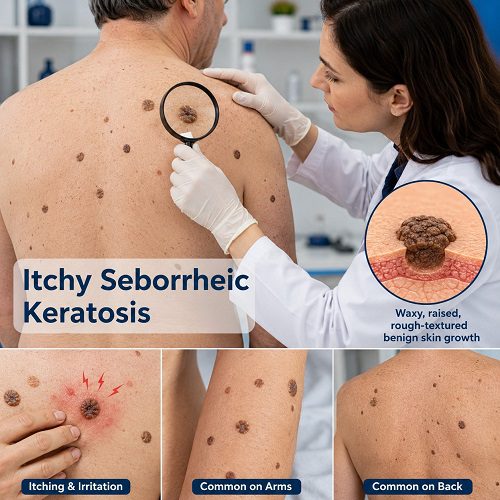
By An itchy seborrheic keratosis can be frustrating and uncomfortable, especially when the itching becomes persistent or interferes with daily activities. Seborrheic keratosis is one of the most common non-cancerous skin growths seen in adults. While many people experience these growths without symptoms, others notice irritation, tenderness, or itching that can become bothersome over time.
The good news is that itchy seborrheic keratosis is usually not a sign of a serious medical problem. In many cases, the itching is caused by friction, skin dryness, inflammation, or irritation from clothing and environmental factors. Understanding why these growths itch can help you manage symptoms effectively and know when to seek professional medical advice. The causes of itchy seborrheic keratosis, common symptoms, treatment options, home care strategies, and ways to reduce irritation naturally.
What is Seborrheic Keratosis?
Seborrheic keratosis is a benign skin growth that commonly develops in Seborrheic keratosis middle-aged and older adults. These growths often appear as:
- Brown, black, tan, or yellow lesions
- Slightly raised patches
- Waxy or wart-like growths
- Rough or scaly surfaces
- Well-defined borders
They can occur almost anywhere on the body, including:
- Chest
- Seborrheic Keratosis on the Back
- Neck
- Seborrheic Keratosis on the Face
- Shoulders
- Abdomen
- Scalp
Although seborrheic keratosis is harmless, it can sometimes become itchy or irritated, especially when exposed to friction or environmental triggers.
Can Seborrheic Keratosis Cause Itching?
Yes. Itching is a relatively common symptom associated with seborrheic keratosis.
Some people experience mild occasional itching, while others report persistent irritation. The itching may affect a single lesion or multiple growths simultaneously.
Common descriptions include:
- Mild tickling sensation
- Intermittent itching
- Burning or irritation
- Sensitivity to touch
- Feeling the urge to scratch repeatedly
Although itching can be annoying, it does not necessarily mean the growth is dangerous.
Why Does Itchy Seborrheic Keratosis Happen?
Several factors may contribute to itching and irritation.
1. Friction from Clothing
One of the most common causes of itchy seborrheic keratosis is repeated rubbing against clothing.
Areas commonly affected include:
- Waistline
- Bra line
- Underarms
- Neck
- Shoulders
Constant friction may trigger inflammation and irritation.
2. Dry Skin
Dry skin often makes seborrheic keratosis lesions feel more noticeable and itchy.
When the surrounding skin lacks moisture:
- Skin barrier function decreases
- Irritation becomes more likely
- Itching sensations intensify
Dry winter weather may worsen symptoms.
3. Inflammation
Sometimes the body’s immune response Seborrheic Keratosis causes mild inflammation around a lesion.
Inflammation may lead to:
- Redness
- Tenderness
- Swelling
- Increased itching
Inflamed lesions often feel more uncomfortable than non-inflamed growths.
4. Scratching
Repeated scratching creates a cycle of irritation.
The more a lesion is scratched:
- Skin becomes inflamed
- Nerve endings become more sensitive
- Itching often worsens
Breaking the itch-scratch cycle is important for symptom relief.
5. Skin Irritants
Certain products may aggravate the skin.
Potential irritants include:
- Harsh soaps
- Fragranced lotions
- Alcohol-based skincare products
- Strong detergents
Sensitive skin may react with increased itching.
6. Sweating
Excess moisture and sweat can irritate seborrheic keratosis growths.
This commonly occurs:
- During exercise
- In hot weather
- Under tight clothing
Sweat can increase friction and inflammation.
Symptoms of Itchy Seborrheic Keratosis
Seborrheic Keratosis Symptoms vary from person to person.
Common signs include:
Persistent Itching
The most noticeable symptom is itching around the lesion.
Rough Texture
The growth may feel rough, waxy, or slightly scaly.
Redness
Inflamed lesions may become red or pink around the edges.
Tenderness
Some people experience mild pain or sensitivity.
Irritation from Touch
The lesion may become uncomfortable when rubbed.
Flaking
Dry, irritated lesions sometimes shed small flakes of skin.
Where Does Itching Commonly Occur?
Certain body areas are more prone to irritation.
Chest
Clothing friction can cause repeated rubbing.
Back
Sweating and pressure from chairs may contribute.
Neck
Collars, necklaces, and scarves often irritate lesions.
Face
Skincare products may trigger itching.
Scalp
Hair products and scratching can increase discomfort.
Is Itchy Seborrheic Keratosis Dangerous?
Itchy Seborrheic Keratosis Dangerous, In most cases, no.
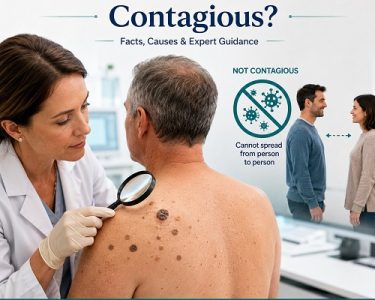
Seborrheic keratosis is considered a benign skin condition and does not typically become cancerous.
However, you should seek medical evaluation if you notice:
- Rapid growth
- Bleeding
- Significant color changes
- Irregular borders
- Persistent pain
- Ulceration
These symptoms may require examination to rule out other skin conditions.
Conditions That May Resemble Itchy Seborrheic Keratosis
Several skin conditions can look similar.
Actinic Keratosis
Actinic Keratosis, A precancerous lesion caused by Seborrheic Keratosis Sun Exposure.
Melanoma
A serious form of skin cancer requiring prompt treatment.
Common Warts
Raised skin growths caused by viral infection.
Eczema
Inflammatory skin condition associated with itching.
Psoriasis
A chronic skin disorder that causes scaly patches.
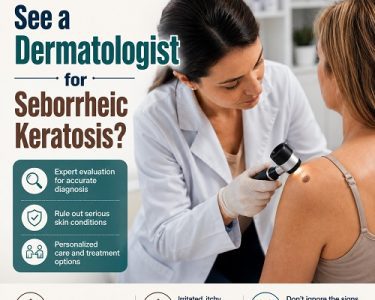
A dermatologist can provide an accurate diagnosis.
How Is Itchy Seborrheic Keratosis Diagnosed?
Seborrheic Keratosis Diagnosis usually involves a physical examination.
Medical History
The doctor may ask about:
- Duration of symptoms
- Changes in appearance
- Previous skin conditions
- Family history
Skin Examination
Most lesions can be identified visually.
Dermoscopy
A special magnifying device may be used for closer inspection.
Biopsy
If there is uncertainty, a small sample may be examined under a microscope.
How to Soothe Itchy Seborrheic Keratosis
There are several ways to reduce discomfort.
Use Gentle Moisturizers
Moisturizers help improve the skin barrier and reduce dryness.
Look for:
- Fragrance-free products
- Sensitive skin formulas
- Hydrating creams
Apply daily for best results.
Avoid Scratching
Although difficult, avoiding scratching is essential.
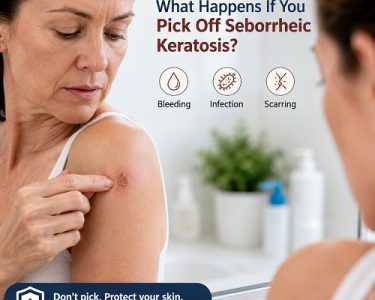
Scratching may:
- Increase inflammation
- Cause bleeding
- Lead to infection
Wear Loose Clothing
Soft fabrics reduce friction and irritation.
Choose:
- Cotton clothing
- Loose-fitting garments
- Breathable fabrics
Use Mild Cleansers
Gentle cleansers help protect the skin barrier.
Avoid:
- Harsh soaps
- Strong fragrances
- Excessive exfoliation
Keep Skin Cool
Heat can worsen itching.
Helpful strategies include:
- Cool compresses
- Air-conditioned environments
- Lightweight clothing
Maintain Good Hydration
Drinking adequate water supports healthy skin function.
Medical Treatments for Itchy Seborrheic Keratosis
If symptoms persist, professional treatment may be beneficial.
Cryotherapy
Liquid nitrogen freezes and destroys the lesion.
Benefits include:
- Quick procedure
- Minimal downtime
- Effective removal
Curettage
The growth is carefully scraped away.
This technique is commonly used for raised lesions.
Electrocautery
A controlled electrical current removes the growth.
Laser Therapy
Lasers can target and eliminate certain lesions.
Prescription Medications
Doctors may recommend topical Seborrheic Keratosis treatments to reduce irritation.
Natural Ways to Support Skin Comfort
While Natural Remedies for Seborrheic Keratosis cannot remove seborrheic keratosis, they may help soothe irritated skin.
Aloe Vera
Aloe vera may provide cooling and moisturizing effects.
Oatmeal Baths
Colloidal oatmeal is commonly used to calm itchy skin.
Coconut Oil
Some individuals find coconut oil helpful for dryness.
Humidifiers
Adding moisture to indoor air may reduce skin dryness.
Always test new products carefully to avoid irritation.
Lifestyle Tips to Prevent Irritation
Simple lifestyle adjustments can make a significant difference.
Protect Your Skin
Avoid excessive rubbing and scratching.
Choose Gentle Skin Care
Use products formulated for sensitive skin.
Manage Sweat
Shower after exercise and wear breathable fabrics.
Monitor Changes
Regularly check lesions for unusual changes.
Schedule Skin Exams
Routine dermatology visits help monitor skin health.
When to See a Doctor
Consult a healthcare professional if:
- Itching becomes severe
- Home remedies do not help
- Lesions bleed frequently
- Pain develops
- Growths change rapidly
- New suspicious lesions appear
Early evaluation can provide peace of mind and appropriate treatment.
Frequently Asked Questions
Can itchy seborrheic keratosis go away on its own?
The itching may improve, but the growth itself usually remains unless removed.
Is itching a sign of skin cancer?
Not necessarily. Many benign skin conditions cause itching. However, concerning changes should always be evaluated.
Can stress make itching worse?
Stress may increase skin sensitivity and worsen itching in some individuals.
Can I remove seborrheic keratosis at home?
Home removal is not recommended. Professional diagnosis and treatment are safer.
Does moisturizing help?
Yes. Moisturizing often reduces dryness-related itching and irritation.
Conclusion
Itchy seborrheic keratosis is a common concern among people with these benign skin growths. While the condition is generally harmless, itching can develop due to friction, dry skin, inflammation, sweating, or irritation from external factors. Fortunately, many cases can be managed through gentle skincare, moisturizing, avoiding scratching, and reducing friction.
If symptoms become severe or if the lesion changes in appearance, seeking medical evaluation is important. A dermatologist can confirm the diagnosis and recommend appropriate treatment options. With proper care and attention, most people can successfully soothe itchy seborrheic keratosis and maintain healthier, more comfortable skin.
Disclaimer:
This article is for educational purposes only and should not replace professional medical advice, diagnosis, or treatment. Always consult a qualified healthcare provider regarding any new or changing scalp or forehead lump.