 By
By Seborrheic keratosis is one of the most common noncancerous skin growths seen in adults, especially as they age. Many people become concerned when they notice a new growth on their skin, particularly if it changes in size, color, or texture. A common question that arises is: is seborrheic keratosis dangerous?
The good news is that seborrheic keratosis is generally considered a benign condition and does not usually pose a serious health risk. However, understanding its characteristics, potential complications, and when to seek medical attention is important for maintaining healthy skin and peace of mind. Seborrheic Keratosis, including its causes, symptoms, diagnosis, treatment options, and whether it can ever become dangerous.
What is Seborrheic Keratosis?
Seborrheic keratosis is a common, noncancerous skin growth that often appears in middle-aged and older adults. These growths can develop anywhere on the body except the palms of the hands and soles of the feet.
They typically appear as:
- Brown, black, tan, or yellow growths
- Slightly raised or elevated patches
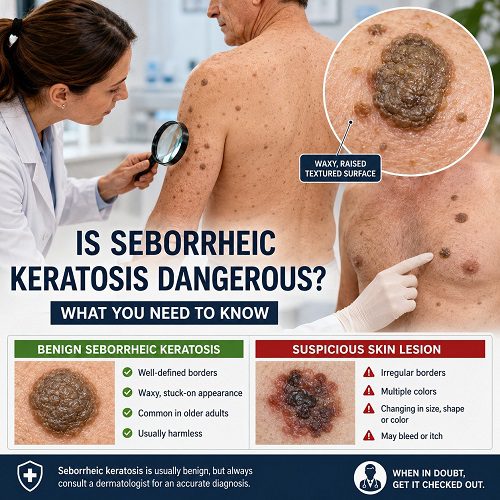
- Waxy, rough, or wart-like surfaces
- Round or oval shapes
- Well-defined borders
Many people describe them as looking as though they have been “stuck” onto the skin.
Seborrheic keratoses can appear individually or in clusters and often increase in number with age.
Is Seborrheic Keratosis Dangerous?
The simple answer is no, seborrheic keratosis is usually not dangerous.
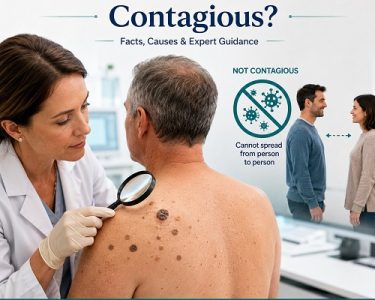
These skin growths are benign, meaning they are not cancerous and generally do not spread to other parts of the body. Most cases require no treatment unless they become irritated, uncomfortable, or cosmetically bothersome.
However, while seborrheic keratosis itself is not dangerous, there are certain situations where medical evaluation is recommended:
- Rapid changes in appearance
- Bleeding without injury
- Persistent itching
- Unusual coloration
- Difficulty distinguishing it from skin cancer
Because some skin cancers can resemble seborrheic keratosis, it is important to have suspicious lesions examined by a healthcare professional.
What Causes Seborrheic Keratosis?
The exact cause of seborrheic keratosis remains unknown. Researchers believe several factors may contribute to its development.
Aging
The condition becomes increasingly common with age. Most individuals begin developing seborrheic keratoses after the age of 40.
Genetics
Family history appears to play a significant role. People with relatives who have seborrheic keratosis may be more likely to develop these growths themselves.
Sun Exposure
Although seborrheic keratoses can develop on both exposed and covered areas of the body, some studies suggest that sun exposure may contribute to their formation.
Skin Cell Growth
Seborrheic keratosis occurs when skin cells multiply more rapidly than normal, leading to the formation of thickened growths.
Common Symptoms of Seborrheic Keratosis
Understanding the Seborrheic Keratosis symptoms can help answer the question, is seborrheic keratosis dangerous, by distinguishing normal features from warning signs.
Common symptoms include:
- Waxy or rough skin growths
- Raised lesions with a stuck-on appearance
- Colors ranging from light tan to dark brown or black
- Round or oval shape
- Slight itching
- Multiple growths appearing over time
Most lesions are painless and cause no significant health problems.
Where Does Seborrheic Keratosis Commonly Appear?
Seborrheic keratosis can develop on many areas of the body, including:
Face
The Seborrheic keratosis on face is a common location, especially among older adults.
Chest
Growths frequently appear on the upper chest and torso.
Back
The back is one of the most common areas for multiple lesions.
Shoulders
Many individuals develop seborrheic keratoses around the shoulders and upper arms.
Neck
The neck is another frequently affected area.
The palms and soles are generally not affected.
Can Seborrheic Keratosis Turn Into Cancer?
One of the biggest concerns people have is whether seborrheic keratosis can become cancerous.
Current medical evidence indicates that seborrheic keratosis itself does not transform into skin cancer. It is considered a benign lesion.
However, problems arise because some skin cancers may closely resemble seborrheic keratosis.
These include:
- Melanoma
- Basal cell carcinoma
- Squamous cell carcinoma
For this reason, any suspicious or changing skin lesion should be examined by a dermatologist.
Warning Signs That Require Medical Attention
Although seborrheic keratosis is not typically dangerous, certain symptoms should prompt a medical evaluation.
Sudden Growth
Rapid enlargement of a skin lesion should always be checked.
Bleeding
Lesions that bleed without being scratched or injured may need further investigation.
Color Changes
A lesion that develops multiple colors or unusual pigmentation should be evaluated.
Irregular Borders
Uneven or poorly defined edges can sometimes indicate skin cancer.
Persistent Pain
Seborrheic keratosis is generally painless. Ongoing discomfort warrants professional assessment.
Ulceration
Open sores or crusting that does not heal should be examined promptly.
How Is Seborrheic Keratosis Diagnosed?
Seborrheic Keratosis Diagnosis usually begins with a visual examination by a healthcare provider.
Physical Examination
Dermatologists often recognize seborrheic keratosis based on its distinctive appearance.
Dermoscopy
A dermatoscope allows the physician to closely inspect skin structures and patterns.
Skin Biopsy
If the lesion appears suspicious, a biopsy may be performed. This involves removing a small sample of tissue for laboratory analysis.
A biopsy can confirm whether the growth is benign or cancerous.
Conditions That Can Be Mistaken for Seborrheic Keratosis
Several skin conditions may resemble seborrheic keratosis.
Melanoma
Melanoma is a potentially dangerous form of skin cancer that can sometimes mimic seborrheic keratosis.
Warts
Some warts have a rough texture similar to seborrheic keratosis.
Actinic Keratosis
Actinic keratosis is a precancerous skin lesion caused by sun damage.
Basal Cell Carcinoma
This common skin cancer may occasionally resemble seborrheic keratosis.
Squamous Cell Carcinoma
Certain forms can be difficult to distinguish without professional evaluation.
Is Seborrheic Keratosis Dangerous If It Itches?
Mild itching is a common symptom and usually does not indicate a serious problem.
However, persistent or severe itching may occur due to:
- Friction from clothing
- Skin irritation
- Inflammation
- Secondary infection
If itching becomes severe or is accompanied by bleeding or significant changes in the lesion, medical evaluation is recommended.
Can Seborrheic Keratosis Become Infected?
Although uncommon, seborrheic keratosis can become irritated or infected.
This may happen when:
- The lesion is scratched repeatedly
- Clothing rubs against it
- It becomes injured
Signs of infection include:
- Redness
- Swelling
- Warmth
- Pus drainage
- Increased pain
Prompt medical attention may be necessary if infection develops.
Treatment Options for Seborrheic Keratosis
Seborrheic Keratosis Treatment is not always required because the condition is benign.
However, removal may be recommended for cosmetic reasons or persistent irritation.
Cryotherapy
Liquid nitrogen is used to freeze and destroy the lesion.
Curettage
The growth is gently scraped from the skin surface.
Electrocautery
Electrical current is used to remove the lesion.
Laser Therapy
Certain lasers can effectively remove seborrheic keratoses with minimal scarring.
Shave Excision
A dermatologist may shave off the lesion under local anesthesia.
Are Home Remedies Effective?
Many people search for Natural Remedies for Seborrheic Keratosis after asking, is seborrheic keratosis dangerous.
While various home remedies are discussed online, scientific evidence supporting their effectiveness is limited.
Popular home remedies include:
- Aloe vera
- Tea tree oil
- Apple cider vinegar
- Coconut oil
These approaches may help soothe the skin but generally do not remove seborrheic keratosis permanently.
Always consult a healthcare professional before attempting self-treatment.
Risk Factors for Seborrheic Keratosis
Several factors increase the likelihood of developing these growths.
Age
Risk increases significantly after age 40.
Family History
Genetic predisposition plays a major role.
Multiple Existing Lesions
People who already have several seborrheic keratoses often develop additional growths over time.
Sun Exposure
Long-term seborrheic keratoses sun exposure may contribute to lesion development.
Can Seborrheic Keratosis Be Prevented?
There is no guaranteed method to prevent seborrheic keratosis.
However, maintaining healthy skin habits may help reduce overall skin damage.
Helpful practices include:
- Wearing sunscreen daily
- Avoiding excessive sun exposure
- Performing regular skin examinations
- Scheduling routine dermatology checkups
- Protecting the skin with clothing and hats
Living With Seborrheic Keratosis
Most people live comfortably with seborrheic keratosis and experience no major health complications.
To manage the condition:
- Avoid picking or scratching lesions
- Use gentle skincare products
- Monitor for changes
- Seek professional advice when concerned
- Protect the skin from excessive irritation
Understanding that the condition is benign can help reduce anxiety and unnecessary worry.
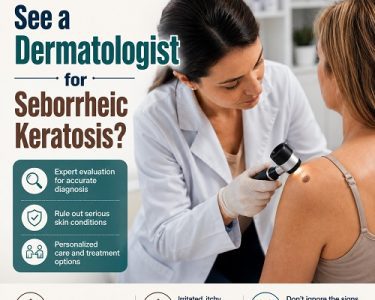
When Should You See a Dermatologist?
Even though the answer to is seborrheic keratosis dangerous is generally no, certain circumstances warrant professional evaluation.
Schedule an appointment if:
- A new growth suddenly appears
- An existing lesion changes rapidly
- The lesion bleeds frequently
- It becomes painful
- Multiple colors develop
- The diagnosis is uncertain
Early evaluation can help rule out skin cancer and provide reassurance.
Conclusion
So, is seborrheic keratosis dangerous? In most cases, the answer is no. Seborrheic keratosis is a common, benign skin growth that typically develops with age and does not become cancerous. Most lesions are harmless and require no treatment unless they cause discomfort or cosmetic concerns.
However, because certain skin cancers can resemble seborrheic keratosis, it is important to monitor your skin for unusual changes. Any lesion that grows rapidly, bleeds, changes color, or looks suspicious should be evaluated by a dermatologist.
Regular skin checks, sun protection, and professional medical guidance can help ensure that your skin remains healthy and that any concerning changes are addressed promptly. By understanding the facts, you can feel more confident about managing seborrheic keratosis and knowing when to seek expert care.