
 By
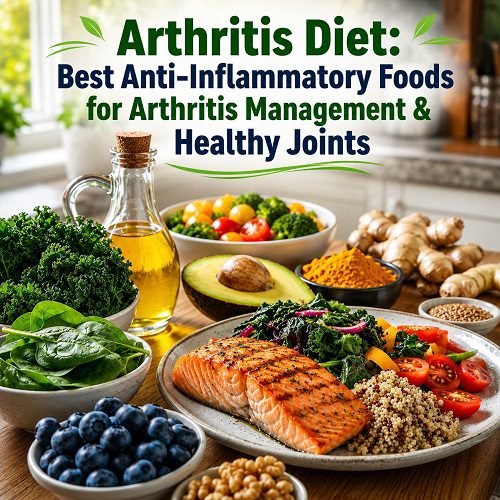
By Living with arthritis can make even simple daily activities difficult. Joint pain, stiffness, swelling, and reduced mobility often affect quality of life. While medications, physical therapy, and exercise remain essential parts of arthritis treatment, nutrition also plays a significant role in managing symptoms. An effective Arthritis Diet can help reduce Arthritis inflammation, support joint function, and improve overall health.
Scientific research increasingly shows that certain foods contain nutrients that may help reduce inflammation throughout the body. At the same time, some foods may worsen inflammatory responses and contribute to increased pain or stiffness. By choosing the right foods every day, many people experience better mobility, improved energy levels, and healthier joints.
In this guide, you’ll discover how an anti-inflammatory diet works, the best foods for arthritis, foods to limit, and practical meal ideas that can support long-term joint health.
Understanding Arthritis
Arthritis is not a single disease but a group of more than 100 conditions affecting the joints. The most common types include:
Osteoarthritis
Osteoarthritis develops when the protective cartilage cushioning the joints gradually wears away. It commonly affects the knees, hips, hands, and spine.
Symptoms include:
- Joint pain
- Stiffness
- Reduced flexibility
- Swelling
- Bone spurs
Rheumatoid Arthritis
Rheumatoid arthritis is an autoimmune disease in which the immune system mistakenly attacks healthy joint tissues. This Arthritis causes Joint Stiffness chronic Swelling and Inflammation in Arthritis that may eventually damage joints.
Common symptoms include:
- Swollen joints
- Morning stiffness
- Fatigue
- Joint warmth
- Symmetrical joint pain
Although nutrition cannot cure arthritis, following a balanced Arthritis Diet may help reduce inflammation and improve Signs of Arthritis management.
Why Diet Matters for Arthritis
Inflammation is the body’s natural defense mechanism. However, chronic inflammation contributes significantly to Arthritis vs Joint Pain and tissue damage in many forms of arthritis.
Certain foods encourage inflammatory processes, while others contain nutrients that naturally help regulate inflammation.
A healthy anti-inflammatory diet offers several potential benefits:
- Reduced joint pain
- Less swelling
- Better mobility
- Weight management
- Improved immune function
- Better heart health
- Increased energy
- Support for healthy joints
Maintaining a healthy body weight is equally important. Excess body weight Arthritis and Mobility Problems places Herbal Remedies additional stress on weight-bearing joints like the knees and hips while increasing inflammatory chemicals throughout the body.
Nutrients That Support Healthy Joints
Omega-3 Fatty Acids
Omega-3 fats are among the most researched nutrients for arthritis. They help decrease inflammatory compounds and may reduce joint stiffness.
Good sources include:
- Salmon
- Sardines
- Mackerel
- Trout
- Chia seeds
- Flaxseeds
- Walnuts
Aim to eat oily fish at least two times each week.
Vitamin D
Vitamin D supports bone strength and immune regulation. Low vitamin D levels are common among people with arthritis.
Sources include:
- Fatty fish
- Egg yolks
- Fortified dairy products
- Fortified plant milk
- Safe sunlight exposure
Your healthcare provider may recommend supplements for Arthritis if your vitamin D levels are low.
Calcium
Strong bones help support healthy joints.
Excellent calcium sources include:
- Yogurt
- Milk
- Cheese
- Tofu
- Kale
- Broccoli
- Fortified beverages
Vitamin C
Vitamin C contributes to collagen production, an essential component of cartilage and connective tissues.
Good sources include:
- Oranges
- Strawberries
- Kiwi
- Bell peppers
- Broccoli
- Tomatoes
Antioxidants
Oxidative stress contributes to inflammation. Antioxidants help protect cells from damage.
Important antioxidant-rich foods include:
- Blueberries
- Blackberries
- Spinach
- Kale
- Red cabbage
- Sweet potatoes
Best Foods for Arthritis
Choosing nutrient-dense foods consistently is the foundation of an effective Arthritis Diet.
1. Fatty Fish
Fatty fish provide high amounts of EPA and DHA omega-3 fatty acids.
Best choices include:
- Salmon
- Sardines
- Tuna
- Mackerel
- Herring
These fish may help reduce morning Arthritis Cause Joint Stiffness and swollen joints.
2. Leafy Green Vegetables
Dark leafy greens contain vitamins A, C, K, calcium, and antioxidants.
Excellent options:
- Spinach
- Kale
- Swiss chard
- Collard greens
- Bok choy
These vegetables help protect cells from inflammatory damage.
3. Berries
Berries contain anthocyanins—powerful plant compounds associated with reduced inflammation.
Choose:
- Blueberries
- Strawberries
- Blackberries
- Raspberries
Enjoy them fresh, frozen, or blended into smoothies.
4. Olive Oil
Extra virgin olive oil is one of the healthiest fats available.
It contains oleocanthal, a natural compound with anti-inflammatory properties that work similarly to some Medications for Arthritis Pain Relief although much more mildly.
Use olive oil for:
- Salad dressings
- Roasted vegetables
- Cooking at moderate temperatures
5. Nuts and Seeds
Walnuts, almonds, flaxseeds, pumpkin seeds, and chia seeds provide:
- Healthy fats
- Protein
- Fiber
- Magnesium
- Vitamin E
They make excellent snacks while supporting overall joint health.
6. Whole Grains
Whole grains provide fiber that supports gut health and may help reduce chronic inflammation.
Healthy options include:
- Oats
- Brown rice
- Quinoa
- Barley
- Whole wheat
Replace refined grains with whole grains whenever possible.
7. Beans and Lentils
Beans provide plant protein, fiber, iron, magnesium, and antioxidants.
Examples include:
- Kidney beans
- Chickpeas
- Black beans
- Lentils
- Pinto beans
They are excellent additions to soups, salads, and stews.
8. Colorful Vegetables
Brightly colored vegetables contain phytonutrients that protect the body’s tissues.
Include:
- Bell peppers
- Tomatoes
- Carrots
- Pumpkin
- Sweet potatoes
- Beetroot
Eating a wide variety of colors ensures a broad intake of vitamins and antioxidants.
The Mediterranean Diet and Arthritis
One of the most recommended eating patterns for arthritis is the Mediterranean diet because it Arthritis Naturally emphasizes an anti-inflammatory diet.
Its core principles include:
- Plenty of vegetables
- Fresh fruit
- Whole grains
- Fish
- Olive oil
- Nuts
- Beans
- Herbs and spices
- Moderate dairy intake
- Limited processed foods
- Minimal added sugars
Many healthcare professionals recommend this eating pattern because it supports heart health while also promoting healthy joints and reducing inflammation.
Foods to Limit or Avoid
While an Arthritis Diet focuses on nourishing the body with anti-inflammatory foods, it is equally important to reduce foods that may contribute to inflammation. Individual responses vary, so keeping a food diary can help identify any personal triggers.
1. Processed Foods
Highly processed snacks and ready-made meals often contain excess sodium, unhealthy fats, preservatives, and refined carbohydrates that may promote inflammation.
Examples include:
- Chips
- Fast food
- Packaged pastries
- Instant noodles
- Processed meats
2. Added Sugars
A diet high in added sugar may increase inflammatory markers and contribute to weight gain, placing extra stress on the joints.
Limit:
- Soft drinks
- Candy
- Cakes
- Cookies
- Sweetened breakfast cereals
3. Refined Carbohydrates
White bread, white rice, and many baked goods are digested quickly and can arthritis cause fatigue spikes in blood sugar, which may contribute to inflammation in some people.
Choose whole-grain alternatives whenever possible.
4. Excess Saturated and Trans Fats
Foods high in saturated or trans fats may worsen inflammation and increase the risk of heart disease, which is already elevated in some people with arthritis.
Reduce:
- Deep-fried foods
- Commercial baked goods
- Fatty processed meats
- Some fast foods
5. Excessive Alcohol
Moderation is key. Excess alcohol can interfere with certain arthritis medications and may worsen inflammation or liver health in some individuals.
Always follow your healthcare provider’s advice if you take prescription medications.
Sample One-Day Arthritis Diet Meal Plan
This simple meal plan combines nutrient-rich foods for Glucosamine and Chondroitin for Arthritis while following the principles of an anti-inflammatory diet.
Breakfast
- Oatmeal topped with blueberries, walnuts, and chia seeds
- Low-fat yogurt or fortified plant-based yogurt
- Green tea
Morning Snack
- Apple slices with almond butter
Lunch
- Grilled salmon
- Quinoa salad with spinach, cucumber, tomatoes, and olive oil dressing
- Mixed berries
Afternoon Snack
- Carrot and cucumber sticks with hummus
Dinner
- Grilled chicken or baked tofu
- Steamed broccoli
- Roasted sweet potato
- Mixed green salad with extra virgin olive oil
Evening Snack
- A handful of unsalted walnuts or a kiwi
This menu provides healthy fats, lean protein, fiber, vitamins, and minerals that support healthy joints.
Lifestyle Habits That Complement an Arthritis Diet
Diet works best when combined with other healthy lifestyle habits.
Stay Physically Active
Regular low-impact Physical Therapy for Arthritis exercise can improve flexibility, strengthen muscles around the joints, and reduce stiffness.
Suitable activities include:
- Walking
- Swimming
- Cycling
- Yoga
- Tai Chi
Maintain a Healthy Weight
Even modest weight loss can reduce pressure on weight-bearing joints, particularly the knees and hips.
Stay Hydrated
Water supports many bodily functions, including joint lubrication. Aim to drink enough fluids throughout the day unless advised otherwise by your healthcare provider.
Get Enough Sleep
Quality sleep helps regulate inflammation and supports overall recovery. Most adults benefit from 7–9 hours of sleep each night.
Manage Stress
Chronic stress may increase inflammatory responses. Relaxation techniques such as deep breathing, meditation, or mindfulness can support overall well-being.
Frequently Asked Questions
What is the best Arthritis Diet?
There is no single diet that cures arthritis, but many experts recommend a Mediterranean-style eating pattern because it emphasizes an anti-inflammatory diet rich in vegetables, fruits, whole grains, fish, olive oil, legumes, and nuts.
Which foods help reduce arthritis inflammation?
Some of the best foods for arthritis include:
- Fatty fish
- Leafy greens
- Berries
- Olive oil
- Walnuts
- Flaxseeds
- Whole grains
- Beans and lentils
These foods provide nutrients that may help reduce inflammation and support joint health.
Are there foods that make arthritis worse?
Some people find that highly processed foods, sugary drinks, refined carbohydrates, and foods high in unhealthy fats may worsen their symptoms. Individual triggers vary, so it can be helpful to monitor how your body responds to different foods.
Can losing weight improve arthritis symptoms?
Yes. Maintaining a healthy weight reduces Natural Remedies for Arthritis Symptoms stress on the joints and may lower levels of inflammation throughout the body. Weight management is often an important part of arthritis care.
Should I take supplements?
Some people may benefit from Joint Supplements such as vitamin D or omega-3 fatty acids if they have a deficiency or cannot meet their nutritional needs through food. Discuss supplements with your healthcare provider before starting them, especially if you take prescription medications.
Conclusion
Managing Turmeric for Arthritis involves more than medication alone. A well-balanced Arthritis Diet can play an important role in reducing inflammation, supporting mobility, and promoting long-term health. By focusing on an anti-inflammatory diet that includes plenty of vegetables, fruits, whole grains, healthy fats, lean proteins, and other nutrient-rich foods for arthritis, you can support healthy joints and improve your overall quality of life.
Small, consistent dietary changes often have the greatest long-term impact. Pair healthy eating with regular physical activity, adequate sleep, stress management, and routine medical care for a comprehensive approach to arthritis management. While diet is not a cure, it can be a valuable part of your overall treatment plan and help you stay active and independent.