 By
By Seborrheic keratosis is one of the most common benign skin growths found in adults, especially after the age of 40. Although these growths are harmless, many people seek treatment because they become irritated, Itchy Seborrheic Keratosis, unsightly, or catch on clothing and jewelry. Among the available treatment options, cryotherapy for seborrheic keratosis is one of the most effective and widely used procedures recommended by dermatologists.
Cryotherapy is a minimally invasive treatment that uses extreme cold—typically liquid nitrogen—to freeze and destroy unwanted skin lesions. The procedure is quick, usually taking only a few minutes, and requires little to no downtime. Most patients can return to their normal activities immediately after treatment.
This comprehensive guide explains the benefits, healing time, procedure, side effects, recovery process, and aftercare recommendations associated with cryotherapy for seborrheic keratosis.
What is Seborrheic Keratosis?
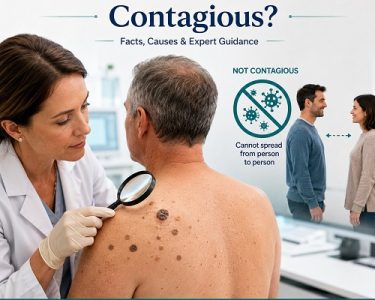
Seborrheic keratosis is a non-cancerous skin growth that commonly appears as:
- Brown, black, or tan lesions
- Raised or waxy patches
- Rough or wart-like surfaces
- Flat or slightly elevated growths
- Single or multiple skin lesions
They commonly develop on:
- Seborrheic Keratosis on the Face
- Chest
- Neck
- Back
- Shoulders
- Arms
- Scalp
Although harmless, seborrheic keratoses can sometimes resemble skin cancer, making professional diagnosis important before treatment.
What Is Cryotherapy for Seborrheic Keratosis?
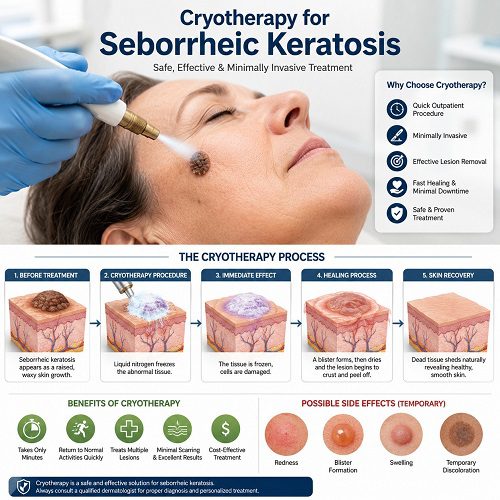
Cryotherapy for seborrheic keratosis is a medical procedure that freezes abnormal skin tissue using liquid nitrogen at extremely cold temperatures. Once frozen, the unwanted tissue gradually dies and naturally falls off during the healing process.
The treatment works by:
- Destroying abnormal skin cells
- Interrupting blood supply to the lesion
- Triggering natural skin regeneration
- Encouraging healthy tissue replacement
Cryotherapy is particularly effective for:
- Small seborrheic keratoses
- Superficial lesions
- Multiple growths
- Cosmetic removal
- Irritated skin growths
How Does Cryotherapy Work?
During treatment, liquid nitrogen rapidly freezes the affected tissue.
The process involves:
- Freezing the skin lesion.
- Formation of ice crystals inside abnormal cells.
- Cellular destruction caused by freezing.
- Mild inflammation promotes healing.
- The treated lesion dries and forms a scab.
- Dead tissue naturally sheds within several days or weeks.
The body then produces healthy new skin beneath the treated area.
The Cryotherapy Procedure
A typical appointment includes:
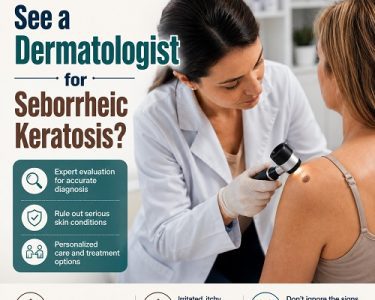
Skin Examination
Your dermatologist will:
- Confirm the Seborrheic Keratosis diagnosis
- Examine lesion size
- Evaluate skin type
- Rule out suspicious changes
Treatment Application
Liquid nitrogen may be applied using:
- Cotton-tipped applicator
- Cryospray device
- Specialized cryotherapy equipment
The lesion is frozen for:
- 5–30 seconds
- Sometimes multiple freeze cycles are necessary
Immediate Sensations
Patients may experience:
- Mild burning
- Stinging sensation
- Temporary discomfort
- Cold sensation
- Minor tenderness
The procedure generally lasts less than ten minutes.
Benefits of Cryotherapy for Seborrheic Keratosis
Cryotherapy offers numerous advantages over other treatment methods.
Quick Treatment
Benefits include:
- Short appointments
- No hospital admission
- Office-based procedure
- Immediate results begin after treatment
Minimally Invasive
Cryotherapy does not involve:
- Surgical incisions
- Sutures
- Significant bleeding
- Extensive recovery periods
Effective Results
Many patients experience:
- Complete lesion removal
- Improved skin appearance
- Minimal scarring
- Excellent cosmetic outcomes
Suitable for Multiple Lesions
Cryotherapy can effectively treat:
- Several lesions during one visit
- Multiple body areas
- Various lesion sizes
Low Infection Risk
Because no surgical cutting is involved, the risk of infection remains relatively low when aftercare instructions are followed.
Who Is a Good Candidate?
Cryotherapy may be suitable for individuals who have:
- Small seborrheic keratoses
- Cosmetic concerns
- Irritated lesions
- Multiple growths
- Generally healthy skin
However, certain patients may require alternative treatments for Seborrheic Keratosis if they have:
- Very dark skin tones
- Large lesions
- Suspicious skin growths
- Certain circulation disorders
- Previous abnormal scarring tendencies
A dermatologist will recommend the most appropriate treatment option.
What Happens Immediately After Treatment?
After cryotherapy, patients may notice:
- Redness
- Mild swelling
- Burning sensation
- Tenderness
- Skin whitening at the treatment site
These Seborrheic Keratosis symptoms are usually temporary and improve over several days.
Within 24 hours, the treated area may develop:
- Blister formation
- Clear fluid accumulation
- Darkened skin appearance
- Mild discomfort
These are normal parts of the healing process.
Healing Time After Cryotherapy
Healing time varies depending on:
- Lesion size
- Treatment depth
- Skin location
- Individual healing ability
- Patient age
General Recovery Timeline
Day 1–3
Patients may experience:
- Redness
- Mild swelling
- Burning sensation
- Skin tenderness
Day 3–7
Common changes include:
- Blister formation
- Darkening of the lesion
- Mild itching
- Skin peeling
Week 1–2
Patients usually notice:
- Scab development
- Drying tissue
- Lesion shrinkage
- Reduced discomfort
Week 2–4
The treated lesion often:
- Falls off naturally
- Reveals pink healing skin
- Continues skin regeneration
One Month
Many individuals experience:
- Significant healing
- Improved cosmetic appearance
- Minimal residual discoloration
Some larger lesions may require six weeks or longer for complete healing.
Common Side Effects
Like any medical procedure, cryotherapy has potential side effects.
Mild Side Effects
These include:
- Temporary pain
- Redness
- Swelling
- Tenderness
- Blister formation
These Seborrheic Keratosis symptoms usually resolve naturally.
Skin Discoloration
Temporary skin color changes may occur, including:
- Lightened skin
- Darkened pigmentation
- Pink healing tissue
Individuals with darker skin tones may experience pigmentation changes more frequently.
Blister Formation
Blisters are often:
- Clear fluid-filled
- Blood-filled
- Mildly uncomfortable
They should not be intentionally punctured unless advised by a healthcare provider.
Temporary Numbness
Some patients report:
- Tingling sensations
- Temporary numbness
- Increased skin sensitivity
These symptoms usually improve during recovery.
Rare Side Effects
Less common complications include:
- Infection
- Delayed healing
- Permanent pigmentation changes
- Minor scarring
- Hair loss near treatment areas
- Skin texture changes
Seeking medical advice is important if unusual symptoms develop.
Does Cryotherapy Hurt?
Most patients tolerate cryotherapy very well.
Pain levels are generally described as:
- Mild stinging
- Brief burning
- Temporary discomfort
- Mild soreness afterward
Pain usually lasts only seconds during treatment and improves rapidly after the procedure.
Over-the-counter pain relievers may be helpful if recommended by your healthcare provider.
Aftercare Instructions
Proper aftercare significantly improves healing outcomes.
Recommended Care
Patients should:
- Keep the area clean
- Wash gently with mild soap
- Allow blisters to heal naturally
- Follow medical instructions carefully
- Keep the skin moisturized if advised
Avoid
Avoid:
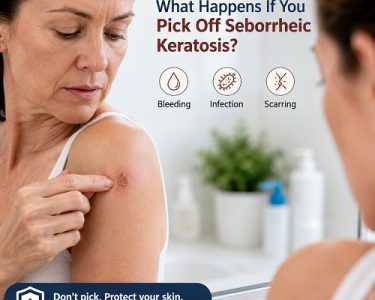
- Picking scabs
- Scratching the area
- Excessive sun exposure for Seborrheic Keratosis
- Using harsh skincare products
- Attempting self-removal for Seborrheic Keratosis
Natural healing usually produces the best cosmetic results.
Can Seborrheic Keratosis Return?
Cryotherapy successfully removes treated lesions in many cases. However, it does not prevent new seborrheic keratoses from developing elsewhere on the body.
Occasionally:
- Incomplete freezing may leave residual tissue.
- Larger lesions may require repeat treatment.
- New growths may appear with age.
Regular skin examinations remain important for monitoring changes.
Cryotherapy vs Other Treatment Options
Alternative treatments for Seborrheic Keratosis include:
Curettage
- Physical scraping removal
- Often combined with electrocautery
Electrocautery
- Uses electrical current
- Effective for thicker lesions
Laser Therapy
- Provides cosmetic precision
- Useful for selected patients
Surgical Removal
Recommended for:
- Larger lesions
- Diagnostic uncertainty
- Suspicious skin changes
Cryotherapy remains popular because it combines simplicity, effectiveness, and affordability.
When Should You Contact Your Doctor?
Seek medical evaluation if you experience:
- Severe pain
- Increasing redness
- Fever
- Pus drainage
- Persistent bleeding
- Delayed healing
- Rapid lesion recurrence
Additionally, any skin growth that changes rapidly in size, color, or shape should be professionally examined before treatment.
Frequently Asked Questions
How long does cryotherapy take?
Most procedures require only 5 to 15 minutes.
Will the lesion fall off immediately?
No. It usually dries, scabs, and gradually sheds over one to four weeks.
Is cryotherapy safe?
Yes. When performed by trained healthcare professionals, cryotherapy is considered very safe and effective.
Can I shower after treatment?
Most patients may shower normally, although gentle cleansing is recommended.
Will I have a scar?
Many patients experience minimal or no visible scarring, though pigmentation changes occasionally occur.
Can multiple lesions be treated at once?
Yes. Dermatologists commonly treat several seborrheic keratoses during one appointment.
Conclusion
Cryotherapy for seborrheic keratosis remains one of the most effective and convenient treatment options available today. Its minimally invasive nature, rapid treatment time, and generally excellent cosmetic outcomes make it a preferred choice for many patients seeking removal of bothersome skin growths.
Healing typically occurs over two to four weeks, although larger lesions may require additional time. Mild side effects such as redness, blistering, and temporary pigmentation changes are relatively common and usually resolve without complications. Following proper aftercare recommendations can significantly improve recovery and cosmetic results.
Although cryotherapy successfully removes treated lesions, it does not prevent new seborrheic keratoses from developing over time. Regular skin evaluations remain essential, especially if any lesion changes in appearance or becomes symptomatic. Consulting a qualified healthcare professional ensures an accurate diagnosis and helps determine whether cryotherapy is the most appropriate treatment option for your individual needs.
Disclaimer:
This article is for educational purposes only and should not replace professional medical advice, diagnosis, or treatment. Always consult a qualified healthcare provider regarding any new or changing scalp or forehead lump.