 By
By A caesarean section, commonly called a C-section, is a major abdominal operation. Although most women recover well, surgery inside the abdomen can sometimes lead to the formation of scar tissue called adhesions. These internal bands of tissue may develop between organs or between organs and the abdominal wall.
Adhesions After C-Section are relatively common and often cause no symptoms. However, in some women, they may contribute to pelvic or abdominal pain, discomfort with movement, bowel problems or complications during a future operation.
Understanding why adhesions develop, what symptoms they can cause and when medical assessment is needed can help women make informed decisions about their health.
What Are Abdominal Adhesions?
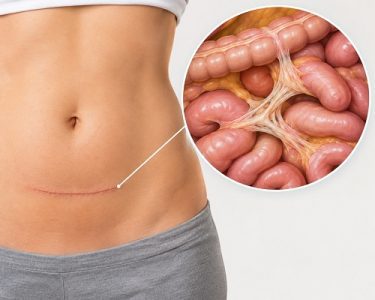
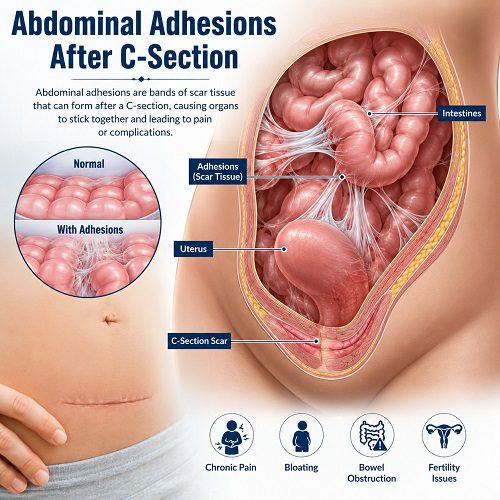
What Are Abdominal Adhesions? Abdominal adhesions are bands of fibrous scar tissue that form inside the abdomen after inflammation, infection or surgery. Unlike a normal external surgical scar, an adhesion develops internally and can connect tissues or organs that would normally move freely against one another.
During a C-section, the surgeon makes an incision through the abdominal wall and opens the uterus to deliver the baby. The body’s natural healing response begins after surgery. As tissues heal, proteins involved in tissue repair can sometimes Abdominal Adhesions causes surfaces inside the abdomen to stick together.
The resulting abdominal scar tissue may connect structures around the uterus, bladder, bowel or abdominal wall.
Adhesions can range from thin, flexible strands to thicker, more restrictive bands. Their presence does not necessarily mean that a woman will develop symptoms.
Why Do Adhesions Form After a C-Section?
Any abdominal or pelvic surgery can potentially lead to adhesions. A C-section involves manipulation of several tissues, which can trigger the healing process responsible for adhesion formation.
Several factors may influence adhesion development, including:
- The body’s individual healing response
- Tissue inflammation during or after surgery
- Infection following surgery
- Bleeding inside the abdomen
- The number of previous abdominal operations
- The extent of tissue handling during surgery
- Existing inflammation or other abdominal conditions
Having one C-section does not mean a woman will definitely develop problematic adhesions. Some women have extensive adhesions without symptoms, while others may experience discomfort despite having relatively limited scar tissue.
Where Can Adhesions Develop After a C-Section?
Adhesions can occur in different parts of the abdomen and pelvis. Following a C-section, they may develop around the uterus, bladder, bowel or abdominal wall.
For example, scar tissue may cause the uterus to adhere to the abdominal wall. Adhesions may also develop between the bladder and uterus or between loops of bowel.
These internal connections can sometimes restrict the normal movement of organs.
This is particularly relevant because organs within the abdomen and pelvis normally move slightly as a person changes position, breathes, eats or digests food. Restrictive adhesions may interfere with this movement and, in some cases, contribute to pain or other symptoms.
Symptoms of Adhesions After C-Section
Many women with Abdominal Adhesions experience no noticeable symptoms. When symptoms do occur, they can be difficult to attribute specifically to adhesions because several other conditions can cause similar complaints.
Possible Abdominal Adhesions symptoms include:
1. Chronic Abdominal or Pelvic Pain
Persistent or intermittent pain in the lower abdomen or pelvis is one of the symptoms sometimes associated with adhesions.
The discomfort may feel like:
- Pulling or tugging
- Tightness
- Cramping
- Aching
- Sharp or intermittent pain
Some women notice discomfort when stretching, exercising, changing position or during certain movements.
However, pelvic pain has many possible causes, so adhesions should not automatically be assumed to be responsible.
2. Pain During Sexual Intercourse
Some women may experience discomfort or deep pelvic pain during sexual intercourse. Adhesions around pelvic organs may contribute to restricted movement or tension in the tissues.
If intercourse consistently causes pain after recovery from a C-section, it is important to discuss it with a GP or gynaecologist rather than assuming it is simply a normal consequence of childbirth.
3. Bloating and Abdominal Discomfort
Adhesions involving the bowel may occasionally contribute to abdominal discomfort bloating or changes in bowel function.
These symptoms are non-specific, however. Constipation, irritable bowel syndrome, dietary factors and other digestive conditions can cause similar symptoms.
4. Changes in Bowel Movements
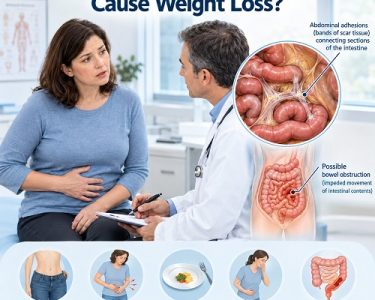
Extensive adhesions involving the intestines may sometimes interfere with normal bowel movement. In severe cases, they can contribute to intestinal obstruction.
Warning symptoms of possible bowel obstruction include severe or worsening abdominal pain, persistent vomiting, marked abdominal swelling and inability to pass stool or gas.
These symptoms require urgent medical attention.
5. A Feeling of Pulling or Tightness
Some women describe a sensation of internal pulling, particularly when moving, stretching or standing in certain positions.
This may occur when scar tissue restricts normal tissue movement.
Can Adhesions After C-Section Cause Infertility?
The relationship between C-section adhesions and fertility is complex.
Adhesions affecting the pelvis can sometimes interfere with the normal position or movement of reproductive organs. However, having adhesions does not automatically mean that a woman will have difficulty becoming pregnant.
Fertility can be affected by many different factors, including ovulation problems, age, fallopian tube conditions, endometriosis, sperm-related factors and other reproductive conditions.
If a woman is experiencing difficulty conceiving after a C-section, a fertility assessment can help identify the underlying cause rather than assuming adhesions are responsible.
Pelvic Adhesions and Future Pregnancies
Pelvic adhesions can be particularly relevant for women who have had more than one pelvic or abdominal operation.
A previous C-section may cause internal scar tissue that changes the anatomy around the uterus or bladder. During a later C-section or another pelvic operation, these adhesions can make it more difficult for surgeons to access the relevant structures.
This does not mean that a woman cannot have another pregnancy or C-section. Many women with previous C-sections have healthy subsequent pregnancies.
However, a history of previous abdominal surgery is important information for the healthcare team.
Can Adhesions Cause Bowel Problems?
In some cases, adhesions can involve loops of the small or large intestine. If an adhesion pulls, bends or compresses part of the bowel, it may interfere with the normal passage of intestinal contents.
Most women with abdominal adhesions do not develop bowel obstruction. Nevertheless, adhesions are an important cause of bowel obstruction after abdominal surgery.
Symptoms that may suggest bowel obstruction include:
- Severe abdominal pain or cramping
- Increasing abdominal swelling
- Nausea and vomiting
- Difficulty passing gas
- Inability to have a bowel movement
- Significant abdominal tenderness
A suspected bowel obstruction is a medical emergency and requires prompt assessment.
How Are Adhesions Diagnosed?
Diagnosing adhesions can be challenging.
Standard imaging tests such as ultrasound, CT scans and MRI scans may help doctors identify other causes of abdominal or pelvic symptoms, but adhesions themselves can sometimes be difficult to see.
A doctor may begin by reviewing:
- Previous surgical history
- The location and pattern of pain
- Digestive symptoms
- Menstrual and reproductive history
- Previous infections or complications
- Physical examination findings
In some circumstances, adhesions are confirmed during surgery, particularly through laparoscopy.
Importantly, doctors generally do not recommend surgery simply to look for adhesions unless there is a clear medical reason because surgery itself can create additional scar tissue.
Treatment for Adhesions After C-Section
Treatment depends on the woman’s symptoms, their severity and whether the adhesions are causing a recognised complication.
Monitoring and Conservative Treatment
If adhesions are present but are not causing serious complications, doctors may recommend monitoring rather than surgery.
Pain management and treatment of other conditions that could be contributing to symptoms may be appropriate.
For example, if constipation is contributing to abdominal discomfort, treating constipation may improve symptoms even when adhesions are also present.
Surgery to Remove Adhesions
A procedure called adhesiolysis can be used to cut and separate adhesions.
Depending on the circumstances, this may be performed through laparoscopy or open surgery.
Surgery may be considered when adhesions are clearly associated with serious problems, such as certain cases of bowel obstruction or significant complications.
However, surgery has risks. Cutting adhesions can cause bleeding or injury to nearby organs and may lead to the formation of new adhesions during healing.
For this reason, doctors carefully weigh the potential benefits and risks before recommending adhesiolysis.
Can Adhesions After C-Section Be Prevented?
There is no guaranteed way to prevent adhesions following a C-section because they are part of the body’s natural healing response.
Surgeons can, however, use careful surgical techniques and appropriate measures to reduce tissue trauma and inflammation.
Women should also follow their postoperative instructions carefully and seek medical attention if they develop signs of infection or other complications after surgery.
It is important to understand that adhesions are not necessarily caused by poor surgical care. They can develop even when surgery is performed appropriately.
Does Every C-Section Cause Adhesions?
No. A C-section does not mean that every woman will develop clinically significant adhesions.
Some women may develop small amounts of scar tissue without ever experiencing symptoms. Others may develop more extensive adhesions.
The risk can also increase with repeated abdominal or pelvic surgery, although individual outcomes vary.
Therefore, it is not possible to predict from the number of C-sections alone whether a woman will develop symptoms.
When Should You See a Doctor?
Women who develop persistent or unexplained abdominal or pelvic symptoms after a C-section should speak with a healthcare professional.
Arrange a medical assessment if you experience:
- Persistent pelvic or abdominal pain
- Recurrent unexplained bloating
- Ongoing changes in bowel habits
- Pain during sexual intercourse
- Unexplained difficulty becoming pregnant
- Symptoms that are progressively getting worse
- Concerns before a future abdominal or pelvic operation
Seek urgent medical attention for severe abdominal pain, persistent vomiting, significant abdominal swelling, fainting, fever or inability to pass stool or gas.
These symptoms can have causes other than adhesions and should not be self-diagnosed.
What Women Should Know Before Another C-Section
If you have previously had a C-section, tell your obstetrician or surgeon about all previous abdominal and pelvic operations.
Previous surgery can be relevant when planning another procedure because internal scar tissue may alter the anatomy and make surgery more complex.
Your healthcare team can take your surgical history into account when assessing the safest approach.
Having adhesions does not necessarily prevent a future C-section, but it is useful for your medical team to know about previous operations and any complications you experienced.
Frequently Asked Questions
Are adhesions after C-section common?
Adhesions can develop after abdominal surgery, including C-sections. However, the presence of adhesions does not necessarily cause symptoms or require treatment.
How long after a C-section can adhesions form?
Adhesions develop as part of the healing process following surgery. They can mature over time, but symptoms may appear at different points depending on their location and whether they interfere with surrounding tissues.
Can adhesions cause pain years after a C-section?
They can be associated with chronic or intermittent abdominal or pelvic pain in some women. However, pain occurring years after a C-section has many potential causes, so medical evaluation is important.
Can exercise break up abdominal adhesions?
Exercise should not be considered a proven method for physically breaking or removing internal adhesions. Gentle physical activity may support general recovery and mobility, but women with persistent pain should discuss appropriate activity with a healthcare professional.
Can adhesions disappear on their own?
Established adhesions generally do not simply dissolve on their own. However, many adhesions never cause symptoms and do not require treatment.
Is surgery always needed for adhesions?
No. Surgery is not automatically required. If adhesions are not causing significant complications, doctors may recommend observation and treatment of symptoms or other underlying conditions.
Final Thoughts
Adhesions After C-Section are bands of internal scar tissue that can develop as part of the body’s normal healing process following abdominal surgery. Many women never know they have them because they cause no symptoms.
For others, adhesions may contribute to abdominal or pelvic discomfort, pain during movement or intercourse, bowel problems or complications during future surgery. More serious complications, including bowel obstruction, can occur but require urgent medical assessment.
Because symptoms associated with adhesions overlap with many other abdominal, digestive and reproductive conditions, it is important not to assume that scar tissue is the cause of unexplained symptoms.
If you have persistent pain, digestive changes, fertility concerns or other symptoms after a C-section, speak with your GP, gynaecologist or another qualified healthcare professional. A proper assessment can help determine the likely cause and identify the most appropriate treatment.
Medical Disclaimer
This article is intended for general educational purposes only and should not replace professional medical advice, diagnosis or treatment. If you have severe abdominal pain, persistent vomiting, significant swelling, fever, fainting or inability to pass stool or gas, seek urgent medical attention.