 By
By Constipation is a common digestive problem that can develop for many different reasons, including dietary habits, dehydration, medication use, reduced physical activity and certain medical conditions. However, some people who have previously undergone abdominal or pelvic surgery may wonder whether scar tissue inside the abdomen could be contributing to changes in their bowel habits.
This raises an important question: can abdominal adhesions cause constipation?
The answer is that abdominal adhesions and constipation can sometimes be related, particularly when adhesions affect the normal movement or position of the intestines. In some cases, intestinal adhesions may partially narrow, pull or kink sections of the bowel, making it more difficult for intestinal contents to move normally. Severe adhesions can also contribute to a partial or complete bowel obstruction, which requires urgent medical attention.
However, constipation alone does not necessarily mean that a person has abdominal adhesions. Because constipation is extremely common and can have many causes, proper medical evaluation is important, especially when symptoms are persistent, severe or accompanied by abdominal pain, vomiting or bloating.
What Are Abdominal Adhesions?
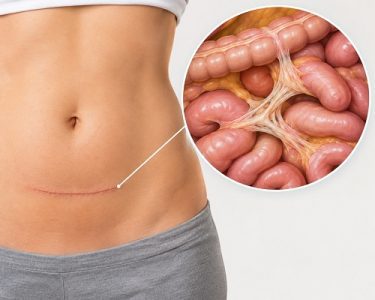
What Are Abdominal Adhesions? Abdominal adhesions are bands of fibrous scar tissue that develop between tissues or organs inside the abdomen. Normally, abdominal organs have smooth surfaces that allow them to move freely against one another. When adhesions develop, they can cause organs or sections of the intestines to become attached to nearby tissues.
Adhesions may form after inflammation, infection, injury or surgery. They are particularly common following operations involving the abdomen or pelvis.
Common causes of abdominal adhesions include:
- Previous abdominal surgery
- Pelvic surgery
- Caesarean section
- Appendix surgery
- Bowel surgery
- Gynaecological procedures
- Abdominal infections
- Pelvic inflammatory conditions
- Endometriosis
- Trauma to the abdomen
- Inflammatory bowel conditions
Many people with abdominal adhesions experience no symptoms and may never know that they have them. However, some adhesions can cause complications when they restrict the normal movement of internal organs or affect the intestines.
One of the most significant concerns is the development of intestinal adhesions that interfere with the normal passage of food, fluid and waste through the digestive tract.
Can Abdominal Adhesions Cause Constipation?
Yes, in some circumstances, abdominal adhesions and constipation may be connected.
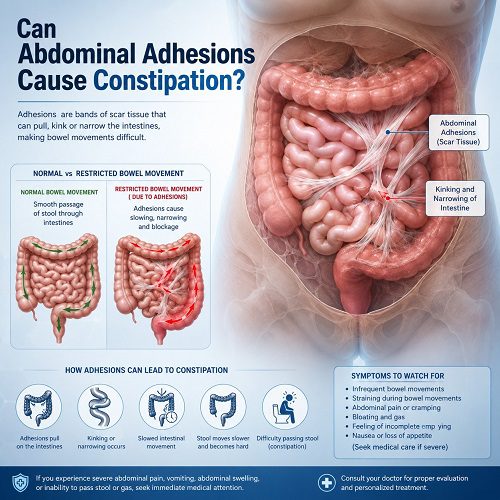
Adhesions themselves do not always cause constipation. However, when scar tissue affects the intestines, it may alter the way the bowel moves or create areas where the intestine becomes pulled, narrowed or kinked.
The digestive system relies on coordinated muscular contractions called peristalsis to move food and waste through the intestines. If adhesions restrict a section of the bowel or change its normal position, intestinal contents may move more slowly.
This may contribute to symptoms such as:
- Infrequent bowel movements
- Difficulty passing stool
- Straining during bowel movements
- A feeling of incomplete bowel emptying
- Abdominal bloating
- Cramping
- Gas
- Abdominal discomfort
In more serious situations, intestinal adhesions may cause a partial blockage of the intestine. This can significantly slow the movement of stool and gas and may eventually progress to a complete bowel obstruction.
It is important to understand that constipation caused by adhesions is usually difficult to diagnose based on symptoms alone. Many other conditions can produce similar digestive complaints.
How Intestinal Adhesions Affect the Bowel
The intestines are long, flexible structures that move continuously within the abdominal cavity. Adhesions can interfere with this movement by attaching one section of the bowel to another organ or to the abdominal wall.
Depending on their location and severity, intestinal adhesions may:
Pull the Intestine Out of Its Normal Position
Scar tissue can create tension between different parts of the digestive tract. This pulling effect may change the natural position of the bowel and potentially interfere with normal movement.
Cause Kinking of the Bowel
An adhesion can act like a band that pulls on a loop of intestine. In some cases, this can create a bend or kink that makes it more difficult for intestinal contents to pass.
Narrow the Intestinal Passage
Severe adhesions may contribute to narrowing of part of the intestine. A narrowed section can slow the movement of food, fluid, gas and stool.
Restrict Normal Intestinal Movement
The bowel needs to move freely within the abdomen. Adhesions may reduce this mobility and create discomfort or digestive symptoms.
Increase the Risk of Bowel Obstruction
One of the most serious complications associated with abdominal adhesions is a bowel obstruction. Adhesions are a major cause of small bowel obstruction, particularly in people with a history of abdominal surgery.
What Does Constipation Caused by Adhesions Feel Like?
Constipation potentially associated with abdominal adhesions may not feel significantly different from ordinary constipation. However, some people may experience additional abdominal symptoms.
Possible symptoms include:
- Persistent constipation
- Abdominal pain
- Cramping that comes and goes
- Bloating
- Excessive gas
- Difficulty passing stool
- Feeling unusually full after eating
- Nausea
- Changes in bowel habits
Symptoms may sometimes occur intermittently. For example, a person may experience episodes of abdominal discomfort and constipation that improve temporarily before returning.
This can happen if an adhesion causes a partial obstruction that allows some intestinal contents to pass.
However, these symptoms are not specific to adhesions. Conditions such as irritable bowel syndrome, dietary changes, medication side effects and other digestive disorders can cause similar problems.
For this reason, persistent or unexplained constipation should be discussed with a healthcare professional.
Can Adhesions Cause Partial Bowel Obstruction?
Yes. Adhesions can cause a partial bowel obstruction.
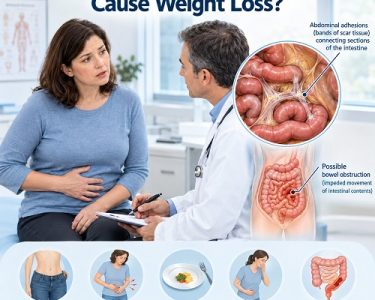
A partial obstruction occurs when the intestine is narrowed but not completely blocked. Some stool, fluid or gas may still pass through the digestive tract.
Abdominal Adhesions Symptoms of a partial bowel obstruction may include:
- Cramping abdominal pain
- Abdominal swelling
- Constipation
- Reduced bowel movements
- Difficulty passing gas
- Nausea
- Vomiting
- Loss of appetite
Symptoms may vary depending on the location and severity of the obstruction.
A partial obstruction can sometimes develop gradually, while a complete bowel obstruction may cause more severe symptoms and requires immediate medical attention.
Anyone experiencing severe abdominal pain, persistent vomiting, significant abdominal swelling or an inability to pass stool or gas should seek urgent medical care.
When Does Constipation Become a Sign of Bowel Obstruction?
Most cases of constipation are not caused by bowel obstruction. However, constipation accompanied by other serious symptoms should never be ignored.
A bowel obstruction may be suspected when constipation occurs alongside:
- Severe or worsening abdominal pain
- Persistent vomiting
- Significant abdominal bloating
- Inability to pass gas
- Complete inability to have a bowel movement
- Abdominal tenderness
- Fever
- Rapid heart rate
- Signs of dehydration
A complete obstruction can prevent the normal movement of intestinal contents. Without Abdominal Adhesions treatment, this may lead to serious complications.
The intestine may become stretched, inflamed or damaged. In severe cases, blood supply to part of the bowel can be affected, increasing the risk of tissue injury.
Because of these risks, suspected bowel obstruction should be treated as a medical emergency.
Other Common Causes of Constipation
Although abdominal adhesions and constipation can sometimes be connected, it is important to remember that constipation has many more common Abdominal Adhesions causes.
These include:
Low Fibre Intake
A diet low in fruits, vegetables, whole grains and other sources of dietary fibre can contribute to harder stools and reduced bowel frequency.
Dehydration
Not drinking enough fluids can make stools harder and more difficult to pass.
Lack of Physical Activity
Regular movement helps stimulate normal bowel function. A sedentary lifestyle may contribute to slower digestion.
Medications
Certain medicines can cause constipation, including some pain medicines, iron supplements and specific medications used for other health conditions.
Changes in Routine
Travel, stress, changes in eating habits and disruptions to daily routines may temporarily affect bowel movements.
Irritable Bowel Syndrome
Some people with irritable bowel syndrome experience constipation as their primary symptom.
Hormonal Changes
Hormonal changes may affect digestion and bowel function.
Other Digestive Conditions
Various gastrointestinal disorders can contribute to chronic constipation.
Because there are so many possible causes, identifying the reason behind persistent constipation often requires a detailed medical assessment.
How Are Abdominal Adhesions Diagnosed?
Diagnosing abdominal adhesions can be challenging because adhesions are often difficult to see on standard imaging tests.
Doctors may begin by reviewing a person’s medical history, particularly looking for:
- Previous abdominal surgery
- Pelvic surgery
- Abdominal infections
- History of bowel obstruction
- Previous inflammatory conditions
A physical examination may also help identify signs of abdominal tenderness, swelling or obstruction.
Imaging tests may include:
- Abdominal X-ray
- CT scan
- Ultrasound
- MRI in selected cases
These tests may not always directly show adhesions. However, they can help doctors identify complications such as a bowel obstruction.
In some situations, adhesions may only be confirmed during surgery. Laparoscopy allows a surgeon to view the abdominal cavity using a small camera and may reveal the presence of scar tissue.
Doctors usually consider the person’s symptoms, medical history and imaging findings when investigating possible intestinal adhesions.
Can Laxatives Help If Adhesions Are Causing Constipation?
Laxatives may help some people with ordinary constipation, but they should not be relied upon when a bowel obstruction is suspected.
If constipation is caused by a mechanical narrowing or blockage of the intestine, simply taking more laxatives may not solve the underlying problem.
People should seek medical advice before using constipation treatments when they experience symptoms such as:
- Severe abdominal pain
- Vomiting
- Major abdominal swelling
- Inability to pass gas
- Sudden worsening constipation
These symptoms may indicate a possible bowel obstruction or another serious digestive problem.
For uncomplicated constipation, a healthcare professional may recommend dietary changes, increased fluid intake, physical activity or appropriate medication.
However, treatment should always address the underlying cause whenever possible.
Treatment Options for Abdominal Adhesions
Treatment depends on whether the adhesions are causing symptoms or complications.
Many people with abdominal adhesions do not require treatment.
Monitoring Mild Symptoms
If symptoms are mild and there is no evidence of bowel obstruction, a doctor may recommend observation and management of digestive symptoms.
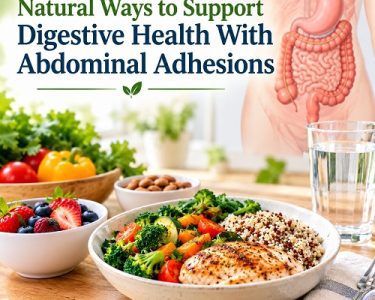
Dietary and Lifestyle Adjustments
Depending on the individual situation, doctors may recommend:
- Drinking adequate fluids
- Eating an appropriate amount of dietary fibre
- Staying physically active
- Maintaining regular meal patterns
However, dietary advice should be individualised. People with narrowing of the bowel or recurrent partial obstruction may require different dietary recommendations.
Medication
Medication may be used to manage symptoms such as constipation, pain or nausea. The appropriate Abdominal Adhesions treatment depends on the underlying cause.
Surgery
When adhesions cause recurrent bowel obstruction or severe symptoms, surgery may be considered.
A procedure known as adhesiolysis involves cutting or removing adhesions.
This can sometimes be performed using minimally invasive laparoscopic surgery. However, surgery itself can lead to the formation of new adhesions.
For this reason, doctors carefully consider the potential benefits and risks before recommending surgical treatment.
Can Abdominal Adhesions Cause Chronic Digestive Problems?
Some people with significant adhesions experience recurring digestive symptoms over a long period.
Possible symptoms may include:
- Recurrent abdominal pain
- Bloating
- Constipation
- Episodes of nausea
- Intermittent cramping
- Changes in bowel habits
However, chronic digestive symptoms do not automatically mean that adhesions are responsible.
Many gastrointestinal conditions can produce similar symptoms. A thorough evaluation is important to avoid assuming that all symptoms are caused by previous surgery or scar tissue.
People with a history of abdominal surgery should inform their healthcare provider about their surgical history when discussing unexplained digestive symptoms.
When Should You See a Doctor?
You should consider seeking medical advice if constipation is persistent, unusual or accompanied by abdominal symptoms.
Speak with a healthcare professional if you experience:
- Constipation lasting several weeks
- Recurrent abdominal pain
- Frequent bloating
- Unexplained changes in bowel habits
- Blood in the stool
- Unintentional weight loss
- Persistent nausea
Seek urgent medical attention if you experience:
- Severe abdominal pain
- Repeated vomiting
- Significant abdominal swelling
- Inability to pass stool or gas
- Sudden worsening symptoms
These symptoms can indicate a serious condition, including bowel obstruction.
Frequently Asked Questions
Can abdominal adhesions cause constipation without causing pain?
It is possible for some people to experience changes in bowel habits without severe pain. However, constipation alone is not enough to diagnose abdominal adhesions because many other conditions can cause constipation.
Can intestinal adhesions cause bowel obstruction?
Yes. Intestinal adhesions can pull, kink or narrow sections of the bowel and are a recognised cause of bowel obstruction, particularly after abdominal surgery.
Are abdominal adhesions visible on a CT scan?
Adhesions themselves are often difficult to see directly on imaging. However, CT scans can help identify complications such as bowel obstruction and may show changes in the position or appearance of the intestines.
Can diet remove abdominal adhesions?
Diet cannot remove established abdominal adhesions. However, appropriate dietary changes may help manage general digestive symptoms in some people. Dietary recommendations should be discussed with a healthcare professional, particularly if bowel narrowing or obstruction is suspected.
Can surgery remove abdominal adhesions?
Yes. Adhesiolysis is a surgical procedure used to separate or remove adhesions when they cause significant complications. However, surgery can also result in new adhesions forming.
Conclusion
So, can abdominal adhesions cause constipation? The answer is yes, but not every case of constipation is related to abdominal scar tissue.
Abdominal adhesions and constipation may be linked when adhesions affect the normal movement of the intestines, create narrowing or kinking, or contribute to a partial bowel obstruction. Some people may experience intermittent constipation, bloating and abdominal discomfort, while more severe cases can lead to significant intestinal blockage.
Because constipation is common and can have many causes, it is important not to assume that previous surgery or intestinal adhesions are responsible without medical evaluation.
Persistent constipation, recurring abdominal pain or changes in bowel habits should be discussed with a healthcare professional. Symptoms such as severe pain, vomiting, abdominal swelling and inability to pass stool or gas require urgent medical attention because they may indicate a bowel obstruction.
Understanding the possible relationship between intestinal adhesions and digestive symptoms can help people recognise when constipation may require further investigation and appropriate medical care.
Medical Disclaimer
This article is for educational and informational purposes only and does not constitute medical advice, diagnosis or treatment. Abdominal adhesions, constipation and bowel obstruction can involve serious medical complications. Always consult a qualified healthcare professional regarding persistent digestive symptoms or concerns about your health. Seek immediate medical attention if you experience severe abdominal pain, persistent vomiting, significant abdominal swelling, or an inability to pass stool or gas. Never delay seeking professional medical care based on information provided in this article.