 By
By Seborrheic keratosis home care plays an important role in keeping the skin comfortable and healthy. Although seborrheic keratosis is a harmless and non-cancerous skin growth, it can sometimes become irritated, itchy, or uncomfortable when rubbed by clothing or scratched accidentally. Fortunately, proper skin care habits can help protect affected areas and minimize discomfort.
Many people are surprised to learn that seborrheic keratosis usually does not require medical treatment unless it becomes bothersome or causes cosmetic concerns. However, practicing safe and gentle home care measures can significantly improve skin comfort and help prevent unnecessary irritation. Safe and effective seborrheic keratosis home care techniques, including skincare recommendations, moisturizing practices, sun protection, lifestyle tips, and warning signs that indicate it may be time to seek professional medical advice.
What is Seborrheic Keratosis?
Seborrheic keratosis is one of the most common benign skin growths seen in adults. These growths often appear as:
- Brown, black, or tan patches
- Slightly raised or wart-like lesions
- Waxy or scaly surfaces
- Oval or round-shaped spots
- Single or multiple skin growths
They frequently develop on the:
- Seborrheic Keratosis on the Face
- Chest
- Back
- Neck
- Shoulders
- Arms
- Scalp
Although they may resemble skin cancer in appearance seborrheic keratosis is usually harmless. Nevertheless, any new or changing skin lesion should be evaluated by a healthcare professional for an accurate diagnosis.
Seborrheic Keratosis Causes and Risk Factors
Seborrheic Keratosis Causes are not fully understood, but experts believe that aging, genetics, and prolonged sun exposure may contribute to the development of these harmless skin growths. Seborrheic keratosis commonly appears in middle-aged and older adults and often runs in families, suggesting a hereditary component. While these growths are benign and non-contagious, understanding their Causes Seborrheic Keratosis and associated risk factors can help individuals recognize them early.
Common risk factors include increasing age, a family history of seborrheic keratosis, fair skin, and frequent exposure to ultraviolet (UV) rays. Although sun exposure is not considered the sole cause, it may play a role in the appearance of lesions on sun-exposed areas such as the face, chest, shoulders, and back.
Seborrheic Keratosis Symptoms can vary from person to person. These growths typically appear as raised, waxy, or scaly spots that may be tan, brown, or black in color. They often have a “stuck-on” appearance and may become itchy or irritated when rubbed by clothing. Some lesions remain small, while others gradually enlarge over time.
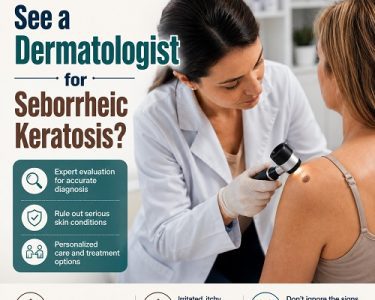
If a skin growth changes rapidly in size, shape, or color, seeking professional medical evaluation is recommended to ensure an accurate diagnosis.
Why Is Seborrheic Keratosis Home Care Important?
Safe seborrheic keratosis home care helps:
- Reduce skin irritation
- Prevent accidental injury
- Protect sensitive skin
- Improve comfort levels
- Maintain healthy surrounding tissue
- Support overall skin wellness
Home care focuses on protecting the skin rather than attempting to remove the growth without medical supervision.
Gentle Cleansing Practices
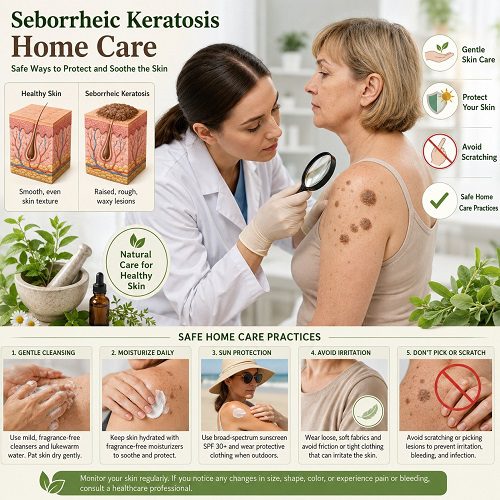
One of the simplest ways to support seborrheic keratosis home care is gentle cleansing.
Recommended Practices
- Use mild fragrance-free cleansers.
- Wash affected areas with lukewarm water.
- Avoid harsh scrubbing.
- Pat the skin dry with a soft towel.
- Cleanse the area once or twice daily.
Avoid
- Hot water
- Rough washcloths
- Strong exfoliating products
- Alcohol-based cleansers
- Excessive rubbing
Aggressive cleansing may increase irritation and discomfort, particularly when lesions are located in areas exposed to friction.
Moisturizing the Skin
Proper moisturization is among the most beneficial seborrheic keratosis home care practices.
Benefits of Moisturizers
They may help:
- Reduce dryness
- Soothe irritated skin
- Improve skin barrier function
- Minimize itching sensations
- Maintain skin hydration
Choosing Suitable Moisturizers
Look for products that are:
- Fragrance-free
- Hypoallergenic
- Non-irritating
- Designed for sensitive skin
Ingredients often preferred include:
- Ceramides
- Glycerin
- Hyaluronic acid
- Colloidal oatmeal
- Aloe vera
Apply moisturizer gently after bathing while the skin remains slightly damp for optimal hydration.
Protecting the Skin From Irritation
Seborrheic keratosis lesions may become irritated when exposed to repeated friction.
Common Causes of Irritation
- Tight clothing
- Jewelry rubbing against lesions
- Backpack straps
- Sports equipment
- Frequent scratching
- Shaving accidents
Helpful Tips
- Wear loose-fitting clothing.
- Choose soft breathable fabrics.
- Avoid excessive rubbing during exercise.
- Cover irritated areas when necessary.
- Use protective dressings only when advised by a healthcare professional.
Small lifestyle adjustments often provide significant improvements in comfort.
Avoid Picking or Scratching
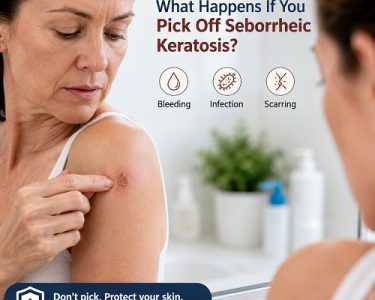
One of the most important rules of seborrheic keratosis home care is avoiding picking or scratching affected areas.
Scratching may lead to:
- Bleeding
- Skin irritation
- Inflammation
- Infection risks
- Increased discomfort
Some seborrheic keratosis lesions become itchy occasionally. When itching develops, gentle moisturizing and avoiding skin irritation may help improve comfort.
If persistent itching occurs, consult a healthcare provider rather than attempting self-treatment.
Safe Bathing Habits
Bathing habits can greatly influence sensitive skin conditions.
Skin-Friendly Bathing Tips
- Limit hot showers.
- Use lukewarm water.
- Keep showers relatively short.
- Apply moisturizer immediately afterward.
- Avoid heavily scented bath products.
Products to Avoid
- Harsh exfoliating scrubs
- Strong chemical peels
- Abrasive cleansing brushes
- Highly fragranced soaps
- Alcohol-containing skin products
Gentle skincare remains the foundation of seborrheic keratosis home care.
Sun Protection Matters
Seborrheic Keratosis Sun Exposure may contribute to various skin concerns over time. Although seborrheic keratosis itself is not caused solely by sunlight, protecting the skin remains beneficial.
Sun Protection Recommendations
- Wear protective clothing.
- Use broad-spectrum sunscreen.
- Seek shade during peak sunlight hours.
- Wear wide-brimmed hats outdoors.
- Reapply sunscreen as directed.
Healthy skin benefits from consistent sun protection practices throughout the year.
Managing Sensitive Areas
Seborrheic keratosis commonly develops in areas exposed to friction.
Sensitive Locations Include
- Under the breasts
- Neck folds
- Waistline
- Underarm regions
- Groin areas
- Back and shoulders
For sensitive areas:
- Keep the skin dry.
- Wear breathable fabrics.
- Avoid prolonged moisture exposure.
- Minimize rubbing whenever possible.
These preventive measures can improve overall comfort considerably.
Is Home Removal Safe?
Many individuals search online for home removal methods. However, attempting to remove seborrheic keratosis without professional guidance is not recommended.
Avoid:
- Cutting lesions
- Burning the skin
- Using sharp instruments
- Applying unknown chemicals
- Attempting surgical removal at home
Unsafe removal attempts may cause:
- Infection
- Permanent scarring
- Bleeding
- Skin damage
- Delayed diagnosis of serious skin conditions
Professional evaluation remains the safest approach whenever removal is being considered.
Natural Ways to Support Skin Comfort
While Natural Remedies for Seborrheic Keratosis eliminate seborrheic keratosis, healthy lifestyle practices may support overall skin health.
Helpful habits include:
Staying Hydrated
Adequate hydration supports:
- Skin elasticity
- Healthy skin barrier function
- Proper moisture balance
Balanced Nutrition
A nutritious diet rich in:
- Fruits
- Vegetables
- Healthy fats
- Protein sources
- Whole grains
may contribute to overall skin wellness.
Adequate Sleep
Healthy sleep patterns support:
- Skin repair processes
- Immune function
- General health maintenance
Stress Management
Chronic stress may affect skin health indirectly. Beneficial practices include:
- Walking
- Meditation
- Yoga
- Deep breathing exercises
- Regular physical activity
These lifestyle measures complement seborrheic keratosis home care practices.
Can Moisturizers Remove Seborrheic Keratosis?
No. Moisturizers do not remove seborrheic keratosis lesions.
Their primary role is to:
- Improve skin comfort
- Reduce dryness
- Minimize irritation
- Support healthy surrounding tissue
Any product claiming immediate or guaranteed home removal should be approached cautiously.
Warning Signs to Watch For
Although seborrheic keratosis is generally harmless, certain changes warrant medical evaluation.
Seek professional advice if you notice:
- Rapid growth
- Bleeding without injury
- Significant pain
- Persistent irritation
- Color changes
- Irregular borders
- Sudden appearance of numerous lesions
- Recurrent inflammation
Skin changes should never be ignored, especially when a diagnosis has not previously been confirmed.
Medical Treatment Options
When seborrheic keratosis becomes problematic, healthcare professionals may recommend Seborrheic Keratosis Treatment Options such as:
- Cryotherapy for Seborrheic Keratosis
- Curettage
- Electrosurgery
- Laser Removal for Seborrheic Keratosis
- Other dermatologist-approved treatments
Treatment decisions depend upon:
- Lesion size
- Location
- Symptoms
- Cosmetic concerns
- Overall skin health
Home care remains useful both before and after professional treatment recommendations.
Daily Seborrheic Keratosis Home Care Routine
A simple routine may include:
Morning
- Gentle cleansing
- Applying moisturizer
- Using sunscreen when appropriate
Throughout the Day
- Avoid scratching
- Protect irritated areas
- Stay hydrated
- Wear comfortable clothing
Evening
- Gentle cleansing
- Reapply moisturizer if necessary
- Examine the skin for any noticeable changes
Consistency often produces the best results when caring for sensitive skin.
Frequently Asked Questions
Can seborrheic keratosis disappear naturally?
Some lesions remain unchanged for years, while others slowly enlarge. Complete spontaneous disappearance is relatively uncommon.
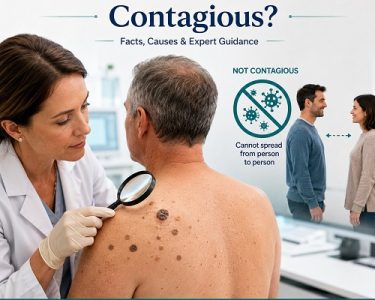
Is seborrheic keratosis contagious?
No. Seborrheic keratosis is not contagious and cannot spread through physical contact.
Can I use exfoliating products?
Strong exfoliating products are generally best avoided because they may increase irritation and discomfort.
Should I cover seborrheic keratosis?
Only when necessary to prevent friction or irritation. Otherwise, keeping the area clean and comfortable is usually sufficient.
Does scratching make it worse?
Repeated scratching may increase irritation and lead to bleeding or inflammation.
Conclusion
Safe seborrheic keratosis home care focuses on protecting and soothing the skin rather than attempting unsafe removal methods. Gentle cleansing, regular moisturization, sun protection, and avoiding friction can significantly improve comfort while supporting healthy skin. Although seborrheic keratosis is usually harmless, any unusual skin changes should be evaluated promptly by a healthcare professional.
By adopting simple daily skincare habits and monitoring affected areas carefully, individuals can successfully manage skin comfort while maintaining overall skin health. When lesions become bothersome or change unexpectedly, professional medical evaluation remains the safest and most effective next step.