 By
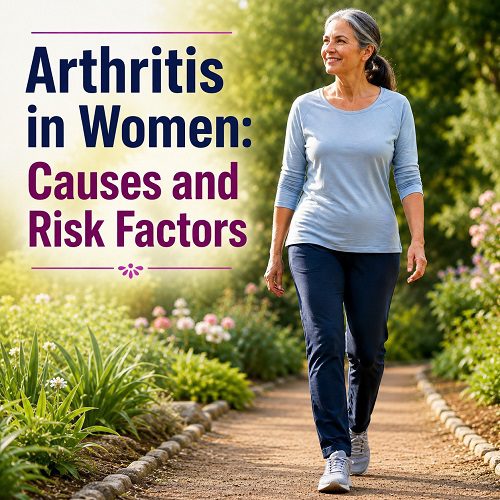
By Arthritis is a broad term used to describe conditions that affect the joints, causing symptoms such as pain, stiffness, swelling, tenderness, and reduced mobility. Although arthritis can affect anyone, Arthritis in Women deserves particular attention because women are more likely than men to develop several common forms of arthritis, including rheumatoid arthritis and osteoarthritis.
The reasons behind this difference are complex. Biological factors, hormonal changes, genetics, age, lifestyle, previous injuries, and certain health conditions can all contribute to a woman’s risk of developing joint problems. Understanding these factors can help women recognize symptoms earlier and take practical steps to protect their joint health.
This guide explains the major causes and risk factors associated with arthritis in women, how hormonal changes may influence joint health, and what women can do to support healthy movement throughout life.
What is Arthritis?
What Is Arthritis? Arthritis refers to a group of more than 100 conditions that affect joints and surrounding tissues. Different types of arthritis have different causes and patterns.
Osteoarthritis is the most common form. It occurs when the tissues within a joint gradually change and become damaged over time. It commonly affects the knees, hips, hands, spine, and other weight-bearing joints.
Rheumatoid arthritis is an autoimmune condition in which the immune system mistakenly attacks the lining of the joints. It can cause persistent inflammation, swelling, pain, and stiffness and may affect several joints on both sides of the body.
Other forms include psoriatic arthritis, Gout Arthritis, lupus-related arthritis, and Juvenile Arthritis forms of inflammatory arthritis.
Because arthritis has many causes, identifying individual risk factors is an important part of maintaining long-term joint health.
Why Is Arthritis More Common in Women?
One of the most important questions surrounding Arthritis in Women is why women develop certain forms of arthritis more frequently than men.
Research suggests that several factors may be involved, including hormones, immune-system differences, genetics, body composition, pregnancy-related changes, and differences in how certain joints are affected by mechanical stress.
Women are particularly affected by rheumatoid arthritis and osteoarthritis. The risk of osteoarthritis also tends to increase with age, especially after menopause.
However, being a woman does not mean that arthritis is inevitable. Many risk factors can be addressed through healthy lifestyle choices, injury prevention, appropriate exercise, weight management, and timely medical care.
Hormonal Changes and Arthritis
Hormones may play an important role in hormonal arthritis and the differences in arthritis risk between women and men.
Estrogen, one of the primary female sex hormones, influences many systems throughout the body, including bones, muscles, and immune function. Changes in estrogen levels during the menstrual cycle, pregnancy, postpartum period, and menopause may affect how some women experience joint symptoms.
After menopause, estrogen levels decline substantially. This period of hormonal change is associated with an increased risk of several musculoskeletal problems, including osteoarthritis and bone loss.
Hormonal changes do not necessarily cause arthritis on their own. Instead, they may interact with genetics, aging, inflammation, body weight, and other risk factors.
Women experiencing new or worsening joint pain during major hormonal transitions should discuss persistent symptoms with a healthcare professional rather than automatically assuming that hormones are the only explanation.
Age and Arthritis Risk
Age is one of the strongest risk factors for osteoarthritis.
As people get older, joints undergo changes that can increase their vulnerability to pain and stiffness. Muscles may also become weaker, balance can change, and previous injuries may begin to affect joint function.
For women, the risk of some types of arthritis increases considerably later in life. Menopause may overlap with this period of increasing age-related joint changes, making it difficult to determine which factor is responsible for a particular symptom.
Age cannot be changed, but healthy habits can help women maintain mobility and independence.
Regular physical activity, muscle-strengthening exercises, maintaining a healthy body weight, getting adequate sleep, and protecting joints from unnecessary injury are all useful components of long-term joint care.
Genetics and Family History
Genetics can influence a woman’s likelihood of developing certain forms of arthritis.
A family history of rheumatoid arthritis, lupus, psoriatic arthritis, or other autoimmune diseases may increase susceptibility. Genetics may also influence the likelihood of developing osteoarthritis, particularly in the hands and other joints.
Having a relative with arthritis does not guarantee that someone will develop the disease. Environmental factors, infections, smoking, body weight, physical activity, and other influences can interact with genetic susceptibility.
Women who have a strong family history of autoimmune or inflammatory diseases should be aware of persistent symptoms and seek medical advice when appropriate.
Pregnancy and Joint Health
Pregnancy creates significant changes throughout the body. Increased body weight, altered posture, hormonal changes, and changes in movement patterns can temporarily place additional stress on joints.
Some women experience joint discomfort during pregnancy without developing arthritis. However, pregnancy can also influence existing inflammatory conditions.
Women with rheumatoid arthritis may experience changes in disease activity during pregnancy and after delivery. The postpartum period can also involve substantial hormonal and immune-system changes.
Persistent joint swelling, severe pain, or prolonged stiffness should not simply be attributed to pregnancy or recent childbirth. A healthcare professional can help determine whether symptoms are related to normal physical changes or an underlying joint condition.
Menopause and Arthritis
Menopause is an important stage when discussing Arthritis in Women.
During menopause, estrogen levels decline. Women may notice changes in their muscles, bones, body composition, and joints. Some report increased joint stiffness or discomfort during and after menopause.
The relationship between menopause and arthritis is complicated. Aging, weight changes, reduced physical activity, previous joint injuries, and hormonal changes may all occur around the same time.
Women can support their joint health during this stage by staying physically active, maintaining muscle strength, eating a balanced diet, maintaining a healthy weight, and discussing persistent symptoms with a healthcare professional.
Weight and Joint Stress
Body weight is another important female arthritis risk factor, particularly for osteoarthritis affecting weight-bearing joints.
Extra body weight can increase mechanical stress on joints such as the knees and hips. Fat tissue may also contribute to inflammatory processes within the body.
Even modest weight management can be beneficial for people with knee osteoarthritis because it may reduce stress on the joints and make physical activity easier.
A healthy approach should focus on sustainable nutrition and regular movement rather than extreme diets. Women who have difficulty managing their weight should consider discussing an appropriate plan with a qualified healthcare professional or registered dietitian.
Previous Joint Injuries
A previous injury can increase the likelihood of developing arthritis in the affected joint later in life.
Sports injuries, fractures, ligament damage, cartilage injuries, and repeated stress can change the mechanics of a joint. Even after an injury appears to heal, long-term changes may remain.
Women who participate in running, competitive sports, physically demanding work, or activities involving repetitive joint stress should use appropriate protective equipment and learn safe movement techniques.
Proper rehabilitation after an injury is also important. Ignoring an injury and returning to activity too quickly may increase the risk of long-term problems.
Physical Activity and Joint Health
Exercise is often misunderstood when it comes to arthritis. Some people believe that physical activity will wear out their joints, but appropriate exercise can actually support joint health.
Walking, swimming, cycling, strength training, stretching, and low-impact aerobic activities can help maintain muscle strength and joint mobility.
Strong muscles provide support around joints and can make everyday activities easier. Regular movement can also help maintain a healthy body weight and improve overall physical function.
Women with painful or inflamed joints should choose activities appropriate for their condition and fitness level. A physical therapist or healthcare professional can help develop an individualized exercise program.
Smoking and Arthritis Risk
Smoking is associated with an increased risk of rheumatoid arthritis and can negatively affect overall health.
Smoking can influence immune-system function and may contribute to inflammation. It can also interfere with circulation and tissue healing.
For women who smoke, quitting can be an important step toward improving overall health and potentially reducing some arthritis-related risks.
If quitting is difficult, healthcare professionals can provide evidence-based support and strategies.
Autoimmune Conditions and Arthritis
Women are disproportionately affected by several autoimmune diseases, and some of these conditions can cause joint inflammation.
Rheumatoid arthritis, lupus, and psoriatic arthritis are examples of inflammatory conditions that may affect the joints.
Arthritis Symptoms may include prolonged morning stiffness, joint swelling, warmth, fatigue, and pain that does not behave like ordinary muscle soreness.
Early diagnosis is important because inflammatory arthritis can progressively damage joints if it is not appropriately managed.
Women with persistent joint swelling or significant morning stiffness should seek professional evaluation rather than relying solely on home treatments.
The Role of Diet in Joint Health
A balanced diet can support overall health and may contribute to healthy weight management.
There is no single diet that can prevent all forms of arthritis, but a nutrient-rich eating pattern emphasizing vegetables, fruits, whole grains, legumes, lean proteins, nuts, seeds, and healthy fats can support general well-being.
Some people explore Natural Remedies for Arthritis Symptoms as part of their overall approach to managing discomfort. Depending on the individual, complementary approaches may include certain dietary strategies, gentle exercise, heat or cold therapy, and other non-drug approaches.
However, natural does not automatically mean safe or effective. Herbal products can interact with medications or may not be appropriate for certain health conditions. Women who are pregnant, breastfeeding, preparing for surgery, or taking prescription medications should discuss supplements with a healthcare professional before using them.
Herbal and Complementary Approaches
Some women are interested in Herbal Remedies for Arthritis Support because they prefer to include complementary approaches alongside conventional care.
Ingredients such as turmeric or other botanical compounds have been studied for their potential effects on inflammation and joint discomfort. However, evidence varies by product, dose, formulation, and individual circumstances.
A Joint Support Herbal Supplement for Arthritis should not be viewed as a replacement for diagnosis or medically recommended treatment.
Women considering supplements should check product ingredients, quality, dosage, potential interactions, and safety. Consulting a healthcare professional can help reduce the risk of unwanted effects.
When Should Women See a Doctor?
Occasional joint discomfort after exercise or strenuous activity is not necessarily arthritis. However, certain symptoms deserve professional attention.
Women should consider seeking medical evaluation if they experience:
- Persistent joint pain that does not improve
- Recurrent or significant joint swelling
- Joint warmth or redness
- Prolonged morning stiffness
- Difficulty walking or using the hands
- Symptoms affecting daily activities
- Multiple painful or swollen joints
- Unexplained fatigue combined with joint symptoms
- Symptoms that progressively worsen
Early evaluation can help determine whether symptoms are caused by osteoarthritis, inflammatory arthritis, an injury, or another condition.
How Is Arthritis Diagnosed?
There is no single test that diagnoses every form of arthritis.
A healthcare professional may review symptoms, medical and family history, and perform a physical examination. Depending on the suspected condition, diagnostic testing may include blood tests, X-rays, ultrasound, MRI, or other imaging studies.
The diagnosis helps determine the most appropriate treatment approach.
For example, osteoarthritis and rheumatoid arthritis have different underlying mechanisms and may require very different treatments.
Treatment Options for Arthritis in Women
Arthritis Treatment depends on the type and severity of arthritis, the joints involved, age, overall health, and individual circumstances.
Management may include exercise and Physical Therapy for Arthritis, weight management, assistive devices, heat or cold therapy, prescription medications, or other interventions.
For people who require medication, healthcare professionals may recommend options based on the underlying condition. Women researching the Best Medications for Arthritis Pain Relief should remember that there is no universally best medication for everyone.
Some medicines can cause side effects or interact with other drugs. A doctor or pharmacist can help determine which option is appropriate.
Inflammatory forms of arthritis may require specific prescription treatments designed to control the immune response and prevent joint damage.
Practical Ways Women Can Protect Their Joints
Women can take several practical steps to support long-term joint health:
- Stay physically active with joint-friendly exercises.
- Strengthen the muscles surrounding vulnerable joints.
- Maintain a healthy body weight.
- Protect joints during sports and physical work.
- Treat injuries properly and complete recommended rehabilitation.
- Avoid smoking.
- Eat a balanced, nutrient-rich diet.
- Prioritize adequate sleep and recovery.
- Pay attention to persistent symptoms.
- Seek medical evaluation when joint problems do not improve.
These habits cannot guarantee that arthritis will be prevented, particularly when genetic or autoimmune factors are involved, but they can support mobility and overall health.
Final Thoughts
Arthritis in Women can develop for many reasons, and no single factor explains every case. Hormonal changes, aging, genetics, body weight, previous injuries, autoimmune conditions, lifestyle factors, and environmental influences can all contribute to arthritis risk.
Understanding female arthritis risk can help women recognize warning signs and make informed decisions about their joint health. Hormonal changes around menopause and other life stages may influence symptoms, but persistent pain or swelling should not automatically be dismissed as a normal part of aging.
Lifestyle strategies such as regular exercise, healthy weight management, injury prevention, and a balanced diet can support healthy joints. Complementary options, including Natural Remedies for Arthritis Symptoms and Herbal Remedies for Arthritis Support, may be considered by some women, but they should be approached carefully and ideally discussed with a qualified healthcare professional.
Most importantly, persistent joint symptoms deserve proper evaluation. Early diagnosis and an appropriate management plan can help women maintain mobility, independence, and quality of life for years to come.