 By
A healthy heart is essential for maintaining an active and fulfilling life. However, living with a heart rhythm disorder can sometimes make everyday activities challenging. Atrial fibrillation (AFib) is one of the most common types of irregular heart rhythms. It occurs when the electrical signals in the heart’s upper chambers become disorganized, causing the heart to beat irregularly and sometimes too quickly.
People living with atrial fibrillation may experience heart palpitations, fatigue, dizziness, shortness of breath, and reduced exercise tolerance. Some individuals may not notice any symptoms at all. Although atrial fibrillation can increase the risk of serious complications, particularly stroke and heart failure, proper treatment and lifestyle changes can help people maintain a good quality of life.
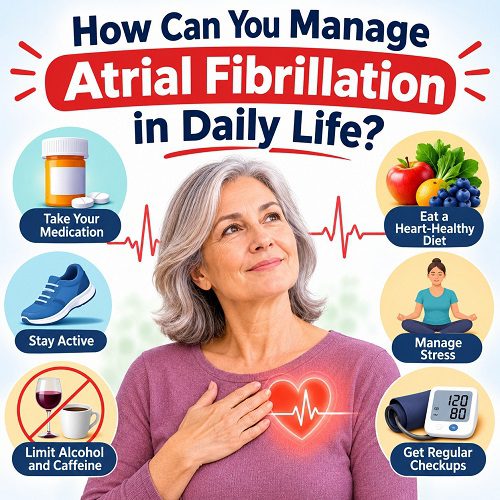
Learning how to Manage Atrial Fibrillation is not only about taking prescribed medication. It also involves developing healthy daily habits, monitoring your symptoms, managing existing health conditions, and maintaining regular communication with your healthcare provider. Daily Atrial Fibrillation management and make informed decisions about your heart health.
What Is Atrial Fibrillation?
Atrial fibrillation is an abnormal heart rhythm that develops when the electrical activity in the atria, the two upper chambers of the heart, becomes irregular.
Normally, electrical signals coordinate the heartbeat, allowing the heart to pump blood efficiently. In atrial fibrillation, these signals become chaotic, causing the atria to quiver instead of contracting normally.
As a result, blood may collect in the heart’s upper chambers, increasing the possibility of blood clot formation. If a clot travels to the brain, it can cause an ischemic stroke.
Atrial fibrillation can occur occasionally, last for extended periods, or become a long-term condition. Its frequency and severity vary from person to person.
Common symptoms include:
- Rapid or irregular heartbeat.
- Fluttering or pounding sensations in the chest.
- Shortness of breath.
- Dizziness or lightheadedness.
- Unusual tiredness or weakness.
- Reduced ability to perform physical activities.
- Chest discomfort.
Some people experience no noticeable Atrial Fibrillation symptoms and discover the condition during a routine medical examination.
1. Follow Your Prescribed Treatment Plan
One of the most important steps to manage atrial fibrillation is following the treatment plan recommended by your healthcare provider.
Treatment depends on several factors, including your age, overall health, symptoms, stroke risk, and the type of atrial fibrillation you have.
Your treatment plan may include:
Rate-control medications: These medicines help control how quickly your heart beats. They can reduce symptoms associated with an excessively fast heart rate.
Rhythm-control medications: These medications help restore or maintain a more regular heart rhythm in appropriate patients.
Blood thinners (anticoagulants): These medicines reduce the formation of blood clots and help lower the risk of stroke. Examples include apixaban, rivaroxaban, dabigatran, and warfarin. The appropriate medicine depends on individual circumstances.
Medical procedures: Some patients may benefit from electrical cardioversion or catheter ablation. These procedures aim to restore a normal rhythm or reduce the frequency of abnormal heart rhythms.
Take medications exactly as prescribed. Avoid skipping doses, changing medication schedules, or stopping treatment without consulting your healthcare professional.
If you experience side effects or have concerns about your medication, discuss them with your doctor rather than making changes independently.
2. Monitor Your Heart Rate and Symptoms
Monitoring your heart health can help you understand how atrial fibrillation affects your daily activities.
Keeping track of your symptoms and heart rate provides useful information that your healthcare provider can use to evaluate your treatment.
Consider recording:
- Your resting heart rate, if recommended.
- Episodes of irregular or rapid heartbeat.
- The duration and frequency of palpitations.
- Episodes of dizziness or breathlessness.
- Activities that appear to trigger symptoms.
- Medication schedules and missed doses.
- Blood pressure readings, when appropriate.
You can maintain a simple health diary using a notebook, smartphone, or health-tracking application.
Wearable devices and smartwatches may also help detect irregular heart rhythms. However, they cannot replace a medical Atrial Fibrillation diagnosis or a clinical electrocardiogram (ECG).
If a wearable device identifies an irregular rhythm, share the information with your healthcare provider. Do not make medication decisions based solely on smartwatch readings.
Consistent monitoring is an important part of managing Atrial Fibrillation symptoms because it helps identify changes that may require medical attention.
3. Maintain a Heart-Healthy Diet
Nutrition plays an important role in cardiovascular health. A balanced diet can help manage several conditions associated with atrial fibrillation, including high blood pressure, obesity, diabetes, and high cholesterol.
A heart-healthy eating pattern should include:
Fresh fruits and vegetables: These provide vitamins, minerals, antioxidants, and dietary fibre.
Whole grains: Choose foods such as oats, brown rice, whole-wheat bread, and whole-grain cereals.
Lean protein: Include fish, skinless poultry, beans, lentils, and other healthy protein sources.
Healthy fats: Choose foods such as olive oil, nuts, seeds, and avocados.
Low-sodium foods: Reduce excessive salt intake to support healthy blood pressure.
Try to limit processed foods, packaged snacks, fried foods, processed meats, and meals containing excessive saturated fat.
A Mediterranean-style eating pattern is one option that supports overall cardiovascular health.
If you take warfarin, be consistent with your intake of vitamin K-rich foods, such as spinach, kale, and broccoli. You generally do not need to avoid these foods, but sudden dietary changes can affect warfarin levels. Discuss dietary changes with your healthcare provider.
Maintaining good hydration is also important. However, people with heart failure or certain kidney conditions may have fluid restrictions, so follow your clinician’s advice.
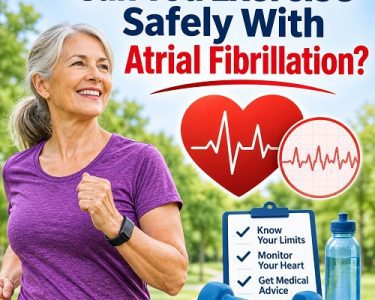
4. Exercise Regularly but Safely
Physical activity can improve cardiovascular fitness, support healthy weight management, and reduce the impact of several risk factors associated with atrial fibrillation.
However, Atrial Fibrillation exercise should be appropriate for your individual health condition.
Generally, moderate activities may include:
- Walking.
- Cycling at a comfortable pace.
- Swimming, if medically appropriate.
- Gentle stretching.
- Light resistance exercises.
Start gradually, particularly if you have been inactive for a long time. Increase the duration and intensity of exercise according to your doctor’s recommendations.
The 2023 ACC/AHA/ACCP/HRS atrial fibrillation guideline recommends an individualized exercise-training approach, with a target of approximately 210 minutes of moderate-to-vigorous exercise per week for suitable patients.
Avoid suddenly starting strenuous workouts without medical guidance. Excessive endurance exercise may not be appropriate for everyone.
Stop exercising and seek medical advice if you experience unusual breathlessness, chest discomfort, faintness, or significant palpitations.
Regular physical activity can become a valuable part of daily Atrial Fibrillation management when it is planned safely.
5. Limit Alcohol and Identify Caffeine Triggers
Alcohol consumption can contribute to atrial fibrillation episodes, particularly when consumed in large quantities.
Some people experience palpitations after drinking alcohol, while others notice symptoms following binge drinking.
If you have atrial fibrillation, avoiding alcohol is a reasonable approach, especially if it triggers your symptoms. Discuss your individual circumstances with your healthcare provider.
Caffeine affects people differently. Some individuals notice palpitations after drinking coffee, tea, energy drinks, or other caffeinated beverages, while others tolerate moderate amounts without difficulty.
Pay attention to how your body responds.
Consider:
- Reducing excessive caffeine consumption.
- Avoiding energy drinks and stimulant-containing supplements.
- Limiting alcohol or avoiding it altogether.
- Recording possible dietary triggers.
- Discussing recurring symptoms with your doctor.
You do not necessarily need to eliminate all caffeine unless it Atrial Fibrillation causes symptoms or your healthcare provider recommends avoiding it.
6. Maintain a Healthy Body Weight
Excess body weight is associated with an increased risk of atrial fibrillation and may contribute to the progression of the condition.
Maintaining a healthy weight can improve cardiovascular health and support better management of associated conditions such as hypertension, diabetes, and sleep apnea.
For people with atrial fibrillation who are overweight or obese, the 2023 ACC/AHA/ACCP/HRS guideline recommends weight reduction, with an ideal target of at least 10% weight loss when appropriate.
Healthy weight management involves:
- Eating balanced, nutritious meals.
- Controlling portion sizes.
- Participating in regular physical activity.
- Limiting sugary beverages.
- Avoiding crash diets.
- Maintaining consistent sleep habits.
Focus on gradual, sustainable progress instead of rapid weight loss.
If you have other medical conditions, ask your healthcare provider or registered dietitian to help develop a suitable weight-management plan.
7. Manage Stress and Support Emotional Well-Being
Living with atrial fibrillation can sometimes cause anxiety, frustration, or emotional stress.
Some people become worried whenever they notice an irregular heartbeat. Others experience stress because symptoms interfere with work, sleep, exercise, or social activities.
Although stress is not the sole cause of atrial fibrillation, managing emotional well-being can improve your overall quality of life.
Helpful approaches include:
Deep breathing: Slow, controlled breathing may help you relax during periods of stress.
Meditation: Mindfulness exercises can support emotional well-being and relaxation.
Gentle yoga: Appropriate yoga practices may help improve flexibility and reduce stress.
Social support: Talking with family members, friends, or support groups can help you feel less isolated.
Professional counselling: Consider speaking with a mental health professional if anxiety or depression affects your daily life.
Remember that relaxation techniques are supportive measures, not treatments for an active atrial fibrillation episode. Do not delay medical care when serious symptoms occur.
8. Get Enough Quality Sleep
Sleep is an important part of maintaining good cardiovascular health.
Poor sleep and untreated sleep apnea are associated with atrial fibrillation and may contribute to recurrent episodes.
People with sleep apnea may repeatedly stop breathing during sleep, causing oxygen levels to fluctuate and placing additional stress on the cardiovascular system.
Common signs of sleep apnea include:
- Loud, persistent snoring.
- Waking up gasping for air.
- Morning headaches.
- Excessive daytime sleepiness.
- Difficulty concentrating.
If you notice these symptoms, discuss a sleep assessment with your healthcare provider.
To improve your sleep routine:
- Maintain a consistent bedtime.
- Create a comfortable sleeping environment.
- Reduce screen exposure before bedtime.
- Avoid excessive caffeine late in the day.
- Follow your prescribed sleep apnea treatment, if applicable.
Treating sleep-related problems may support better overall atrial fibrillation management.
9. Control Other Health Conditions
Atrial fibrillation often occurs alongside other medical conditions. Managing these conditions is essential for reducing cardiovascular risks and supporting long-term health.
Important conditions to monitor include:
High blood pressure: Uncontrolled hypertension can increase the risk of atrial fibrillation and stroke. Monitor your blood pressure and take prescribed medication consistently.
Diabetes: High blood glucose levels can contribute to cardiovascular complications. Follow your diabetes treatment plan and monitor glucose as recommended.
High cholesterol: Maintaining healthy cholesterol levels can support overall cardiovascular health.
Sleep apnea: Seek evaluation and follow recommended treatment if diagnosed.
Thyroid disorders: An overactive thyroid can contribute to abnormal heart rhythms and may require treatment.
Regular medical checkups help identify problems early and ensure that your treatment remains appropriate.
10. Understand Your Risk of Stroke
Stroke prevention is one of the most important aspects of atrial fibrillation treatment.
Because irregular atrial contractions can allow blood clots to form, people with atrial fibrillation may have an increased risk of ischemic stroke.
Your doctor will assess your individual stroke risk using validated clinical risk assessment tools, such as CHA₂DS₂-VASc, and other relevant clinical information.
Depending on your risk, anticoagulant medication may be recommended.
Never stop taking a prescribed blood thinner simply because you feel well or have not experienced palpitations recently. The decision to continue or discontinue anticoagulation must be made with your healthcare provider.
You should also understand the warning signs of a stroke.
Seek emergency medical attention immediately if you or someone nearby experiences:
- Sudden weakness or numbness in the face, arm, or leg, particularly on one side.
- Sudden difficulty speaking or understanding speech.
- Sudden vision problems.
- Sudden loss of balance or coordination.
- A sudden, severe headache without an obvious cause.
Remember the FAST approach:
- F – Face: Is one side of the face drooping?
- A – Arms: Is one arm weak or difficult to raise?
- S – Speech: Is speech slurred or difficult to understand?
- T – Time: Call emergency medical services immediately.
Do not wait for symptoms to disappear.
11. Recognize When to Seek Medical Attention
Understanding the difference between manageable symptoms and medical emergencies is essential.
Contact your healthcare provider if you notice:
- Increasing frequency of palpitations.
- New or worsening fatigue.
- Repeated episodes of dizziness.
- Increasing shortness of breath.
- Changes in your usual exercise tolerance.
- Side effects from prescribed medication.
Seek emergency medical care for chest pain, severe breathing difficulty, fainting, signs of stroke, or other severe or sudden symptoms.
Do not assume that every episode of an irregular heartbeat is harmless.
Early medical assessment can help identify complications and determine whether your treatment needs adjustment.
12. Attend Regular Medical Follow-Ups
Atrial fibrillation management is an ongoing process. Your symptoms, heart rhythm, stroke risk, and overall health may change over time.
Regular appointments allow your healthcare provider to assess your progress and make necessary treatment adjustments.
Depending on your condition, follow-up care may involve:
- Electrocardiograms (ECGs).
- Heart rhythm monitoring.
- Blood pressure assessments.
- Medication reviews.
- Blood tests, when indicated.
- Kidney and liver function monitoring, depending on your medication.
- Evaluation of stroke and bleeding risks.
Prepare for appointments by writing down your symptoms, questions, medication concerns, and relevant changes in your daily routine.
Shared decision-making is important. Discuss your treatment preferences, lifestyle goals, and concerns so that your care plan reflects your individual needs.
A Simple Daily Routine for Living With Atrial Fibrillation
Developing a consistent routine can make managing Atrial Fibrillation symptoms easier.
Here is an example of a practical daily schedule:
Morning
- Take prescribed medication according to your schedule.
- Check your blood pressure or heart rate if recommended.
- Eat a balanced breakfast.
- Participate in gentle physical activity.
Afternoon
- Eat a nutritious lunch.
- Stay hydrated within your recommended fluid limits.
- Take short breaks if you experience fatigue.
- Avoid known dietary or lifestyle triggers.
Evening
- Enjoy a balanced dinner.
- Take prescribed evening medication.
- Spend time relaxing through reading, meditation, or another calming activity.
- Prepare for a consistent bedtime.
Throughout the day
- Record unusual symptoms.
- Avoid smoking and excessive alcohol.
- Follow your treatment plan.
- Seek medical advice when symptoms change.
This routine should be adapted to your medication schedule, personal preferences, and healthcare provider’s recommendations.
Natural Treatment for Atrial Fibrillation
Atrial fibrillation (AFib) is a common heart rhythm disorder that causes an irregular and sometimes rapid heartbeat. While medical treatment is essential for managing this condition, certain lifestyle changes and Natural Remedies for Atrial Fibrillation may help support heart health and reduce symptoms.
One of the most effective natural approaches is maintaining a heart-healthy diet. Include fruits, vegetables, whole grains, nuts, and omega-3-rich foods such as fish. Reducing salt, caffeine, and alcohol intake may also help manage heart rhythm triggers.
Regular physical activity, such as walking, swimming, or gentle yoga, can improve cardiovascular health. However, exercise should be appropriate for your condition and approved by your healthcare provider.
Managing stress is another important step. Meditation, deep breathing, and adequate sleep may support a healthier heart rhythm. Maintaining a healthy weight and treating conditions such as high blood pressure and sleep apnea can also improve overall heart health.
Although these natural approaches may support AFib management, they cannot replace prescribed medications or medical procedures. Always consult your cardiologist before trying supplements or changing your treatment plan. With proper medical care and healthy lifestyle habits, people with atrial fibrillation can improve their overall well-being.
Frequently Asked Questions (FAQs
1. Can you live a normal life with atrial fibrillation?
Yes. Many people with atrial fibrillation live active and fulfilling lives. Following prescribed treatment, maintaining healthy lifestyle habits, monitoring symptoms, and attending regular medical checkups can help manage the condition and reduce complications.
2. How can I manage atrial fibrillation naturally?
You can support your heart health by eating a balanced diet, exercising regularly, maintaining a healthy weight, getting enough sleep, managing stress, and limiting alcohol. However, natural approaches should complement, not replace, prescribed medical treatment.
3. What foods should people with atrial fibrillation avoid?
It may help to limit excessive salt, highly processed foods, unhealthy fats, and alcohol. Some people also experience symptoms after consuming excessive caffeine or energy drinks. Individual triggers vary, so discuss dietary changes with your healthcare provider.
4. Is walking good for atrial fibrillation?
Yes. Walking is generally a beneficial, low-impact activity for many people with atrial fibrillation. Start at a comfortable pace and gradually increase activity according to your doctor’s recommendations.
5. Can stress trigger atrial fibrillation symptoms?
Stress may contribute to palpitations or trigger symptoms in some individuals. Relaxation techniques, meditation, deep breathing, and adequate sleep may support emotional well-being and symptom management.
6. How can I monitor atrial fibrillation at home?
You can monitor your heart rate, blood pressure (if recommended), and symptoms using suitable home devices. Smartwatches may detect irregular rhythms, but they cannot replace an ECG or professional medical assessment.
7. Does drinking coffee worsen atrial fibrillation?
Not necessarily. Moderate caffeine consumption does not trigger atrial fibrillation in everyone. However, some individuals experience palpitations after consuming caffeine. Monitor your response and discuss recurring symptoms with your doctor.
8. Can atrial fibrillation go away permanently?
Atrial fibrillation can sometimes be controlled for extended periods. Treatments such as catheter ablation may help maintain a normal heart rhythm in suitable patients. However, recurrence is possible, and ongoing monitoring may still be necessary.
9. Why is medication important in atrial fibrillation management?
Medication helps control heart rate, maintain or restore heart rhythm, and reduce stroke risk. Depending on your condition, your doctor may prescribe anticoagulants to prevent blood clots. Always take medication as directed.
10. When should someone with atrial fibrillation seek emergency medical care?
Seek emergency medical attention for chest pain, severe shortness of breath, fainting, or possible stroke symptoms, including sudden facial drooping, arm weakness, or speech difficulties. Do not delay emergency care.
11. Does losing weight help manage atrial fibrillation?
Yes. For people who are overweight or obese, sustainable weight loss can reduce atrial fibrillation burden and improve cardiovascular health. A weight-management plan should be developed with appropriate medical guidance.
12. How much exercise is recommended for people with atrial fibrillation?
Exercise recommendations depend on individual health and fitness levels. Suitable patients may benefit from approximately 210 minutes of moderate-to-vigorous exercise per week, as recommended in the 2023 ACC/AHA/ACCP/HRS guideline. Consult your doctor before starting or increasing exercise.
13. Can poor sleep make atrial fibrillation worse?
Poor sleep and untreated sleep apnea are associated with atrial fibrillation. Maintaining a consistent sleep schedule and seeking evaluation for possible sleep apnea may support better heart health.
14. Is atrial fibrillation a lifelong condition?
It can be a long-term condition, but its pattern varies. Some people experience occasional episodes, while others have persistent atrial fibrillation. Appropriate treatment and regular monitoring help manage the condition.
15. What is the most important thing to remember when managing atrial fibrillation?
The most important step is to follow your individualized treatment plan. Take prescribed medication, understand your stroke risk, maintain healthy habits, monitor changes in symptoms, and attend regular medical appointments.
Conclusion
Learning how to Manage Atrial Fibrillation in daily life involves a combination of medical treatment, healthy lifestyle choices, symptom monitoring, and regular follow-up care.
Although atrial fibrillation is a long-term condition for many people, it does not necessarily prevent them from enjoying an active and meaningful life. Taking prescribed medication, following a heart-healthy diet, exercising safely, maintaining a healthy weight, managing stress, and controlling other medical conditions can all contribute to better cardiovascular health.
Most importantly, understand your individual stroke risk and follow your healthcare provider’s recommendations regarding anticoagulants and other treatments.
Daily Atrial Fibrillation management is not about making every lifestyle change overnight. It is about building sustainable habits, recognizing warning signs, and working with your healthcare team to protect your heart.
Medical disclaimer
This article is intended for educational purposes only and should not replace professional medical advice, diagnosis, or treatment. Always consult a qualified healthcare professional before changing medications, beginning a new exercise program, or making significant dietary changes.
Medical references and authoritative sources
The following sources support the medical information presented in the article. They are suitable references for a healthcare website.
- American College of Cardiology (ACC), American Heart Association (AHA), and Heart Rhythm Society (HRS). (2023). 2023 Guideline for the Diagnosis and Management of Atrial Fibrillation. Journal of the American College of Cardiology.
- American Heart Association. Understanding AFib: Symptoms, Treatment and Living Well.
- American Heart Association. Diagnosis and Treatment of Atrial Fibrillation.
- American Heart Association. Lifestyle Strategies for Atrial Fibrillation.
- Joglar JA, et al. (2024). 2023 ACC/AHA/ACCP/HRS Guideline for the Diagnosis and Management of Atrial Fibrillation: A Report of the Joint Committee on Clinical Practice Guidelines. Circulation, 149, e1–e156.