 By
Atrial fibrillation (AFib) is one of the most common types of heart rhythm disorders. It causes an irregular heartbeat, sometimes accompanied by a rapid heart rate. People living with this condition may experience heart palpitations, tiredness, dizziness, shortness of breath, or reduced exercise tolerance.
After receiving an atrial fibrillation diagnosis, many people wonder whether physical activity is still safe. Questions such as “Can I walk every day?”, “Can I go to the gym?”, and “Will exercise make my heart condition worse?” are common.
The good news is that most people with atrial fibrillation can remain physically active. In fact, appropriately planned exercise can support cardiovascular health, improve fitness, help manage blood pressure, and contribute to better overall well-being.
However, the type, intensity, and duration of exercise matter. Some activities may be more suitable than others, depending on your symptoms, heart rate, treatment, and overall cardiovascular health. How to exercise with atrial fibrillation safely can help you stay active while reducing unnecessary risks.
What Is Atrial Fibrillation?
Atrial fibrillation is an abnormal heart rhythm that develops when the electrical signals in the upper chambers of the heart (the atria) become disorganised.
Instead of contracting in a coordinated manner, the atria quiver or beat irregularly. This can cause the lower chambers (ventricles) to beat irregularly and sometimes too quickly.
Common Atrial Fibrillation symptoms include:
- Irregular or rapid heartbeat.
- Heart palpitations or a fluttering sensation in the chest.
- Shortness of breath.
- Dizziness or lightheadedness.
- Unusual tiredness or weakness.
- Reduced ability to exercise.
- Chest discomfort.
Some people have no noticeable symptoms and discover they have atrial fibrillation during a routine medical examination.
AFib can increase the risk of blood clots and stroke. It is also associated with heart failure and other cardiovascular complications. Therefore, managing the condition involves more than controlling symptoms.
Treatment may include medications to control heart rate or rhythm, anticoagulants to reduce stroke risk, cardioversion, catheter ablation, and lifestyle changes.
Physical activity can be an important part of an overall management plan.
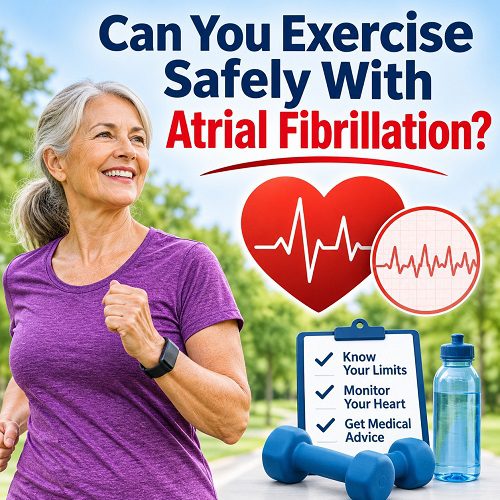
Can You Exercise Safely With Atrial Fibrillation?
Yes, many people can exercise safely with atrial fibrillation, provided their condition is appropriately assessed and their exercise routine is suitable for their individual health needs.
Regular, moderate-intensity physical activity is generally encouraged for people with stable AFib. It can improve cardiovascular fitness, support healthy blood pressure, assist with weight management, and improve quality of life.
However, exercise recommendations are not the same for everyone.
Someone with well-controlled atrial fibrillation and no significant symptoms may be able to participate in regular walking, swimming, cycling, or other moderate activities.
On the other hand, someone experiencing uncontrolled heart rates, frequent dizziness, chest pain, or significant breathlessness may need medical evaluation before exercising.
Before starting a new fitness programme, speak with your cardiologist or healthcare professional. They can assess your heart rhythm, symptoms, medications, and other medical conditions to recommend an appropriate activity level.
The main goal is to remain active without placing unnecessary strain on your cardiovascular system.
Benefits of Exercise for People With Atrial Fibrillation
Appropriate exercise offers several potential benefits for people living with AFib.
1. Improves Cardiovascular Fitness
Regular physical activity strengthens the cardiovascular system and helps your body use oxygen more efficiently.
Activities such as walking, cycling, and swimming can gradually improve endurance and make everyday activities easier.
Better cardiovascular fitness may also help reduce fatigue and improve your ability to perform daily tasks.
2. Helps Manage Blood Pressure
High blood pressure is an important risk factor for atrial fibrillation.
Consistent moderate exercise can help lower blood pressure and support healthier blood vessel function.
Managing blood pressure is particularly important because it may reduce the risk of cardiovascular complications associated with AFib.
3. Supports Healthy Weight Management
Being overweight or obese can increase the risk of developing atrial fibrillation and may contribute to disease progression.
Regular physical activity, combined with a balanced diet, can help maintain a healthy body weight.
For people who are overweight, gradual and sustainable weight loss may improve AFib management and reduce symptom burden.
4. May Reduce Atrial Fibrillation Symptoms and Burden
Appropriately prescribed exercise programmes may improve symptoms and reduce the burden of atrial fibrillation in some patients.
Research suggests that structured aerobic exercise can improve functional capacity and quality of life.
However, exercise is not a replacement for medical treatment, and individual results vary.
5. Improves Mental Health
Living with an irregular heartbeat can sometimes cause anxiety, stress, and fear of physical activity.
Moderate exercise can support mental well-being, improve sleep, and reduce stress.
Building confidence through gradual physical activity may also help people feel more comfortable managing their condition.
Best Exercises for Atrial Fibrillation
Choosing suitable activities is essential when planning safe exercise for Atrial Fibrillation.
For many people with stable AFib, low- to moderate-intensity aerobic activities are a good starting point.
1. Walking
Walking is one of the simplest and most accessible forms of exercise.
It does not require expensive equipment, and you can adjust the speed and distance according to your fitness level.
Start with short walks of approximately 10–15 minutes, if your healthcare professional considers this appropriate.
Gradually increase your walking time as your fitness improves.
Walking can help improve endurance, support weight management, and promote cardiovascular health.
2. Stationary Cycling
Stationary cycling provides a controlled way to improve cardiovascular fitness.
You can adjust the resistance and speed, making it easier to maintain a comfortable exercise intensity.
Begin with low resistance and short sessions. Avoid pushing yourself to maintain a high speed or completing intense cycling workouts without medical clearance.
3. Swimming
Swimming and water-based exercise can provide a low-impact workout that engages several muscle groups.
However, people with AFib should take additional precautions around water, particularly if they experience dizziness, fainting, or sudden heart rhythm symptoms.
Avoid swimming alone, and consult your healthcare professional before beginning a swimming programme.
4. Light Strength Training
Strength training can help maintain muscle strength, improve mobility, and support everyday physical function.
Suitable activities may include:
- Light dumbbell exercises.
- Resistance band workouts.
- Chair exercises.
- Bodyweight exercises.
- Gentle strength-training routines.
Use manageable resistance and focus on controlled movements.
Avoid holding your breath while lifting weights, as this can cause sudden changes in blood pressure. Heavy lifting and maximal-effort strength training should only be considered after appropriate medical assessment.
5. Yoga and Gentle Stretching
Gentle yoga and stretching can improve flexibility, balance, and relaxation.
Some people find these activities helpful for managing stress and improving their general sense of well-being.
Choose beginner-friendly movements and avoid extreme positions or exercises that cause dizziness, breathlessness, or discomfort.
How Much Exercise Is Recommended?
For many adults, general physical activity guidelines recommend at least 150 minutes of moderate-intensity aerobic activity per week, or 75 minutes of vigorous activity, alongside muscle-strengthening activities on two or more days.
However, these are general population targets, not automatic exercise prescriptions for everyone with atrial fibrillation.
Your healthcare professional may recommend a different starting point based on your condition and fitness level.
If you are new to exercise, consider starting with:
- 10–15 minutes of comfortable walking.
- Three to five days of activity per week, as tolerated.
- Gradual increases in exercise duration.
- Rest periods whenever needed.
As your fitness improves, your healthcare professional may recommend progressing towards the general activity guidelines.
Consistency is more important than intensity. A manageable exercise routine performed regularly is usually more beneficial than occasional exhausting workouts.
Exercises and Activities to Approach With Caution
Although exercise is generally beneficial, certain activities may not be appropriate for everyone with AFib.
High-Intensity Interval Training
High-intensity interval training (HIIT) involves alternating short periods of intense activity with recovery periods.
It can place substantial demands on the cardiovascular system and may cause rapid changes in heart rate.
People with uncontrolled AFib or significant symptoms should avoid intense interval workouts until they have received medical advice.
Some carefully selected patients may participate in higher-intensity training under professional supervision.
Competitive Endurance Sports
Long-distance running, competitive cycling, and other demanding endurance activities can place considerable stress on the heart.
Very high volumes of endurance exercise have also been associated with an increased risk of AFib in some populations.
People with AFib should discuss the risks and benefits of intensive endurance training with a cardiologist before participating.
Heavy Weightlifting
Lifting very heavy weights can temporarily increase blood pressure, especially when combined with breath-holding or straining.
People with cardiovascular conditions should seek individual guidance before attempting maximal lifts or strenuous resistance training.
Exercising During Severe Symptoms
Do not attempt to exercise through chest pain, faintness, severe breathlessness, or significant dizziness.
Stop the activity and seek appropriate medical assessment.
Important Safety Tips Before Exercising With AFib
Taking a few precautions can make physical activity more comfortable and safer.
1. Get Medical Clearance
Before starting a new exercise routine, discuss your plans with your healthcare professional.
Depending on your circumstances, your doctor may recommend an ECG, echocardiogram, exercise stress test, or other investigations.
These assessments can help determine whether your heart rhythm and cardiovascular function are suitable for your intended activity.
2. Warm Up and Cool Down
Begin each session with five to ten minutes of gentle movement.
A gradual warm-up allows your body to adjust to increased physical activity.
After exercising, slow down gradually rather than stopping suddenly.
A gentle cool-down can help your heart rate and breathing return towards their resting levels.
3. Monitor Your Symptoms
Pay attention to how you feel during exercise.
Watch for unusual fatigue, dizziness, chest discomfort, palpitations, or shortness of breath.
A fitness tracker may provide useful information, but wrist-based heart-rate monitors are not always accurate when someone has an irregular heart rhythm.
Do not rely on a smartwatch alone to determine whether exercise is safe.
4. Stay Hydrated
Dehydration can contribute to changes in heart rate and may make exercise more difficult.
Drink adequate fluids before and after physical activity, following any fluid restrictions recommended by your doctor.
This is particularly important during hot weather.
5. Avoid Excessive Heat
Hot and humid conditions can increase cardiovascular strain and contribute to dehydration.
Choose cooler times of the day, exercise in a comfortable environment, and reduce your activity level when temperatures are high.
6. Take Your Medication as Prescribed
Some medications used to manage AFib affect heart rate and exercise response.
For example, beta-blockers can prevent your heart rate from increasing as much as expected during exercise.
If you take heart-rate-controlling medication, a traditional target heart-rate calculation may not accurately reflect your exercise intensity.
Your healthcare professional can help establish appropriate exercise limits.
Never stop or change your medication because you want to exercise.
7. Be Careful if You Take Blood Thinners
Some people with AFib take anticoagulants to reduce their risk of stroke.
These medications increase the risk of bleeding, particularly following injuries.
If you take blood thinners, avoid activities with a high risk of falls, collisions, or physical trauma unless your medical team has specifically assessed them as appropriate.
When Should You Stop Exercising?
Knowing when to stop is an important part of safe physical activity.
Stop exercising immediately if you experience:
- Chest pain, pressure, or tightness.
- Severe or unusual shortness of breath.
- Dizziness or feeling faint.
- Sudden weakness or unusual exhaustion.
- Persistent or significantly worsening palpitations.
- A rapid or irregular heartbeat accompanied by concerning symptoms.
If you experience chest pain, fainting, severe breathing difficulty, or signs of a stroke, seek emergency medical assistance immediately.
Stroke warning signs can include sudden facial drooping, weakness in an arm or leg, difficulty speaking, sudden vision problems, or loss of balance.
Do not resume exercise until concerning symptoms have been medically assessed.
Can Exercise Trigger Atrial Fibrillation?
Exercise does not automatically trigger atrial fibrillation.
In fact, regular moderate exercise is generally associated with better cardiovascular health and may help reduce AFib symptoms and burden.
However, very intense or prolonged endurance exercise may increase the risk of AFib in certain individuals.
Other factors can also contribute to episodes during or after exercise, including dehydration, inadequate recovery, alcohol consumption, illness, and underlying heart conditions.
If you notice that physical activity repeatedly triggers palpitations or Atrial Fibrillation episodes, discuss this pattern with your cardiologist.
Keeping a simple exercise and symptom diary may help your healthcare team identify possible triggers.
How to Build a Safe Weekly Exercise Routine
A balanced weekly routine should include aerobic activity, gentle strength training, flexibility, and recovery.
The following is an illustrative example for someone with stable AFib who has been cleared for these activities. It should be adapted to individual medical advice.
| Day | Suggested activity |
| Monday | 15–20 minutes of comfortable walking |
| Tuesday | Gentle strength training and stretching |
| Wednesday | 20 minutes of walking or stationary cycling |
| Thursday | Rest or gentle mobility exercises |
| Friday | 20 minutes of comfortable walking |
| Saturday | Light resistance exercises and stretching |
| Sunday | Gentle walking or recovery |
Start with shorter sessions if necessary. Increase your activity gradually rather than trying to complete the entire routine immediately.
If your symptoms worsen or you experience unusual discomfort, stop and contact your healthcare professional.
Natural Treatment for Atrial Fibrillation
Atrial fibrillation (AFib) is a common heart rhythm disorder that causes an irregular and sometimes rapid heartbeat. While medical treatment is essential for managing this condition, certain lifestyle changes and natural approaches may support heart health and reduce symptoms.
Natural Remedies for Atrial Fibrillation include adopting a heart-healthy diet rich in fruits, vegetables, whole grains, nuts, and omega-3 fatty acids. These foods provide essential nutrients that support cardiovascular health.
Regular, moderate exercise, such as walking, swimming, or cycling, may also help improve heart function. Maintaining a healthy weight, managing stress through meditation or yoga, and getting sufficient sleep are equally important.
Limiting caffeine, avoiding alcohol, quitting smoking, and staying hydrated may help reduce potential AFib triggers. It is also important to manage conditions such as high blood pressure, diabetes, and sleep apnea.
However, natural treatments cannot cure atrial fibrillation or replace prescribed medication. Some herbal supplements may interact with heart medications or increase bleeding risks. Always consult a qualified healthcare professional before trying supplements or making significant lifestyle changes.
Frequently Asked Questions
1. Is walking good for people with atrial fibrillation?
Yes. Walking is generally a suitable form of moderate physical activity for many people with stable AFib. It can improve cardiovascular fitness, support weight management, and promote overall health. Start slowly and increase your walking duration according to your doctor’s recommendations.
2. Can exercise make atrial fibrillation worse?
Moderate exercise is generally beneficial for people with stable AFib. However, excessive or very intense endurance exercise may increase AFib risk in some individuals. The appropriate exercise intensity depends on your symptoms, Atrial Fibrillation treatment, and cardiovascular health.
3. Can I go to the gym with atrial fibrillation?
Many people with AFib can attend the gym. Walking machines, stationary bikes, light resistance exercises, and gentle stretching may be suitable options. However, obtain medical advice before starting strenuous workouts or heavy lifting.
4. Should I exercise when I am experiencing AFib symptoms?
It depends on the symptoms and your individual medical plan. If you experience significant palpitations, dizziness, chest discomfort, or unusual breathlessness, stop exercising. Severe symptoms require urgent medical assessment.
5. Is strength training safe with atrial fibrillation?
Light to moderate strength training may be appropriate for many people with stable AFib. Use manageable resistance, maintain proper breathing, and avoid maximal lifting or breath-holding. Discuss an appropriate programme with your healthcare professional.
6. Can exercise reduce atrial fibrillation episodes?
Structured exercise programmes may improve fitness, symptoms, and AFib burden in some people. Exercise may be particularly beneficial when combined with weight management, blood pressure control, and appropriate medical treatment. However, it does not guarantee that AFib episodes will stop.
Final Thoughts
Living with atrial fibrillation does not necessarily mean giving up exercise or an active lifestyle.
For many people, regular and appropriately planned physical activity is an important part of managing cardiovascular health. Walking, stationary cycling, gentle swimming, light strength training, and stretching can all be suitable options depending on individual circumstances.
The most important thing is to understand your limitations, recognise warning signs, and follow medical advice before starting or increasing your exercise routine.
If you have AFib, work with your cardiologist to develop a personalised activity plan that considers your symptoms, heart rate, medications, and overall health.
With the right precautions and a gradual approach, exercise can become a valuable part of living a healthier and more active life with atrial fibrillation.
Medical disclaimer
This article is for educational and informational purposes only. It does not replace professional medical advice, diagnosis, or treatment. Always consult a qualified healthcare professional before starting a new exercise programme, particularly if you have atrial fibrillation or another cardiovascular condition.