Abdominal Adhesions and Nausea: Is There a Connection?
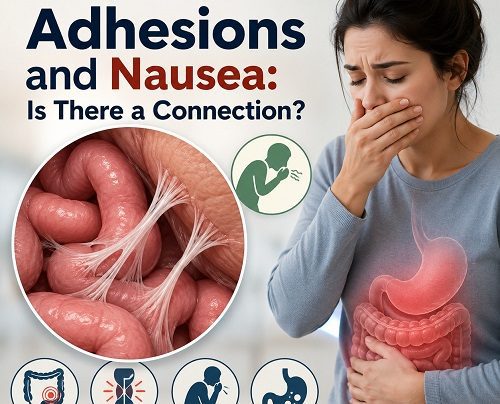
Nausea can be an uncomfortable symptom with many possible causes, ranging from indigestion and infections to medication side effects and…

Welcome to our Abdominal Adhesions health information category, where you can explore reliable, easy-to-understand information about abdominal adhesions, their causes, symptoms, diagnosis, treatment options, possible complications, and ways to support digestive health.
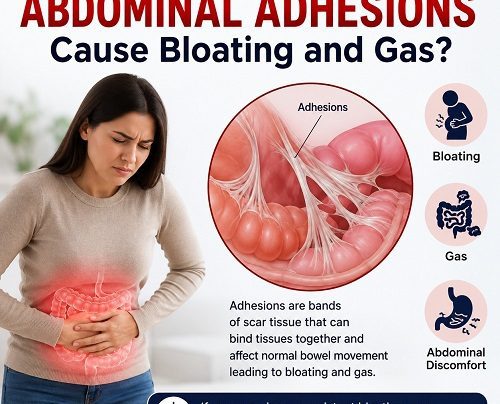
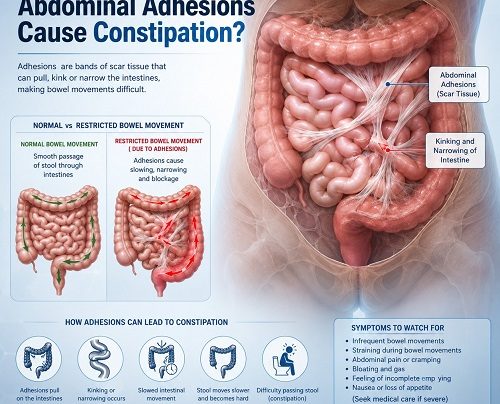
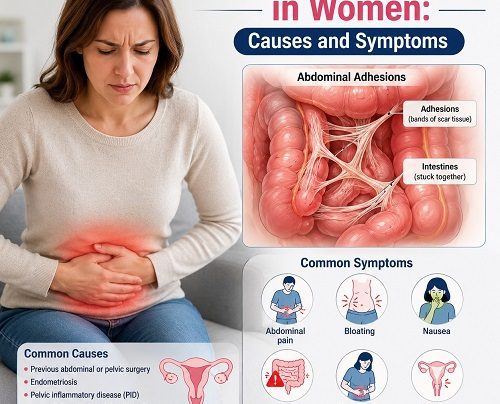
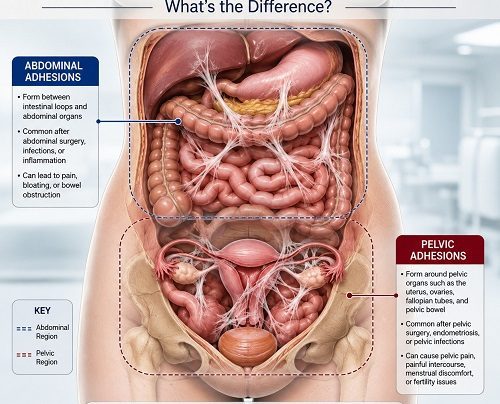
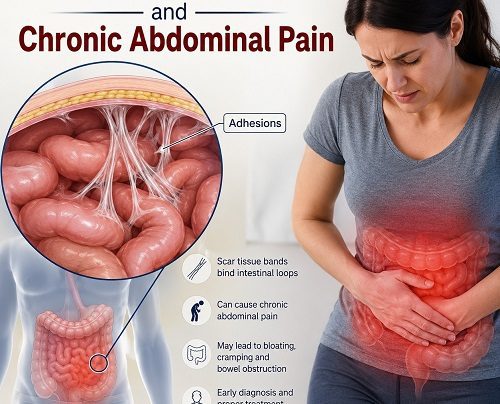
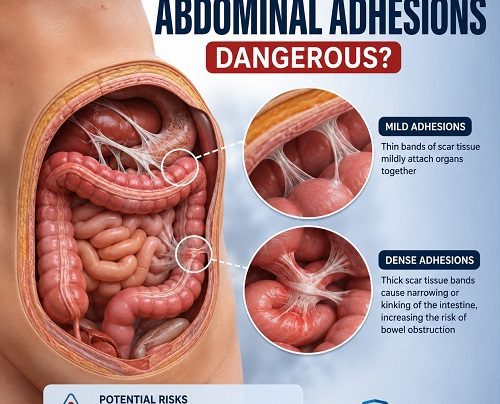
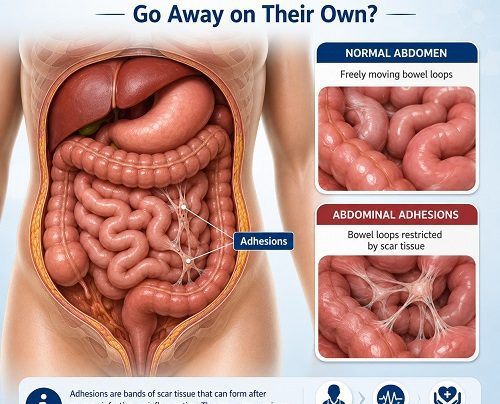
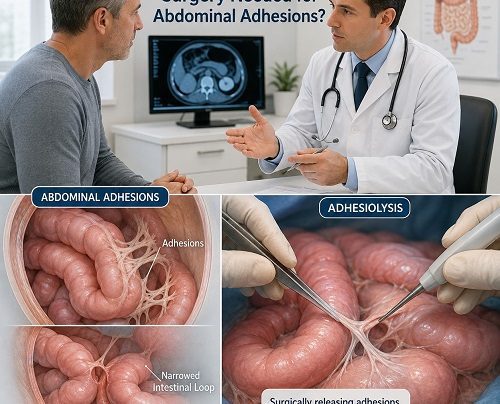
Abdominal adhesions are bands of scar-like tissue that can develop inside the abdomen and cause organs or tissues to stick together. They commonly develop after abdominal surgery, but they may also occur following inflammation, infection, endometriosis, radiation treatment, or certain abdominal conditions. Many people with adhesions never experience symptoms, while others may develop chronic abdominal discomfort or complications such as intestinal obstruction.
Our abdominal adhesions articles are designed to help readers better understand this condition and recognize when professional medical evaluation may be appropriate. Topics may include:
In many cases, adhesions do not require treatment. However, when they cause complications such as intestinal obstruction, prompt medical care is important. Symptoms of a possible bowel obstruction can include severe or cramping abdominal pain, bloating, nausea, vomiting, constipation, and inability to pass gas. A complete intestinal obstruction can become life-threatening and requires immediate medical attention.
Because abdominal adhesions can sometimes produce symptoms that resemble other digestive problems, it is important not to assume that abdominal discomfort is caused by adhesions. Doctors may consider a person’s medical history, previous surgeries, symptoms, physical examination, blood tests, and imaging studies when evaluating possible complications. Imaging may help identify an intestinal obstruction, although adhesions themselves can be difficult to see on routine imaging.
This category provides general educational information to help readers have more informed conversations with qualified healthcare professionals. It should not be used as a substitute for professional diagnosis or individualized treatment.
Explore our Abdominal Adhesions articles to learn more about symptoms, causes, diagnosis, treatment, complications, and digestive health.
The information published in this Abdominal Adhesions category is intended for general educational and informational purposes only. It is not intended to diagnose, treat, cure, or prevent abdominal adhesions or any other medical condition.
Health information can vary from person to person, and information available online cannot replace an evaluation by a qualified healthcare professional. Always consult your doctor or another licensed healthcare provider regarding symptoms, diagnosis, treatment, medications, surgery, dietary changes, supplements, or other health concerns.
If you experience severe abdominal pain, persistent vomiting, significant abdominal swelling, or an inability to pass stool or gas, seek urgent medical attention because these symptoms can occur with intestinal obstruction.
Do not delay professional medical care or discontinue prescribed treatment based solely on information found on this website.