 By
By Lipomas are among the most common benign soft tissue growths. These slow-growing fatty lumps develop beneath the skin and are usually harmless. While they rarely become a serious health concern, many people look for ways to manage them naturally, especially if they are small, painless, and do not interfere with daily life.
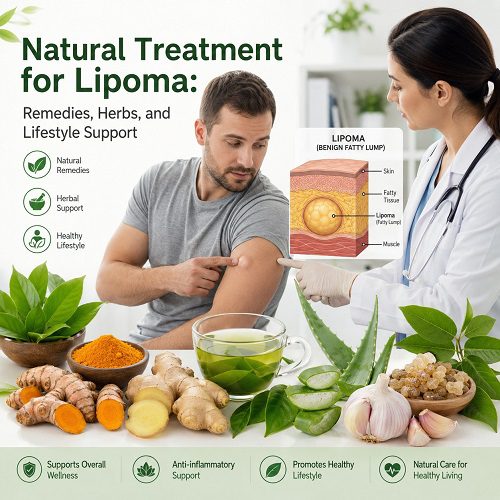
A natural treatment for lipoma focuses on supporting overall health rather than eliminating the fatty lump overnight. Healthy eating, herbal remedies, good skin care, and lifestyle improvements may help support the body’s natural processes. However, no natural remedy has been scientifically proven to dissolve or remove a lipoma completely. Surgical removal remains the standard treatment when a lipoma becomes painful, grows rapidly, or affects movement.
Lipoma causes, symptoms, natural approaches, herbs, home remedies, dietary choices, and lifestyle habits that may provide natural lipoma support while helping you understand when professional medical advice is appropriate.
What is a Lipoma?
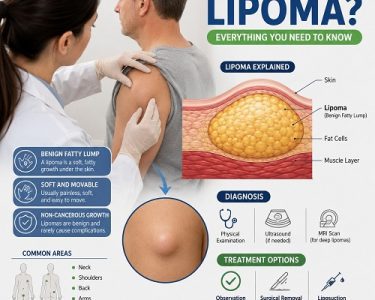
A lipoma is a soft, rubbery lump made up of mature fat cells that develops beneath the skin. It usually grows slowly over months or years and can appear almost anywhere on the body where fatty tissue is present.
Lipomas most commonly develop on the:
- Neck
- Shoulders
- Lipoma on the Upper back
- Lipoma on Arms
- Lipoma on the Thigh or Leg
- Abdomen
Most lipomas measure between 1 and 5 centimetres, although some become much larger over time.
Unlike cancerous tumours, lipomas are benign, meaning they do not spread to other parts of the body.
What Causes Lipomas?
The exact cause of Lipoma remains unclear. Researchers believe several factors contribute to their development.
Common risk factors include:
Genetics
Lipomas often run in families. People with a family history of multiple lipomas have a greater chance of developing them.
Age
Most lipomas appear between 40 and 60 years of age, although younger adults may also develop them.
Minor Injury
Some people notice a lipoma developing after a minor injury. Although this link remains uncertain, trauma may contribute in certain cases.
Obesity
Being overweight does not directly cause lipomas, but maintaining a healthy body weight supports overall metabolic health.
Certain Medical Conditions
Rare inherited disorders can increase the likelihood of developing multiple lipomas.
Symptoms of a Lipoma
Lipomas have several distinctive characteristics.
Common symptoms include:
- Soft texture
- Easily movable beneath the skin
- Slow growth
- Usually painless
- Round or oval shape
- Smooth surface
Most lipomas remain symptom-free for years.
However, larger lipomas may cause discomfort if they press against nerves, muscles, or nearby tissues.
Can Natural Treatments Remove a Lipoma?
Many websites claim miraculous cures, but current medical evidence does not support these claims.
A natural treatment for lipoma should be viewed as supportive care rather than a guaranteed cure.
Natural approaches may help:
- Support healthy skin
- Promote overall wellbeing
- Reduce inflammation throughout the body
- Encourage healthy weight management
- Improve circulation
- Support normal metabolic function
They should never replace medical assessment if a lump changes rapidly or becomes painful.
Benefits of Natural Lipoma Support
Although research remains limited, healthy lifestyle practices may offer several advantages.
Potential benefits include:
- Supporting immune function
- Improving general health
- Maintaining healthy body weight
- Reducing chronic inflammation
- Encouraging better circulation
- Supporting healthy connective tissues
- Promoting overall wellness
These habits contribute to long-term health regardless of whether they affect the lipoma itself.
When Should You See a Doctor?
Although most lipomas are harmless, medical assessment is important if a lump changes unexpectedly.
Seek medical advice if you notice:
- Rapid growth
- Persistent pain
- Redness or warmth
- Bleeding
- Firm or hard texture
- Limited movement
- Changes in skin colour
- A lump deeper beneath the muscles
These symptoms require proper evaluation because other conditions may resemble a lipoma.
Doctors may recommend:
- Physical examination
- Ultrasound
- MRI scan
- CT scan
- Biopsy if necessary
These tests help confirm the Lipoma diagnosis and rule out uncommon but more serious conditions.
Why Many People Choose Natural Treatment for Lipoma
Many individuals prefer conservative management when their lipoma is small and symptom-free.
Reasons include:
- Avoiding unnecessary Lipoma Removal Surgery
- Supporting general health naturally
- Preference for herbal wellness
- Interest in holistic healthcare
- Minimal risk when using healthy lifestyle habits appropriately
While these approaches may not remove the fatty lump, they often encourage healthier daily routines that benefit overall wellbeing.
Home Remedies for Lipoma
Many people search for home remedies for lipoma to avoid surgery or support their overall health naturally. While some remedies are widely discussed, it is important to understand that there is no high-quality scientific evidence showing that home remedies can shrink or eliminate a lipoma. They may, however, support general skin health and overall wellbeing.
1. Warm Compress
Applying a warm compress may help improve local blood circulation and provide comfort if the surrounding area feels tight.
How to use:
- Soak a clean cloth in warm (not hot) water.
- Apply it to the area for 10–15 minutes.
- Repeat 2–3 times daily.
A warm compress will not dissolve a lipoma but may ease mild discomfort.
2. Maintain a Healthy Weight
Although lipomas are not caused directly by excess body fat, maintaining a healthy weight supports metabolic health and reduces inflammation associated with obesity.
Helpful habits include:
- Eating balanced meals
- Exercising regularly
- Limiting highly processed foods
- Staying hydrated
These lifestyle choices contribute to natural lipoma support and overall health.
3. Eat More Anti-Inflammatory Foods
A diet rich in whole foods supports the body’s natural repair processes.
Include foods such as:
- Leafy green vegetables
- Berries
- Tomatoes
- Broccoli
- Turmeric
- Ginger
- Garlic
- Olive oil
- Nuts and seeds
- Oily fish (such as salmon and sardines)
Reducing processed foods, sugary drinks, and excessive alcohol may also support long-term wellbeing.
4. Stay Hydrated
Water supports normal metabolic function and healthy skin.
Aim to drink enough fluids throughout the day, adjusting your intake for activity level and climate.
5. Gentle Massage
Some people gently massage the area around a lipoma to improve circulation.
Keep in mind:
- Massage should be gentle.
- Do not press hard on the lump.
- Stop if you experience pain.
Massage has not been proven to reduce lipomas, but some people find it relaxing.
6. Prioritise Quality Sleep
Good sleep supports immune function, hormone regulation, and overall health.
Adults should aim for approximately 7–9 hours of sleep each night.
7. Manage Stress
Long-term stress may contribute to unhealthy lifestyle habits and chronic inflammation.
Stress-management techniques include:
- Walking outdoors
- Meditation
- Yoga
- Deep breathing
- Reading
- Spending time with family and friends
Herbal Treatment for Lipoma
Many herbs are traditionally used to support healthy inflammatory responses and general wellness. However, there is no reliable clinical evidence proving that herbs can remove a lipoma.
A herbal treatment for lipoma should therefore be considered supportive rather than curative.
Turmeric (Curcuma longa)
Turmeric contains curcumin, a natural compound known for its anti-inflammatory and antioxidant properties.
Potential benefits
- Supports a healthy inflammatory response
- Provides antioxidant activity
- May contribute to overall wellbeing
Ways to use
- Add turmeric to cooking.
- Drink turmeric tea.
- Take a standardised supplement after consulting a healthcare professional.
Ginger
Ginger has been used for centuries in traditional herbal medicine.
Potential benefits include:
- Antioxidant support
- Digestive health
- General anti-inflammatory effects
Fresh ginger tea is a simple way to include it in your diet.
Green Tea
Green tea contains polyphenols and catechins that help protect cells from oxidative stress.
Possible benefits:
- Antioxidant support
- Healthy metabolism
- General wellness
Replacing sugary drinks with green tea can be a healthy lifestyle choice.
Garlic
Garlic has traditionally been used to support cardiovascular and immune health.
Potential benefits include:
- Antioxidant activity
- Immune support
- Heart health
Adding fresh garlic to meals is generally preferable to applying it directly to the skin, as topical garlic can cause irritation or burns.
Flaxseed
Flaxseed is rich in:
- Omega-3 fatty acids
- Fibre
- Lignans
It may help support:
- Heart health
- Digestive health
- Healthy inflammatory balance
Ground flaxseed can be sprinkled over porridge, yoghurt, or salads.
Aloe Vera
Aloe vera is commonly used for skin care because of its soothing properties.
While it may help moisturise and calm the skin, there is no evidence that it can shrink a lipoma.
Boswellia
Boswellia (Indian frankincense) has been studied for its anti-inflammatory properties, particularly in joint conditions.
Although it may support overall inflammatory balance, its role in lipoma management has not been established.
Milk Thistle
Milk thistle is often used to support normal liver function.
Some people include it as part of a holistic wellness routine, but there is no evidence that it affects lipomas directly.
Dandelion Root
Dandelion root has traditionally been used to support digestion and liver health.
It may be consumed as:
- Herbal tea
- Capsules
- Liquid extract
Again, there is no clinical evidence that it reduces lipomas.
Herbs and Supplements: Safety First
Natural does not always mean safe. Herbs and supplements for Lipoma can interact with medicines or may not be suitable for everyone.
Before starting any herbal product:
- Speak with your GP or pharmacist, especially if you take prescription medicines.
- Follow the recommended dosage.
- Avoid applying concentrated herbal preparations directly to a lipoma unless advised by a healthcare professional.
- Stop use if you develop a rash or other adverse reaction.
What to Avoid
When exploring a natural treatment for lipoma, be cautious of claims that promise a “quick cure” or “guaranteed removal.” Avoid:
- Cutting or puncturing the lump at home.
- Applying harsh chemicals or undiluted essential oils.
- Using caustic substances such as bleach or industrial solvents.
- Following unverified online remedies that could damage your skin.
These practices can lead to infection, scarring, or delayed diagnosis of a different condition.
Lifestyle Habits for Natural Lipoma Support
A healthy lifestyle cannot remove a lipoma, but it can improve overall wellbeing and support your body’s natural functions. Incorporating these habits into your daily routine forms an important part of natural lipoma support.
Exercise Regularly
Regular physical activity helps maintain a healthy body weight, improves circulation, and supports metabolic health.
Aim for at least 150 minutes of moderate-intensity exercise each week, such as:
- Brisk walking
- Cycling
- Swimming
- Jogging
- Dancing
- Strength training twice weekly
Exercise will not shrink a lipoma directly, but it contributes to long-term health.
Follow a Balanced Diet
A nutritious diet provides vitamins, minerals, healthy fats, and antioxidants that support normal body functions.
Choose foods such as:
- Fresh vegetables
- Seasonal fruits
- Whole grains
- Lean proteins
- Beans and lentils
- Nuts and seeds
- Healthy fats from olive oil and avocados
Try to limit:
- Ultra-processed foods
- Sugary drinks
- Excess refined sugar
- Deep-fried foods
- Excessive alcohol
A balanced eating pattern complements a natural treatment for lipoma by supporting overall health.
Maintain a Healthy Weight
Although lipomas are not caused by being overweight, maintaining a healthy weight can reduce inflammation associated with obesity and improve general wellbeing.
Focus on gradual, sustainable lifestyle changes rather than restrictive diets.
Stay Hydrated
Adequate hydration supports:
- Healthy skin
- Digestion
- Circulation
- Normal metabolic processes
Drink water regularly throughout the day, especially during hot weather or after exercise.
Avoid Smoking
Smoking damages blood vessels, increases oxidative stress, and negatively affects overall health.
If you smoke, consider seeking support to quit. Stopping smoking benefits your heart, lungs, and long-term wellbeing.
Limit Alcohol Intake
Excessive alcohol consumption can affect liver health and contribute to broader health problems.
Moderation is recommended as part of a healthy lifestyle.
Monitor Your Lipoma
Even if you choose conservative management, check your lipoma regularly for changes in:
- Size
- Shape
- Firmness
- Pain
- Skin colour
If you notice rapid growth, persistent pain, or other unusual changes, arrange a medical review.
Can Lipomas Be Prevented?
There is no guaranteed way to prevent lipomas, particularly when genetics play a role.
However, these healthy habits support overall wellbeing:
- Eat a balanced diet.
- Exercise regularly.
- Maintain a healthy weight.
- Avoid smoking.
- Get enough sleep.
- Manage stress effectively.
- Attend routine medical check-ups.
These measures may not prevent lipomas but contribute to better long-term health.
Frequently Asked Questions
Can a lipoma disappear naturally?
Most lipomas do not disappear on their own. They often remain the same size or grow slowly over time. While a natural treatment for lipoma may support overall health, there is no reliable evidence that it can make a lipoma vanish.
Are home remedies for lipoma effective?
Many Natural Remedies for Lipoma are shared online, but scientific evidence supporting their effectiveness is limited. Healthy lifestyle habits may improve overall wellbeing but should not be expected to remove the lump.
Does diet affect lipomas?
No specific diet has been proven to shrink lipomas. However, eating a balanced, nutrient-rich diet supports overall health and may help reduce chronic inflammation associated with poor dietary habits.
Which herbs are commonly used?
People commonly use herbs such as:
- Turmeric
- Ginger
- Green tea
- Garlic
- Boswellia
- Aloe vera
- Milk thistle
These herbs may support general health, but none has been proven to eliminate a lipoma.
Should I massage a lipoma?
Gentle massage around the surrounding area is generally safe if it does not cause discomfort. However, massage has not been shown to reduce the size of a lipoma.
When is surgery necessary?
A doctor may recommend removal if the lipoma:
- Causes pain
- Grows rapidly
- Restricts movement
- Presses on nearby nerves
- Becomes cosmetically bothersome
- Has uncertain features requiring further evaluation
Conclusion
A natural treatment for lipoma focuses on supporting overall health through balanced nutrition, regular exercise, stress management, and sensible use of herbal remedies. While these approaches may contribute to natural lipoma support, there is currently no scientific evidence that they can dissolve or remove a lipoma.
If your lipoma is small, painless, and stable, your healthcare provider may recommend simple observation. However, if it becomes painful, enlarges quickly, or changes in appearance, seek medical assessment promptly to confirm the diagnosis and discuss appropriate treatment options.
By combining healthy lifestyle habits with regular medical monitoring, you can make informed decisions about managing lipomas while supporting your overall wellbeing.
Disclaimer:
This article is for educational purposes only and should not replace professional medical advice, diagnosis, or treatment. Always consult a qualified healthcare provider regarding any new or changing scalp or forehead lump.