 By
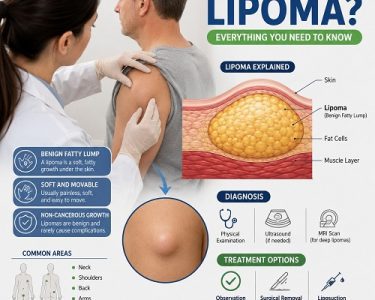
By A lipoma is a soft, slow-growing lump made up of fatty tissue that develops beneath the skin. Although lipomas are generally benign and rarely cause serious health problems, many people look for natural ways to support their overall health and manage factors that may contribute to the development of fatty tissue growths. One of the most common questions people ask is whether there is a specific diet for lipoma that can help.
While there is no scientifically proven diet that can completely eliminate lipomas, maintaining a healthy eating pattern may support metabolic health, reduce inflammation, and promote a healthy body composition. Following a balanced nutritional approach can also contribute to overall wellness and may help address some factors associated with fat accumulation. The best foods for lipoma, foods to avoid, and practical lipoma nutrition tips that can help support a healthier lifestyle.
Understanding the Role of Diet in Lipoma Health
Lipomas are composed primarily of fat cells. However, they are not simply caused by eating too much fat. Genetics, age, metabolism, and other factors often play a significant role in their development.
Even though diet may not directly shrink a lipoma, a nutritious eating plan can:
- Support healthy weight management
- Reduce chronic inflammation
- Improve metabolic function
- Promote better circulation
- Support liver health
- Encourage overall wellness
Many experts recommend an anti-inflammatory diet for lipoma because chronic inflammation is associated with various health conditions and may negatively affect overall tissue health.
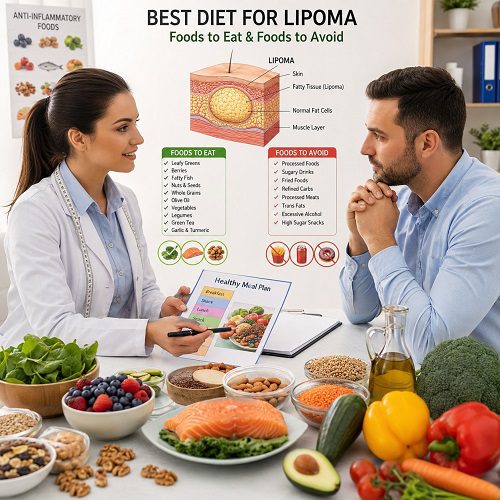
Best Foods for Lipoma
1. Leafy Green Vegetables
Leafy greens are rich in vitamins, minerals, antioxidants, and fiber. They help support detoxification pathways and may contribute to reducing inflammation throughout the body.
Examples include:
- Spinach
- Kale
- Swiss chard
- Arugula
- Collard greens
These vegetables are nutrient-dense while remaining low in calories, making them an excellent addition to any diet for lipoma.
2. Colorful Fruits
Fruits provide antioxidants that help protect cells from oxidative stress. Many fruits also contain anti-inflammatory compounds that support overall health.
Recommended options include:
- Blueberries
- Strawberries
- Raspberries
- Cherries
- Oranges
- Apples
- Pomegranates
Berries are particularly valuable because they contain powerful antioxidants known as anthocyanins.
3. Fatty Fish
Healthy fats play an important role in reducing inflammation. Fatty fish are rich in omega-3 fatty acids, which are widely recognized for their anti-inflammatory benefits.
Good choices include:
- Salmon
- Sardines
- Mackerel
- Herring
- Trout
Including fatty fish several times per week can be a key part of an anti-inflammatory diet for lipoma.
4. Nuts and Seeds
Nuts and seeds provide healthy fats, protein, fiber, vitamins, and minerals.
Beneficial options include:
- Walnuts
- Almonds
- Chia seeds
- Flaxseeds
- Pumpkin seeds
Flaxseeds and chia seeds are particularly rich in omega-3 fatty acids, which may support inflammation control.
5. Whole Grains
Whole grains contain fiber and nutrients that support digestive and metabolic health.
Healthy choices include:
- Oats
- Brown rice
- Quinoa
- Barley
- Whole wheat products
Replacing refined grains with whole grains may help stabilize blood sugar levels and support healthy weight management.
6. Legumes
Beans and legumes are excellent sources of plant-based protein and fiber.
Examples include:
- Lentils
- Black beans
- Chickpeas
- Kidney beans
- Peas
These foods help promote satiety and support cardiovascular health.
7. Healthy Oils
Certain oils contain beneficial compounds that support overall health.
Best choices include:
- Extra virgin olive oil
- Avocado oil
Olive oil is a cornerstone of many anti-inflammatory eating plans and can be a valuable addition to a healthy diet for lipoma.
8. Cruciferous Vegetables
Cruciferous vegetables contain compounds that support normal detoxification processes.
Examples include:
- Broccoli
- Cauliflower
- Brussels sprouts
- Cabbage
These vegetables are rich in antioxidants and fiber, making them important foods for lipoma support.
9. Green Tea
Green tea contains polyphenols and antioxidants that may help reduce oxidative stress.
Drinking one to three cups daily can be part of a healthy lifestyle focused on wellness and inflammation management.
10. Garlic and Turmeric
Both garlic and turmeric contain compounds known for their anti-inflammatory properties.
Garlic contains allicin, while turmeric contains curcumin, which has been extensively studied for its health benefits.
Adding these ingredients to meals can strengthen an anti-inflammatory diet for lipoma.
Foods to Avoid with Lipoma
Although no food directly causes lipomas, certain dietary patterns may contribute to inflammation and poor metabolic health.
1. Processed Foods
Highly processed foods often contain:
- Artificial additives
- Excess sodium
- Refined carbohydrates
- Unhealthy fats
Examples include:
- Packaged snacks
- Instant meals
- Processed meats
Reducing processed foods is one of the most important lipoma nutrition tips.
2. Sugary Foods and Drinks
Excess sugar consumption may promote inflammation and weight gain.
Foods to limit include:
- Candy
- Cookies
- Cakes
- Sugary cereals
- Soft drinks
- Energy drinks
Replacing sugary beverages with water or herbal tea can support better health.
3. Fried Foods
Deep-fried foods are often high in unhealthy fats and calories.
Examples include:
- French fries
- Fried chicken
- Fried snacks
Frequent consumption may contribute to inflammation and poor cardiovascular health.
4. Refined Carbohydrates
Refined carbohydrates are quickly digested and can cause blood sugar spikes.
Examples include:
- White bread
- White rice
- Pastries
- Sugary baked goods
Whole-grain alternatives are generally healthier choices.
5. Excessive Alcohol
Heavy alcohol consumption may affect liver function and increase inflammation.
Limiting alcohol intake is a sensible part of a balanced diet for lipoma.
6. Processed Meats
Processed meats often contain preservatives and high sodium levels.
Examples include:
- Hot dogs
- Sausages
- Bacon
- Deli meats
Replacing processed meats with lean proteins can support overall wellness.
7. Trans Fats
Trans fats are associated with inflammation and increased health risks.
Avoid foods containing:
- Partially hydrogenated oils
- Commercial baked goods
- Certain fast-food items
Checking food labels can help identify hidden sources of trans fats.
The Benefits of an Anti-Inflammatory Diet for Lipoma
Following an anti-inflammatory diet for lipoma may offer several health advantages.
Potential benefits include:
- Better weight management
- Improved cardiovascular health
- Reduced oxidative stress
- Enhanced energy levels
- Improved digestive function
- Support for healthy metabolism
While this dietary approach cannot guarantee lipoma reduction, it promotes a healthier internal environment that benefits the entire body.
Sample One-Day Diet for Lipoma
Breakfast
- Oatmeal topped with blueberries and walnuts
- Green tea
Mid-Morning Snack
- Apple slices with almond butter
Lunch
- Grilled salmon
- Quinoa
- Mixed green salad with olive oil dressing
Afternoon Snack
- Carrot sticks and hummus
Dinner
- Roasted chicken breast
- Steamed broccoli
- Brown rice
Evening Option
- Herbal tea
This meal Diet plan includes many beneficial foods for lipoma while limiting processed ingredients.
Additional Lipoma Nutrition Tips
Stay Hydrated
Water supports digestion, circulation, and overall health.
Aim for adequate daily hydration based on your activity level and individual needs.
Maintain a Healthy Weight
Although lipomas can occur in people of all body types, maintaining a healthy weight supports metabolic health and overall wellness.
Focus on Whole Foods
Choose foods that are as close to their natural form as possible.
Whole foods typically contain more nutrients and fewer additives than highly processed products.
Eat More Fiber
Fiber supports digestive health and helps regulate blood sugar levels.
Good sources include:
- Vegetables
- Fruits
- Whole grains
- Legumes
- Seeds
Include Lean Protein
Protein helps maintain muscle mass and supports overall health.
Healthy protein sources include:
- Fish
- Poultry
- Beans
- Lentils
- Eggs
Practice Portion Control
Even healthy foods can contribute to excess calorie intake when consumed in large amounts.
Balanced portions help support long-term health goals.
Limit Highly Processed Snacks
Replace chips and sugary treats with healthier alternatives such as:
- Fresh fruit
- Nuts
- Yogurt
- Vegetables with hummus
These simple lipoma nutrition tips can help create sustainable healthy eating habits.
Can Diet Make a Lipoma Disappear?
A common question is whether changing dietary habits can completely remove a lipoma.
Currently, there is no scientific evidence proving that any specific diet for lipoma can eliminate existing lipomas. However, healthy nutrition can support overall well-being, reduce inflammation, and promote better metabolic function.
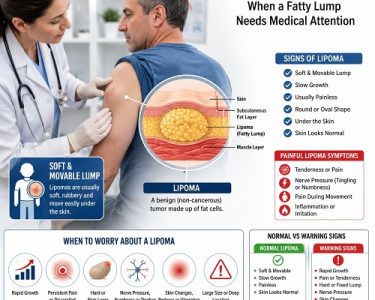
Individuals who notice rapid growth, pain, or changes in a lump should seek medical evaluation to ensure an accurate Lipoma diagnosis.
When to See a Doctor
Consult a healthcare professional if a lump:
- Grows rapidly
- Becomes painful
- Changes in appearance
- Restricts movement
- Lipoma Causes discomfort
- Appears unusually firm
A medical evaluation can confirm whether the growth is a lipoma or another condition that requires Lipoma Treatment Options.
Best Supplements for Lipoma Support
Best Supplements for Lipoma Support may help maintain overall skin and fatty tissue health when combined with a balanced diet and healthy lifestyle. Although supplements cannot remove or cure lipomas, some nutrients and plant-based ingredients may support normal metabolic function, reduce oxidative stress, and promote general wellness.
Omega-3 fatty acids are widely recognised for supporting a healthy inflammatory response and overall tissue health. Turmeric, containing the active compound curcumin, offers antioxidant properties that may help protect cells from oxidative damage. Green tea extract provides natural polyphenols that support healthy metabolism, while milk thistle is often used to promote normal liver function, an important part of the body’s natural detoxification processes. Vitamin D, vitamin C, and magnesium also contribute to immune function, collagen production, and overall cellular health.
When considering the Best Supplements for Lipoma Support, choose high-quality products from reputable manufacturers and follow the recommended dosage. It is also advisable to discuss any new supplement with a qualified healthcare professional, particularly if you take prescription medicines or have underlying health conditions.
Alongside supplementation, maintaining a healthy weight, eating a nutrient-rich diet, staying physically active, and following Natural Ways to Support Lipoma Health may contribute to overall wellbeing. While research is still limited, these lifestyle measures can support your body’s natural functions and complement routine medical care.
Conclusion
Following a healthy diet for lipoma may not remove existing lipomas, but it can support overall health, reduce inflammation, and promote better metabolic function. Focusing on nutrient-dense foods for lipoma, including fruits, vegetables, fatty fish, whole grains, legumes, and healthy fats, can help create a balanced nutritional foundation.
At the same time, limiting processed foods, sugary beverages, fried foods, and refined carbohydrates may support long-term wellness. An anti-inflammatory diet for lipoma combined with regular physical activity, adequate hydration, and healthy lifestyle habits can contribute to better overall health.
By following these practical lipoma nutrition tips, individuals can take positive steps toward improving their well-being while supporting a healthier lifestyle.
Disclaimer:
This article is for educational purposes only and should not replace professional medical advice, diagnosis, or treatment. Always consult a qualified healthcare provider regarding any new or changing scalp or forehead lump.