 By
By A lipoma is a soft, slow-growing lump made up of fatty tissue that develops beneath the skin. These growths are usually harmless and non-cancerous, but they can sometimes become bothersome due to their size, location, or appearance. When a lipoma causes discomfort or cosmetic concerns, lipoma removal surgery is often the most effective treatment option.
Many people are understandably concerned about the surgical procedure, recovery process, and the possibility of scarring. Fortunately, modern surgical techniques make lipoma surgery relatively straightforward, with most patients returning to normal activities within a short period. Lipoma removal surgery, including the procedure, recovery timeline, potential risks, and ways to minimize scarring.
What is a Lipoma?
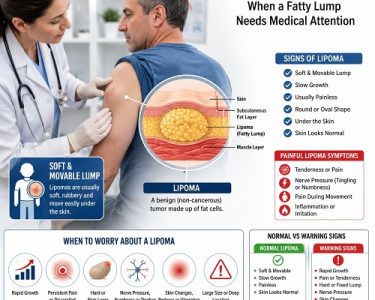
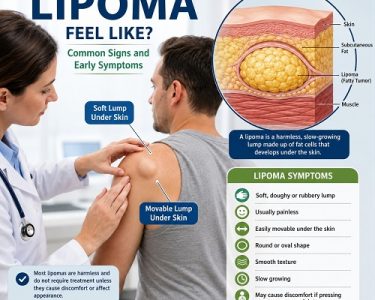
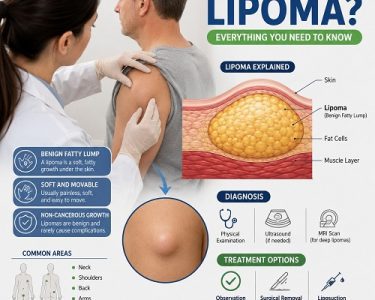
A lipoma is a benign tumor composed of fat cells. It typically appears as a soft, movable lump beneath the skin and can develop almost anywhere on the body. Common locations include:
- Lipoma on the Neck
- Shoulders
- Lipoma on the Back
- Lipoma on the Arm
- Thighs
- Abdomen
Lipomas usually grow slowly and rarely cause serious health problems. However, larger lipomas may press against nearby nerves or tissues, leading to discomfort or pain.
When Is Lipoma Removal Surgery Necessary?
Not every lipoma requires treatment. Doctors often recommend observation if the lipoma is small, painless, and not affecting daily activities.
However, lipoma surgery may be recommended if:
- The lipoma continues to grow
- It causes pain or tenderness
- It restricts movement
- It becomes cosmetically concerning
- The Lipoma diagnosis is uncertain
- It presses on nerves or muscles
- It becomes frequently irritated by clothing
In these situations, lipoma excision offers a permanent solution.
Preparing for Lipoma Surgery
Before surgery, your healthcare provider will perform a physical examination and review your medical history.
Additional tests may include:
Ultrasound
An ultrasound helps confirm that the lump is a lipoma and evaluates its size and depth.
MRI Scan
For larger or deeper lipomas, an MRI provides detailed imaging of surrounding structures.
Biopsy
In rare cases, a biopsy may be performed if there is concern that the growth could be something other than a lipoma.
Medication Review
Your surgeon may ask you to stop certain medications, especially blood thinners, before the procedure.
Understanding Lipoma Excision
Lipoma excision is considered the gold standard treatment because it removes the entire fatty growth, including its capsule, reducing the chance of recurrence.
The procedure is typically performed on an outpatient basis, meaning patients can return home the same day.
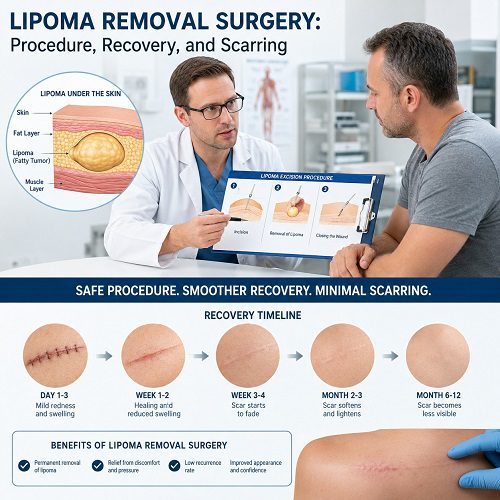
Step-by-Step Lipoma Removal Surgery Procedure
1. Local Anesthesia
Most lipomas are removed using local anesthesia. The area surrounding the lipoma is numbed to prevent pain during the procedure.
For very large or deep lipomas, sedation or general anesthesia may be used.
2. Skin Incision
The surgeon makes a small incision directly over the lipoma.
The incision size depends on:
- Lipoma size
- Lipoma location
- Depth beneath the skin
3. Removal of the Lipoma
The fatty tumor is carefully separated from surrounding tissues and removed.
Complete removal of the capsule is important to minimize recurrence.
4. Closing the Incision
After the lipoma is removed, the incision is closed using:
- Dissolvable stitches
- Traditional sutures
- Surgical adhesive
A sterile dressing is then applied.
How Long Does Lipoma Surgery Take?
Most lipoma removal surgery procedures take between:
- 20 to 60 minutes for small lipomas
- 1 to 2 hours for larger or multiple lipomas
Patients usually go home shortly after the procedure.
Is Lipoma Removal Surgery Painful?
Most patients experience very little discomfort during surgery because of anesthesia.
After surgery, mild soreness is common and can usually be managed with:
- Acetaminophen
- Ibuprofen
- Cold compresses
- Rest
Pain generally improves within a few days.
Lipoma Removal Recovery Timeline
Understanding lipoma removal recovery helps patients know what to expect after surgery.
First 24 Hours
During the first day:
- Mild swelling may occur
- Slight bruising is common
- Tenderness around the incision is expected
Patients should keep the wound clean and dry.
Days 2–7
Most people notice:
- Reduced pain
- Improved mobility
- Early healing
Light activities can often be resumed.
Weeks 2–4
By this stage:
- Stitches may be removed if necessary
- Bruising fades
- Swelling decreases significantly
Most patients return to normal routines.
One to Three Months
The incision continues to heal, and the scar begins to soften and flatten.
Six Months to One Year
Scars generally become lighter and less noticeable over time.
Tips for Faster Lipoma Removal Recovery
To support healing after lipoma excision, consider the following:
Follow Post-Operative Instructions
Always follow your surgeon’s wound-care recommendations.
Avoid Heavy Lifting
Strenuous activity may place stress on the incision site.
Maintain Good Nutrition
A healthy diet supports tissue repair.
Helpful nutrients include:
- Protein
- Vitamin C
- Zinc
- Iron
Stay Hydrated
Proper hydration promotes healing.
Keep the Area Clean
Prevent infection by following wound-care instructions carefully.
Will Lipoma Surgery Leave a Scar?
One of the most common concerns about lipoma removal surgery is scarring.
Because the surgeon must make an incision to remove the lipoma, some scarring is unavoidable. However, most scars become less noticeable over time.
The size and appearance of the scar depend on:
- Lipoma size
- Incision length
- Surgical technique
- Skin type
- Healing ability
Factors That Affect Scarring
Several factors influence how visible a scar becomes.
Lipoma Size
Larger lipomas generally require larger incisions.
Location on the Body
Areas under constant movement may develop more noticeable scars.
Genetics
Some individuals naturally form thicker scars.
Infection
Proper wound care reduces the risk of infection-related scarring.
Sun Exposure
Sunlight can darken healing scars.
How to Minimize Scarring After Lipoma Surgery
Use Silicone Scar Treatments
Silicone sheets and gels may improve scar appearance.
Protect the Scar From Sunlight
Apply sunscreen once the wound has healed.
Avoid Picking at Scabs
Allow natural healing to occur.
Follow Medical Advice
Attend all follow-up appointments.
Massage the Scar
Some healthcare providers recommend gentle scar massage once healing is complete.
Risks and Complications of Lipoma Surgery
Although generally safe, lipoma surgery carries some risks.
Possible complications include:
- Bleeding
- Infection
- Bruising
- Swelling
- Temporary numbness
- Fluid accumulation (seroma)
- Scar formation
- Recurrence
Serious complications are uncommon.
Can a Lipoma Grow Back After Surgery?
Recurrence after complete lipoma excision is relatively rare.
The likelihood of recurrence increases if:
- Part of the capsule remains
- Multiple lipomas are present
- A hereditary condition causes lipoma formation
Most patients experience permanent removal after successful surgery.
Alternatives to Lipoma Removal Surgery
While surgery remains the most Effective Lipoma Treatment, other approaches may sometimes be considered.
Liposuction
Liposuction removes fatty tissue through a small tube.
Benefits include:
- Smaller incision
- Reduced scarring
However, recurrence rates may be higher because the capsule may remain.
Observation
Many lipomas require no treatment if they remain small and symptom-free.
Best Supplements for Lipoma
Lipomas are benign fatty lumps that develop beneath the skin and are generally harmless. While there is no supplement proven to completely eliminate lipomas, some people explore nutritional support as part of a healthy lifestyle. When researching the Best Supplements for Lipoma, it is important to remember that supplements should complement, not replace, professional medical advice.
Omega-3 fatty acids are commonly recommended for overall health because they support normal inflammatory responses and may contribute to healthy tissue function. Antioxidants such as vitamin C and vitamin E can help protect cells from oxidative stress. Some individuals also consider turmeric supplements, which contain curcumin, a natural compound known for its antioxidant properties.
Green tea extract is another popular option due to its plant-based compounds that support general wellness. Additionally, maintaining adequate vitamin D levels may contribute to overall health and immune system function.
Many people also ask, Can Exercise Help Lipoma? While exercise does not directly remove lipomas, regular physical activity supports weight management, circulation, and overall well-being. Combining exercise with a balanced diet may help improve body composition and support a healthier lifestyle.
When exploring Lipoma Treatment Options, remember that surgical removal remains the most effective treatment for bothersome lipomas. Supplements may provide general health benefits, but they should be used as part of a broader wellness plan under the guidance of a healthcare professional.
When to Contact Your Doctor After Surgery
Seek medical attention if you experience:
- Increasing redness
- Fever
- Severe pain
- Excessive swelling
- Drainage from the wound
- Opening of the incision
Prompt treatment can prevent complications.
Frequently Asked Questions
Is lipoma removal surgery safe?
Yes. Lipoma removal surgery is considered a safe and commonly performed procedure with a high success rate.
How much downtime is required?
Most patients return to normal activities within a few days, depending on the size and location of the lipoma.
Does insurance cover lipoma surgery?
Coverage varies. Surgery may be covered if the lipoma causes symptoms or medical concerns.
Can multiple lipomas be removed at once?
Yes. Surgeons can often remove several lipomas during the same procedure.
Will the scar disappear completely?
Scars usually fade significantly but rarely disappear entirely.
Conclusion
Lipoma removal surgery is a highly effective treatment for removing bothersome or cosmetically concerning lipomas. The procedure is generally quick, safe, and performed on an outpatient basis. Most patients recover within a few weeks and experience long-term relief without recurrence.
Understanding the process of lipoma surgery, the details of lipoma excision, and the expected lipoma removal recovery timeline can help patients feel more confident about treatment. While some scarring is inevitable, proper wound care and modern surgical techniques can help minimize its appearance and support optimal healing.
If a lipoma is causing discomfort, growing rapidly, or affecting your quality of life, consulting a qualified healthcare professional can help determine whether surgical removal is the right option for you.