 By
Atrial fibrillation (AFib) is a common heart rhythm disorder that causes the upper chambers of the heart to beat irregularly and often rapidly. Although some people experience noticeable symptoms, such as palpitations, breathlessness or fatigue, others may have atrial fibrillation without realising it. Treatment aims to control the heart rate, restore or maintain a normal rhythm when appropriate, reduce the risk of blood clots and stroke, and improve quality of life.
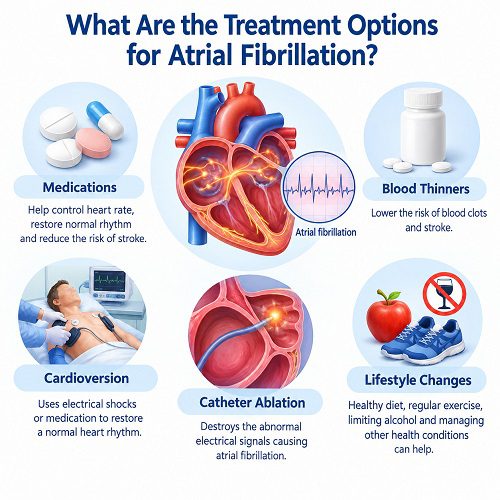
The most suitable atrial fibrillation treatment depends on several factors, including the type of AFib, symptom severity, age, other medical conditions and individual stroke risk. Treatment may involve medicines, electrical cardioversion, catheter ablation, lifestyle changes or a combination of these approaches.
This guide explains the main treatment options, how doctors choose between them, what to expect during recovery, and when to seek urgent medical attention.
What Is Atrial Fibrillation?
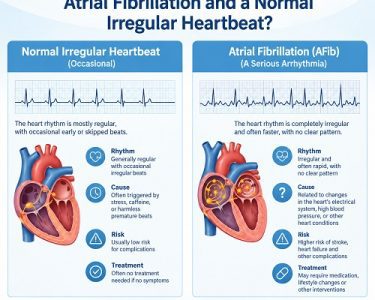
Atrial fibrillation occurs when the heart’s normal electrical signals become disorganised. Instead of contracting in a coordinated way, the atria (the two upper chambers) quiver irregularly. This can cause the ventricles (the lower chambers) to beat irregularly or too quickly.
Blood may not move efficiently through the atria, increasing the chance of blood clots forming. If a clot travels to the brain, it can cause an ischaemic stroke.
Common Atrial Fibrillation symptoms include:
- A racing, fluttering or irregular heartbeat.
- Shortness of breath, particularly during activity.
- Fatigue, weakness or reduced exercise tolerance.
- Dizziness or light-headedness.
- Chest discomfort.
- Reduced ability to perform everyday activities.
Some people have no obvious symptoms and AFib is discovered during a routine examination or heart rhythm test.
Doctors generally classify atrial fibrillation as paroxysmal (episodes that stop on their own or with intervention), persistent (lasting longer than seven days or requiring intervention to end), long-standing persistent (continuous for more than 12 months), or permanent when the patient and clinician have decided not to pursue further attempts to restore normal rhythm.
These classifications help guide treatment, but they do not determine the plan on their own.
What Are the Main Goals of Atrial Fibrillation Treatment?
The main goals of treatment are to:
- Control the heart rate: Prevent the heart from beating excessively fast.
- Restore or maintain normal rhythm: Reduce Atrial Fibrillation episodes or help the heart maintain a normal rhythm.
- Prevent stroke: Assess clotting risk and use anticoagulant medication when indicated.
- Treat contributing conditions: Address high blood pressure, sleep apnoea, obesity and other relevant health problems.
- Improve quality of life: Reduce symptoms, support physical activity and lower the risk of complications.
Not everyone needs every treatment. Some people benefit most from rate control and stroke prevention, while others may need rhythm-control medication or a procedure.
1. Rate-Control Medication
Rate control is one of the most common approaches to atrial fibrillation treatment. It aims to slow the heart rate so that the ventricles have enough time to fill with blood between beats.
Rate control does not necessarily stop AFib or restore a normal rhythm. However, it can reduce symptoms and help the heart work more efficiently.
Beta-blockers
Examples include bisoprolol, metoprolol and other beta-blockers. These medicines reduce the effects of stress hormones on the heart, helping to slow the heartbeat.
Doctors may prescribe them to people with a rapid heart rate, palpitations or symptoms during physical activity.
Possible side effects include tiredness, dizziness, low blood pressure and a heart rate that becomes too slow. The choice of medicine depends on other conditions, including asthma and heart failure.
Calcium channel blockers
Diltiazem and verapamil can slow electrical conduction through the atrioventricular (AV) node, helping to control the heart rate.
These medicines may be suitable for people who cannot take beta-blockers. However, they are generally unsuitable for people with certain forms of heart failure involving reduced pumping function.
Possible side effects include low blood pressure, dizziness, ankle swelling and constipation, particularly with verapamil.
Digoxin
Digoxin can help control the heart rate in selected patients, particularly those with heart failure or limited activity levels. Doctors may prescribe it alone or alongside another rate-control medicine.
Regular monitoring may be necessary because digoxin can accumulate in the body, particularly when kidney function is impaired. Toxic levels can cause nausea, visual disturbances and dangerous heart rhythm changes.
Important: The ideal heart rate varies from person to person. Your doctor will consider your symptoms, activity levels, heart function and response to medication when setting a target.
2. Rhythm-Control Medication
Rhythm-control treatment aims to restore a normal heart rhythm or reduce the frequency and duration of AFib episodes. Doctors may recommend it when symptoms persist despite rate control, when AFib affects heart function, or when early rhythm control may offer clinical benefits.
Medicines used for rhythm control include:
- Flecainide: May be appropriate for selected patients without significant structural heart disease or coronary artery disease.
- Propafenone: Another option for selected patients, depending on their heart condition and other risk factors.
- Amiodarone: Can help maintain a normal rhythm but may affect the thyroid, liver, lungs, eyes and other organs.
- Dronedarone: May be appropriate for some patients but is unsuitable in certain cases of heart failure or permanent AFib.
- Sotalol: Can help maintain rhythm in selected patients but may cause a dangerous prolongation of the heart’s electrical recovery time.
The best medicine depends on heart function, kidney function, other medicines, previous treatment results and the risk of side effects.
Some antiarrhythmic medicines can themselves trigger serious rhythm disturbances. Your clinician may therefore arrange an ECG, blood tests or other monitoring before and during treatment.
It is also important to understand that rhythm-control medication does not automatically eliminate the need for anticoagulants. Stroke prevention is assessed separately, even if your symptoms improve or your heart returns to a normal rhythm.
3. Anticoagulants to Reduce Stroke Risk
Stroke prevention is a central part of AFib management. Blood can pool in the left atrial appendage, a small pouch in the upper left chamber of the heart, allowing a clot to form. If the clot travels to the brain, it may block blood flow and cause a stroke.
Anticoagulants reduce the blood’s ability to form clots. Although commonly called blood thinners, they do not literally make the blood thinner.
Common anticoagulant medicines
| Medicine | Key information |
| Apixaban | A direct oral anticoagulant (DOAC) used to reduce stroke risk in eligible patients. |
| Rivaroxaban | A DOAC that is usually taken with food at the prescribed dose. |
| Dabigatran | A DOAC that directly inhibits thrombin, an essential clotting protein. |
| Edoxaban | A DOAC that inhibits factor Xa, a protein involved in clot formation. |
| Warfarin | An established anticoagulant that requires regular INR blood tests to monitor its effect. |
For many eligible patients without a mechanical heart valve or moderate-to-severe rheumatic mitral stenosis, DOACs are generally preferred to warfarin. Warfarin remains important for certain conditions, including mechanical heart valves.
Who needs anticoagulation?
Doctors estimate stroke risk using clinical factors such as age, high blood pressure, diabetes, heart failure, previous stroke and vascular disease. They also consider bleeding risk, kidney function, other medicines and the patient’s circumstances.
Aspirin is not a suitable substitute for anticoagulation in patients who need an anticoagulant for AFib-related stroke prevention.
Never start, stop or change an anticoagulant without medical advice. These medicines can cause serious bleeding, but stopping them without guidance may increase stroke risk. Tell your healthcare professional about any history of bleeding, kidney or liver disease, and other medicines or supplements you take.
4. Electrical Cardioversion
Electrical cardioversion is a procedure that uses a controlled electrical shock to restore a normal heart rhythm. It is performed in a monitored medical setting, usually under short-acting sedation so that you do not feel the shock.
Doctors may recommend cardioversion when:
- Atrial Fibrillation causes troublesome symptoms.
- A rapid heart rate remains difficult to control.
- Restoring a normal rhythm may improve heart function.
- A new episode of AFib needs active rhythm management.
Before planned cardioversion, the medical team assesses how long AFib has been present and whether a clot may have formed. Depending on the circumstances, you may need anticoagulation before the procedure, imaging such as a transoesophageal echocardiogram to look for clots, or both.
Anticoagulation is generally continued for at least four weeks after cardioversion, with longer-term treatment determined by stroke risk and clinical circumstances.
Cardioversion can work well, but AFib may return. Doctors may recommend antiarrhythmic medication, catheter ablation or ongoing monitoring to reduce recurrence.
If AFib causes severe instability, such as dangerously low blood pressure or shock, emergency electrical cardioversion may be required.
5. Catheter Ablation
Catheter ablation is a minimally invasive procedure that targets the small areas of heart tissue responsible for triggering or sustaining abnormal electrical signals.
A specialist inserts thin catheters through blood vessels, usually from the groin, and guides them into the heart. The doctor then uses energy to create small areas of scar tissue that interrupt abnormal electrical pathways.
Pulmonary vein isolation is a common ablation technique because electrical signals originating around the pulmonary veins frequently trigger AFib.
Types of catheter ablation
- Radiofrequency ablation: Uses heat to create targeted areas of scar tissue.
- Cryoablation: Uses cold energy to isolate the pulmonary veins.
- Pulsed-field ablation: Uses short electrical pulses to affect targeted heart tissue.
The most appropriate method depends on the patient’s anatomy, AFib pattern, available technology and the specialist’s judgement.
Who may benefit from ablation?
Catheter ablation may be considered for people who have persistent symptoms despite medication, experience troublesome recurrent episodes, cannot tolerate certain medicines or prefer a procedural approach after discussing the benefits and risks.
It can also be offered as an initial rhythm-control option to selected patients with symptomatic AFib. For suitable patients with AFib and certain forms of heart failure, ablation may improve symptoms and heart function and can offer additional clinical benefits.
Risks and recovery
Potential complications include bleeding, blood vessel injury, infection, damage to surrounding structures, stroke and, rarely, more serious complications.
Most people need observation after the procedure and receive instructions about activity restrictions, wound care and follow-up.
AFib episodes may occur during the first weeks or months after ablation while the heart heals. This does not necessarily mean the procedure has failed. Some patients require another ablation or continued medication.
Ablation reduces AFib burden for many patients, but it does not guarantee a permanent cure. Stroke-risk assessment remains necessary after the procedure.
6. Pacemakers and Other Procedures
A pacemaker is not a routine treatment for AFib itself. However, it may be useful when a person has an abnormally slow heart rate, significant pauses or a condition called tachycardia-bradycardia syndrome.
In selected patients whose symptoms remain difficult to control, doctors may recommend AV node ablation with pacemaker implantation. This procedure interrupts electrical conduction between the atria and ventricles, preventing rapid atrial signals from reaching the lower chambers. A pacemaker then maintains the ventricular rate.
This approach can control the heart rate effectively, but it does not eliminate AFib in the atria. Anticoagulation may still be necessary, and the patient becomes dependent on the pacemaker for an adequate heart rate after AV node ablation.
Other selected patients may be considered for surgical ablation, sometimes alongside another heart operation. Left atrial appendage closure may be an option for certain patients who cannot take long-term anticoagulants or have other specific clinical considerations.
These procedures require specialist assessment because their benefits, risks and long-term implications differ.
7. Lifestyle Changes That Support Treatment
Lifestyle changes are an important part of effective heart rhythm treatment. They can reduce AFib episodes, improve cardiovascular health and support the benefits of medication or procedures.
Maintain a healthy weight
Excess body weight is associated with AFib progression and recurrence. If you are overweight, gradual, sustained weight loss may help reduce symptoms and AFib burden. Ask your clinician about a realistic target and a safe plan.
Manage high blood pressure
High blood pressure places additional strain on the heart and is associated with AFib. Check your blood pressure as recommended, take prescribed medication and follow a heart-healthy eating pattern.
Limit alcohol
Alcohol can trigger AFib episodes in some people. Reducing intake or avoiding alcohol may be beneficial, especially if you notice a connection between drinking and symptoms.
Exercise regularly
Regular, moderate physical activity supports heart health and weight management. Walking, cycling or swimming may be appropriate, depending on your fitness and symptoms.
Avoid suddenly starting very strenuous exercise without medical guidance, particularly if your AFib is uncontrolled or you have other heart conditions.
Address sleep apnoea
Obstructive sleep apnoea can contribute to AFib and its recurrence. If you snore loudly, wake up gasping or experience excessive daytime sleepiness, ask your clinician whether a sleep assessment is appropriate.
Review caffeine, smoking and stimulants
Caffeine affects people differently. You may need to reduce it if it consistently triggers symptoms. Stop smoking and avoid recreational stimulants, which can provoke abnormal heart rhythms.
Keep a record of episodes, possible triggers, sleep, activity and symptoms. This information can help your clinician review your treatment plan.
8. Can Natural Remedies Treat Atrial Fibrillation?
There is reliable evidence that herbal products, dietary supplements or Natural Remedies for Atrial Fibrillation can replace established AFib treatment, prevent all AFib episodes or eliminate stroke risk.
A balanced diet containing vegetables, fruit, whole grains, legumes, nuts and appropriate sources of protein can support general cardiovascular health. However, nutrition should complement rather than replace prescribed medication and specialist care.
Be especially careful with supplements marketed for heart rhythm, circulation or blood thinning. Some products can interact with anticoagulants, alter blood pressure or affect the electrical activity of the heart. For example, St John’s wort can interact with several medicines, including some DOACs, while changes in vitamin K intake can affect warfarin control.
Before using an herbal product, vitamin or mineral supplement, discuss it with your doctor or pharmacist. Do not stop anticoagulants, antiarrhythmic medicines or rate-control drugs in favour of a natural remedy.
9. How Do Doctors Choose the Best Treatment?
There is no single treatment that suits everyone. Your care team may consider the following factors:
| Factor | How it affects treatment |
| Symptoms | Severe or persistent symptoms may favour rhythm control or ablation. |
| AFib duration and pattern | Recent, intermittent and long-standing AFib may respond differently to treatment. |
| Stroke risk | Determines whether anticoagulation is recommended. |
| Heart function | May influence medicine selection and the role of ablation. |
| Other medical conditions | Kidney disease, lung disease and other conditions affect treatment safety. |
| Previous treatment | Side effects or recurrent AFib may prompt a change in strategy. |
| Personal preferences | Daily medicines, procedures, lifestyle and treatment goals all matter. |
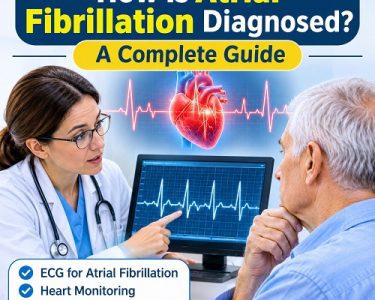
Your doctor may perform an ECG, echocardiogram, blood tests or ambulatory heart monitoring. These tests help identify the rhythm pattern, assess heart structure and function, and look for contributing conditions such as thyroid disorders.
In many cases, treatment combines stroke prevention, rate or rhythm control, and risk-factor management. Regular reviews help ensure the plan remains appropriate as symptoms and health needs change.
10. When Should You Seek Medical Attention?
Seek urgent medical assessment if you develop a new irregular heartbeat, persistent palpitations, unexplained breathlessness or worsening fatigue.
Call your local emergency service immediately if you experience:
- Chest pain or pressure, especially with sweating or nausea.
- Severe shortness of breath.
- Fainting or collapse.
- Sudden facial drooping, arm weakness or difficulty speaking.
- Sudden loss of vision, confusion or severe loss of balance.
These symptoms may indicate a heart emergency or stroke. Do not wait for the symptoms to resolve or attempt to manage them with home remedies.
If you take an anticoagulant, seek urgent advice for significant bleeding, black stools, vomiting blood or a serious head injury.
Frequently Asked Questions
1. What is the most effective treatment for atrial fibrillation?
The most effective treatment depends on your symptoms, stroke risk, heart function and medical history. Some people do well with rate-control medication and anticoagulation, while others benefit from rhythm-control medicines, cardioversion or catheter ablation.
2. Can atrial fibrillation be cured permanently?
Some people remain free from AFib episodes for long periods after catheter ablation. However, AFib can return, and no procedure guarantees a permanent cure. Continued monitoring and stroke-risk assessment remain important.
3. Is atrial fibrillation treatment lifelong?
Many people need long-term management. Anticoagulation may be required indefinitely when stroke risk justifies it. Rate-control medication, rhythm-control medication and other treatments may be adjusted over time according to symptoms and clinical response.
4. Can atrial fibrillation go away without treatment?
Some episodes of paroxysmal Atrial Fibrillation stop spontaneously. However, the disappearance of symptoms does not mean the condition is harmless or that stroke risk has disappeared. A suspected or diagnosed episode should be assessed by a healthcare professional.
5. Can diet help manage atrial fibrillation?
A heart-healthy diet can support blood pressure control, weight management and overall cardiovascular health. Limiting alcohol and identifying individual triggers may also help. Diet alone cannot replace prescribed treatment or stroke prevention.
6. Is catheter ablation better than medication?
For selected patients, catheter ablation can control symptoms and reduce AFib recurrence more effectively than some drug-based approaches. It also carries procedural risks and may need to be repeated. Your cardiologist can explain which approach is most appropriate for your circumstances.
Conclusion
The main options for atrial fibrillation treatment include rate-control medicines, rhythm-control medication, anticoagulants, electrical cardioversion and catheter ablation. Pacemakers, AV node ablation and left atrial appendage closure may have a role in selected circumstances.
Effective treatment involves more than controlling an irregular heartbeat. Preventing stroke, managing contributing conditions and adopting sustainable lifestyle changes are equally important parts of care.
Work with your cardiologist to develop a treatment plan that reflects your symptoms, heart health, stroke risk and preferences. Take prescribed medicines consistently, attend follow-up appointments and seek urgent care for warning signs of a heart attack or stroke.
Medical disclaimer
This article is intended for educational purposes only and does not replace medical advice, diagnosis or treatment. Atrial fibrillation can increase the risk of stroke and other serious complications. Consult a qualified healthcare professional for an individual assessment, and never change prescribed heart medication or anticoagulants without medical guidance.
Medical references
The following reputable clinical sources support the medical information in this article and can be used for further editorial review.
- American Heart Association (AHA). Diagnosis and Treatment of Atrial Fibrillation. Overview of treatment goals, rate control, rhythm control and stroke prevention. Read the AHA guidance.
- American Heart Association (AHA). Atrial Fibrillation Medications. Information on anticoagulants, rate-control medicines and rhythm-control medicines. Read the medication guide.
- Joglar JA, et al. 2023 ACC/AHA/ACCP/HRS Guideline for the Diagnosis and Management of Atrial Fibrillation. Journal of the American College of Cardiology. 2024;83(1):109–279. Read the clinical guideline.
- National Institute for Health and Care Excellence (NICE). Atrial fibrillation: diagnosis and management (NG196). Recommendations on anticoagulation, rate control, rhythm control and procedures. Read the NICE guideline.
- NHS. Atrial fibrillation. Patient guidance on symptoms, diagnosis, medication, cardioversion and ablation. Read the NHS guidance.
- American Heart Association (AHA). How Are Atrial Fibrillation Treatment Options Determined? Overview of individualised treatment decisions and lifestyle management. Read the treatment overview.