 By
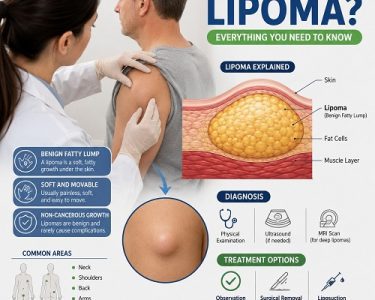
By A painful lipoma is often surprising because most lipomas are painless, soft fatty lumps that develop beneath the skin. They usually grow slowly and are harmless. However, when pain develops, it may indicate inflammation, pressure on nearby nerves, or another underlying condition that deserves medical evaluation.
Many people notice a small lump that suddenly becomes tender or uncomfortable and begin to wonder whether something serious is happening. While lipoma pain is not always dangerous, it should never be ignored. A sore lipoma can sometimes interfere with daily activities or indicate changes that require further examination.
What is a Painful Lipoma?
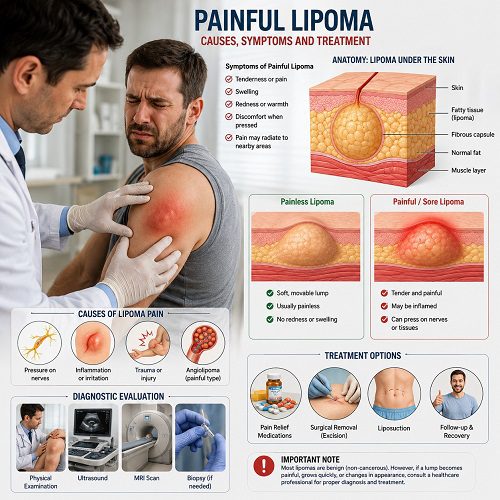
A painful lipoma is a benign (non-cancerous) fatty growth that Lipoma causes discomfort, tenderness, or pain. Unlike typical lipomas, which are usually painless and movable beneath the skin, painful lipomas may produce symptoms ranging from mild tenderness to persistent discomfort.
Lipomas can develop almost anywhere in the body, including:
- Lipoma on the Arm
- Shoulders
- Neck
- Lipoma on the Back
- Abdomen
- Lipoma on the Thigh
- Chest
- Forehead
- Lipoma on the Scalp
Pain may occur continuously or only when pressure is applied to the affected area.
Characteristics of a Painful Lipoma
A painful lipoma may appear as:
- A soft lump beneath the skin
- Tenderness when touched
- Mild swelling around the area
- Pain during movement
- Increased sensitivity to pressure
- Discomfort while sitting or sleeping
- Pain that radiates toward nearby muscles
The severity of symptoms often depends on its location and whether nearby tissues are affected.
Are Lipomas Usually Painful?
No. Most lipomas are painless.
Typical lipomas are:
- Soft
- Doughy in texture
- Slow-growing
- Easily movable
- Small in size
- Non-tender
Pain is relatively uncommon and may suggest one of several possibilities, including:
- Inflammation
- Compression of nearby nerves
- Rapid enlargement
- Trauma to the area
- Multiple painful fatty tumors
- A different diagnosis altogether
For this reason, a healthcare provider may recommend further evaluation when lipoma pain develops unexpectedly.
What Causes a Painful Lipoma?
Several factors can contribute to pain.
1. Pressure on Nearby Nerves
One of the most common causes of lipoma pain is nerve compression.
A growing lipoma may press against:
- Peripheral nerves
- Blood vessels
- Muscles
- Connective tissues
Symptoms may include:
- Burning sensations
- Tingling
- Sharp pain
- Radiating discomfort
- Muscle soreness
Deep lipomas are more likely to produce symptoms because they may involve deeper tissues.
2. Inflammation
Inflammation may develop due to:
- Irritation
- Minor trauma
- Infection of surrounding tissues
- Repeated friction
Some inflamed lipoma symptoms include:
- Tenderness
- Warm skin
- Mild redness
- Swelling
- Increased pain
Inflammation doesn’t necessarily mean the lipoma itself has become dangerous, but it should still be evaluated if symptoms worsen.
3. Trauma or Injury
Even a harmless lipoma may become painful after injury.
Examples include:
- Sports injuries
- Accidental bumps
- Pressure from clothing
- Sleeping on the affected area
- Workplace activities involving repetitive motion
Pain usually develops because surrounding tissues become irritated rather than because the fatty tumor itself changes significantly.
4. Angiolipomas
Not all fatty tumors are identical.
Angiolipomas are benign fatty tumors containing numerous blood vessels and are frequently painful.
Unlike ordinary lipomas, angiolipomas may:
- Cause tenderness
- Develop in clusters
- Appear during early adulthood
- Become painful when touched
People often confuse angiolipomas with painful lipomas because their appearance is very similar.
5. Dercum’s Disease
Rarely, painful fatty growths are associated with Dercum’s disease.
This uncommon condition may involve:
- Multiple painful fatty tumors
- Chronic pain
- Fatigue
- Tender skin
- Obesity in some individuals
Pain associated with this condition can become severe enough to affect daily activities.
Common Painful Lipoma Symptoms
Symptoms may vary significantly between individuals.
Painful Lipoma Symptoms Include:
- Lipoma pain when touched
- Tenderness
- Sore lipoma sensations
- Mild swelling
- Pressure-related discomfort
- Pain during movement
- Warmth over the lump
- Skin sensitivity
- Aching sensations
- Radiating pain
- Burning discomfort
- Difficulty sleeping on the affected side
Some individuals experience intermittent symptoms, while others report persistent discomfort.
Inflamed Lipoma Symptoms
Inflamed lipoma symptoms may include:
- Tenderness
- Redness
- Localized swelling
- Warm skin
- Increased sensitivity
- Persistent pain
- Mild skin irritation
- Temporary enlargement
Seek medical attention if you experience:
- Fever
- Severe redness
- Rapid enlargement
- Drainage from the lump
- Significant pain
These symptoms may indicate another medical issue that requires prompt evaluation.
Can a Lipoma Suddenly Become Painful?
Yes.
Pain can develop suddenly because of:
- Pressure changes
- Inflammation
- Injury
- Nerve involvement
- Growth of the lipoma
- Changes in body weight
- Muscle irritation
Although most painful lipomas remain benign, sudden changes should always be evaluated medically.
When Should You Worry About Lipoma Pain?
Medical evaluation is recommended if you notice:
- Rapid growth
- Severe pain
- Firm texture
- Skin discoloration
- Restricted movement
- Persistent tenderness
- Deep tissue involvement
- Symptoms lasting several weeks
Healthcare providers may investigate whether the lump is:
- A lipoma
- Angiolipoma
- Cyst
- Enlarged lymph node
- Soft tissue tumor
- Another benign growth
Accurate Lipoma diagnosis is important before beginning Lipoma Alternative Treatment.
Painful Lipoma vs Painless Lipoma
| Feature | Painful Lipoma | Painless Lipoma |
| Pain | Yes | No |
| Tenderness | Common | Rare |
| Swelling | Possible | Minimal |
| Nerve Compression | Possible | Rare |
| Skin Sensitivity | Present | Usually absent |
| Medical Evaluation | Recommended | Often routine |
| Treatment Needs | More likely | Sometimes unnecessary |
How Are Painful Lipomas Diagnosed?
Healthcare professionals usually begin with:
Physical Examination
Doctors may assess:
- Size
- Shape
- Tenderness
- Mobility
- Skin changes
- Duration of symptoms
Medical History
Questions often include:
- When did the pain begin?
- Has the lump changed size?
- Is the pain constant?
- Have you experienced trauma?
- Are multiple lipomas present?
Ultrasound
Ultrasound imaging may help determine:
- Lipoma size
- Tissue characteristics
- Blood supply
- Relationship with nearby structures
MRI
MRI is sometimes recommended when:
- Pain is severe
- Deep tissues are involved
- Growth is rapid
- Diagnosis remains uncertain
MRI provides detailed soft tissue imaging and may distinguish between various fatty tumors.
Biopsy
In selected cases, healthcare providers may recommend biopsy if:
- Symptoms are unusual
- Rapid enlargement occurs
- Imaging findings are unclear
Biopsy helps confirm the diagnosis.
Treatment Options for Painful Lipoma
Lipoma Treatment depends upon:
- Severity of symptoms
- Location
- Size
- Underlying cause
Observation
Small painful lipomas may simply be monitored when symptoms remain mild.
Healthcare providers may recommend:
- Periodic examinations
- Symptom tracking
- Lifestyle modifications
Pain Management
Mild discomfort may improve with:
- Warm compresses
- Rest
- Avoiding pressure
- Physician-approved pain medications
Avoid self-treatment without medical advice if symptoms worsen.
Surgical Removal
Lipoma removal may be recommended when:
- Pain persists
- Daily activities become difficult
- Rapid enlargement occurs
- Cosmetic concerns exist
- Diagnosis remains uncertain
Benefits include:
- Symptom relief
- Definitive diagnosis
- Improved comfort
Most procedures are performed under local anesthesia.
Liposuction
Selected lipomas may be treated using liposuction techniques.
Advantages include:
- Smaller incisions
- Faster recovery
- Reduced scarring
However, some lipomas may recur if fatty tissue remains behind.
Can Painful Lipomas Become Cancer?
Lipomas themselves are benign tumors.
Pain does not automatically indicate cancer.
However, medical evaluation becomes important if symptoms include:
- Rapid enlargement
- Hard texture
- Persistent severe pain
- Deep location
- Limited mobility
- Skin ulceration
Healthcare providers may investigate whether another condition is present.
Early assessment offers reassurance and appropriate Lipoma treatment when necessary.
Living With a Painful Lipoma
Lifestyle adjustments may improve comfort.
Helpful measures include:
- Wearing loose clothing
- Avoiding prolonged pressure
- Monitoring symptom changes
- Maintaining follow-up appointments
- Reporting rapid changes promptly
Individuals with multiple lipomas may benefit from regular medical evaluations.
Frequently Asked Questions
Are painful lipomas dangerous?
Most are benign, but pain should always be medically evaluated because several conditions can produce similar symptoms.
Can inflammation cause lipoma pain?
Yes. Inflamed lipoma symptoms commonly include tenderness, swelling, and increased discomfort.
Does every sore lipoma need surgery?
No. Treatment depends upon symptom severity, size, and location. Some cases require only observation.
Can exercise worsen lipoma pain?
Activities involving repetitive pressure or friction may temporarily increase discomfort in some individuals.
Can lipomas recur after removal?
Recurrence is uncommon after complete Lipoma Removal Surgery but remains possible in certain situations.
Final Thoughts
A painful lipoma is usually a benign fatty growth that causes tenderness, discomfort, or pressure-related pain. Although most lipomas are painless, lipoma pain may develop because of inflammation, nerve compression, injury, or uncommon conditions such as angiolipomas. Recognizing inflamed lipoma symptoms early can help determine when medical evaluation is appropriate.
A sore lipoma should never be ignored if symptoms worsen or significant changes occur. Persistent pain, rapid enlargement, or unusual characteristics deserve professional assessment to ensure an accurate diagnosis and appropriate treatment. With proper medical care, most painful lipomas can be effectively managed, allowing individuals to maintain comfort and peace of mind.
Disclaimer:
This article is intended for educational purposes only and should not replace professional medical advice, diagnosis, or treatment. Always consult a qualified healthcare provider regarding persistent or painful lumps beneath the skin.