 By
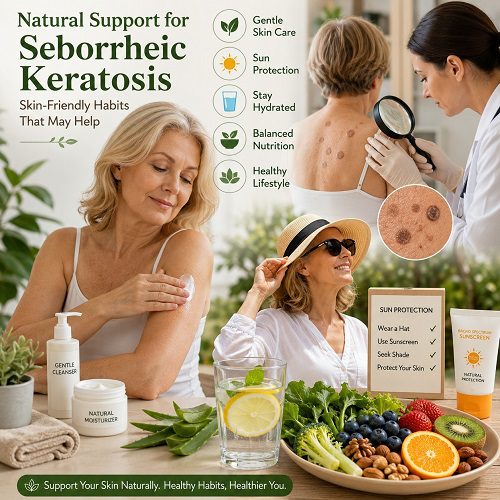
By Seborrheic keratosis is one of the most common noncancerous skin growths seen in adults, especially as people age. Although these harmless growths can vary in size, shape, and color, many individuals seek ways to support their skin naturally while maintaining its overall health. Natural support for seborrheic keratosis focuses on adopting healthy lifestyle practices and gentle skincare habits that may help keep the skin comfortable and well-maintained.
While natural approaches cannot remove seborrheic keratosis, they may contribute to healthier skin and help reduce irritation associated with friction or dryness. Combining proper skincare, balanced nutrition, hydration, and sun protection can support overall skin wellness and complement professional medical advice when needed.
This guide explores practical and skin-friendly habits that may provide natural support for seborrheic keratosis.
Understanding Seborrheic Keratosis
Seborrheic keratosis appears as waxy, rough, or slightly raised growths that may resemble a stuck-on patch of skin. They commonly develop on the:
- Chest
- Back
- Seborrheic Keratosis on the Face
- Neck
- Shoulders
- Abdomen
Their appearance varies considerably. Some are light tan, while others may appear dark brown or nearly black. Most are painless, although they may become irritated by clothing or repeated scratching.
Seborrheic keratoses are not contagious and do not develop because of poor hygiene. They are particularly common in middle-aged and older adults and tend to become more frequent with advancing age.
Natural support for seborrheic keratosis primarily focuses on maintaining healthy skin rather than attempting unsafe at-home removal methods.
Why Skin-Friendly Habits Matter
Healthy skin is better equipped to tolerate everyday environmental exposure and minor irritation. Gentle skincare practices may help:
- Maintain the skin’s protective barrier
- Minimize dryness
- Reduce unnecessary friction
- Support healthy skin renewal
- Promote overall skin comfort
- Improve skin hydration levels
Skin-friendly habits can be especially valuable when seborrheic keratosis develops in areas exposed to clothing, shaving, or regular movement.
Maintain Gentle Daily Cleansing
The foundation of natural support for seborrheic keratosis begins with gentle skin cleansing.
Consider using:
- Mild fragrance-free cleansers
- Lukewarm water instead of hot water
- Soft towels for drying
- Non-irritating skincare products
Avoid:
- Harsh exfoliating scrubs
- Alcohol-based products
- Excessive rubbing
- Frequent aggressive washing
Over-cleansing may contribute to dryness and irritation, particularly in aging skin. Gentle cleansing helps preserve the natural oils that support healthy skin function.
Tips for Daily Skin Care
- Wash affected areas gently.
- Pat the skin dry rather than rubbing.
- Apply moisturizer after bathing.
- Avoid unnecessary scratching.
- Wear soft fabrics whenever possible.
Small changes in daily routines can significantly improve overall skin comfort.
Keep Your Skin Properly Hydrated
Dry skin can become more susceptible to irritation and discomfort. Maintaining adequate hydration is an important component of natural support for seborrheic keratosis.
Helpful Moisturizing Habits
Choose moisturizers that contain:
- Ceramides
- Hyaluronic acid
- Glycerin
- Colloidal oatmeal
- Shea butter
- Natural moisturizing oils
Moisturizers may help:
- Support the skin barrier
- Improve softness
- Reduce dryness
- Promote healthy skin texture
Applying moisturizer immediately after bathing can help lock moisture into the skin.
Hydration From Within
Proper hydration also supports overall skin health.
Try to:
- Drink adequate amounts of water throughout the day.
- Consume water-rich fruits and vegetables.
- Limit excessive alcohol consumption.
- Maintain balanced daily fluid intake.
Hydrated skin often appears healthier and feels more comfortable.
Protect Your Skin From Excessive Sun Exposure
Sun protection remains one of the most beneficial skin-friendly habits for maintaining healthy skin.
Although seborrheic keratosis is not necessarily caused by sun exposure, these growths frequently develop on sun-exposed areas of the body.
Helpful practices include:
- Wearing broad-brimmed hats
- Using sunscreen regularly
- Wearing protective clothing
- Seeking shade during peak sunlight hours
Daily sun protection may help:
- Maintain healthier-looking skin
- Support healthy aging
- Reduce unnecessary environmental stress on the skin
Protecting the skin remains an important aspect of natural skin wellness.
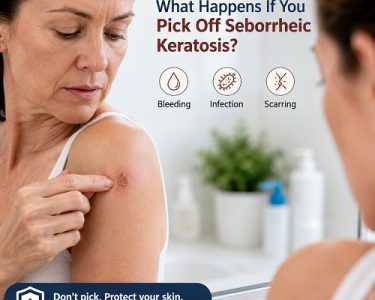
Avoid Picking or Scratching Skin Growths
Many individuals become concerned about the appearance of seborrheic keratosis and may attempt to remove or scratch affected areas.
Avoid:
- Picking skin growths
- Using sharp instruments
- Attempting self-removal
- Excessive rubbing
Picking can potentially cause:
- Bleeding
- Skin irritation
- Secondary infections
- Delayed healing
Natural Remedies for Seborrheic Keratosis emphasizes gentle care rather than aggressive treatments performed at Seborrheic Keratosis Home Care.
Wear Comfortable Clothing
Clothing friction may irritate skin growths located on the:
- Neck
- Waistline
- Underarms
- Chest
- Back
Choose:
- Loose-fitting clothing
- Breathable cotton fabrics
- Soft undergarments
- Comfortable sleepwear
Avoid:
- Tight collars
- Rough materials
- Excessive pressure on affected areas
Reducing friction may help improve daily comfort for individuals experiencing irritation.
Follow a Balanced Skin-Friendly Diet
Nutrition plays an important role in overall skin health. While no specific food has been proven to eliminate seborrheic keratosis, a balanced diet supports normal skin function.
Include foods rich in:
Vitamin C
Sources include:
- Oranges
- Strawberries
- Bell peppers
- Kiwi
- Broccoli
Vitamin C supports:
- Healthy collagen production
- Skin repair processes
- Antioxidant activity
Vitamin E
Sources include:
- Almonds
- Sunflower seeds
- Avocados
- Spinach
Vitamin E contributes to maintaining healthy skin.
Omega-3 Fatty Acids
Sources include:
- Salmon
- Sardines
- Flaxseeds
- Walnuts
- Chia seeds
These healthy fats support:
- Skin hydration
- Healthy inflammatory responses
- Skin barrier function
Zinc
Foods rich in zinc include:
- Pumpkin seeds
- Beans
- Lean meats
- Whole grains
Zinc plays a role in maintaining healthy skin tissues.
Natural Supplements That May Support Skin Health
Some individuals choose natural supplements as part of their overall wellness routine.
Examples include:
- Omega-3 supplements
- Vitamin C
- Zinc
- Collagen peptides
- Probiotics
- Multivitamins when appropriate
Natural supplements are intended to support overall skin health rather than specifically treat seborrheic keratosis.
Always consult a healthcare professional before beginning supplementation, particularly if you take medications or have existing health conditions.
Prioritize Healthy Sleep
Quality sleep contributes significantly to skin wellness.
Adults generally benefit from:
- Seven to nine hours of sleep daily
- Consistent sleeping schedules
- Reduced evening screen exposure
- Comfortable sleeping environments
Sleep supports:
- Skin renewal processes
- Normal immune function
- Overall health maintenance
Healthy lifestyle habits work together to support long-term skin health.
Manage Everyday Stress
Chronic stress may affect overall wellness, including skin health.
Helpful stress-management practices include:
- Walking
- Meditation
- Yoga
- Deep breathing exercises
- Reading
- Spending time outdoors
Although stress does not directly causes seborrheic keratosis, supporting overall health can positively influence daily well-being.
Avoid Irritating Products
Individuals with sensitive skin may benefit from minimizing exposure to potentially irritating skincare products.
Consider avoiding:
- Strong chemical peels
- Excessive exfoliation
- Highly fragranced cosmetics
- Harsh soaps
- Alcohol-heavy skincare formulations
Instead, choose:
- Gentle moisturizers
- Sensitive-skin formulations
- Dermatologist-tested products
- Mild cleansers
Simple skincare routines are often effective for maintaining healthy skin.
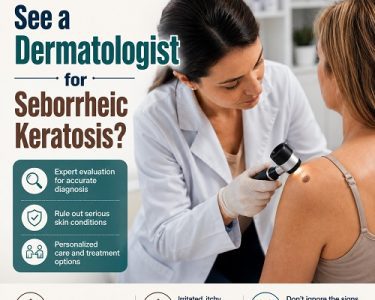
Maintain Regular Skin Examinations
Routine skin observation remains important.
Watch for:
- Rapid changes in size
- Bleeding
- Persistent irritation
- Significant color changes
- New unusual skin growths
Because certain skin conditions may resemble seborrheic keratosis, professional evaluation is recommended whenever diagnosis for Seborrheic Keratosis is uncertain.
Regular examinations may provide reassurance and allow appropriate medical assessment when necessary.
Healthy Daily Habits Checklist
Natural support for seborrheic keratosis may include:
- Gentle daily cleansing
- Proper moisturization
- Adequate hydration
- Balanced nutrition
- Regular exercise
- Healthy sleep habits
- Daily sun protection
- Comfortable clothing choices
- Avoiding skin irritation
- Routine skin monitoring
These simple practices support overall skin wellness while helping maintain comfort.
Common Mistakes to Avoid
Avoid the following approaches:
- Cutting skin growths at home
- Picking or scratching lesions
- Excessive scrubbing
- Ignoring concerning skin changes
- Using harsh chemicals without medical advice
- Neglecting sun protection
Natural support focuses on preserving healthy skin rather than performing unsafe removal procedures.
When Should You See a Healthcare Professional?
Seek medical evaluation if:
- A growth changes rapidly.
- It becomes painful or bleeds repeatedly.
- Multiple new growths appear suddenly.
- Diagnosis is uncertain.
- Irritation becomes persistent.
- Cosmetic concerns affect quality of life.
Several safe medical procedures are available when treatment becomes necessary.
These may include professional Removal for Seborrheic Keratosis techniques performed under appropriate medical supervision.
Can Natural Approaches Remove Seborrheic Keratosis?
Natural support strategies are intended to promote healthy skin habits rather than remove seborrheic keratosis.
Healthy practices may help:
- Improve skin comfort
- Maintain hydration
- Reduce irritation
- Support skin wellness
- Complement professional skincare advice
Individuals should remain cautious about internet remedies claiming immediate removal of seborrheic keratosis, particularly those involving harsh acids or abrasive methods.
Protecting skin integrity should remain the primary goal.
Conclusion
Natural support for seborrheic keratosis focuses on maintaining healthy skin through gentle daily habits and thoughtful lifestyle choices. While these benign skin growths typically do not require treatment, supporting overall skin wellness may improve comfort and promote healthier-looking skin.
Simple practices such as regular moisturization, adequate hydration, balanced nutrition, sun protection, and avoiding unnecessary irritation can make meaningful contributions to skin health. Although natural approaches cannot remove seborrheic keratosis, they may complement professional medical guidance and help individuals feel more confident in caring for their skin.
By adopting skin-friendly habits consistently, you can provide valuable natural support for seborrheic keratosis while prioritizing long-term skin wellness and comfort.