 By
By A lump under the skin can cause understandable concern. One of the first questions many people ask is whether it could be cancer. Understanding lipoma vs tumour differences can help ease anxiety while encouraging appropriate medical evaluation when necessary.
A lipoma is one of the most common benign soft tissue growths found in adults. It usually consists of fatty tissue that develops slowly beneath the skin and rarely causes serious health problems. In contrast, the term tumour refers broadly to abnormal tissue growth that may be benign or malignant. Not all tumours are cancerous, but some require immediate medical attention and Lipoma Alternative Treatment.
Knowing the difference between a benign lipoma vs cancerous lump can help you recognize warning signs and understand when medical evaluation becomes necessary. Although both may appear similar initially, their characteristics, behavior, and treatment approaches differ significantly.
What is a Lipoma?
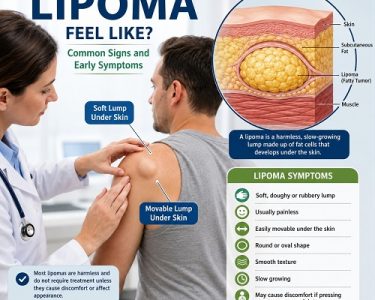
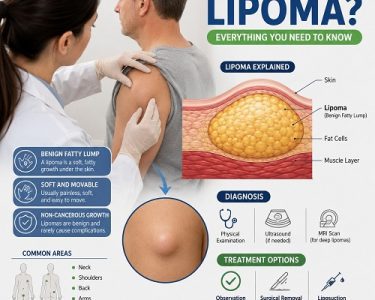
A lipoma is a slow-growing lump made primarily of fatty tissue that develops beneath the skin. It is considered benign, meaning it is non-cancerous and generally harmless.
Lipomas commonly appear on:
- Shoulders
- Neck
- Arms
- Upper back
- Abdomen
- Lipoma on the Thigh
Characteristics of lipomas include:
- Soft texture
- Easily movable beneath the skin
- Usually painless
- Slow growth over several years
- Round or oval shape
- Typically smaller than 5 centimeters
Some individuals may develop multiple lipomas due to hereditary conditions or genetic predisposition.
Common Symptoms
People with lipomas may experience:
- Soft fatty lump under skin
- Mild tenderness occasionally
- Cosmetic concerns
- Pressure symptoms if located near nerves
- Slow enlargement over time
Most lipomas do not interfere with daily activities unless they become unusually large or compress nearby tissues.
What is a Tumour?
A tumour refers to an abnormal growth of cells that can develop almost anywhere in the body. Tumours are classified into three primary categories:
Benign Tumours
These are:
- Non-cancerous
- Slow growing
- Localized
- Less likely to spread
Examples include:
- Lipomas
- Fibromas
- Adenomas
Premalignant Tumours
These contain abnormal cells that may eventually become cancerous if untreated.
Malignant Tumours
Malignant tumours are cancerous growths capable of:
- Invading nearby tissues
- Spreading throughout the body
- Growing rapidly
- Causing significant health complications
Examples include:
- Liposarcoma
- Sarcoma
- Carcinoma
- Melanoma
Not every tumour is cancer. However, every unexplained lump should be properly evaluated when warning signs are present.
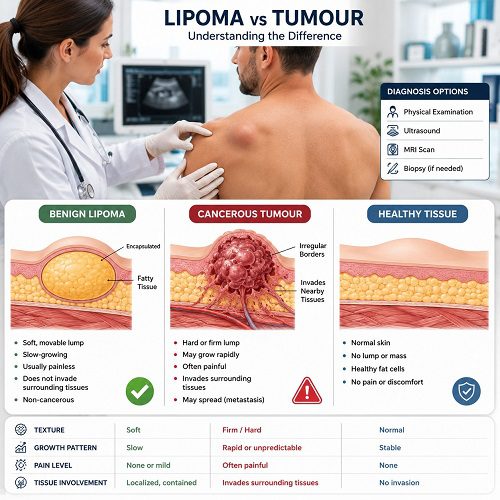
Lipoma vs Tumour: Major Differences
| Feature | Lipoma | Tumour |
| Nature | Benign | Benign or malignant |
| Growth | Slow | Variable |
| Pain | Usually painless | May be painful |
| Mobility | Easily movable | Often fixed |
| Texture | Soft | Firm or hard |
| Cancer Risk | Extremely low | Depends on tumour type |
| Spread | Does not spread | Malignant forms may spread |
| Treatment | Often unnecessary | Depends upon diagnosis |
| Size Changes | Slow enlargement | May enlarge rapidly |
Understanding these differences helps explain why physicians perform additional testing when certain warning signs are present.
Benign Lipoma vs Cancerous Lump
One of the most frequently searched concerns involves distinguishing a benign lipoma vs cancerous lump.
Benign Lipoma Features
Lipomas generally exhibit:
- Soft consistency
- Smooth surface
- Slow growth
- No skin discoloration
- Minimal discomfort
- Easy movement under the skin
Cancerous Lump Features
Cancerous growths may display:
- Firm or hard texture
- Rapid enlargement
- Persistent pain
- Skin changes
- Immobility
- Irregular borders
- Deep tissue involvement
A malignant lump often behaves differently than a typical lipoma. Healthcare providers pay particular attention to:
- Size exceeding 5 centimeters
- Rapid growth
- Increasing pain
- Deep tissue involvement
- Hard consistency
- Fixation to underlying structures
These symptoms do not automatically indicate cancer but warrant further medical evaluation.
Understanding Fatty Tumour Under Skin
Many people use the phrase fatty tumour under skin when referring to lipomas. Technically, a lipoma is a benign fatty tumour composed of mature fat cells.
However, not every fatty growth beneath the skin is necessarily a lipoma.
Conditions that may resemble lipomas include:
- Liposarcoma
- Sebaceous cysts
- Fibromas
- Enlarged lymph nodes
- Hematomas
- Dermatofibromas
- Abscesses
Proper diagnosis remains important whenever:
- The lump changes rapidly.
- Pain develops unexpectedly.
- The mass becomes firm.
- Multiple symptoms appear simultaneously.
Can Lipomas Become Cancerous?
One of the most common misconceptions involves lipomas transforming into cancer.
The answer is reassuring.
Lipomas Do Not Usually Become Cancerous
Lipomas:
- Are benign growths
- Have extremely low malignant potential
- Rarely cause serious complications
In most situations, lipomas remain harmless throughout life.
Liposarcoma Is Different
Confusion often arises between lipoma and liposarcoma.
Liposarcoma:
- Is a malignant fatty tissue cancer
- May grow rapidly
- Often develops deeper within tissues
- Requires medical treatment
Unlike lipomas, liposarcomas may:
- Cause persistent pain
- Compress surrounding structures
- Invade nearby tissues
- Spread if untreated
Although both involve fatty tissues, they are entirely different medical conditions.
Causes of Lipomas
The exact Lipoma Causes remains unclear, but several contributing factors include:
Genetics
Inherited tendencies may increase susceptibility.
Age
Lipomas most commonly develop between:
- 40 and 60 years
Family History
Multiple lipomas sometimes occur within families.
Minor Trauma
Some individuals report lipoma development following localized injuries, although evidence remains limited.
Metabolic Factors
Certain rare syndromes involve multiple fatty growths throughout the body.
Causes of Tumours
Tumours develop through abnormal cellular growth resulting from various factors.
These include:
Genetic Mutations
Changes within cellular DNA may trigger abnormal growth patterns.
Environmental Factors
Examples include:
- Radiation exposure
- Chemical exposure
- Smoking
- Chronic inflammation
Lifestyle Factors
Certain cancers may involve:
- Poor dietary habits
- Obesity
- Limited physical activity
Inherited Disorders
Genetic predisposition contributes to some tumour types.
Because tumour causes vary considerably, treatment approaches also differ substantially.
Symptoms That Require Medical Evaluation
Although most lipomas are harmless, medical consultation becomes important when symptoms change.
Seek evaluation if you notice:
- Rapid enlargement
- Persistent pain
- Hard consistency
- Deep tissue involvement
- Skin discoloration
- Bleeding
- Fever
- Unexplained weight loss
- Limited movement
- Neurological symptoms
Healthcare professionals generally investigate lumps that demonstrate suspicious features rather than relying solely on appearance.
How Doctors Diagnose Lipoma vs Tumour
Physical examination remains the first diagnostic step.
Physicians evaluate:
- Size
- Texture
- Mobility
- Tenderness
- Location
- Growth history
Further testing may include:
Ultrasound
Ultrasound helps determine:
- Tissue characteristics
- Fluid content
- Size measurements
MRI Scan
MRI provides excellent soft tissue visualization for:
- Large masses
- Deep lipomas
- Suspected malignant growths
CT Scan
CT imaging may assist when deeper structures require evaluation.
Biopsy
A biopsy involves removing tissue samples for laboratory examination.
This remains the most reliable method for differentiating:
- Benign lipoma
- Liposarcoma
- Other tumour types
Histopathological Examination
Microscopic tissue analysis confirms diagnosis and guides treatment recommendations.
Treatment Options for Lipomas
Lipoma Treatment depends largely upon symptoms.
Observation
Many lipomas require:
- No intervention
- Periodic monitoring
Surgical Removal
Surgery becomes appropriate when:
- Pain develops
- Cosmetic concerns arise
- Diagnosis remains uncertain
- Growth continues
Lipoma Removal Surgery typically provides excellent outcomes.
Liposuction
Selected lipomas may be treated using minimally invasive techniques.
Although effective in some cases, complete surgical excision generally offers lower recurrence rates.
Treatment Options for Tumours
Tumour treatment depends upon several factors:
- Type
- Location
- Size
- Malignancy status
- Patient health
Management options include:
Surgery
Many benign and malignant tumours require surgical removal.
Radiation Therapy
Radiation may:
- Destroy abnormal cells
- Prevent recurrence
Chemotherapy
Chemotherapy remains useful for certain cancers that spread beyond their original location.
Targeted Therapy
Modern treatments increasingly target specific cancer pathways.
Immunotherapy
Some cancers respond effectively to immune-based treatments.
Treatment plans vary considerably among tumour types and should always be individualized.
When Is a Lump Most Likely a Lipoma?
A lump is more suggestive of a lipoma when it is:
- Soft
- Movable
- Slow growing
- Painless
- Located beneath the skin
- Present for several years without significant changes
Nevertheless, healthcare providers recommend professional evaluation whenever uncertainty exists.
Warning Signs That Suggest Further Investigation
Consider prompt medical evaluation if a lump is:
- Larger than 5 centimeters
- Firm or hard
- Deep beneath muscle tissue
- Growing rapidly
- Increasingly Painful Lipoma
- Associated with skin changes
- Difficult to move
Early diagnosis significantly improves treatment outcomes for serious conditions.
Prevention and Monitoring
Although lipomas cannot always be prevented, maintaining regular health monitoring remains beneficial.
Recommended practices include:
- Performing routine self-examinations
- Monitoring size changes
- Recording new symptoms
- Attending scheduled medical evaluations
- Maintaining healthy lifestyle habits
Most importantly, avoid self-diagnosing unfamiliar lumps.
Frequently Asked Questions
Is every fatty lump a lipoma?
No. Various benign and malignant conditions may resemble lipomas, making medical evaluation important when symptoms appear unusual.
Are lipomas dangerous?
Most lipomas are harmless and remain benign throughout life.
Can lipomas cause pain?
Although typically painless, larger lipomas may compress nerves or surrounding tissues and become uncomfortable.
Is liposarcoma common?
Liposarcoma is relatively uncommon compared with benign lipomas.
Should all lumps be removed?
Not necessarily. Small, asymptomatic lipomas often require observation rather than treatment.
Conclusion
Understanding lipoma vs tumour differences can provide reassurance while encouraging timely medical evaluation when necessary. Lipomas are benign fatty growths that usually remain harmless and grow slowly over time. In contrast, tumours encompass both benign and malignant growths that vary considerably in behavior and treatment requirements.
Distinguishing a benign lipoma vs cancerous lump often involves evaluating characteristics such as texture, mobility, growth rate, and associated symptoms. Although a fatty tumour under skin is frequently a lipoma, persistent changes should never be ignored.
If you notice rapid enlargement, pain, firmness, or unusual symptoms, consulting a healthcare professional remains the safest approach. Early diagnosis ensures appropriate treatment and peace of mind.