 By
By Lipomas are among the most common benign fatty tumors that develop beneath the skin. Although they are generally harmless and slow-growing, some lipomas may become uncomfortable, painful, or cosmetically bothersome. In such cases, surgical removal may be recommended by a healthcare professional. Understanding the lipoma removal cost, recovery timeline, and proper aftercare can help patients make informed treatment decisions.
The overall cost of treatment varies depending on several factors, including the size and location of the lipoma, the surgical technique used, healthcare facility fees, and whether laboratory testing is required after Lipoma removal. Recovery time can also differ from person to person, making proper postoperative care essential for optimal healing.
What is a Lipoma?
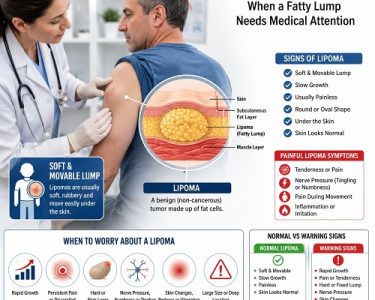
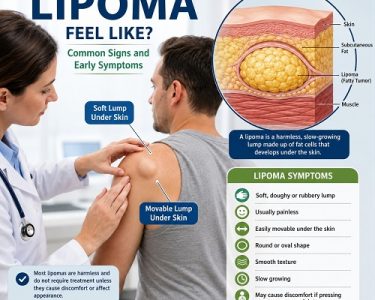
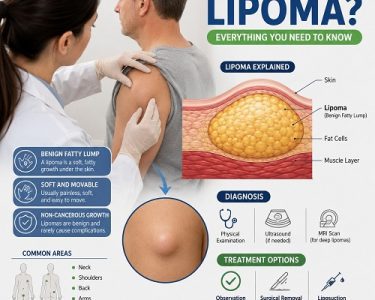
A lipoma is a soft, movable lump composed of fatty tissue that develops beneath the skin. Lipomas commonly appear on:
- Lipoma on the Neck
- Shoulders
- Lipoma on the Arm
- Lipoma on the Back
- Chest
- Lipoma on the Thigh or Leg
- Abdomen
Most lipomas grow slowly and remain painless. However, treatment may become necessary when they:
- Lipoma Cause discomfort
- Continue growing in size
- Compress nearby nerves
- Restrict movement
- Become cosmetically noticeable
- Create Lipoma diagnostic uncertainty
Healthcare providers often recommend surgical removal when Lipoma Symptoms begin affecting daily activities or quality of life.
When Is Lipoma Removal Necessary?
Not every lipoma requires treatment. Many individuals live comfortably with small lipomas for years without complications.
Lipoma removal may be recommended when:
- Pain develops
- Rapid enlargement occurs
- Cosmetic concerns arise
- Movement becomes restricted
- The lipoma becomes tender
- Multiple lipomas are present
- Imaging studies suggest further evaluation is needed
Early consultation can help determine whether monitoring or surgical intervention is appropriate.
Understanding Lipoma Removal Cost
The lipoma removal cost varies considerably depending on individual circumstances.
Several factors influence treatment expenses, including:
- Size of the lipoma
- Number of lipomas removed
- Surgical complexity
- Geographic location
- Healthcare provider fees
- Hospital or clinic charges
- Anesthesia requirements
- Laboratory examination fees
- Follow-up appointments
Small lipomas removed during a simple outpatient procedure generally cost less than larger or deeply situated lipomas requiring specialized surgical care.
Factors Affecting Lipoma Surgery Cost
The overall lipoma surgery cost may include:
Initial Consultation
Patients often require:
- Physical examination
- Medical history assessment
- Surgical planning
Diagnostic Testing
Additional testing may involve:
- Ultrasound imaging
- MRI scans
- CT scans
- Laboratory evaluation
Surgical Procedure
Procedure costs vary based on:
- Surgical complexity
- Operating room requirements
- Local anesthesia
- Sedation services
- Surgical supplies
Pathology Examination
After removal, physicians frequently recommend laboratory analysis to confirm the diagnosis.
Follow-Up Care
Postoperative visits may include:
- Dressing changes
- Wound assessment
- Stitch removal
- Recovery monitoring
Average Lipoma Surgery Cost
Although healthcare expenses differ worldwide, Lipoma Removal Surgery may range from several hundred dollars to several thousand dollars depending on treatment complexity.
The overall expense may increase when:
- Multiple lipomas require removal.
- Specialized imaging is necessary.
- Hospital admission becomes necessary.
- General anesthesia is required.
- Reconstruction or advanced wound care is performed.
Patients should request detailed estimates before scheduling treatment.
Types of Lipoma Removal Procedures
Best Treatment for Lipoma approaches may differ based on the lipoma’s characteristics.
Surgical Excision
Surgical excision remains the most common Lipoma treatment option.
The procedure generally involves:
- Local anesthesia
- Small skin incision
- Removal of fatty tissue
- Closure with stitches
- Protective wound dressing
Complete removal often reduces recurrence risk.
Minimal Incision Techniques
Some surgeons perform minimally invasive procedures involving:
- Smaller incisions
- Improved cosmetic outcomes
- Reduced postoperative discomfort
- Faster healing in selected cases
Liposuction-Assisted Removal
Certain lipomas may be treated using liposuction techniques that involve:
- Smaller scars
- Reduced tissue disruption
- Shorter recovery periods
However, complete removal may be more difficult in some situations.
Healthcare providers determine the most suitable approach based on individual evaluation.
What Happens During Lipoma Surgery?
Most lipoma procedures are performed on an outpatient basis.
Patients can generally expect:
- Physical examination
- Surgical site preparation
- Local anesthesia administration
- Small skin incision
- Lipoma removal
- Bleeding control
- Stitch placement
- Protective dressing application
The procedure usually takes between 20 minutes and one hour depending on complexity.
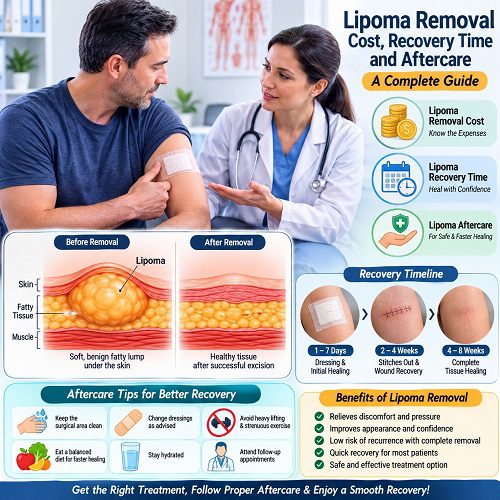
Lipoma Recovery Time
One of the most common patient questions concerns lipoma recovery time.
Recovery varies according to:
- Surgical technique
- Lipoma size
- Body location
- Individual healing ability
- Overall health status
First 24 Hours
Patients may experience:
- Mild soreness
- Swelling
- Minor bruising
- Tightness around the incision
Most discomfort remains manageable and gradually improves.
First Week
During the first week:
- Swelling begins decreasing.
- Daily activities gradually resume.
- Mild tenderness may persist.
- Protective dressings may require replacement.
Many individuals return to desk-based work within several days if approved by their healthcare provider.
Two Weeks
At approximately two weeks:
- Stitches may be removed.
- Most wounds demonstrate substantial healing.
- Physical activity restrictions may improve.
- Cosmetic appearance continues improving.
Four Weeks
By four weeks:
- Most patients experience significant recovery.
- Residual swelling continues resolving.
- Scar maturation begins.
- Normal activities often resume.
Six to Eight Weeks
Complete tissue healing may continue for several weeks depending upon:
- Surgical complexity
- Lipoma size
- Individual recovery rates
Healthcare providers determine when unrestricted physical activity is appropriate.
Factors Affecting Lipoma Recovery Time
Recovery may take longer when:
- Large lipomas are removed.
- Deep tissue surgery is performed.
- Multiple lipomas require treatment.
- Infection develops.
- Chronic health conditions affect healing.
Following medical instructions significantly contributes to successful recovery.
Lipoma Aftercare: Why It Matters
Proper lipoma aftercare plays a major role in preventing complications and supporting optimal wound healing.
Recommended aftercare practices include:
- Keeping the surgical area clean.
- Following dressing instructions.
- Avoiding unnecessary pressure.
- Monitoring for complications.
- Attending follow-up appointments.
Good aftercare may help minimize:
- Infection risks
- Excessive scarring
- Delayed healing
- Postoperative discomfort
Lipoma Aftercare Instructions
Keep the Surgical Site Clean
Patients should:
- Wash hands before wound care.
- Follow cleaning instructions carefully.
- Avoid contaminating dressings.
- Keep the incision protected.
Follow Dressing Instructions
Healthcare providers may recommend:
- Daily dressing changes
- Waterproof coverings during bathing
- Protective bandages for sensitive areas
Avoid removing dressings prematurely unless instructed.
Limit Physical Activity
Temporary activity restrictions may include:
- Heavy lifting
- Intense exercise
- Swimming
- Contact sports
Allowing tissues adequate time to heal promotes better recovery outcomes.
Maintain Proper Hydration
Good hydration supports:
- Tissue repair
- Circulation
- Skin healing
- Overall recovery
Eat a Balanced Diet
Nutritional support remains important during healing.
Recovery-friendly Lipoma foods include:
- Fruits
- Vegetables
- Lean proteins
- Whole grains
- Healthy fats
Protein intake particularly supports tissue repair following surgery.
Managing Postoperative Discomfort
Mild discomfort after lipoma surgery is common.
Patients may experience:
- Tenderness
- Swelling
- Bruising
- Tightness around stitches
Comfort measures may include:
- Rest
- Physician-approved medications
- Cold compresses when recommended
- Adequate hydration
Persistent or worsening symptoms should receive medical evaluation.
Signs of Healthy Healing
Normal recovery often includes:
- Mild redness initially
- Improving tenderness
- Reduced swelling
- Gradual scar formation
- Progressive improvement each week
Healing rates differ among individuals.
When Should You Contact Your Doctor?
Seek medical advice if you experience:
- Increasing pain
- Significant bleeding
- Fever
- Severe swelling
- Drainage from the incision
- Expanding redness
- Delayed healing
Early intervention may help prevent complications from worsening.
Can Lipomas Return After Removal?
Recurrence is relatively uncommon when complete surgical excision is performed.
However, recurrence may occasionally occur when:
- Residual fatty tissue remains.
- Multiple lipomas are present.
- Genetic factors contribute to their development.
Regular monitoring remains advisable after treatment.
Reducing Scar Formation
Scar appearance often improves gradually over time.
Helpful practices may include:
- Proper wound care
- Avoiding excessive sun exposure
- Following medical recommendations
- Maintaining adequate nutrition
- Avoiding unnecessary wound irritation
Complete scar maturation may continue for several months following surgery.
Preparing Financially for Lipoma Surgery
Patients should discuss:
- Consultation fees
- Surgical costs
- Diagnostic expenses
- Follow-up charges
- Pathology fees
- Insurance coverage when applicable
Questions worth asking include:
- Is laboratory testing included?
- Are anesthesia charges separate?
- How many follow-up visits are covered?
- What additional expenses should be anticipated?
Understanding these details beforehand helps minimize unexpected costs.
Frequently Asked Questions
Is Lipoma Surgery Painful?
Most procedures involve local anesthesia, which minimizes discomfort during surgery. Mild soreness afterward is usually temporary.
How Long Does Lipoma Recovery Take?
Most individuals experience significant improvement within two to four weeks, although complete healing may continue longer depending on surgical complexity.
What Is Included in Lipoma Removal Cost?
Costs may include:
- Consultation
- Diagnostic testing
- Surgical fees
- Laboratory examination
- Follow-up visits
- Dressing supplies
Can I Exercise After Surgery?
Light activities are often resumed relatively quickly, while strenuous Lipoma exercise should only begin after physician approval.
Will Lipoma Removal Leave a Scar?
Some degree of scarring is expected following surgical excision, although scar size largely depends upon incision length, surgical technique, and individual healing characteristics.
Conclusion
Understanding lipoma removal cost, surgical options, and postoperative care can make treatment decisions considerably easier. The overall lipoma surgery cost varies according to the size and complexity of the lipoma, diagnostic requirements, and healthcare provider fees. While many patients recover quickly, proper lipoma recovery time expectations and careful lipoma aftercare remain essential components of successful healing.
Most individuals experience excellent outcomes following lipoma removal when they closely follow postoperative instructions and attend recommended follow-up appointments. Consulting a qualified healthcare professional remains the best way to determine the most appropriate treatment plan based on your individual needs and medical history.
Disclaimer:
This article is for educational purposes only and should not replace professional medical advice, diagnosis, or treatment. Always consult a qualified healthcare provider regarding any new or changing scalp or forehead lump.