 By
Atrial fibrillation (AFib) is one of the most common types of irregular heart rhythm. It occurs when the electrical signals controlling the heartbeat become disorganized, causing the heart’s upper chambers, known as the atria, to beat irregularly and often rapidly. Although some people experience noticeable symptoms, others may have atrial fibrillation without realizing it.
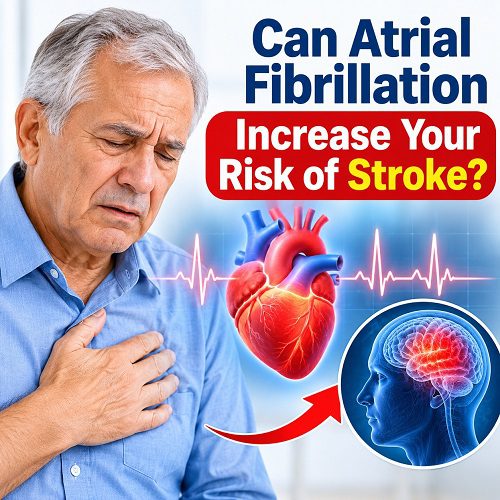
One of the most serious complications of this condition is stroke. The connection between atrial fibrillation and stroke is particularly important because AFib can interfere with normal blood flow inside the heart, allowing blood clots to form. If a clot travels to the brain and blocks an artery, it can cause an ischemic stroke.
Understanding the relationship between atrial fibrillation and stroke is essential for protecting your cardiovascular health. The good news is that early diagnosis, appropriate treatment, lifestyle changes, and regular medical monitoring can significantly reduce the risk of complications.
How atrial fibrillation increases stroke risk, the warning signs to recognize, available treatment options, and practical approaches to stroke prevention.
What Is Atrial Fibrillation?
Atrial fibrillation is a heart rhythm disorder in which the upper chambers of the heart (the atria) receive chaotic electrical signals. Instead of contracting in a coordinated way, they quiver or fibrillate.
Normally, electrical signals travel through the heart in an organized pattern, allowing the atria and ventricles to contract efficiently and pump blood throughout the body.
However, during atrial fibrillation, the electrical activity becomes disorganized. This causes an irregular heartbeat that may feel like:
- Fluttering or pounding in the chest.
- A racing or unusually fast heartbeat.
- Shortness of breath.
- Dizziness or lightheadedness.
- Unusual tiredness or weakness.
- Reduced ability to exercise.
Some individuals do not experience any noticeable symptoms. In these cases, AFib may only be discovered during a routine medical examination or heart rhythm test.
Atrial fibrillation can occur occasionally, persist for extended periods, or become a long-term condition. Regardless of its pattern, it deserves medical attention because it can increase the risk of blood clots and stroke.
How Are Atrial Fibrillation and Stroke Connected?
The connection between atrial fibrillation and stroke mainly involves blood circulation and clot formation.
In a healthy heart, the atria contract regularly to move blood into the lower chambers. During AFib, the atria do not pump effectively. Instead, they quiver, allowing blood to move more slowly and sometimes become stagnant.
This slower blood flow can encourage blood clots to develop, particularly in a small pouch in the left atrium called the left atrial appendage.
If a blood clot forms inside the heart, it may eventually break loose and enter the bloodstream. The clot can travel through the arteries until it reaches the brain.
When it blocks an artery supplying blood to the brain, the affected brain tissue may not receive enough oxygen and nutrients. This can result in an ischemic stroke.
A stroke can cause serious complications, including:
- Difficulty speaking or understanding language.
- Weakness or paralysis, especially on one side of the body.
- Problems with memory and concentration.
- Vision impairment.
- Difficulty walking or maintaining balance.
- Long-term disability.
- Life-threatening brain injury.
This is why managing atrial fibrillation is not simply about controlling an irregular heartbeat. It is also about reducing the risk of potentially life-threatening blood clots.
How Much Does Atrial Fibrillation Increase Stroke Risk?
People with atrial fibrillation have approximately five times the risk of experiencing an ischemic stroke compared with people who do not have AFib. However, individual risk varies considerably.
Several factors influence Atrial Fibrillation stroke risk, including:
- Age: Stroke risk generally increases as people get older. Individuals aged 65 and above require particular attention, while those aged 75 and older have an additional risk factor in commonly used clinical scoring systems.
- High blood pressure: Hypertension damages blood vessels and is an important risk factor for both AFib and stroke.
- Diabetes: Diabetes can damage blood vessels and increase cardiovascular complications.
- Previous stroke or transient ischemic attack (TIA): A history of stroke or TIA significantly increases the risk of another event.
- Heart failure: Reduced heart function can contribute to poor circulation and increase cardiovascular risk.
- Vascular disease: Conditions affecting arteries, including coronary artery disease and peripheral artery disease, can increase stroke risk.
Doctors commonly use the CHA₂DS₂-VASc scoring system to estimate stroke risk in patients with atrial fibrillation. This assessment considers factors such as heart failure, hypertension, age, diabetes, previous stroke, and vascular disease.
Importantly, not everyone with AFib has the same stroke risk. A healthcare professional should evaluate individual risk factors before recommending treatment.
Warning Signs of Stroke in People With Atrial Fibrillation
Recognizing stroke symptoms quickly can save lives. A stroke requires emergency medical attention, and treatment is often more effective when started as early as possible.
One useful way to recognize stroke symptoms is the FAST method:
- F – Face drooping: One side of the face may droop or feel numb.
- A – Arm weakness: One arm may become weak or difficult to lift.
- S – Speech difficulty: Speech may become slurred, unclear, or difficult to understand.
- T – Time to call emergency services: Seek emergency medical help immediately.
Other possible Atrial Fibrillation symptoms include:
- Sudden loss of vision in one or both eyes.
- Sudden confusion.
- Severe unexplained headache.
- Sudden dizziness.
- Difficulty walking or maintaining balance.
- Sudden numbness or weakness, particularly on one side of the body.
Never wait for symptoms to disappear. Even if the symptoms improve after a few minutes, the person may have experienced a transient ischemic attack (TIA), sometimes called a mini-stroke.
A TIA is an important warning sign that requires urgent medical assessment.
If you suspect a stroke, contact emergency services immediately. Do not attempt to treat the symptoms at home.
How Is Atrial Fibrillation Diagnosed?
Early diagnosis is an important part of reducing stroke risk. Since some people with AFib have no symptoms, regular health examinations can help identify an irregular heartbeat before serious complications develop.
Doctors may recommend several tests to diagnose atrial fibrillation.
1. Electrocardiogram (ECG or EKG)
An electrocardiogram records the electrical activity of the heart. It is one of the primary tests used to identify atrial fibrillation and detect irregular heart rhythms.
2. Holter monitor
A Holter monitor is a portable device that continuously records heart activity, usually for 24 to 48 hours or longer. It can help identify episodes of Atrial Fibrillation that may not occur during a routine examination.
3. Echocardiogram
An echocardiogram uses ultrasound waves to create images of the heart. It allows doctors to evaluate heart structure, chamber size, pumping function, and certain valve problems.
4. Blood tests
Blood tests may help identify underlying conditions that contribute to irregular heart rhythms, including thyroid problems, electrolyte imbalances, and kidney dysfunction.
5. Extended heart monitoring
Some people experience intermittent atrial fibrillation that is difficult to detect during a short ECG examination. Longer-term monitoring may help identify these episodes.
Once AFib is diagnosed, doctors can evaluate the patient’s individual stroke risk and develop an appropriate treatment plan.
How Can You Reduce Atrial Fibrillation Stroke Risk?
The good news is that atrial fibrillation does not mean a stroke is inevitable. Several medical and lifestyle approaches can help reduce the likelihood of blood clot formation and improve overall heart health.
Here are some important strategies for stroke prevention.
1. Take Prescribed Blood Thinners
Anticoagulant medications, commonly known as blood thinners, are among the most effective treatments for reducing AFib-related stroke risk.
These medicines reduce the blood’s ability to form dangerous clots.
Common anticoagulants include:
- Apixaban.
- Rivaroxaban.
- Dabigatran.
- Edoxaban.
- Warfarin.
Direct oral anticoagulants (DOACs) are generally preferred over warfarin for eligible patients who do not have a mechanical heart valve or moderate-to-severe rheumatic mitral stenosis.
However, anticoagulants can increase the risk of bleeding. Doctors consider individual stroke risk, bleeding risk, kidney function, other medications, and medical history before prescribing them.
Important: Never start, stop, or change an anticoagulant without consulting your healthcare professional. Aspirin is not an equivalent substitute for anticoagulation in patients who need stroke prevention for AFib.
2. Control High Blood Pressure
High blood pressure is a major risk factor for stroke and can also contribute to atrial fibrillation.
When blood pressure remains elevated, it places additional stress on the heart and damages blood vessels over time.
You can help manage blood pressure by:
- Reducing salt intake.
- Eating a balanced diet.
- Exercising regularly.
- Maintaining a healthy weight.
- Taking prescribed blood pressure medication.
- Checking blood pressure regularly.
Keeping blood pressure within your recommended range is an important part of cardiovascular health.
3. Maintain a Healthy Weight
Excess body weight can increase the likelihood of developing atrial fibrillation and may contribute to its progression.
Losing excess weight through a balanced diet and regular physical activity can improve heart health and help manage AFib.
If you are overweight or obese, discuss a realistic weight-management plan with your healthcare provider.
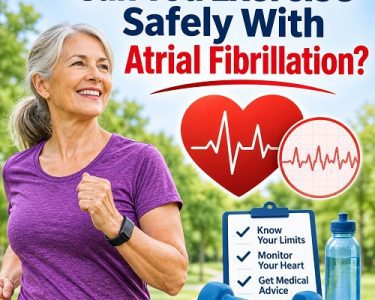
4. Exercise Regularly
Physical activity supports healthy circulation, improves cardiovascular fitness, and helps manage conditions such as hypertension and diabetes.
Consider activities such as:
- Walking.
- Swimming.
- Cycling.
- Light aerobic exercises.
- Gentle stretching.
However, people with atrial fibrillation should discuss an appropriate exercise routine with their healthcare provider, particularly if they experience dizziness, chest discomfort, or breathlessness.
Avoid suddenly starting intense exercise without medical guidance.
5. Manage Diabetes and Cholesterol
Diabetes and high cholesterol can contribute to cardiovascular disease and increase stroke risk.
If you have either condition, follow your healthcare provider’s recommendations for managing blood glucose and cholesterol levels.
A heart-healthy diet, prescribed medications, physical activity, and regular monitoring can help reduce complications.
6. Avoid Smoking and Limit Alcohol
Smoking damages blood vessels and increases the risk of cardiovascular disease.
Alcohol can also trigger AFib episodes in some people, particularly when consumed in excessive amounts.
Quitting smoking and avoiding or minimizing alcohol can support better heart health.
The American Heart Association also emphasizes lifestyle and risk-factor management as important parts of comprehensive AFib care.
Natural Remedies for Atrial Fibrillation: Can They Help?
Many people search for Natural Remedies for Atrial Fibrillation because they want to improve heart health through diet, exercise, and natural approaches.
Although healthy lifestyle habits can support cardiovascular health, it is important to understand that natural remedies cannot reliably prevent AFib-related blood clots or replace prescribed anticoagulant medication.
Some supportive lifestyle approaches include:
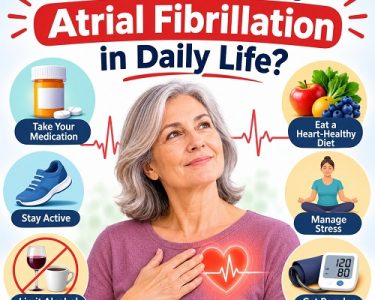
- Eat a heart-healthy diet
Choose a balanced diet containing vegetables, fruits, whole grains, legumes, nuts, and lean protein.
A Mediterranean-style eating pattern is one option that emphasizes minimally processed foods and healthy fats.
- Maintain healthy electrolyte levels
Minerals such as potassium and magnesium play important roles in normal electrical activity in the heart.
However, taking supplements without medical advice can be harmful, especially for people with kidney disease or those taking certain heart medications.
Ask your healthcare provider whether you need electrolyte testing or supplementation.
- Practice stress management
Stress and anxiety may trigger palpitations or worsen symptoms in some individuals.
Relaxation techniques such as deep breathing, meditation, gentle yoga, and mindfulness may help improve emotional well-being.
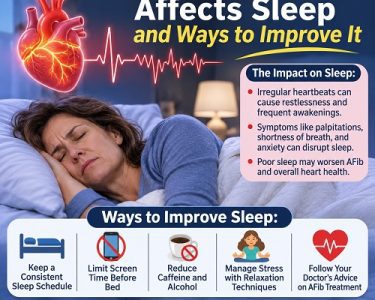
- Prioritize quality sleep
Poor sleep and sleep disorders, particularly obstructive sleep apnea, are associated with AFib.
Maintaining a regular sleep schedule and seeking treatment for suspected sleep apnea may support better heart health.
- Discuss supplements with your doctor
Some herbal products and dietary supplements can interact with anticoagulants or affect bleeding risk.
For example, St. John’s wort can interact with certain anticoagulants, while concentrated garlic, ginkgo, and other supplements may affect bleeding or medication safety.
Always discuss supplements with your healthcare professional before using them.
Remember: Natural approaches can complement medical treatment, but they cannot replace anticoagulants, prescribed heart medications, or professional monitoring. Never stop prescribed treatment in favor of herbal remedies.
Medical Treatments for Atrial Fibrillation
Treatment for Atrial Fibrillation generally focuses on controlling the heart rate, restoring or maintaining a normal rhythm when appropriate, and preventing blood clots.
The right treatment depends on the patient’s symptoms, medical history, heart function, and stroke risk.
Rate-Control Medications
These medications help slow the heart rate and improve symptoms.
Examples include certain beta-blockers and calcium channel blockers.
Rhythm-Control Treatment
Some patients may benefit from medications designed to restore or maintain a normal heart rhythm.
Antiarrhythmic drugs are selected according to the patient’s overall health and potential side effects.
Electrical Cardioversion
Electrical cardioversion involves delivering a controlled electrical shock to the heart to restore a normal rhythm.
Doctors may recommend this procedure for selected patients.
Catheter Ablation
Catheter ablation is a minimally invasive procedure that uses specialized equipment to target areas of heart tissue responsible for abnormal electrical signals.
It can reduce AFib episodes and improve symptoms in appropriately selected patients.
However, successful ablation does not automatically eliminate the need for anticoagulants. Stroke prevention decisions must still be based on the patient’s individual risk.
Left Atrial Appendage Closure
For selected patients who cannot safely take long-term anticoagulants, doctors may consider a procedure to close the left atrial appendage.
This area is where many AFib-related blood clots develop.
Left atrial appendage closure may provide an alternative stroke-prevention strategy for certain individuals, but it is not appropriate for everyone.
When Should You See a Doctor?
You should seek medical advice if you experience symptoms such as:
- Repeated heart palpitations.
- An unusually fast or irregular heartbeat.
- Unexplained dizziness.
- Shortness of breath.
- Persistent fatigue.
- Reduced exercise tolerance.
If you have already been diagnosed with atrial fibrillation, attend regular follow-up appointments and take your prescribed medication as directed.
Seek emergency medical attention immediately if you experience possible stroke symptoms, including facial drooping, sudden arm weakness, speech difficulties, sudden vision loss, or sudden severe balance problems.
Do not delay emergency care, even if symptoms disappear.
Frequently Asked Questions (FAQs)
1. Can atrial fibrillation cause a stroke?
Yes. Atrial fibrillation can cause blood to pool inside the heart, increasing the possibility of blood clot formation. If a clot travels to the brain and blocks an artery, it can cause an ischemic stroke.
2. Does everyone with atrial fibrillation have a high stroke risk?
No. Stroke risk varies depending on age, blood pressure, diabetes, previous stroke, heart failure, and other medical conditions. Doctors use validated risk assessment tools to determine whether anticoagulant treatment is appropriate.
3. Can blood thinners prevent AFib-related strokes?
Yes. For patients who meet treatment criteria, anticoagulants significantly reduce the risk of blood clots and ischemic stroke. However, they do not eliminate all stroke risk and require appropriate medical monitoring.
4. Can atrial fibrillation go away naturally?
Some AFib episodes may stop spontaneously, but this does not mean the underlying condition has been cured. Even intermittent AFib can increase stroke risk. Medical assessment is important regardless of how frequently symptoms occur.
5. What foods should people with atrial fibrillation eat?
A heart-healthy eating pattern can include vegetables, fruits, whole grains, legumes, fish, nuts, and healthy fats. People taking warfarin should maintain a consistent intake of vitamin K-rich foods rather than avoiding them completely.
6. Can exercise reduce atrial fibrillation stroke risk?
Regular, moderate physical activity can improve cardiovascular health, help control blood pressure, and support healthy weight management. However, exercise alone cannot replace anticoagulant treatment when medication is medically indicated.
Conclusion: Protecting Your Heart Can Help Protect Your Brain
The connection between atrial fibrillation and stroke is an important concern for anyone living with an irregular heartbeat. AFib can cause blood to pool inside the heart, increasing the possibility of clot formation and potentially life-threatening ischemic stroke.
However, having atrial fibrillation does not mean you will necessarily experience a stroke. Early diagnosis, appropriate anticoagulant treatment, blood pressure management, healthy eating habits, regular physical activity, and medical monitoring can help reduce your risk.
Although lifestyle changes and natural approaches can support cardiovascular health, they should never replace medically recommended stroke-prevention treatments.
If you have atrial fibrillation, speak with your healthcare provider about your individual stroke risk and the most appropriate treatment options.
Taking proactive steps today can help protect your heart, preserve your brain health, and improve your long-term quality of life.
Medical Disclaimer
This article is intended for educational and informational purposes only. It does not replace professional medical advice, diagnosis, or treatment. Always consult a qualified healthcare professional regarding atrial fibrillation, stroke risk, medications, and treatment decisions. If you experience symptoms of a stroke, seek emergency medical attention immediately.
Medical references and authoritative sources
The following medical resources support the medical information presented in this article.
- Centers for Disease Control and Prevention (CDC)
About Atrial Fibrillation – Information about AFib, its relationship with stroke, risk factors, and treatment.
Read the CDC Atrial Fibrillation Guide.
- American College of Cardiology (ACC) and American Heart Association (AHA)
2023 ACC/AHA/ACCP/HRS Guideline for the Diagnosis and Management of Atrial Fibrillation.
Read the Full Clinical Practice Guideline.
- American Heart Association (AHA)
2023 Guideline for the Diagnosis and Management of Atrial Fibrillation.
- Centers for Disease Control and Prevention (CDC)
Risk Factors for Stroke – Information about cardiovascular conditions, diabetes, hypertension, and other stroke risk factors.
- American College of Cardiology (ACC)
2023 Guideline Key Perspectives – Recommendations concerning anticoagulation, stroke risk assessment, and AFib management.