 By
Atrial fibrillation (AFib) is a common heart rhythm disorder that causes the heart’s upper chambers, called the atria, to beat irregularly. Some people experience a racing heartbeat, palpitations, breathlessness, fatigue or dizziness. Others may have atrial fibrillation without noticeable symptoms.
Although diet cannot cure atrial fibrillation, choosing nutritious foods and maintaining healthy eating habits may support cardiovascular health, blood pressure management, cholesterol levels and overall wellbeing. These factors matter because high blood pressure, obesity, diabetes and other cardiovascular conditions can contribute to atrial fibrillation or make its management more challenging.
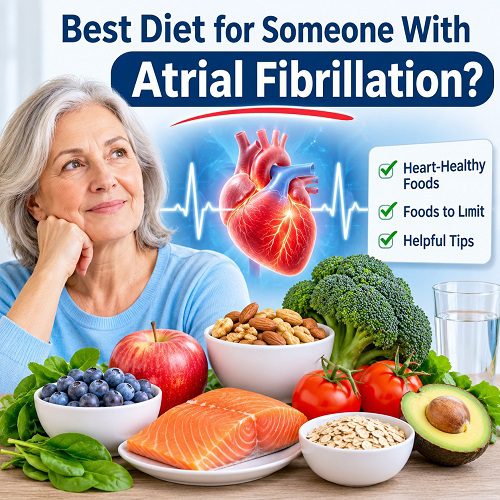
The best diet for atrial fibrillation generally emphasises vegetables, fruits, whole grains, legumes, nuts, fish and unsaturated fats. It also limits excessive salt, processed foods, sugary drinks and unhealthy fats.
However, there is no single eating plan that works for everyone with atrial fibrillation. Your nutritional needs may depend on your medications, kidney function, blood pressure, other health conditions and individual food preferences.
What Is Atrial Fibrillation?
Atrial fibrillation occurs when abnormal electrical signals cause the atria to beat irregularly and often rapidly.
Instead of contracting in a coordinated way, the atria quiver or fibrillate. This irregular rhythm can affect how efficiently blood moves through the heart.
Atrial fibrillation may occur occasionally, persist for longer periods or become a long-term condition.
Potential contributing factors include:
- High blood pressure
- Coronary artery disease
- Heart valve problems
- Diabetes
- Obesity
- Sleep apnoea
- Excessive alcohol consumption
- Thyroid disorders
- Increasing age
Atrial fibrillation can increase the risk of blood clots and stroke. Therefore, medical treatment may include medicines that control heart rate, maintain rhythm or reduce clot formation.
Diet is an important part of overall cardiovascular care, but it cannot replace prescribed treatment.
If you have atrial fibrillation, continue taking your medicines as directed and discuss dietary changes with your healthcare professional.
1. What Is the Best Diet for Atrial Fibrillation?
A heart-supportive eating pattern is generally the best starting point.
Two dietary approaches commonly recommended for cardiovascular health are the Mediterranean diet and the Dietary Approaches to Stop Hypertension (DASH) diet.
Both emphasise nutritious foods while limiting dietary components that may contribute to high blood pressure and cardiovascular risk.
The Mediterranean diet
The Mediterranean diet focuses on:
- Vegetables and fruits
- Whole grains
- Beans and lentils
- Nuts and seeds
- Olive oil
- Fish and seafood
- Moderate amounts of poultry and dairy
- Limited processed meat and highly processed foods
This eating pattern provides fibre, vitamins, minerals and unsaturated fats.
Research suggests that Mediterranean-style eating can support cardiovascular health and reduce the risk of several cardiovascular conditions.
However, evidence that this diet directly prevents or treats atrial fibrillation is less certain.
The DASH diet
The DASH diet was developed to help manage high blood pressure.
It emphasises vegetables, fruits, whole grains, low-fat dairy products, legumes, nuts and appropriate protein sources.
It also encourages limiting sodium, saturated fat and sugary foods.
Because high blood pressure is an important risk factor for atrial fibrillation, following a DASH-style eating pattern may help address one of the conditions associated with AFib.
The best approach is to choose a sustainable eating pattern that supports your blood pressure, weight, cholesterol and overall health.
2. Eat More Vegetables and Fruits
Vegetables and fruits provide fibre, potassium, folate, vitamin C and other nutrients that contribute to a balanced diet.
They also contain naturally occurring plant compounds that support general health.
Include a variety of colourful foods rather than relying on one particular fruit or vegetable.
Recommended vegetables
Consider adding:
- Spinach
- Broccoli
- Carrots
- Tomatoes
- Cabbage
- Cauliflower
- Bell peppers
- Green beans
- Courgettes
Fresh, frozen and appropriately prepared canned vegetables can all contribute to a healthy diet.
When choosing canned vegetables, look for reduced-sodium options or rinse them before use.
Recommended fruits
Good options include:
- Apples
- Oranges
- Berries
- Pears
- Grapes
- Peaches
- Guavas
- Pomegranates
Whole fruits are generally preferable to fruit juice because they provide fibre and can help you feel satisfied.
If you have kidney disease or take medicines that affect potassium levels, ask your healthcare professional whether you need to adjust your intake of potassium-rich fruits and vegetables.
There is no need for everyone with atrial fibrillation to avoid bananas, oranges or other nutritious fruits.
3. Choose Whole Grains
Whole grains contain fibre and other nutrients that support a balanced eating pattern.
Replacing some refined grains with whole grains may help improve overall dietary quality.
Examples include:
- Oats
- Brown rice
- Whole-wheat bread
- Whole-wheat chapati
- Barley
- Whole-grain cereals
- Whole-wheat pasta
Whole grains can support healthy cholesterol levels, digestion and blood sugar management.
For people with atrial fibrillation who also have diabetes or high blood pressure, choosing fibre-rich carbohydrates may help support these conditions.
Practical meal ideas
Try oatmeal with berries for breakfast.
Choose whole-wheat chapati with vegetables and lentils for lunch.
Include brown rice with fish and vegetables at dinner.
Check food labels because some packaged whole-grain products contain substantial amounts of salt or added sugar.
4. Include Fish and Other Healthy Protein Sources
Protein helps maintain muscle, supports normal body functions and contributes to balanced meals.
Fish is particularly useful because some varieties contain omega-3 fatty acids.
Examples include:
- Salmon
- Sardines
- Trout
- Mackerel
- Herring
These fish provide protein and varying amounts of omega-3 fats.
However, eating fish does not guarantee that atrial fibrillation will improve.
Some research has investigated omega-3 fatty acids and heart rhythm disorders, but findings vary according to the type and dose of supplement, the population studied and other factors.
High-dose omega-3 supplements may increase the risk of atrial fibrillation in some people.
Therefore, do not begin high-dose fish oil supplements to treat AFib without discussing them with your healthcare professional.
Other nutritious protein sources include:
- Lentils
- Chickpeas
- Beans
- Eggs
- Tofu
- Skinless poultry
- Unsweetened yoghurt
Plant-based proteins can also provide fibre and other beneficial nutrients.
5. Eat Nuts, Seeds and Healthy Fats
Unsaturated fats can help replace saturated fats in a heart-supportive diet.
Good sources include:
- Olive oil
- Walnuts
- Almonds
- Pistachios
- Chia seeds
- Flaxseeds
- Sunflower seeds
Nuts and seeds provide healthy fats, fibre and minerals.
Olive oil can be used in cooking or as a dressing for vegetables and salads.
Choose unsalted nuts when possible because salted varieties may contribute to excessive sodium intake.
Although these foods support cardiovascular nutrition, they should not be considered specific treatments for atrial fibrillation.
Portion sizes also matter, particularly if you are working towards a healthy weight.
6. Limit Excessive Sodium
Too much sodium can contribute to high blood pressure.
High blood pressure is an important risk factor for atrial fibrillation and other cardiovascular conditions.
Reducing sodium may therefore be a useful part of your overall management plan.
Common high-sodium foods include:
- Processed meats
- Instant noodles
- Packaged soups
- Salty snacks
- Pickles
- Some sauces
- Fast food
- Processed cheese
- Certain ready-made meals
Traditional foods can also contain substantial amounts of sodium.
For example, salted achar, heavily salted curries, packaged masala mixes and restaurant meals may contribute more sodium than expected.
How to reduce sodium
Use herbs, spices, lemon juice and garlic to improve flavour.
Choose fresh ingredients when possible.
Compare food labels and select lower-sodium products.
Reduce the amount of salt added during cooking.
Avoid using salt substitutes containing potassium chloride unless your healthcare professional confirms that they are appropriate.
People with kidney disease or those taking certain blood pressure medicines may need particular caution with potassium-based salt substitutes.
7. Reduce Added Sugar and Sugary Drinks
Sugary drinks provide calories without offering much nutritional value.
Frequent consumption of sugary beverages may contribute to weight gain and poor blood sugar control.
These factors can affect cardiovascular health.
Examples of drinks to limit include:
- Regular soft drinks
- Sweetened energy drinks
- Sweetened packaged juices
- Sugary tea
- Sweetened coffee drinks
Instead, choose water, unsweetened tea or other appropriate drinks.
If you enjoy fruit juice, consider a small portion rather than drinking large quantities.
Whole fruit is generally a better everyday choice.
People with diabetes should also consider how carbohydrates and added sugars affect their blood glucose levels.
A balanced diet can support diabetes management, but it should be combined with appropriate medication and medical advice.
8. Avoid Excessive Alcohol
Alcohol can trigger atrial fibrillation episodes in some people.
Research suggests that alcohol consumption is associated with an increased risk of atrial fibrillation, and reducing alcohol intake may help some people manage their condition.
The relationship varies between individuals.
Some people notice palpitations after drinking even relatively small amounts.
Others may not recognise a clear connection.
If alcohol triggers your Atrial Fibrillation symptoms, avoiding it may be helpful.
For people with atrial fibrillation, discussing alcohol avoidance with a healthcare professional is a reasonable approach.
Do not assume that switching to a different alcoholic beverage will prevent symptoms.
Alcohol can also interact with medicines and affect blood pressure, sleep and hydration.
If you take anticoagulants, ask your healthcare professional about alcohol and your specific medication.
9. Be Careful With Caffeine
Caffeine is often discussed as a possible trigger for irregular heartbeats.
However, the relationship between caffeine and atrial fibrillation is not straightforward.
Moderate coffee consumption does not consistently appear to increase atrial fibrillation risk in population studies.
Some people tolerate caffeine without difficulty.
Others may experience palpitations, anxiety or sleep disturbances after consuming caffeinated drinks.
If you notice that coffee, strong tea or energy drinks trigger your symptoms, consider reducing your intake.
Energy drinks deserve particular caution because they may contain high amounts of caffeine and other stimulants.
Avoid excessive caffeine and discuss persistent symptoms with your healthcare professional.
You do not necessarily need to eliminate ordinary coffee or tea if they do not cause symptoms and your clinician has not advised otherwise.
10. Maintain a Healthy Weight
Excess body weight is associated with an increased risk of atrial fibrillation.
It may also contribute to high blood pressure, diabetes and sleep apnoea.
These conditions can make AFib management more difficult.
If you are overweight, gradual and sustainable weight management may help improve your overall cardiovascular health.
Practical weight-management habits
Eat regular, balanced meals.
Include vegetables and fibre-rich foods.
Choose appropriate portions.
Reduce frequent consumption of sugary drinks.
Limit highly processed snacks.
Stay physically active according to your healthcare professional’s recommendations.
Avoid extreme diets or rapid weight-loss programmes.
If you have heart failure, kidney disease or another condition that affects your nutritional needs, seek individualised advice before changing your diet significantly.
Weight management should focus on long-term health rather than rapid results.
11. Watch Your Vitamin and Mineral Intake
A balanced diet provides many vitamins and minerals needed for normal body functions.
However, taking additional supplements does not necessarily improve atrial fibrillation.
Magnesium
Magnesium contributes to normal muscle and nerve function.
It also plays a role in normal heart rhythm.
Foods containing magnesium include:
- Nuts
- Seeds
- Whole grains
- Beans
- Leafy vegetables
Low magnesium levels can occur in certain medical conditions or with some medicines.
However, taking magnesium supplements without testing or medical advice may be inappropriate.
High doses can cause diarrhoea and may be dangerous in people with impaired kidney function.
Potassium
Potassium supports normal muscle function and helps regulate blood pressure.
Food sources include vegetables, fruits, beans and potatoes.
However, some medicines and kidney conditions can cause potassium levels to become too high.
Do not take potassium supplements or use potassium-containing salt substitutes without medical guidance.
Vitamin D
Vitamin D supports bone health and several other body functions.
Although researchers have investigated vitamin D and cardiovascular health, there is no established evidence that vitamin D supplements treat atrial fibrillation.
If you have a vitamin D deficiency, your healthcare professional may recommend appropriate supplementation.
Avoid taking high doses without medical advice.
12. Understand Vitamin K if You Take Warfarin
Warfarin is an anticoagulant that helps reduce the risk of blood clots.
It works by affecting vitamin K-dependent clotting processes.
If you take warfarin, changes in your vitamin K intake can affect your INR, which measures how quickly your blood clots.
Foods rich in vitamin K include:
- Spinach
- Kale
- Broccoli
- Cabbage
- Other green leafy vegetables
You do not need to avoid these nutritious foods.
Instead, aim to keep your vitamin K intake reasonably consistent.
For example, if you regularly eat leafy vegetables, try to maintain a similar pattern rather than suddenly increasing or eliminating them.
Your healthcare professional may need to adjust your warfarin dose if your diet changes substantially.
Other anticoagulants, such as apixaban, rivaroxaban, dabigatran and edoxaban, do not have the same dietary vitamin K interaction as warfarin.
Always check which anticoagulant you take before making dietary changes.
13. Limit Highly Processed Foods
Highly processed foods may contain excessive sodium, added sugars, saturated fats and calories.
Frequent consumption can make it more difficult to maintain a balanced diet.
Examples include:
- Processed meat products
- Packaged snack foods
- Fried fast food
- Sugary cereals
- Sweet bakery products
- Instant meals
You do not need to eliminate every packaged food.
Instead, focus on choosing nutritious options more often.
For example, replace frequent salty snacks with unsalted nuts or fruit.
Choose grilled or baked foods instead of regularly eating deep-fried meals.
Prepare meals at home when practical.
These changes can improve overall dietary quality without requiring a restrictive eating plan.
14. Stay Hydrated
Adequate hydration supports normal body functions.
However, individual fluid requirements vary.
Some people with atrial fibrillation may also have heart failure or kidney disease.
These conditions can require specific fluid recommendations.
If your healthcare professional has advised you to restrict fluids, follow that guidance rather than increasing your water intake independently.
For people without a prescribed fluid restriction, drinking water regularly and responding to thirst can help maintain hydration.
Excessive fluid intake is not a treatment for atrial fibrillation.
If you experience dizziness, fainting, persistent palpitations or unusual weakness, seek medical advice rather than assuming dehydration is the cause.
15. Sample Heart-Healthy Meal Plan
The following example illustrates a balanced eating pattern.
It is not a personalised meal plan or a specific treatment for atrial fibrillation.
Breakfast
Oatmeal prepared with milk or an appropriate alternative.
Add berries and a small portion of unsalted walnuts.
Choose water or unsweetened tea.
Mid-morning snack
One apple or another whole fruit.
Lunch
Whole-wheat chapati or brown rice.
Lentils or grilled chicken.
A mixed vegetable salad with olive oil and lemon dressing.
Afternoon snack
Plain yoghurt or a small portion of unsalted nuts.
Dinner
Grilled fish or beans.
Steamed vegetables.
A moderate portion of whole grains or potatoes.
Evening
Water or another suitable unsweetened drink.
Adjust portions according to your appetite, activity level, medical conditions and nutritional needs.
People with diabetes, kidney disease, heart failure or other dietary restrictions may require a different plan.
16. Can Natural Remedies Treat Atrial Fibrillation?
Some people explore herbal products, supplements or Natural Remedies for Atrial Fibrillation to support heart health.
However, natural products are not automatically safe.
Certain herbal products can interact with anticoagulants, blood pressure medicines or other cardiovascular treatments.
Some supplements may also affect heart rhythm or increase bleeding risk.
For example, products containing concentrated stimulants may trigger palpitations in susceptible individuals.
Herbal supplements should not replace prescribed atrial fibrillation treatment.
If you are considering a supplement, provide your healthcare professional with the product name, ingredient list and dose.
This is particularly important if you take warfarin or another anticoagulant.
A Atrial Fibrillation healthy diet should focus primarily on nutritious foods rather than relying on supplements marketed for heart rhythm support.
17. Lifestyle Habits That Support a Healthy Diet
Diet works best when it forms part of a broader approach to cardiovascular health.
Follow an appropriate exercise plan
Regular physical activity can support weight management, blood pressure and overall cardiovascular fitness.
However, exercise recommendations depend on your symptoms, heart condition and treatment.
Ask your healthcare professional what activities are appropriate.
Manage blood pressure
High blood pressure is an important risk factor for atrial fibrillation.
Reducing sodium, following a balanced diet and taking prescribed medicines can help manage blood pressure.
Address sleep apnoea
Sleep apnoea is associated with atrial fibrillation.
If you snore heavily, experience daytime sleepiness or have other symptoms, discuss assessment with your healthcare professional.
Avoid smoking
Smoking increases cardiovascular risk.
If you smoke, seek support to stop.
Attend regular medical appointments
Your healthcare professional may review your heart rhythm, blood pressure, medication, kidney function and other relevant health factors.
These appointments help determine whether your management plan needs adjustment.
18. When Should You Seek Medical Advice?
Dietary changes should not delay medical assessment.
Contact your healthcare professional if:
- You experience new or worsening palpitations.
- Your heart rate becomes unusually fast or irregular.
- You develop increasing breathlessness.
- You feel persistent dizziness.
- You notice swelling in your legs.
- You have questions about anticoagulants or supplements.
- You need advice about potassium, magnesium or vitamin K.
- You have difficulty maintaining a healthy weight.
Seek emergency medical care if you experience chest pain, severe breathlessness, fainting or symptoms of a stroke.
Stroke warning signs include sudden facial drooping, weakness in an arm or leg, difficulty speaking, confusion or sudden vision changes.
Do not wait for symptoms to resolve before seeking emergency help.
Conclusion
The best diet for atrial fibrillation is generally a balanced, heart-supportive eating pattern that includes vegetables, fruits, whole grains, legumes, nuts, fish and healthy fats.
Limiting excessive sodium, added sugar, alcohol and highly processed foods may help support blood pressure, weight management and overall cardiovascular health.
A Mediterranean-style or DASH-style diet can provide a useful framework.
However, no particular food, supplement or herbal remedy has been proven to cure atrial fibrillation.
People taking warfarin should maintain consistent vitamin K intake, while those with kidney disease or heart failure may need individualised recommendations for potassium, magnesium, protein or fluids.
The most effective approach combines nutritious eating with appropriate medical treatment, physical activity, healthy weight management and regular follow-up.
A balanced Atrial Fibrillation healthy diet can support your overall health, but your healthcare professional should guide dietary changes that affect your medications or medical conditions.
Medical References
- American Heart Association. Atrial Fibrillation.
https://www.heart.org/en/health-topics/atrial-fibrillation - American Heart Association. The American Heart Association Diet and Lifestyle Recommendations.
https://www.heart.org/en/healthy-living/healthy-eating/eat-smart - National Heart, Lung, and Blood Institute (NHLBI). Atrial Fibrillation.
https://www.nhlbi.nih.gov/health/atrial-fibrillation - National Heart, Lung, and Blood Institute (NHLBI). DASH Eating Plan.
https://www.nhlbi.nih.gov/education/dash-eating-plan - European Society of Cardiology (ESC). 2024 ESC Guidelines for the Management of Atrial Fibrillation.
https://www.escardio.org/Guidelines - National Institutes of Health, Office of Dietary Supplements. Vitamin K: Fact Sheet for Health Professionals.
https://ods.od.nih.gov/factsheets/VitaminK-HealthProfessional/ - National Institutes of Health, Office of Dietary Supplements. Magnesium: Fact Sheet for Health Professionals.
https://ods.od.nih.gov/factsheets/Magnesium-HealthProfessional/ - National Institutes of Health, Office of Dietary Supplements. Potassium: Fact Sheet for Health Professionals.
https://ods.od.nih.gov/factsheets/Potassium-HealthProfessional/ - American Heart Association. Alcohol and Heart Health.
https://www.heart.org/en/healthy-living/healthy-eating/eat-smart - National Institute for Health and Care Excellence (NICE). Atrial Fibrillation: Diagnosis and Management.
https://www.nice.org.uk/guidance/ng196
Medical Disclaimer
This article is for educational and informational purposes only. It does not provide medical advice, diagnosis or treatment. Atrial fibrillation is a medical condition that requires appropriate professional care. Dietary recommendations may vary according to your medications, kidney function, blood pressure, heart failure status and other health conditions. Consult a qualified healthcare professional before making significant dietary changes or taking supplements. Do not stop or change prescribed medicines without medical guidance.