 By
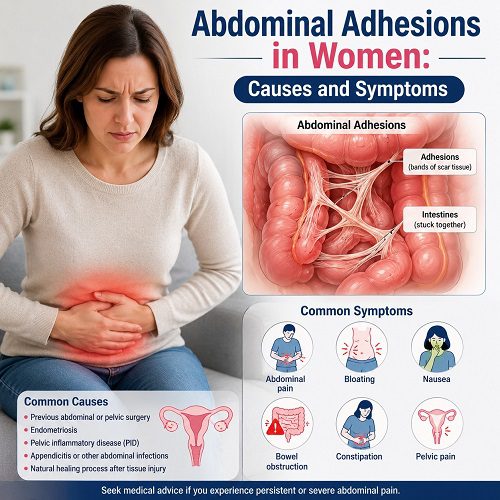
By Abdominal adhesions in women are bands of scar tissue that can form inside the abdomen and cause organs or tissues to stick together. They commonly develop after abdominal or pelvic surgery, but infections, inflammation and certain medical conditions can also contribute to their formation.
Many women have abdominal adhesions without experiencing noticeable symptoms. However, when these bands interfere with the normal movement of organs, they can cause abdominal pain, bloating, digestive problems and, in some cases, intestinal obstruction. Adhesions in the pelvis may also affect reproductive organs and contribute to pelvic discomfort or fertility-related concerns.
Knowing the Abdominal Adhesions causes and symptoms can help women recognise when persistent abdominal or pelvic problems need medical assessment.
What Are Abdominal Adhesions?
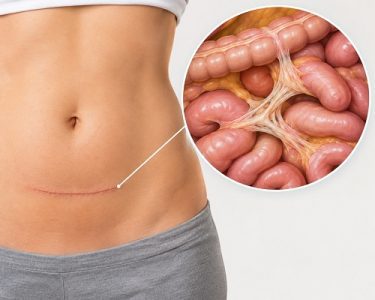
What Are Abdominal Adhesions? Abdominal adhesions are areas of fibrous scar tissue that develop between tissues and organs inside the abdominal cavity. Normally, organs such as the intestines, uterus, ovaries and abdominal wall can move freely against one another.
After inflammation, injury or surgery, the body’s natural healing process may produce scar tissue. Sometimes, this scar tissue connects surfaces that would normally remain separate. These abnormal connections are called adhesions.
Adhesions can be thin and flexible or thick and dense. Their size and location vary considerably from one person to another.
Although adhesions are often harmless, they can sometimes pull on organs or restrict their normal movement. In severe cases, they may cause part of the intestine to become twisted or blocked.
Why Are Abdominal Adhesions More Relevant to Women?
Women can develop adhesions for the same reasons as anyone else, but certain gynaecological procedures and pelvic conditions can increase the possibility of adhesion formation.
For example, surgery involving the uterus, ovaries or fallopian tubes may result in scar tissue developing within the pelvis. A woman who has undergone a caesarean section, hysterectomy, ovarian surgery or other pelvic procedure may therefore develop abdominal or pelvic adhesions.
In addition, conditions affecting the reproductive organs can sometimes cause inflammation and scarring. Endometriosis, pelvic infections and previous inflammatory conditions may contribute to adhesion formation.
It is important to remember that having a history of surgery does not automatically mean that a woman has adhesions. Many women develop no significant symptoms.
Common Causes of Abdominal Adhesions in Women
Several factors can contribute to abdominal adhesions in women.
1. Abdominal Surgery
Abdominal surgery is one of the most common causes of adhesions. During an operation, tissues inside the abdomen can become irritated or inflamed as part of the normal healing process.
Procedures such as appendectomy, bowel surgery, hernia repair and other abdominal operations may sometimes lead to adhesion formation.
The risk can vary depending on the type of operation, the extent of tissue handling, infection and individual healing responses.
2. Pelvic Surgery
Pelvic operations can also cause adhesions. Procedures involving the uterus, ovaries or fallopian tubes may result in scar tissue developing around these structures.
For example, surgery for ovarian cysts, fibroids, endometriosis or other gynaecological conditions may be followed by adhesion formation.
3. Caesarean Section
A caesarean section involves surgery through the abdominal wall and uterus. Like other surgical procedures, it can sometimes result in internal scar tissue.
Some women have no symptoms after developing adhesions following a caesarean section. Others may later experience abdominal or pelvic discomfort.
4. Endometriosis
Endometriosis occurs when tissue similar to the lining of the uterus grows outside the uterus. The resulting inflammation can contribute to scar tissue and pelvic adhesions.
When adhesions develop around the ovaries, fallopian tubes, bowel or other pelvic structures, they may restrict normal movement and contribute to chronic pelvic discomfort.
5. Pelvic Infections
Certain infections can cause inflammation inside the pelvis. If the inflammation is significant, healing may result in scar tissue.
Pelvic inflammatory disease is one condition that can cause inflammation involving the reproductive organs and surrounding tissues. In some cases, this inflammation can contribute to adhesions.
6. Abdominal Inflammation
Inflammatory conditions affecting abdominal organs may also contribute to adhesion formation. Severe infections, inflammation of the abdominal lining or previous bowel problems can sometimes leave scar tissue behind.
Symptoms of Abdominal Adhesions in Women
One of the challenging aspects of abdominal adhesions in women is that they do not always produce symptoms.
Some women may have adhesions for years without knowing they are present. Symptoms usually develop when adhesions interfere with organs or cause tension within the abdomen.
Common symptoms may include:
- Persistent or recurring abdominal pain
- Pelvic pain
- Abdominal bloating
- A pulling or tugging sensation
- Abdominal discomfort during movement
- Changes in bowel habits
- Constipation
- Difficulty passing gas
- Nausea or vomiting
- Pain associated with certain activities
- Symptoms of intestinal obstruction in severe cases
The location and severity of symptoms depend on where the adhesions have developed and which structures they affect.
Abdominal Pain and Adhesions
Abdominal pain is one of the symptoms that may occur when adhesions pull on organs or surrounding tissues.
Some women describe the pain as a pulling, stretching or tight sensation rather than sharp pain. Others may experience intermittent cramping or discomfort.
However, abdominal pain has many possible causes. Irritable bowel syndrome, endometriosis, ovarian cysts, urinary conditions and other digestive or reproductive problems can produce similar symptoms.
For this reason, persistent abdominal pain should not automatically be attributed to adhesions.
Pelvic Pain and Adhesions
Women with adhesions in the lower abdomen may experience pelvic discomfort.
Pelvic adhesions can form around the uterus, ovaries, fallopian tubes, bowel or bladder. Depending on their location, they may cause a feeling of pressure, pulling or restricted movement.
Women with a history of pelvic surgery or endometriosis who develop unexplained chronic pelvic pain may discuss the possibility of adhesions with a healthcare professional.
Digestive Symptoms
Adhesions can sometimes affect the intestines. They may pull, bend or compress sections of bowel.
This can contribute to:
- Cramping
- Bloating
- Constipation
- Difficulty passing gas
- Abdominal discomfort
- Nausea
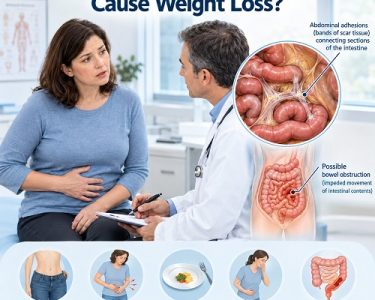
A significant adhesion may occasionally contribute to intestinal obstruction. This is more serious and requires prompt medical attention.
Can Abdominal Adhesions Cause Bloating?
Yes, adhesions may be associated with bloating, particularly when they interfere with normal intestinal movement.
However, bloating is extremely common and can result from many other causes, including dietary factors, constipation, hormonal changes and gastrointestinal disorders.
Therefore, bloating alone cannot confirm the presence of abdominal adhesions.
Women experiencing persistent or severe bloating should discuss their symptoms with a qualified healthcare professional, particularly if they also have pain, vomiting, unexplained weight loss or changes in bowel function.
Can Abdominal Adhesions Affect Fertility?
Adhesions involving the reproductive organs can sometimes affect fertility.
For example, adhesions around the fallopian tubes or ovaries may interfere with their normal position or movement. Adhesions may also develop as a consequence of conditions such as endometriosis or previous pelvic infection.
However, infertility can have many different causes. Therefore, adhesions should not be assumed to be the cause without appropriate medical evaluation.
Women experiencing difficulty becoming pregnant may benefit from discussing their individual circumstances with a gynaecologist or fertility specialist.
How Are Abdominal Adhesions Diagnosed?
Diagnosing adhesions can be challenging because they are often difficult to see directly through standard imaging tests.
A healthcare professional may begin by reviewing:
- Previous surgical history
- History of pelvic infections
- Endometriosis or other inflammatory conditions
- Abdominal and pelvic symptoms
- Changes in bowel function
- Fertility concerns
Imaging tests such as ultrasound, CT scans or MRI may help identify other possible causes of symptoms or complications associated with adhesions. However, adhesions themselves may not always be visible.
In some circumstances, a minimally invasive surgical procedure called laparoscopy may be used to directly examine the abdomen and identify adhesions.
Treatment Options for Abdominal Adhesions
Abdominal Adhesions Treatment depends on the symptoms and complications involved.
If adhesions are not causing problems, Abdominal Adhesions Treatment may not be necessary. A healthcare professional may recommend monitoring symptoms and investigating other possible causes of discomfort.
When adhesions cause significant complications, surgery may sometimes be considered.
Adhesiolysis
Adhesiolysis is a procedure used to separate or cut adhesions. It can sometimes relieve symptoms or treat an intestinal obstruction.
However, surgery itself can cause new adhesions. Therefore, doctors generally consider the potential benefits and risks carefully before recommending an operation specifically for adhesions.
When Should Women Seek Medical Help?
Women should seek medical advice for persistent, unexplained or worsening abdominal or pelvic pain.
Urgent medical assessment is particularly important when symptoms include:
- Severe or sudden abdominal pain
- Repeated vomiting
- Significant abdominal swelling
- Inability to pass stool or gas
- Fever alongside severe abdominal symptoms
- Fainting or severe weakness
- Symptoms that rapidly become worse
These symptoms can sometimes indicate an intestinal obstruction or another medical emergency.
Abdominal Adhesions vs Other Causes of Abdominal Pain
It can be difficult to distinguish adhesion-related symptoms from other abdominal conditions.
For example, women may experience similar symptoms with endometriosis, ovarian cysts, fibroids, gastrointestinal disorders, urinary tract conditions or other causes of pelvic pain.
A history of surgery can increase suspicion of adhesions, but it does not prove that adhesions are responsible for current symptoms.
A proper medical assessment is therefore important when symptoms persist.
Can Abdominal Adhesions Be Prevented?
There is no guaranteed way to prevent all adhesions.
However, surgeons may use careful surgical techniques and other measures intended to reduce tissue injury and adhesion formation. The risk also depends on the type and complexity of surgery and the individual’s healing response.
Because adhesions can develop as part of the body’s natural healing process, they cannot always be completely avoided.
Frequently Asked Questions
What are the most common symptoms of abdominal adhesions in women?
Common symptoms can include abdominal or pelvic pain, bloating, cramping and changes in bowel function. Some women have no symptoms at all.
Can abdominal adhesions cause chronic pain?
Yes. Adhesions may contribute to chronic or recurring abdominal or pelvic pain in some women. However, other conditions can cause similar symptoms, so medical assessment is important.
Can a C-section cause abdominal adhesions?
Yes. A caesarean section can sometimes result in internal scar tissue and adhesions. Not every woman who has a C-section develops symptomatic adhesions.
Are pelvic adhesions the same as abdominal adhesions?
Pelvic adhesions are a type of adhesion that develops within the pelvic region. Abdominal adhesions can occur elsewhere within the abdominal cavity.
Can adhesions go away naturally?
Established scar tissue generally does not simply disappear on its own. However, not all adhesions cause symptoms or require treatment.
Can abdominal adhesions cause bowel obstruction?
Yes. In some cases, adhesions can restrict or twist the intestine and contribute to bowel obstruction. This can be a medical emergency.
Final Thoughts
Abdominal adhesions in women are internal bands of scar tissue that can develop following surgery, inflammation, infection or certain pelvic conditions. Many women never experience symptoms, while others may develop abdominal pain, pelvic discomfort, bloating or digestive problems.
Previous abdominal surgery, pelvic surgery, caesarean section, endometriosis and pelvic infections can all be relevant when assessing the possibility of adhesions.
Because adhesion symptoms can resemble those of many other abdominal and gynaecological conditions, women should avoid self-diagnosing based on symptoms alone. Persistent or severe abdominal pain, digestive changes or pelvic symptoms deserve professional medical assessment.
Early evaluation can help identify the underlying cause and determine whether monitoring, further investigation or treatment is appropriate.
Medical Disclaimer
This article is provided for general educational and informational purposes only. It is not intended to diagnose, treat, cure or prevent abdominal adhesions or any other medical condition. Symptoms such as abdominal pain, pelvic pain, bloating, vomiting or changes in bowel function can have many possible causes. Always consult a qualified healthcare professional for an appropriate diagnosis and personalised medical advice. Do not delay or replace professional medical care based on information provided in this article. If you experience severe abdominal pain, persistent vomiting, significant abdominal swelling, inability to pass stool or gas, fever, fainting or other serious symptoms, seek urgent medical attention.