 By
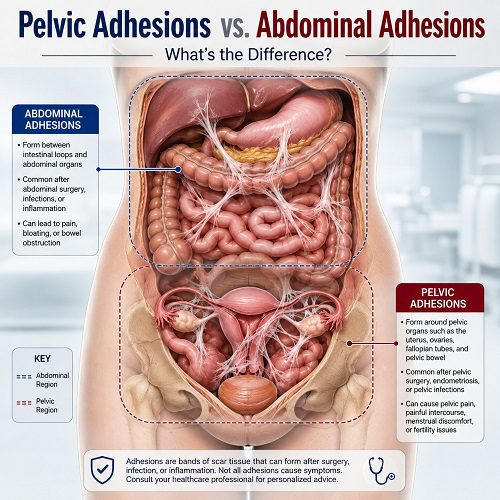
By Adhesions are bands of scar-like tissue that can develop inside the body after surgery, infection, inflammation, or other forms of tissue irritation. They can cause internal organs and tissues to stick together when they would normally move freely. Although pelvic adhesions and abdominal adhesions are closely related, their location and the organs they affect can differ.
The terms are sometimes used interchangeably because the pelvis is part of the lower abdominal region. However, knowing the difference can help explain certain symptoms, possible causes, diagnostic approaches, and treatment options.
What Are Pelvic Adhesions?
Pelvic adhesions are bands of fibrous scar tissue that form inside the pelvis and cause tissues or organs to stick together. The pelvis contains several important structures, including the uterus, ovaries, fallopian tubes, bladder, rectum, and sections of the small and large intestine.
Normally, these organs can move slightly against one another. Adhesions can restrict this natural movement by creating abnormal connections between surfaces.
Pelvic adhesions can develop after pelvic surgery, inflammation, infection, or tissue injury. They may cause no noticeable symptoms. However, more extensive adhesions can sometimes contribute to chronic pelvic pain, painful movement of organs, bowel problems, or fertility difficulties.
The severity of symptoms does not always correspond to the size or number of adhesions. Some people have extensive scar tissue without significant symptoms, while others may experience persistent discomfort from relatively limited adhesions.
What Are Abdominal Adhesions?
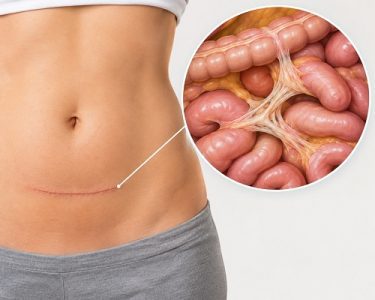
What Are Abdominal Adhesions? Abdominal adhesions are bands of scar tissue that develop within the abdominal cavity. They can connect loops of intestine to each other or attach the intestine to the abdominal wall or other organs.
The abdomen contains the stomach, small intestine, large intestine, liver, gallbladder, pancreas, spleen, and other structures. Adhesions can develop around these organs following surgery, infection, inflammation, or trauma.
Abdominal adhesions are particularly common after abdominal surgery. In some cases, they remain harmless. In others, they can cause organs or intestinal loops to become restricted, pulled, or kinked.
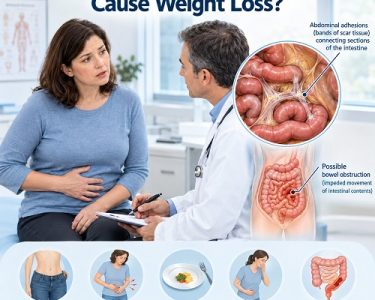
One important complication is bowel obstruction. If an adhesion prevents intestinal contents from passing normally, symptoms such as abdominal pain, bloating, vomiting, constipation, and inability to pass gas can occur. A suspected bowel obstruction requires prompt medical assessment.
Pelvic Adhesions vs. Abdominal Adhesions
The main difference between pelvic and abdominal adhesions is where the scar tissue forms and which structures it affects.
| Feature | Pelvic Adhesions | Abdominal Adhesions |
| Main location | Pelvic cavity | Abdominal cavity |
| Commonly affected structures | Uterus, ovaries, fallopian tubes, bladder, rectum, bowel | Small intestine, large intestine, stomach, abdominal organs |
| Common causes | Pelvic surgery, endometriosis, pelvic infection | Abdominal surgery, infection, inflammation |
| Possible symptoms | Pelvic pain, painful intercourse, fertility problems, bowel or bladder symptoms | Abdominal pain, bloating, cramping, bowel obstruction |
| Diagnosis | Medical history, examination, imaging, sometimes laparoscopy | Medical history, examination, imaging, sometimes surgery |
| Treatment | Observation, symptom management, or adhesiolysis when appropriate | Observation, symptom management, or adhesiolysis when complications occur |
Despite these differences, there is considerable overlap. Adhesions can occur in both areas at the same time.
Common Causes of Pelvic Adhesions
Several conditions and procedures can contribute to the development of pelvic adhesions.
Pelvic Surgery
Surgery is one of the most common causes of adhesions. Procedures involving the uterus, ovaries, fallopian tubes, bowel, or bladder can cause tissue injury. During healing, fibrous scar tissue may develop between nearby surfaces.
Examples include:
- Caesarean section
- Hysterectomy
- Ovarian surgery
- Fibroid surgery
- Endometriosis surgery
- Pelvic reconstructive procedures
- Bowel surgery involving the pelvis
Endometriosis
Endometriosis occurs when tissue similar to the uterine lining grows outside the uterus. Repeated inflammation and bleeding can irritate surrounding tissues and contribute to scar tissue and adhesions.
Endometriosis-related adhesions may cause pelvic organs to become stuck together.
Pelvic Infections
Certain pelvic infections can cause inflammation. As inflamed tissues heal, scar tissue may develop.
Pelvic inflammatory disease is one example of a condition that may contribute to adhesions around reproductive organs.
Inflammation or Injury
Trauma, inflammation, and other forms of tissue damage can also contribute to adhesion formation.
Common Causes of Abdominal Adhesions
The causes of abdominal adhesions overlap with those of pelvic adhesions.
Abdominal Surgery
Previous surgery is a major risk factor. Adhesions may form after procedures involving the intestine, appendix, gallbladder, stomach, or other abdominal structures.
For example, abdominal adhesions can occur following appendectomy or bowel surgery.
Abdominal Infection
An infection inside the abdominal cavity can cause inflammation. Healing may subsequently produce fibrous bands between tissues.
Inflammatory Conditions
Conditions that cause inflammation inside the abdomen may increase the likelihood of adhesion formation.
Abdominal Trauma
Significant injury to abdominal tissues can sometimes trigger healing processes that result in scar tissue.
Symptoms of Pelvic Adhesions
Some people with pelvic adhesions have no symptoms at all. When symptoms occur, they can vary depending on the location and extent of the scar tissue.
Possible symptoms include:
- Chronic pelvic pain
- Lower abdominal discomfort
- Pain during sexual intercourse
- Pain with certain movements
- Menstrual-related pelvic discomfort
- Bloating
- Changes in bowel habits
- Bladder discomfort
- Difficulty becoming pregnant
Pelvic adhesions can sometimes restrict the normal movement of reproductive organs. However, infertility can have many different causes, so adhesions should not automatically be assumed to be responsible.
Symptoms of Abdominal Adhesions
Abdominal adhesions can also remain symptom-free. When they cause problems, Abdominal Adhesions symptoms may include:
- Persistent or intermittent abdominal pain
- Cramping
- Bloating
- Abdominal tenderness
- Nausea
- Vomiting
- Constipation
- Difficulty passing gas
The most serious complication is an intestinal obstruction.
Symptoms of a possible bowel obstruction can include severe or worsening abdominal pain, repeated vomiting, significant abdominal swelling, and inability to pass stool or gas. These symptoms require urgent medical evaluation.
Can Pelvic Adhesions Cause Abdominal Pain?
Yes. Although pelvic adhesions are located in the lower part of the abdomen, they can contribute to abdominal or lower abdominal pain.
Scar tissue may restrict the normal movement of organs or place tension on surrounding tissues. Pain may be intermittent or persistent.
However, abdominal pain has numerous possible causes. Digestive disorders, urinary conditions, reproductive health problems, infections, and other conditions can produce similar symptoms.
For this reason, persistent abdominal or pelvic pain should be evaluated by a healthcare professional rather than automatically attributed to adhesions.
Can Pelvic Adhesions Cause Fertility Problems?
In some cases, pelvic adhesions may interfere with fertility.
For example, adhesions around the fallopian tubes or ovaries may affect the normal movement or function of these structures. Severe scar tissue can alter the anatomy of the pelvis and make it more difficult for an egg and sperm to meet.
However, fertility problems can result from many factors. Therefore, doctors usually consider a person’s complete medical and reproductive history before determining whether adhesions may be contributing.
How Are Pelvic and Abdominal Adhesions Diagnosed?
Diagnosing adhesions can be challenging because they are not always visible on routine imaging tests.
A healthcare professional may begin with:
- A detailed medical history
- Physical examination
- Review of previous surgeries
- Assessment of symptoms
- Blood or other laboratory tests when appropriate
- Imaging studies when another condition needs to be ruled out
Ultrasound, CT scans, or MRI may help identify other Abdominal Adhesions causes of pain or complications. However, adhesions themselves may not always appear clearly.
In selected cases, laparoscopy may be used to directly examine the abdominal or pelvic cavity. This minimally invasive procedure can sometimes identify and treat adhesions during the same operation.
Treatment for Pelvic Adhesions
Treatment depends on symptoms, severity, location, and complications.
Observation
If adhesions are not causing significant problems, treatment may not be necessary. Many adhesions never produce symptoms.
Symptom Management
When surgery is not appropriate, healthcare professionals may focus on managing symptoms. Treatment depends on the suspected source of pain and may involve medicines or other supportive approaches.
Adhesiolysis
Adhesiolysis is a surgical procedure used to separate adhesions. It may be performed laparoscopically or through open surgery, depending on the situation.
Doctors generally consider the potential benefits and risks carefully because surgery itself can cause new adhesions.
Treatment for Abdominal Adhesions
As with pelvic adhesions, symptom-free abdominal adhesions generally do not require treatment.
If adhesions cause significant complications, surgery may be considered.
For example, a bowel obstruction caused by adhesions may require hospital Abdominal Adhesions treatment and, in some cases, surgery to release the affected intestinal loops.
Adhesiolysis can relieve an obstruction in selected patients, but the decision depends on the patient’s condition and the underlying cause.
Is Surgery Always Needed for Adhesions?
No. Surgery is not automatically required for either pelvic or abdominal adhesions.
If adhesions do not cause symptoms or complications, doctors may recommend observation rather than surgical treatment.
Surgery can sometimes improve symptoms or correct an obstruction, but it also carries risks. Because operating inside the abdomen can itself lead to additional scar tissue, healthcare professionals usually weigh the expected benefits against potential complications.
Can Adhesions Come Back After Treatment?
Yes. Adhesions can reform after adhesiolysis.
This is one of the challenges associated with Abdominal Adhesions treatment. Even when existing scar tissue is successfully separated, the body’s healing response can produce new adhesions.
Surgeons may use specific surgical techniques and adhesion-reduction strategies to minimise the risk. However, there is no guarantee that adhesions will not return.
How Can You Reduce the Risk of Adhesions?
Not all adhesions can be prevented. However, surgeons can use techniques intended to reduce unnecessary tissue injury and inflammation during operations.
Some approaches may include:
- Using minimally invasive surgical techniques when appropriate
- Handling tissues carefully
- Controlling bleeding
- Reducing unnecessary tissue trauma
- Using appropriate adhesion-prevention materials in selected procedures
Patients should discuss individual risks with their surgeon before an operation.
When Should You See a Doctor?
Speak with a healthcare professional if you experience persistent or unexplained pelvic or abdominal pain, especially if you have previously undergone abdominal or pelvic surgery.
Seek urgent medical attention if symptoms suggest a possible bowel obstruction, such as:
- Severe or worsening abdominal pain
- Repeated vomiting
- Significant abdominal swelling
- Inability to pass gas or stool
- Severe cramping accompanied by vomiting or bloating
These symptoms can have several causes and should not be self-diagnosed as adhesions.
Final Thoughts
Pelvic adhesions and abdominal adhesions are both forms of internal scar tissue, but their location and the structures they affect can differ. Pelvic adhesions commonly involve reproductive, urinary, rectal, or pelvic bowel structures, while abdominal adhesions more often involve intestinal loops and organs within the abdominal cavity.
Both types can develop after surgery, inflammation, infection, or tissue injury. Some people never experience symptoms, while others may develop chronic pain or, in more serious cases, intestinal complications.
The terms abdominal adhesions and pelvic scar tissue can therefore describe closely related conditions, particularly when adhesions extend across the lower abdomen and pelvis.
If you have ongoing pelvic or abdominal symptoms, especially after previous surgery or inflammation, a healthcare professional can help determine the possible cause and whether further investigation or treatment is appropriate.