 By
By Abdominal pain that lasts for weeks, months or even years can significantly affect a person’s quality of life. While digestive disorders, inflammation and other medical conditions may cause persistent discomfort, some cases of long-term pain may be linked to abdominal adhesions. These bands of internal scar tissue can develop after surgery, infection, inflammation or injury and may affect the normal movement of organs inside the abdomen.
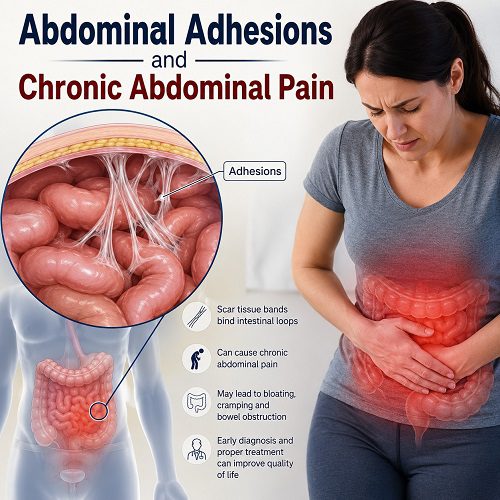
Abdominal Adhesions and Chronic Pain are closely connected in some patients, particularly when scar tissue causes organs or sections of the bowel to become attached to each other or to the abdominal wall. However, not everyone with abdominal adhesions experiences symptoms. Some people may have adhesions for years without knowing they are present, while others develop persistent or recurring discomfort.
Understanding the relationship between abdominal adhesions and long-term pain can help patients recognise possible symptoms, seek appropriate medical advice and explore available treatment options.
What Are Abdominal Adhesions?
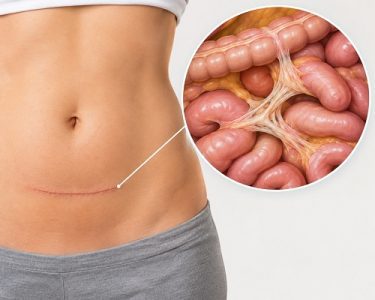
What Are Abdominal Adhesions? Abdominal adhesions are bands of fibrous scar tissue that form between tissues and organs inside the abdomen. Normally, the organs in the abdominal cavity have smooth surfaces that allow them to move freely against one another.
When the body experiences injury or inflammation, the healing process may produce scar tissue. In some cases, this scar tissue forms abnormal connections between organs or tissues. These connections are called adhesions.
For example, an adhesion may cause:
- One section of the intestine to stick to another
- The bowel to attach to the abdominal wall
- Organs to become connected by fibrous scar tissue
- Normal movement of the intestines to become restricted
- Tissues to experience pulling or tension during movement
Abdominal surgery is one of the most common causes of adhesions. However, adhesions can also develop due to infections, inflammatory conditions or abdominal trauma.
Can Abdominal Adhesions Cause Chronic Pain?
Yes, abdominal adhesions may contribute to chronic abdominal pain in some individuals. However, the relationship between adhesions and pain can be complicated.
Some people have extensive adhesions without experiencing noticeable symptoms. Others may develop persistent discomfort even when the adhesions are relatively small. The severity of pain does not always correspond directly to the amount of scar tissue present.
Adhesions may contribute to pain by:
- Restricting the natural movement of internal organs
- Creating tension between tissues
- Pulling on sensitive structures
- Causing intermittent pressure or stretching
- Altering the movement of the intestines
- Contributing to episodes of partial bowel obstruction
The pain may be constant or intermittent. Some people experience mild discomfort, while others report severe episodes that interfere with daily activities.
Because chronic abdominal pain can have many possible causes, doctors usually need to consider a wide range of conditions before concluding that adhesions may be responsible.
What Does Adhesion-Related Pain Feel Like?
Adhesion-related pain can vary significantly between individuals. There is no single pattern that confirms abdominal adhesions as the cause.
Some people describe the pain as:
- A pulling sensation
- Sharp or stabbing discomfort
- Cramping
- Pressure inside the abdomen
- Burning or aching pain
- Intermittent severe pain
- Pain that worsens with movement
- Discomfort after eating
The location of the pain may also vary. It can occur in the upper abdomen, lower abdomen or around the area of a previous surgical incision.
Some patients notice that their symptoms come and go. They may experience periods of relatively mild discomfort followed by episodes of more intense pain.
In certain cases, changes in body position, physical activity or bowel movements may influence symptoms.
Why Do Abdominal Adhesions Cause Pain?
The exact mechanisms behind adhesion-related pain are not always fully understood. Abdominal adhesions themselves may not always cause pain directly. Instead, symptoms may develop because of the effects that scar tissue has on surrounding organs and tissues.
Restricted Organ Movement
The organs inside the abdomen normally move slightly during breathing, digestion and physical activity. Adhesions can restrict this movement.
When organs are connected by scar tissue, normal motion may create pulling or tension. This may contribute to discomfort, particularly during activities that involve stretching or movement.
Tension on Sensitive Tissues
Adhesions can create tension between structures that would normally move independently. This tension may stimulate pain-sensitive nerves.
For example, an adhesion connecting a section of the intestine to the abdominal wall may create discomfort when the bowel moves during digestion.
Changes in Bowel Movement
Adhesions involving the intestines can sometimes interfere with the normal movement of food and digestive contents.
This may lead to Abdominal Adhesions symptoms such as:
- Cramping
- Bloating
- Constipation
- Abdominal distension
- Intermittent pain
In more serious cases, adhesions can contribute to partial or complete bowel obstruction.
Inflammation and Nerve Sensitivity
Chronic pain may also involve changes in how the nervous system processes pain signals. Long-lasting abdominal discomfort can sometimes lead to increased sensitivity to pain.
This means that the experience of chronic abdominal pain may involve both physical changes within the abdomen and changes in the body’s pain-processing systems.
Common Causes of Abdominal Adhesions
Abdominal adhesions can develop after several different conditions or events.
Previous Abdominal Surgery
Surgery is one of the most common causes of abdominal adhesions. Procedures involving the abdomen or pelvis can lead to internal scar formation.
Examples include:
- Appendectomy
- Caesarean section
- Bowel surgery
- Gallbladder surgery
- Gynaecological surgery
- Hernia repair
- Surgery for cancer
Even minimally invasive procedures can potentially lead to adhesions, although surgical techniques designed to reduce tissue trauma may lower the risk.
Abdominal Infection
Infections within the abdomen can trigger inflammation and tissue damage. During healing, scar tissue may form between nearby organs.
Inflammatory Conditions
Certain inflammatory conditions can increase the risk of adhesion formation.
Examples may include:
- Crohn’s disease
- Diverticulitis
- Pelvic inflammatory disease
- Endometriosis
- Peritonitis
Abdominal Trauma
Injury to the abdomen may also cause inflammation and tissue damage that contributes to scar formation.
Symptoms Associated With Chronic Abdominal Adhesions
Not everyone with adhesions develops symptoms. When symptoms occur, they can vary depending on the location and extent of the adhesions.
Possible symptoms include:
- Persistent abdominal pain
- Recurring abdominal cramps
- Bloating
- Nausea
- Constipation
- Changes in bowel habits
- Pain during movement
- Abdominal tenderness
- Intermittent episodes of severe pain
Some people may experience symptoms for years before receiving a clear explanation for their discomfort.
However, it is important to remember that these symptoms can also occur with many other digestive and medical conditions. A medical evaluation is necessary to identify possible causes.
How Are Abdominal Adhesions Diagnosed?
Diagnosing abdominal adhesions can be challenging because they are often difficult to see using standard imaging tests.
Tests such as:
- Ultrasound
- CT scans
- MRI scans
- Abdominal X-rays
may help doctors identify other possible causes of chronic abdominal pain. They can also detect complications such as bowel obstruction.
However, imaging tests do not always directly show adhesions.
In some cases, adhesions are discovered during surgery performed for another reason. A minimally invasive procedure called laparoscopy may sometimes allow doctors to directly view adhesions inside the abdomen.
Because surgery itself can lead to additional adhesion formation, doctors carefully consider whether diagnostic surgery is appropriate.
Patients can learn more about the diagnostic process in our guide on How Abdominal Adhesions Are Diagnosed.
The Challenge of Diagnosing Chronic Abdominal Pain
Chronic abdominal pain can result from many different conditions. For this reason, doctors often investigate several possible causes before determining whether adhesions may be involved.
Other conditions that may cause similar symptoms include:
- Irritable bowel syndrome
- Inflammatory bowel disease
- Peptic ulcers
- Gallbladder disease
- Kidney stones
- Endometriosis
- Food intolerances
- Hernias
- Pancreatic conditions
A thorough medical assessment may include a review of previous surgeries, medical history, symptoms and diagnostic tests.
The presence of previous abdominal surgery can sometimes provide an important clue, particularly when pain develops after the procedure.
Treatment Options for Adhesion-Related Pain
Treatment for Abdominal Adhesions and Chronic Pain depends on the severity of symptoms, the suspected cause and whether complications are present.
Pain Management
For mild or moderate symptoms, doctors may recommend approaches to manage chronic pain.
Depending on the individual situation, Abdominal Adhesions treatment may include:
- Appropriate pain medication
- Physical activity modifications
- Dietary adjustments
- Heat therapy
- Stress management techniques
- Physiotherapy
Pain management should always be guided by a qualified healthcare professional.
Managing Digestive Symptoms
If chronic abdominal pain occurs alongside digestive symptoms, doctors may recommend strategies to address issues such as constipation, bloating or irregular bowel movements.
Maintaining adequate hydration and following an appropriate diet may help some people manage digestive discomfort. However, dietary recommendations should be tailored to the individual’s symptoms and medical condition.
Physical Therapy
Some patients with chronic abdominal discomfort may benefit from specialised physiotherapy.
Techniques may focus on improving movement, reducing muscular tension and helping patients manage chronic pain.
It is important to note that external therapies cannot remove internal abdominal adhesions. Claims that massage or manipulation can completely dissolve adhesions should be treated cautiously.
Surgery for Adhesions
Surgical removal of adhesions is called adhesiolysis.
This procedure may be performed when adhesions cause serious complications, such as bowel obstruction, or when symptoms are severe and other treatment options have not provided relief.
However, surgery presents an important challenge: surgery itself can cause new adhesions to form.
For this reason, doctors usually weigh the potential benefits and risks carefully before recommending adhesiolysis for chronic pain alone.
Minimally invasive laparoscopic surgery may sometimes be used to reduce tissue trauma, depending on the location and complexity of the adhesions.
You can also explore our detailed article on Abdominal Adhesions Treatment: What Are the Options? for more information about available management approaches.
Can Abdominal Adhesions Cause Bowel Obstruction?
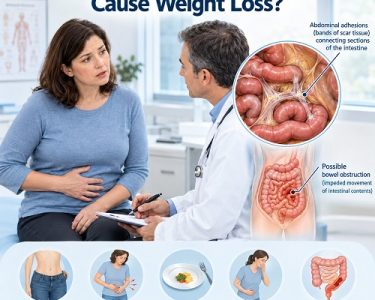
Yes. One of the most serious complications of abdominal adhesions is intestinal obstruction.
An adhesion can pull, twist or compress a section of the intestine, preventing digestive contents from moving normally.
Symptoms of bowel obstruction may include:
- Severe abdominal pain
- Persistent vomiting
- Significant abdominal swelling
- Inability to pass stool
- Inability to pass gas
- Severe cramping
A suspected bowel obstruction requires urgent medical attention.
If you would like to understand this complication in more detail, see our guide on Bowel Obstruction From Adhesions: Symptoms, Causes & Treatment.
When Should You See a Doctor?
Persistent abdominal pain should always be discussed with a healthcare professional.
Seek medical advice if you experience:
- Pain lasting for several weeks
- Recurring episodes of abdominal pain
- Pain that interferes with daily activities
- Unexplained weight loss
- Persistent nausea
- Significant changes in bowel habits
- Abdominal swelling
Seek urgent medical attention if you develop severe abdominal pain accompanied by vomiting, abdominal distension or an inability to pass stool or gas. These symptoms may indicate a bowel obstruction or another serious medical condition.
Can Abdominal Adhesions Be Prevented?
It may not always be possible to completely prevent adhesions. However, surgeons use several techniques to reduce the risk of excessive scar tissue formation.
These may include:
- Gentle tissue handling
- Minimally invasive surgical techniques
- Reducing unnecessary tissue trauma
- Controlling bleeding
- Reducing infection risk
- Using specialised adhesion barriers in selected cases
Despite these measures, adhesions can still develop.
Patients with a history of abdominal surgery should inform their healthcare providers about previous procedures, particularly if they develop unexplained chronic abdominal symptoms.
Living With Chronic Abdominal Pain
Living with chronic abdominal pain can be physically and emotionally challenging. Persistent symptoms may affect sleep, work, mobility and relationships.
Keeping a symptom diary can sometimes help identify patterns. Patients may record:
- When pain occurs
- How long it lasts
- Pain intensity
- Foods eaten before symptoms
- Physical activities
- Bowel movements
- Associated symptoms
This information may help healthcare professionals understand the pattern of chronic abdominal pain and guide further evaluation.
Support from healthcare professionals, family members and chronic pain specialists may also be valuable for people living with long-term symptoms.
Are Natural Remedies Effective for Abdominal Adhesions?
Many people search for natural methods to dissolve or remove abdominal adhesions. However, there is currently no reliable evidence that supplements, herbal products or Home Remedies for Abdominal Adhesions can dissolve established internal adhesions.
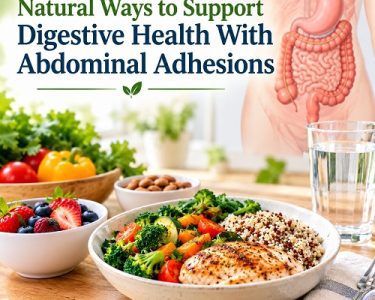
Healthy lifestyle habits may support overall digestive health and wellbeing, but they should not replace medical evaluation.
Some people may find symptom relief through general measures such as:
- Eating a balanced diet
- Staying adequately hydrated
- Managing constipation
- Gentle physical activity
- Stress reduction
- Maintaining regular sleep patterns
These approaches may help support overall health, but they do not remove existing scar tissue.
Anyone considering supplements or herbal products should discuss them with a qualified healthcare professional, especially if they take prescription medicines or have underlying medical conditions.
Final Thoughts
Abdominal Adhesions and Chronic Pain can be a complex and frustrating health issue. Internal scar tissue may restrict the movement of organs, create tension and, in some cases, contribute to persistent or recurring abdominal discomfort.
However, not all adhesions cause symptoms, and chronic abdominal pain can have many possible causes. This makes accurate diagnosis particularly important.
If you have persistent pain, especially after abdominal or pelvic surgery, speak with a qualified healthcare professional. A thorough evaluation can help rule out other conditions and identify possible complications.
For people experiencing adhesion-related pain, treatment may focus on symptom management, monitoring and, in selected cases, surgical intervention. Understanding the condition and recognising warning signs can help patients make informed decisions about their health.
Persistent or severe abdominal pain should never be ignored, particularly when it is accompanied by vomiting, significant bloating or changes in bowel function. Prompt medical attention can help identify serious complications and ensure appropriate treatment.