
 By
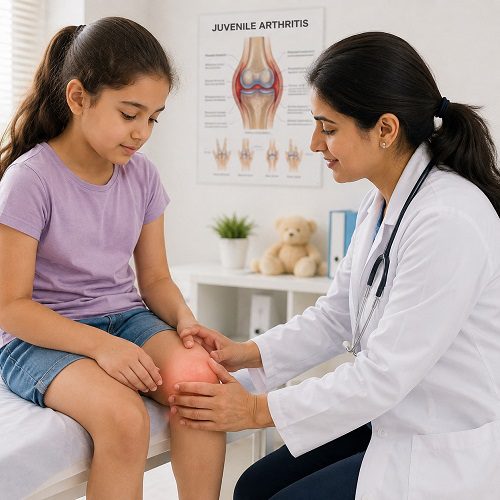
By Juvenile Arthritis is a group of inflammatory conditions that can affect children and teenagers. Unlike occasional joint pain caused by an injury or overuse, Juvenile Arthritis involves inflammation that may persist for weeks or longer. It can affect one or several joints and, depending on the type, may also involve the eyes, skin, or other parts of the body.
The term juvenile idiopathic arthritis (JIA) is commonly used for several forms of arthritis that begin before the age of 16 and have no single known cause. Symptoms can vary considerably from one child to another. Some children may experience swelling and stiffness in only a few joints, while others may have more widespread symptoms.
Early recognition is important because ongoing inflammation can interfere with movement, physical development, school activities, sports, and overall quality of life. Fortunately, appropriate medical care can help many children manage symptoms and remain active.
What is Juvenile Arthritis?
Juvenile Arthritis refers to arthritis that develops during childhood. The most common form is juvenile idiopathic arthritis (JIA), an autoimmune or autoinflammatory condition in which the body’s immune system becomes involved in an abnormal inflammatory response.
Inflammation may cause joints to become painful, swollen, warm, or stiff. Morning stiffness is particularly common. Some children may not describe their symptoms as pain; instead, parents may notice that a child is walking differently, avoiding certain activities, moving more slowly, or having difficulty using their hands.
Juvenile Arthritis is not simply a smaller version of adult arthritis. Children are still growing, so persistent inflammation can sometimes affect growth, physical development, and joint function. This is one reason professional evaluation is important when symptoms continue.
Common Signs of Juvenile Arthritis
Symptoms of arthritis in kids can be subtle, particularly in younger children who may have difficulty explaining how they feel.
Common signs include:
- Joint pain or tenderness
- Swelling around one or more joints
- Joint stiffness, especially after waking
- Reduced range of motion
- Limping or difficulty walking
- Avoiding physical activities
- Difficulty climbing stairs or running
- Trouble gripping objects or using the hands
- Fatigue
- Occasional fever
- Skin rashes in certain forms of JIA
- Eye inflammation in some children
Morning stiffness is an important symptom to watch for. A child may appear stiff after getting out of bed but gradually move more comfortably as the day continues.
Parents should also pay attention to behavioral changes. A child who previously enjoyed sports, playing outside, or other activities may begin avoiding them because movement is uncomfortable.
What Causes Juvenile Arthritis?
There is no single cause of juvenile idiopathic arthritis. Researchers believe that genetics, immune-system activity, and environmental factors may all play a role.
In autoimmune forms of arthritis, the immune system mistakenly contributes to inflammation in healthy tissues. However, having a family history of autoimmune disease does not necessarily mean a child will develop Juvenile Arthritis.
Several factors may influence susceptibility, but the exact reason one child develops JIA while another does not remains unclear.
Juvenile Arthritis is not contagious. A child cannot develop it by being around another child who has arthritis.
Types of Juvenile Idiopathic Arthritis
Juvenile idiopathic arthritis includes several forms with different patterns of symptoms.
Oligoarticular JIA
Oligoarticular JIA affects a smaller number of joints, particularly during the early stages. The knees and ankles are commonly involved.
Some children with this form may also develop inflammation inside the eye called uveitis. Eye inflammation may occur without obvious pain or redness, which is why children diagnosed with certain forms of JIA may need regular eye examinations.
Polyarticular JIA
Polyarticular JIA affects multiple joints. It may involve the hands, wrists, knees, ankles, or other joints.
Children may experience swelling, stiffness, and difficulty with everyday activities. Symptoms can occur on both sides of the body.
Systemic JIA
Systemic JIA can involve the entire body rather than only the joints. Children may experience episodes of fever, rash, fatigue, and joint inflammation.
Because symptoms can resemble other childhood illnesses, medical evaluation is essential.
Enthesitis-Related Arthritis
This form involves inflammation where tendons or ligaments attach to bones. It may affect the legs, hips, feet, or lower back and is more commonly seen in older children and adolescents.
Juvenile Psoriatic Arthritis
Some children develop arthritis alongside psoriasis or a family history of psoriasis. Joint symptoms can occur before or after skin symptoms become noticeable.
Undifferentiated Arthritis
Sometimes a child’s symptoms do not fit neatly into one specific category. Doctors may describe this as undifferentiated arthritis.
How Is Juvenile Arthritis Diagnosed?
There is no single test that confirms every case of Juvenile Arthritis. Diagnosis usually involves a combination of medical history, physical examination, laboratory testing, and sometimes imaging.
A doctor may ask about:
- When symptoms started
- Which joints are affected
- Whether stiffness is worse in the morning
- Previous illnesses or injuries
- Family medical history
- Fever, rash, or eye symptoms
- Changes in physical activity
Blood tests may be used to look for signs of inflammation or certain antibodies. However, blood tests alone cannot diagnose or rule out every form of JIA.
Imaging such as ultrasound or MRI may help doctors examine inflammation and joint structures when necessary.
Because several childhood conditions can cause joint pain, a pediatrician may refer a child to a pediatric rheumatologist for further evaluation.
Juvenile Arthritis Treatment
Treatment for Juvenile Arthritis depends on the child’s age, symptoms, affected joints, disease type, and overall health.
The main goals are to control inflammation, reduce symptoms, protect joint function, support normal growth, and help the child participate in everyday activities.
Treatment may include:
Medications
Doctors may recommend medicines to reduce pain and inflammation. Depending on the condition, treatment may also include disease-modifying antirheumatic drugs or biologic medicines.
Medication choices should always be made by a qualified healthcare professional. Children should not be given adult arthritis medications or Supplements for Arthritis without appropriate medical guidance.
Physical Therapy
Physical therapy can help maintain flexibility, strength, balance, and joint movement.
A physical therapist can develop age-appropriate exercises for Arthritis that encourage movement without unnecessarily stressing inflamed joints.
Occupational Therapy
Occupational therapy can help children manage everyday activities such as writing, dressing, using school supplies, and participating in hobbies.
Regular Eye Examinations
Some forms of Juvenile Arthritis increase the risk of eye inflammation. Children may therefore need regular eye examinations even when they have no noticeable eye symptoms.
Healthy Lifestyle Habits
A balanced diet, adequate sleep, age-appropriate physical activity, and emotional support can complement medical treatment.
Lifestyle habits do not replace prescribed treatment, but they can contribute to overall well-being.
Exercise and Physical Activity
Parents may worry that exercise could make Juvenile Arthritis worse. In many cases, appropriate physical activity is an important part of maintaining joint function.
Low-impact activities such as swimming, walking for Arthritis, cycling, stretching, and carefully selected strengthening exercises may be suitable for some children.
However, exercise plans should be individualized. A child experiencing significant joint inflammation or pain may need temporary modifications.
The goal is generally to keep the child moving safely rather than encouraging prolonged inactivity.
Nutrition and Juvenile Arthritis
There is no specific diet proven to cure Juvenile Arthritis. Nevertheless, balanced nutrition is important for children because their bodies are still developing.
A healthy eating pattern can include:
- Fruits and vegetables
- Whole grains
- Beans and other nutritious plant foods
- Lean sources of protein
- Fish where appropriate
- Healthy fats
- Adequate calcium and vitamin D
Parents should be cautious about restrictive Diet for Arthritis or herbal products marketed as cures for childhood arthritis. Children have different nutritional requirements from adults, and unnecessary dietary restrictions may interfere with healthy growth.
Before giving a child supplements, discuss them with a pediatrician or other qualified healthcare professional.
Juvenile Arthritis and School
Juvenile Arthritis can sometimes affect school attendance and participation.
Morning stiffness may make it difficult for a child to arrive at school on time. Hand or wrist symptoms may make writing uncomfortable, while fatigue may affect concentration.
Parents can work with healthcare providers and school staff to identify practical accommodations. Depending on the child’s needs, these might include additional time for written assignments, modified physical education activities, rest breaks, or ergonomic school equipment.
Open communication can help teachers understand that arthritis is a medical condition and that symptoms may vary from day to day.
Emotional Impact of Childhood Arthritis
Living with a chronic condition can be emotionally challenging for a child. Children may feel different from their classmates, frustrated by physical limitations, or worried about missing activities.
Parents can support emotional well-being by:
- Listening to concerns without dismissing them
- Encouraging age-appropriate independence
- Supporting friendships and social activities
- Helping children stay involved in hobbies
- Working with healthcare professionals when emotional difficulties become significant
Children should be encouraged to understand that having Juvenile Arthritis does not define who they are or prevent them from having meaningful goals.
When Should Parents See a Doctor?
Parents should arrange a medical evaluation when a child has persistent joint swelling, stiffness, pain, limping, unexplained Arthritis Cause Fatigue, or difficulty using a joint.
Particular attention is warranted when symptoms last for several weeks or repeatedly return without an obvious injury.
A child with a fever accompanied by significant illness, severe pain, a rapidly swollen joint, inability to bear weight, or other concerning symptoms should receive prompt medical attention.
Early evaluation can help distinguish Juvenile Arthritis from injuries, infections, temporary Inflammation in Arthritis, or other medical conditions.
Living Well With Juvenile Arthritis
Although Juvenile Arthritis can be challenging, many children can continue participating in school, friendships, family activities, and age-appropriate physical activities with appropriate management.
Parents can help by keeping medical appointments, following treatment plans, encouraging healthy movement, and communicating with healthcare and school teams.
It may also be useful to keep a symptom diary. Recording joint symptoms, stiffness, fatigue, fever, medication effects, and activity levels can help healthcare providers understand patterns over time.
Children should also be encouraged to participate in their care as they become older. Learning about their condition and understanding their treatment can help them gradually develop confidence and independence.
Herbal Remedies for Arthritis Support
Herbal Remedies for Arthritis Support are increasingly discussed as complementary approaches for people looking to manage occasional joint discomfort and support overall joint health. Certain herbs contain naturally occurring compounds that may have antioxidant or anti-inflammatory properties. However, herbal products should complement—not replace—professional medical care, especially for diagnosed arthritis.
Turmeric is one of the most commonly studied herbs for joint support. Its active compound, curcumin, has been researched for its potential role in supporting a healthy inflammatory response. Ginger is another traditional herb that may provide antioxidant support and help promote comfortable joint movement.
Other botanicals, including boswellia, have also been investigated for their potential benefits for joint comfort. These ingredients are sometimes included in a Joint Support Herbal Supplement for Arthritis. Product quality and ingredient concentrations can vary, so consumers should choose reputable products and carefully follow label instructions.
People searching for Natural Remedies for Arthritis Symptoms should also focus on healthy habits, including regular low-impact exercise, maintaining a healthy weight, adequate sleep, and a balanced diet.
Before using herbal remedies, consult a healthcare professional, particularly if you take prescription medicines, have an existing medical condition, are pregnant, or are considering supplements for a child. Herbal remedies may cause side effects or interact with medications.
Conclusion
Juvenile Arthritis is a group of childhood inflammatory conditions that can affect joints and, in some cases, other parts of the body. Juvenile idiopathic arthritis is the most common form and can present differently from one child to another.
Recognizing symptoms such as persistent joint swelling, morning stiffness, limping, reduced movement, fatigue, and unexplained fever can help parents seek appropriate medical evaluation.
Treatment may involve medications, Physical Therapy for Arthritis, occupational therapy, eye monitoring, exercise, and healthy lifestyle habits. With appropriate care and ongoing monitoring, many children with Juvenile Arthritis can remain active and enjoy a fulfilling childhood.
If you suspect arthritis in kids, do not rely on home remedies or self-diagnosis. A pediatrician or pediatric rheumatologist can determine the cause of symptoms and recommend an appropriate treatment plan.
Medical Disclaimer
This article is intended for general educational and informational purposes only and should not be considered medical advice, diagnosis, or treatment. Juvenile Arthritis can have different causes and patterns, and symptoms such as joint pain, swelling, stiffness, fever, or fatigue may occur with other childhood conditions. Parents and caregivers should consult a qualified pediatrician, pediatric rheumatologist, or other healthcare professional for an appropriate evaluation and individualized treatment plan. Do not start, stop, or change any medication, supplement, diet, or exercise program for a child without professional medical guidance. Information about lifestyle measures, nutrition, exercise, or complementary approaches should not be interpreted as a cure for Juvenile Arthritis or a replacement for prescribed treatment. If a child develops severe symptoms, significant swelling, inability to walk or use a joint, or appears seriously unwell, seek prompt medical care.