 By
Atrial fibrillation (AFib) is a common heart rhythm disorder that can affect how effectively the heart pumps blood around the body. People living with this condition may experience an irregular heartbeat, palpitations, fatigue, dizziness and shortness of breath. However, one important concern is whether atrial fibrillation can lead to heart failure.
The relationship between atrial fibrillation and heart failure is significant because these two cardiovascular conditions can influence each other. An irregular or excessively fast heartbeat may weaken the heart muscle over time, making it harder for the heart to pump enough blood to meet the body’s needs. Similarly, people who already have heart failure are more likely to develop atrial fibrillation.
Although not everyone with AFib develops heart failure, understanding the connection can help people recognise warning signs, seek appropriate medical attention and manage their cardiovascular health. Early diagnosis and suitable treatment may reduce complications and improve quality of life.
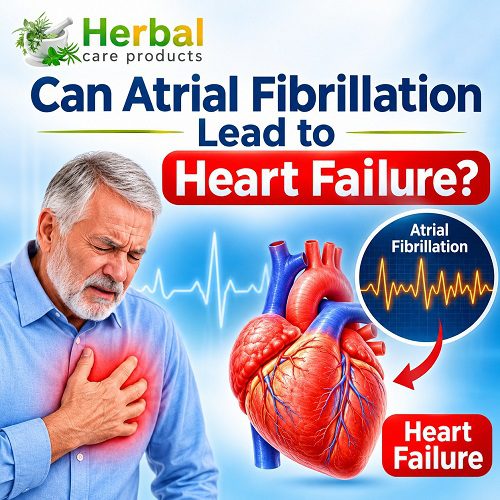
Can Atrial Fibrillation Lead to Heart Failure?
Yes, atrial fibrillation can lead to heart failure, particularly when the condition remains uncontrolled for an extended period. During AFib, the upper chambers of the heart, known as the atria, beat irregularly and may contract too quickly. This disrupts the normal coordination between the upper and lower chambers.
When the heart beats too rapidly, the ventricles may not have enough time to fill properly with blood between contractions. As a result, the amount of blood pumped around the body may decrease. Over time, persistent rapid heart rates can place additional stress on the heart muscle and affect its pumping ability.
In some people, prolonged atrial fibrillation contributes to a condition called arrhythmia-induced cardiomyopathy. This occurs when an ongoing abnormal heart rhythm weakens the heart muscle and reduces its ability to pump blood efficiently.
The good news is that heart function may improve when the underlying rhythm problem is treated successfully. However, recovery depends on the severity of the condition, the duration of the abnormal rhythm and whether other heart problems are present.
According to the American Heart Association, AFib can contribute to heart failure because an excessively fast or irregular heartbeat interferes with the heart’s ability to fill and pump blood effectively.
Understanding the Connection Between Atrial Fibrillation and Heart Failure
To understand the relationship between these conditions, it is important to know how a healthy heart normally works.
The heart has four chambers: two upper chambers called the atria and two lower chambers called the ventricles. In a normal heartbeat, electrical signals coordinate the contractions of these chambers, allowing blood to move efficiently through the heart and into the circulation.
During atrial fibrillation, electrical signals become disorganised. Instead of contracting normally, the atria quiver or beat irregularly. This affects the timing and efficiency of the heartbeat.
Several changes can occur as a result:
- Reduced filling time: When the heart beats too quickly, the ventricles have less time to fill with blood.
- Reduced pumping efficiency: The loss of coordinated atrial contraction can reduce the amount of blood entering the ventricles.
- Increased cardiac workload: The heart may need to work harder to maintain adequate circulation.
- Changes in heart muscle: Persistent abnormal rhythms can contribute to structural and functional changes that weaken the heart.
These effects may gradually affect heart function, especially in people with existing cardiovascular disease, high blood pressure or other medical conditions.
Heart failure can develop when the heart cannot pump enough blood to meet the body’s needs or cannot fill properly. This explains why the relationship between atrial fibrillation and heart failure requires careful medical attention.
How Does AFib Weaken the Heart Muscle?
One of the most important mechanisms connecting AFib with heart failure is tachycardia-induced cardiomyopathy.
This condition develops when the heart beats excessively fast for a prolonged period. Continuous rapid electrical activity places extra demands on the heart muscle, potentially affecting its strength and pumping performance.
People with persistent AFib may not always realise how fast their heart is beating, particularly when symptoms are mild or intermittent.
Over time, several changes may occur:
- Increased heart workload: A persistently elevated heart rate forces the heart to work harder than normal.
- Reduced ventricular filling: The ventricles have less time to receive blood between contractions.
- Changes in heart muscle structure: Prolonged abnormal activity can contribute to changes in the heart muscle.
- Reduced pumping capacity: The left ventricle may become weaker, reducing the amount of blood delivered to the body.
- Development of heart failure: If the problem continues, the heart may struggle to maintain adequate circulation.
This condition is particularly important because it may be partially or completely reversible when the abnormal heart rhythm is controlled.
The 2023 ACC/AHA/ACCP/HRS atrial fibrillation guideline recommends considering arrhythmia-induced cardiomyopathy in people who develop a new diagnosis of reduced-ejection-fraction heart failure alongside AFib.
Can Heart Failure Also Cause Atrial Fibrillation?
Yes. The relationship works in both directions. While AFib can contribute to heart failure, existing heart failure can also increase the likelihood of developing atrial fibrillation.
When the heart becomes weaker or struggles to fill properly, pressure can increase inside its chambers. This may cause the atria to stretch and enlarge.
Over time, these changes can affect the heart’s electrical system and make irregular rhythms more likely.
Several factors explain this connection:
- Increased pressure: Higher pressure inside the heart can place stress on the atria.
- Atrial enlargement: Structural changes may interfere with normal electrical signalling.
- Fluid retention: Fluid accumulation associated with heart failure can increase pressure within the cardiovascular system.
- Heart muscle changes: Fibrosis and other structural changes can increase susceptibility to abnormal rhythms.
As a result, some people develop both conditions, creating a cycle in which each problem can make the other more difficult to manage.
This is why doctors often assess and treat both conditions together rather than focusing on only one.
Common Symptoms of Atrial Fibrillation and Heart Failure
Atrial fibrillation and heart failure share several symptoms. Some people experience noticeable changes, while others may have relatively mild symptoms during the early stages.
Recognising these warning signs can help people seek medical assessment before complications become more serious.
1. Shortness of Breath
Shortness of breath is a common symptom of heart failure. It may occur during physical activity, while climbing stairs or even when resting in more advanced cases.
When the heart cannot pump blood effectively, pressure may increase in the blood vessels surrounding the lungs. Fluid can accumulate in lung tissue, making breathing difficult.
2. Persistent Fatigue
People with AFib or heart failure may experience unusual tiredness, weakness and reduced physical endurance.
When the heart does not pump enough oxygen-rich blood to the body’s tissues, everyday activities can become more difficult.
3. Rapid or Irregular Heartbeat
A fluttering sensation, racing heartbeat or feeling that the heart is skipping beats may indicate atrial fibrillation.
Some people experience these sensations occasionally, while others have persistent irregular heart rhythms.
4. Swelling in the Legs and Ankles
Fluid retention is another possible sign of heart failure.
When circulation becomes less efficient, fluid may accumulate in the lower parts of the body, particularly around the ankles, feet and legs.
5. Dizziness or Light-headedness
An irregular heartbeat may reduce the amount of blood reaching the brain, causing dizziness or light-headedness.
Severe dizziness or fainting requires urgent medical assessment.
6. Difficulty Sleeping
Some people with heart failure experience breathing difficulties when lying flat. They may need extra pillows to sleep comfortably or wake during the night feeling breathless.
These Atrial Fibrillation symptoms do not automatically mean that someone has both conditions. A healthcare professional must evaluate the symptoms and perform appropriate tests to identify the underlying cause.
Atrial Fibrillation Complications That May Affect Heart Function
Atrial fibrillation complications extend beyond an irregular heartbeat. Without appropriate management, AFib can contribute to several cardiovascular problems.
- Heart failure: Persistent rapid or irregular heart activity can weaken the heart muscle and reduce its pumping ability.
- Stroke: Blood may collect in the atria during AFib, increasing the risk of clot formation. If a clot travels to the brain, it can block blood flow and cause a stroke.
- Cardiomyopathy: Long-term abnormal heart rhythms may contribute to changes in the heart muscle, affecting its strength and efficiency.
- Reduced exercise tolerance: Poor circulation and irregular heart activity may make physical activities more difficult.
- Hospitalisation: People with AFib and heart failure may require hospital treatment when symptoms become severe or their cardiovascular condition deteriorates.
Managing AFib appropriately can help reduce the risk of certain complications. Stroke prevention is particularly important because the risk varies according to individual health factors.
What Types of Heart Failure Are Associated with AFib?
Atrial fibrillation can be associated with different types of heart failure. Understanding these types helps explain how an irregular heartbeat can affect heart function.
Heart Failure with Reduced Ejection Fraction (HFrEF)
Heart failure with reduced ejection fraction occurs when the heart’s left ventricle becomes too weak to pump blood effectively.
The ejection fraction measures the percentage of blood pumped out of the left ventricle with each contraction. An ejection fraction of 40% or less is generally classified as reduced.
Persistent AFib may contribute to this condition by causing prolonged rapid heart rates and weakening the heart muscle.
Heart Failure with Preserved Ejection Fraction (HFpEF)
Heart failure with preserved ejection fraction occurs when the heart muscle becomes stiff or less flexible. Although the heart can pump out a relatively normal percentage of blood, it cannot relax and fill properly.
People with AFib may experience worsening symptoms because the loss of coordinated atrial contraction can make ventricular filling more difficult.
Both types require appropriate medical assessment and treatment. The choice of treatment depends on the underlying cause, symptoms, heart function and other health conditions.
Who Is at Greater Risk of Developing Heart Failure from AFib?
Not everyone with atrial fibrillation develops heart failure. However, certain health conditions and lifestyle factors can increase the likelihood of complications.
Some important risk factors include:
- Uncontrolled high blood pressure: Persistent hypertension places additional pressure on the heart and can contribute to structural changes.
- Coronary artery disease: Reduced blood supply to the heart muscle can weaken its pumping ability.
- Diabetes: Poorly controlled blood sugar can increase the risk of cardiovascular disease.
- Obesity: Excess body weight increases the workload on the heart and is associated with a greater risk of AFib.
- Sleep apnoea: Interrupted breathing during sleep can contribute to abnormal heart rhythms and cardiovascular problems.
- Existing heart disease: People with previous heart attacks, valve disorders or cardiomyopathy may have a higher risk.
- Persistent rapid heart rate: An excessively fast heartbeat over an extended period can weaken the heart muscle.
Age is also an important factor because both atrial fibrillation and heart failure become more common as people get older.
Managing these risk factors can support better cardiovascular health and may reduce the likelihood of further complications.
How Do Doctors Diagnose Heart Failure in People with AFib?
Doctors use several examinations and diagnostic tests to determine whether atrial fibrillation has affected heart function.
The Atrial Fibrillation diagnostic process usually begins with a review of medical history, symptoms, medications and existing cardiovascular conditions.
The following tests may be recommended.
1. Electrocardiogram (ECG)
An electrocardiogram records the electrical activity of the heart.
It helps identify irregular heart rhythms, including atrial fibrillation, and provides information about the heart’s electrical conduction.
2. Echocardiogram
An echocardiogram uses ultrasound waves to create images of the heart.
It allows doctors to assess:
- The size and structure of the heart chambers.
- The strength of the heart’s pumping action.
- The ejection fraction.
- Heart valve function.
- Possible abnormalities affecting blood flow.
This is one of the most important tests for evaluating heart function in someone with AFib.
3. Blood Tests
Blood tests may help identify conditions that contribute to abnormal heart rhythms or heart failure.
Doctors may check kidney function, thyroid hormone levels, electrolytes and other relevant markers.
A blood test called BNP or NT-proBNP may also help assess whether heart failure is present.
4. Holter Monitoring
A Holter monitor records heart rhythm continuously, usually for 24–48 hours or longer, depending on the device.
It can help identify episodes of Atrial Fibrillation, measure heart rate patterns and determine how frequently irregular rhythms occur.
5. Chest X-ray
A chest X-ray may help identify an enlarged heart or fluid accumulation in the lungs.
It can provide additional information when doctors investigate possible heart failure.
The results of these tests help healthcare professionals determine whether AFib is affecting heart function and develop an appropriate treatment plan.
Treatment Options for Atrial Fibrillation and Heart Failure
Treatment usually focuses on controlling the abnormal heart rhythm, improving circulation, reducing symptoms and preventing further cardiovascular damage.
The approach depends on whether the patient has heart failure, the severity of symptoms, the type of AFib and other medical conditions.
1. Heart Rate Control
Rate-control treatment aims to slow down the heartbeat so the ventricles have more time to fill with blood.
Doctors may prescribe medicines such as beta blockers or other suitable medications.
Examples include:
- Bisoprolol.
- Metoprolol.
- Digoxin.
The choice of medication depends on heart function and individual medical circumstances. Some medicines that are suitable for certain AFib patients may not be appropriate for people with reduced heart pumping function.
Patients should never start, stop or change heart medication without medical advice.
2. Rhythm Control
Rhythm-control treatment aims to restore or maintain a normal heart rhythm.
Doctors may recommend antiarrhythmic medicines or procedures to reduce the frequency and duration of AFib episodes.
Maintaining a normal heart rhythm may improve symptoms and, in selected patients, help prevent further deterioration in heart function.
3. Electrical Cardioversion
Electrical cardioversion is a procedure that uses a controlled electrical shock to restore a normal heart rhythm.
It is performed in a medical setting under appropriate sedation or anaesthesia.
Before cardioversion, doctors assess the risk of blood clots and stroke. Blood-thinning treatment or imaging may be required, depending on the circumstances.
4. Catheter Ablation
Catheter ablation is a procedure that targets areas of heart tissue responsible for abnormal electrical signals.
Doctors insert thin catheters through blood vessels and guide them towards the heart. Energy is then used to create small areas of scar tissue that prevent abnormal electrical signals from triggering AFib.
Catheter ablation may be particularly beneficial for selected patients who have both AFib and heart failure.
The 2023 ACC/AHA/ACCP/HRS guideline recommends catheter ablation for appropriate patients with AFib and heart failure with reduced ejection fraction because it can improve symptoms, quality of life, ventricular function and cardiovascular outcomes.
5. Heart Failure Medications
People with AFib and heart failure may need medicines specifically designed to support heart function.
Depending on the type of heart failure, treatment may include:
- ACE inhibitors or angiotensin receptor blockers.
- Angiotensin receptor-neprilysin inhibitors (ARNIs).
- Beta blockers appropriate for heart failure.
- Mineralocorticoid receptor antagonists.
- SGLT2 inhibitors.
- Diuretics to reduce excess fluid.
Not every medicine is appropriate for every patient. Treatment should be selected according to heart function, kidney health, blood pressure and other clinical factors.
6. Blood-Thinning Medication
People with atrial fibrillation may require anticoagulant medication to reduce the risk of blood clots and stroke.
Examples include apixaban, rivaroxaban, dabigatran and warfarin.
The decision to prescribe anticoagulants depends on an individual’s stroke risk, bleeding risk and other medical factors.
It is important to understand that blood thinners help prevent stroke but do not directly treat heart failure or restore a normal heart rhythm.
Natural Treatment for Atrial Fibrillation
Natural Remedies for Atrial Fibrillation may help support heart health and improve overall well-being when combined with appropriate medical treatment. Atrial fibrillation (AFib) is an irregular heart rhythm that can increase the risk of blood clots, stroke and heart failure. Although natural approaches cannot cure AFib, certain lifestyle changes may help manage symptoms and support normal heart function.
A heart-healthy diet containing fresh fruits, vegetables, whole grains, nuts and omega-3-rich foods can support cardiovascular health. Regular, moderate exercise, such as walking, may also improve circulation and overall fitness. Managing stress through meditation, deep breathing and adequate sleep can help reduce potential AFib triggers. Limiting caffeine if it triggers symptoms, avoiding alcohol and quitting smoking are other helpful steps. Maintaining a healthy weight and controlling blood pressure are equally important.
Some people explore herbal supplements as natural options, but these may interact with heart medications or blood thinners. Always consult a qualified healthcare professional before using supplements or changing your treatment plan. Natural Remedies for Atrial Fibrillation should complement, not replace, prescribed medication, medical monitoring or procedures recommended by your cardiologist.
Can Heart Function Improve After Treating Atrial Fibrillation?
Yes. In some people, heart function can improve significantly after atrial fibrillation is properly controlled.
When persistent rapid heart rates contribute to cardiomyopathy, controlling the abnormal rhythm may allow the heart muscle to recover.
For example, a person whose heart function has declined because of prolonged AFib may experience improvements after successful rhythm control or catheter ablation.
However, recovery is not guaranteed. It depends on several factors, including:
- How long the person has experienced AFib.
- Whether the heart muscle has sustained permanent damage.
- The presence of coronary artery disease or other cardiovascular conditions.
- How effectively the heart rate or rhythm is controlled.
- Whether appropriate heart failure treatment is followed.
Regular medical monitoring is important because AFib can return even after treatment.
Lifestyle Changes to Support Heart Health
Lifestyle changes can support cardiovascular health and complement medical treatment. They cannot replace prescribed AFib or heart failure medication, but they may help reduce certain risk factors.
Maintain a Healthy Body Weight
Excess body weight can increase the risk of atrial fibrillation and place additional demands on the heart.
A balanced diet and an appropriate weight-management plan may support better cardiovascular health.
Follow a Heart-Healthy Diet
Choose a balanced eating pattern that includes:
- Fresh vegetables and fruits.
- Whole grains.
- Fish and other suitable protein sources.
- Nuts and seeds.
- Healthy fats.
- Appropriate amounts of dietary fibre.
People with heart failure may need to limit sodium intake to help manage fluid retention. Fluid restrictions should only be followed when recommended by a healthcare professional.
Exercise Regularly
Suitable physical activity can improve general cardiovascular fitness and support healthy weight management.
However, people with AFib and heart failure should discuss exercise intensity with their healthcare provider before beginning a new programme.
Limit Alcohol and Avoid Smoking
Alcohol may trigger AFib episodes in some people. Reducing or avoiding alcohol can be beneficial.
Smoking damages blood vessels and increases cardiovascular risk. Quitting smoking is an important step towards better heart health.
Manage Blood Pressure and Diabetes
High blood pressure and diabetes can contribute to heart damage and increase the risk of cardiovascular complications.
Regular monitoring and following prescribed treatment plans can help control these conditions.
Prioritise Quality Sleep
Poor sleep and untreated sleep apnoea may contribute to cardiovascular problems.
People who snore heavily, experience interrupted breathing during sleep or feel excessively tired during the day should discuss possible sleep apnoea with their healthcare provider.
The European Society of Cardiology’s 2024 AFib guidelines emphasise managing associated medical conditions and lifestyle risk factors as an essential part of comprehensive AFib care.
When Should You Seek Medical Attention?
People with atrial fibrillation should contact their healthcare provider if they experience worsening fatigue, increasing shortness of breath, persistent palpitations or new swelling in their legs and ankles.
These symptoms may indicate changes in heart function or worsening heart failure.
Medical emergency
Seek emergency medical assistance if you experience:
- Severe or sudden difficulty breathing.
- Chest pain or pressure.
- Fainting or loss of consciousness.
- Sudden weakness or numbness on one side of the body.
- Sudden difficulty speaking or understanding speech.
- Sudden vision loss or severe unexplained dizziness.
These symptoms may indicate a serious cardiovascular emergency, including a heart attack or stroke. Do not wait for symptoms to disappear before seeking help.
Frequently Asked Questions (FAQs)
1. Can atrial fibrillation lead to heart failure?
Yes. Atrial fibrillation can contribute to heart failure, particularly when the heart beats too rapidly for a prolonged period. An irregular heartbeat can reduce the heart’s pumping efficiency and weaken the heart muscle over time.
2. How does atrial fibrillation affect heart function?
Atrial fibrillation disrupts the normal electrical signals that control the heartbeat. The upper chambers quiver instead of contracting effectively, which can reduce blood flow into the lower chambers and affect the heart’s ability to pump blood efficiently.
3. Can heart failure cause atrial fibrillation?
Yes. Heart failure can increase pressure inside the heart and cause the upper chambers to stretch or enlarge. These structural changes can interfere with electrical signals and increase the likelihood of developing atrial fibrillation.
4. What are the warning signs of heart failure in people with AFib?
Common warning signs include shortness of breath, persistent fatigue, swelling in the legs and ankles, rapid heartbeat, dizziness and difficulty sleeping while lying flat. New or worsening symptoms should be assessed by a healthcare professional.
5. Can atrial fibrillation weaken the heart muscle?
Yes. Persistent rapid heart rates associated with AFib can contribute to a condition called tachycardia-induced cardiomyopathy. This condition weakens the heart muscle and reduces its pumping ability. Heart function may improve when the abnormal rhythm is successfully treated.
6. Can heart function improve after treating atrial fibrillation?
Yes. Some people experience significant improvements in heart function after effective Atrial Fibrillation treatment. Controlling the heart rate or restoring a normal rhythm can allow the heart muscle to recover, particularly when the damage is related to prolonged rapid heartbeats.
7. What is the difference between atrial fibrillation and heart failure?
Atrial fibrillation is an abnormal heart rhythm in which the upper chambers beat irregularly. Heart failure occurs when the heart cannot pump blood effectively or fill properly. Although they are different conditions, they can occur together and influence each other.
8. What treatments help people with both AFib and heart failure?
Treatment may include heart rate-control medicines, rhythm-control medication, catheter ablation, electrical cardioversion and heart failure medications. Anticoagulants may also be prescribed to reduce stroke risk. Treatment depends on the patient’s individual condition.
9. Can lifestyle changes reduce the risk of AFib-related heart failure?
Healthy lifestyle habits may help reduce cardiovascular risk. Maintaining a healthy weight, exercising appropriately, limiting alcohol, avoiding smoking, controlling blood pressure and managing diabetes can support better heart health. Lifestyle changes should complement, not replace, medical treatment.
10. When should someone with atrial fibrillation seek medical attention?
People with AFib should seek medical advice if they develop worsening breathlessness, unusual fatigue, persistent palpitations or swelling in their legs. Severe chest pain, sudden difficulty breathing, fainting or stroke symptoms require immediate emergency medical attention.
Final Thoughts
Atrial fibrillation can lead to heart failure in some people, particularly when an excessively fast or irregular heartbeat remains uncontrolled over time. It can interfere with normal heart filling, increase the heart’s workload and potentially weaken the heart muscle.
However, the relationship between atrial fibrillation and heart failure works in both directions. Existing heart failure can also increase the risk of developing AFib, making early diagnosis and comprehensive treatment important.
Appropriate medications, heart rhythm management, catheter ablation in selected patients and healthy lifestyle changes may help protect heart function and reduce complications.
If you have AFib, regular cardiovascular check-ups and monitoring are important, even when symptoms appear mild. Early medical intervention can make a meaningful difference in managing the condition and supporting long-term heart health.
Medical Disclaimer
This article is intended for educational and informational purposes only. It does not replace professional medical advice, diagnosis or treatment. Atrial fibrillation and heart failure are serious cardiovascular conditions that require appropriate medical evaluation and management. Always consult a qualified healthcare professional regarding symptoms, medications, diagnostic tests and treatment options. Never stop or change prescribed heart medication without consulting your doctor. Seek emergency medical attention for chest pain, severe breathing difficulties, fainting or possible stroke symptoms.
Medical References
The following reputable medical sources support the medical information discussed in this article.
- American College of Cardiology (ACC), American Heart Association (AHA), and Heart Rhythm Society (HRS). (2023). 2023 Guideline for the Diagnosis and Management of Atrial Fibrillation.
Read the clinical guideline. - European Society of Cardiology (ESC). (2024). 2024 ESC Guidelines for the Management of Atrial Fibrillation.
Read ESC guidelines. - American Heart Association (AHA). Why Atrial Fibrillation Matters.
Read about AFib complications and heart failure. - American College of Cardiology (ACC). Management of Patients With AF and HFrEF: Key Points.
Read the clinical overview. - American Heart Association, American College of Cardiology and Heart Failure Society of America. (2022). Guideline for the Management of Heart Failure.
Read heart failure guidelines.