 By
By Seborrheic keratosis is one of the most common non-cancerous skin growths seen in adults. These harmless lesions often appear as waxy, rough, or slightly raised patches that range in color from light tan to dark brown or black. Although they can resemble skin cancer, seborrheic keratoses are benign and usually do not require treatment unless they become irritated or affect appearance.
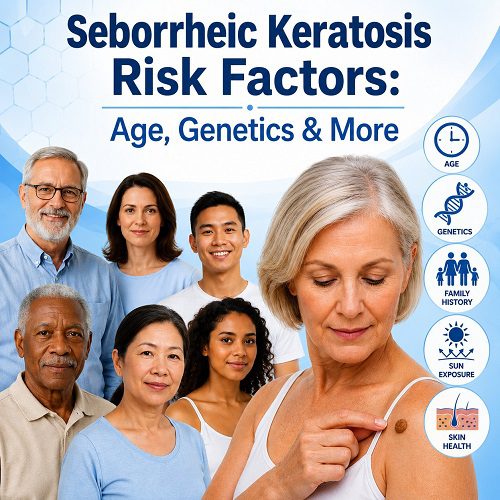
Understanding seborrheic keratosis risk factors can help people recognize why these growths develop and who is most likely to experience them. While researchers do not know the exact cause, several factors—including aging, genetics, sun exposure, and skin type—appear to increase the likelihood of developing seborrheic keratosis.
What is Seborrheic Keratosis?
What is Seborrheic Keratosis? Seborrheic keratosis is a benign skin growth that develops from the outer layer of the skin (epidermis). These growths often have a “stuck-on” appearance and may be:
- Brown, black, tan, or yellow
- Flat or raised
- Smooth, waxy, or rough
- Round or oval
- Small or several centimeters wide
They commonly appear on the:
- Chest
- Back
- Seborrheic Keratosis on the Face
- Neck
- Shoulders
- Scalp
They rarely occur on the palms of the hands or soles of the feet.
Why Do Seborrheic Keratoses Develop?
Although scientists have not identified one exact cause, research suggests that multiple factors work together.
The primary contributors include:
- Natural aging
- Inherited genetic traits
- Skin cell growth changes
- Environmental influences
- Possible sun exposure
- Hormonal changes
Most experts believe seborrheic keratosis results from an overgrowth of keratin-producing skin cells.
Age: The Biggest Seborrheic Keratosis Risk Factor
Age is by far the strongest predictor.
Most people begin developing seborrheic keratoses after the age of 40, and the number of growths often increases with age.
Typical Age Groups
Under 30
Very uncommon.
Ages 40–50
The first few growths often appear.
Ages 60–70
Multiple lesions become increasingly common.
Over 70
Many individuals have dozens of seborrheic keratoses.
This strong association with aging explains why seborrheic keratosis is sometimes called an “age spot” (although it differs from true age spots or solar lentigines).
Genetics Play a Major Role
One of the strongest seborrheic keratosis risk factors is family history.
If your parents or siblings have numerous seborrheic keratoses, your chances of developing them are much higher.
Research has identified inherited genetic changes that may contribute to abnormal skin cell growth.
Signs genetics may be involved include:
- Multiple family members affected
- Earlier onset
- Numerous lesions
- Similar appearance among relatives
Genetics may explain why some people develop hundreds of growths while others develop only a few.
Can Seborrheic Keratosis Be Inherited?
Yes.
Although there is no single “seborrheic keratosis gene,” many dermatologists believe inheritance follows a dominant family pattern in some individuals.
This means:
- One affected parent may pass on susceptibility.
- Multiple generations may develop the condition.
- The number and size of lesions may vary.
Having a family history does not guarantee you will develop seborrheic keratosis, but it significantly increases your risk.
Sun Exposure
Whether sunlight directly causes seborrheic keratosis remains debated.
However, lesions commonly appear on:
- Face
- Neck
- Arms
- Upper chest
- Back
These are areas that receive frequent ultraviolet (UV) exposure.
Possible explanations include:
- UV radiation may accelerate skin aging.
- Sun damage may stimulate abnormal skin cell growth.
- Long-term exposure could contribute in genetically susceptible individuals.
Unlike skin cancer, seborrheic keratosis is not considered a direct result of UV damage.
Nevertheless, protecting your skin from excessive sunlight remains beneficial.
Skin Type
Seborrheic keratosis affects every skin tone.
However, its appearance differs among individuals.
Fair Skin
Growths are often:
- Light brown
- Tan
- Pinkish-brown
Medium Skin
Usually:
- Brown
- Dark brown
Dark Skin
Lesions may appear:
- Very dark brown
- Black
People with darker skin may develop a variant called dermatosis papulosa nigra, which consists of numerous small seborrheic keratosis-like bumps, particularly on the face.
Gender
Men and women develop seborrheic keratoses at roughly similar rates.
Some studies suggest:
- Men may develop larger lesions.
- Women may seek seborrheic keratoses treatment more often for cosmetic reasons.
Overall, gender is not considered a major risk factor.
Pregnancy and Hormonal Changes
Some women notice new seborrheic keratoses during pregnancy.
Hormonal fluctuations may encourage faster growth of existing lesions.
Possible hormonal influences include:
- Pregnancy
- Menopause
- Hormone replacement therapy
However, more research is needed to fully understand this relationship.
Weakened Immune System
Certain people with weakened immune systems appear more likely to develop multiple seborrheic keratoses.
This includes individuals:
- After organ transplantation
- Taking immunosuppressive medications
- With chronic medical conditions
Researchers are still studying the connection.
Obesity
Some studies suggest obesity may increase seborrheic keratosis risk.
Possible reasons include:
- Chronic inflammation
- Hormonal changes
- Metabolic factors
However, obesity is not considered a direct cause.
Diabetes
Researchers have investigated possible links between diabetes and seborrheic keratosis.
Some studies report:
- Higher numbers of lesions
- Earlier appearance
- More rapid growth
The evidence remains mixed, and diabetes is not currently considered a confirmed cause.
Friction and Skin Irritation
Repeated rubbing may encourage lesions to appear or enlarge in certain areas.
Examples include:
- Waistbands
- Bra straps
- Necklines
- Underarms
While friction does not directly cause seborrheic keratosis, it may make existing lesions more noticeable.
Environmental Factors
Several environmental influences may contribute indirectly.
Possible factors include:
- Chronic sun exposure
- Air pollution
- Dry skin
- Long-term skin irritation
Evidence remains limited, and genetics continue to play the dominant role.
Ethnicity
Seborrheic keratosis occurs worldwide.
Some differences include:
- Dermatosis papulosa nigra is more common in people of African descent.
- Classic seborrheic keratoses occur across all ethnic groups.
- Lesion color varies depending on skin pigmentation.
Lifestyle Risk Factors
Although lifestyle does not directly cause seborrheic keratosis, certain habits may affect overall skin health.
Helpful habits include:
- Wearing sunscreen
- Avoiding tanning beds
- Staying hydrated
- Eating a balanced diet rich in antioxidants
- Avoiding excessive smoking
- Protecting skin from repeated trauma
These habits support healthy aging but cannot completely prevent seborrheic keratoses.
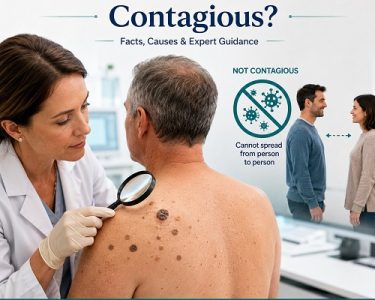
Are Seborrheic Keratoses Contagious?
No.
You cannot catch seborrheic keratosis from another person.
They do not spread through:
- Touch
- Swimming pools
- Shared towels
- Personal contact
They are simply an overgrowth of your own skin cells.
Are They Related to Skin Cancer?
No.
Seborrheic keratoses are benign.
They do not usually become melanoma or other forms of skin cancer.
However, because some skin cancers resemble seborrheic keratosis, any new or changing skin lesion should be evaluated by a healthcare professional if there is uncertainty.
Multiple Sudden Seborrheic Keratoses
A rapid appearance of many seborrheic keratoses over a short period is uncommon.
In rare cases, this may be associated with the Leser–Trélat sign, which has been reported alongside certain internal illnesses, including some cancers. However, the association is uncommon and remains a topic of medical discussion. If dozens of new lesions appear suddenly—especially along with unexplained weight loss, fatigue, or other concerning symptoms—it is important to seek medical evaluation promptly.
Who Is Most Likely to Get Seborrheic Keratosis?
You are more likely to develop seborrheic keratosis if you:
- Are over 40 years old
- Have a parent with seborrheic keratoses
- Have multiple affected family members
- Have long-term sun exposure
- Experience natural skin aging
- Have numerous existing lesions
- Have darker skin with dermatosis papulosa nigra
Age and genetics remain the strongest seborrheic keratosis risk factors.
Can Seborrheic Keratosis Be Prevented?
There is no guaranteed way to prevent seborrheic keratosis because aging and genetics cannot be changed.
However, you can support skin health by:
- Applying broad-spectrum sunscreen (SPF 30 or higher)
- Wearing protective clothing outdoors
- Avoiding tanning beds
- Moisturizing dry skin
- Performing regular skin self-examinations
- Scheduling routine skin checks if you have many lesions
These steps may help reduce additional skin damage and make it easier to notice any unusual changes.
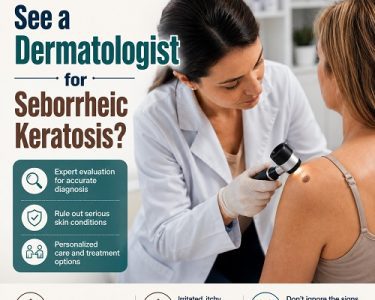
When Should You See a Doctor?
Most seborrheic keratoses are harmless, but you should consult a healthcare provider if a lesion:
- Develops suddenly or changes rapidly
- Bleeds without injury
- Becomes painful
- Has irregular borders or multiple colors
- Looks significantly different from your other skin growths
- Seborrheic Keratosis Causes persistent itching or irritation
A dermatologist can determine whether the lesion is a benign seborrheic keratosis or another skin condition that may require treatment.
Natural Remedies for Seborrheic Keratosis
Natural Remedies for Seborrheic Keratosis are often explored by people looking for gentle ways to support healthy skin. Seborrheic keratosis is a common, non-cancerous skin growth that usually appears with age. Although these growths are generally harmless, some people seek natural options to maintain skin comfort and appearance.
A healthy lifestyle can support overall skin health. Eating a balanced diet rich in fruits, vegetables, nuts, and seeds provides antioxidants that help protect skin cells. Staying well hydrated also helps keep the skin healthy. Some people use natural ingredients such as aloe vera gel, coconut oil, or diluted tea tree oil to soothe dry or irritated skin. However, scientific evidence supporting their effectiveness in removing seborrheic keratosis is limited.
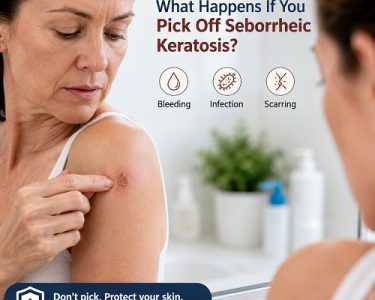
It is important to avoid picking, scratching, or cutting the growths at home, as this may lead to irritation, bleeding, or infection. If a lesion changes in colour, shape, size, or begins to bleed, seek medical advice to rule out other skin conditions.
While Natural Remedies for Seborrheic Keratosis may help support skin wellness, they should not replace professional medical evaluation. If the growth becomes bothersome or causes cosmetic concerns, a dermatologist can recommend safe and effective treatment options. Combining good skincare habits with expert guidance is the best approach to maintaining healthy skin.
Frequently Asked Questions
At what age does seborrheic keratosis usually start?
Most people begin developing seborrheic keratoses after age 40, although they become increasingly common after age 60.
Is seborrheic keratosis hereditary?
Yes. Family history is one of the strongest seborrheic keratosis risk factors, and many people inherit a tendency to develop these growths.
Does sun exposure cause seborrheic keratosis?
Sun exposure may contribute to skin aging and lesion development, but it is not considered the sole cause. Genetics and age are more significant factors.
Can young adults get seborrheic keratosis?
Yes, but it is uncommon. When it occurs in younger individuals, a strong family history is often present.
Can healthy people develop seborrheic keratosis?
Absolutely. These growths commonly occur in otherwise healthy adults as part of the natural aging process.
Conclusion
Seborrheic keratosis is a common, harmless skin condition that becomes more prevalent with age. Among all seborrheic keratosis risk factors, advancing age and inherited genetics have the greatest influence. While sun exposure, skin type, hormonal changes, and certain medical conditions may contribute, they are generally considered secondary factors.
Although seborrheic keratoses are not dangerous or contagious, monitoring your skin and seeking medical advice for new, rapidly changing, or unusual lesions is important. Maintaining healthy skin habits—including sun protection and regular skin checks—can help you identify changes early and support overall skin health throughout life.