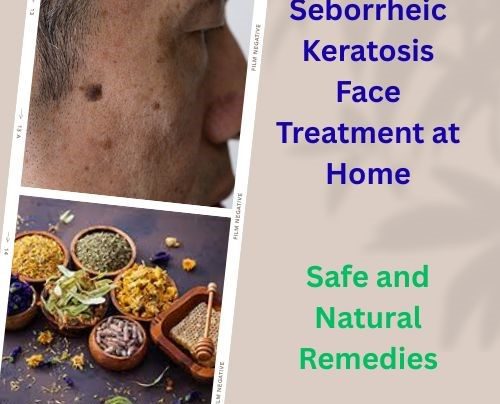
Castor Oil for Seborrheic Keratosis: A Safe and Natural Remedy
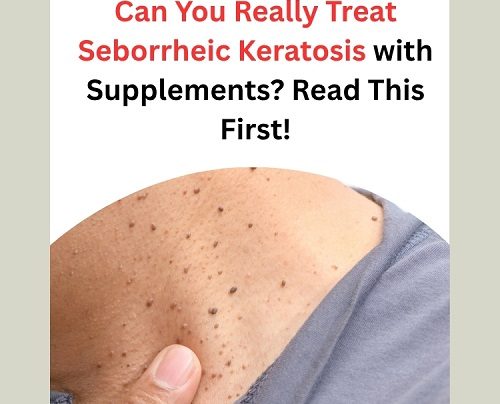
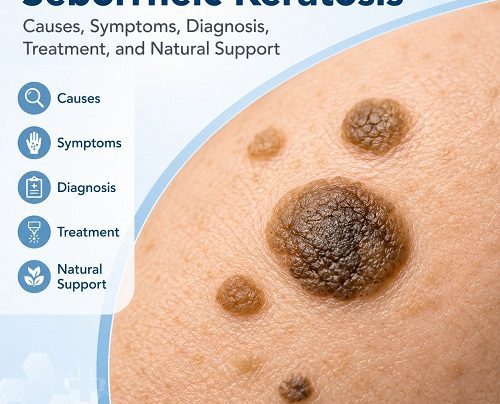
Seborrheic keratosis is one of the most common non-cancerous skin growths, often appearing as rough, wart-like patches or brown spots…
Welcome to our Seborrheic Keratosis resource center, where you can find helpful information about this common, noncancerous skin growth. Seborrheic keratoses can vary in size, color, texture, and appearance, and they commonly become more noticeable with age.
Our articles provide practical information to help you understand Seborrheic Keratosis, including its common signs, possible causes, risk factors, diagnosis, treatment options, and everyday skin care. You can also learn about questions such as whether seborrheic keratosis is contagious, whether it can be prevented, why a growth may change color, and what can happen if it is scratched or picked.
This category also explores the differences between seborrheic keratosis and other skin growths, including warts, moles, actinic keratosis, and melanoma. Understanding these differences can help you recognize when an unusual or changing skin growth should be evaluated by a qualified healthcare professional.
If you are looking for information about Seborrheic Keratosis Treatment, natural approaches, skin care, or when to see a dermatologist, explore our latest articles below. Our goal is to provide clear, easy-to-understand educational content to support better skin-health awareness.
The information provided on this website is for general educational and informational purposes only. It is not intended to replace professional medical advice, diagnosis, or treatment from a qualified healthcare professional.
Information about Seborrheic Keratosis, including causes, symptoms, home care, natural remedies, supplements, and treatment options, should not be used to diagnose or treat any medical condition. Every person’s health situation is different, and results may vary.
If you notice a new, changing, bleeding, painful, rapidly growing, or unusual skin growth, consult a qualified dermatologist or healthcare professional for proper evaluation. Do not attempt to cut, scratch, burn, or remove a skin growth yourself.
Natural remedies and supplements may not be suitable for everyone and can interact with medications or existing health conditions. Consult your healthcare provider before using any natural or herbal product.
Herbal Care Products Blog does not guarantee the accuracy or completeness of the information provided and is not responsible for decisions made based on this content.