 By
Atrial fibrillation (AFib) is one of the most common types of irregular heart rhythm disorders. It occurs when the electrical signals in the upper chambers of the heart become disorganised, causing the heart to beat irregularly and sometimes faster than normal. Although atrial fibrillation can affect people of different ages, the risk generally increases with age and certain underlying health conditions.
Many people wonder whether atrial fibrillation can be prevented and what they can do to protect their heart health. While it is not always possible to prevent AFib completely, making healthy lifestyle choices and managing medical conditions can significantly help reduce the risk of developing this heart rhythm disorder.
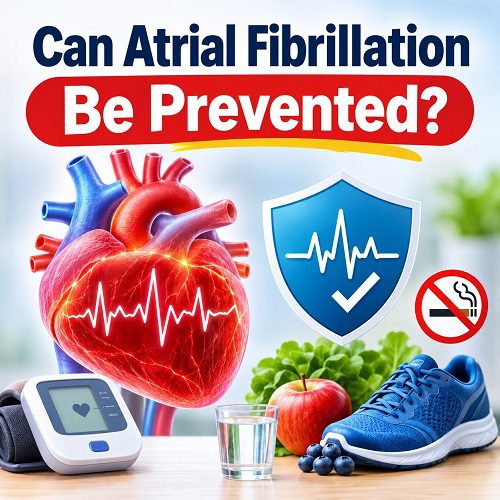
Atrial fibrillation prevention focuses on maintaining a healthy weight, controlling blood pressure, staying physically active, eating nutritious foods, avoiding smoking and limiting alcohol consumption. These measures support overall cardiovascular health and may lower the likelihood of developing AFib.
Can Atrial Fibrillation Be Prevented?
Yes, certain cases of atrial fibrillation may be prevented or their risk reduced through appropriate lifestyle changes and medical care. However, there is no guaranteed method of preventing every case.
Some risk factors, including ageing, family history and inherited heart conditions, cannot be changed. Nevertheless, several important contributing factors are manageable.
High blood pressure, obesity, diabetes, excessive alcohol consumption, physical inactivity and smoking are associated with an increased risk of developing atrial fibrillation.
According to the 2023 American College of Cardiology and American Heart Association guidelines, people at increased risk of AFib should receive comprehensive lifestyle and risk-factor management. This includes addressing obesity, inactivity, unhealthy alcohol consumption, smoking, diabetes and hypertension.
Therefore, taking steps to improve cardiovascular health can play an important role in atrial fibrillation prevention.
10 Ways to Reduce the Risk of Atrial Fibrillation
Developing healthy daily habits can support normal heart function and improve general wellbeing. The following strategies may help reduce Atrial Fibrillation risk.
1. Maintain a Healthy Body Weight
Excess body weight is an important risk factor for atrial fibrillation. Obesity can contribute to changes in the structure and function of the heart, including enlargement of the upper chambers.
It is also associated with high blood pressure, diabetes and sleep apnoea, which can further increase cardiovascular risks.
Maintaining a healthy weight through balanced nutrition and regular physical activity can support heart health.
If you are overweight, consider making gradual and sustainable changes rather than following extreme weight-loss programmes. Eating appropriate portions, choosing nutritious foods and maintaining an active lifestyle can help you reach a healthier weight.
Weight management is an important part of long-term heart health habits and may help reduce the likelihood of developing AFib.
2. Keep Your Blood Pressure Under Control
High blood pressure, also known as hypertension, is one of the major risk factors associated with atrial fibrillation.
When blood pressure remains elevated for a prolonged period, the heart must work harder to circulate blood throughout the body. Over time, this additional strain can contribute to changes in the heart’s structure and electrical activity.
You can help manage blood pressure by:
- Checking your blood pressure regularly.
- Reducing excessive salt consumption.
- Eating more fruits and vegetables.
- Exercising regularly.
- Maintaining a healthy body weight.
- Taking prescribed blood pressure medication.
Do not stop or change prescribed medication without consulting your healthcare professional.
Keeping blood pressure within your recommended range is an important step towards atrial fibrillation prevention.
3. Follow a Heart-Healthy Diet
Your daily food choices can influence blood pressure, cholesterol, body weight and overall cardiovascular health.
A balanced eating pattern that includes vegetables, fruits, whole grains, legumes, nuts, seeds and lean protein can support normal heart function.
Consider including:
- Leafy green vegetables such as spinach.
- Fresh fruits such as berries, apples and oranges.
- Whole grains such as oats and brown rice.
- Healthy fats from nuts, seeds and olive oil.
- Fish and other sources of lean protein.
- Beans and lentils.
At the same time, limit excessive salt, processed foods, sugary drinks, trans fats and foods high in saturated fats.
A Mediterranean-style eating pattern is one approach to improving cardiovascular health. It emphasises plant-based foods, healthy fats and minimally processed ingredients.
Although no specific food can guarantee protection against AFib, nutritious eating habits can help manage several conditions associated with an increased risk.
4. Exercise Regularly
Regular physical activity supports circulation, helps control blood pressure, improves cardiovascular fitness and assists with weight management.
A physically inactive lifestyle is associated with an increased risk of atrial fibrillation. Therefore, incorporating moderate exercise into your daily routine may help protect your heart.
Suitable activities include:
- Brisk walking.
- Swimming.
- Cycling.
- Light jogging.
- Dancing.
- Moderate aerobic exercises.
For most adults, a useful general target is 150–300 minutes of moderate-intensity aerobic activity each week, or 75–150 minutes of vigorous activity, depending on individual fitness and medical circumstances.
Start gradually if you are currently inactive. You can divide exercise into shorter sessions throughout the week.
However, extremely intense endurance exercise over many years may be associated with an increased AFib risk in some athletes. Balance and appropriate exercise intensity are important.
5. Limit Alcohol Consumption
Excessive alcohol consumption is associated with an increased risk of atrial fibrillation. Heavy drinking and binge drinking can affect the heart’s electrical activity and trigger irregular rhythms.
Some people experience an episode of AFib after consuming large amounts of alcohol, sometimes referred to as holiday heart syndrome.
Reducing or avoiding alcohol may support cardiovascular health. The safest approach for people concerned about their AFib risk is to discuss alcohol consumption with a healthcare professional.
Avoid binge drinking and consider replacing alcoholic beverages with water or other non-alcoholic drinks.
Limiting alcohol is one of the important lifestyle measures recommended in contemporary AFib prevention guidelines.
6. Stop Smoking and Avoid Tobacco Products
Smoking damages blood vessels and increases the risk of cardiovascular diseases. It can contribute to high blood pressure, inflammation and other changes that negatively affect heart health.
Tobacco use is also associated with an increased risk of developing atrial fibrillation.
If you smoke, quitting is one of the most beneficial steps you can take to protect your heart and overall health.
Some practical strategies include:
- Setting a quit date.
- Avoiding situations that encourage smoking.
- Seeking support from family and friends.
- Discussing nicotine replacement therapy with a healthcare professional.
- Considering professional smoking cessation support.
Avoiding tobacco and other harmful inhaled substances can contribute to better cardiovascular health.
7. Manage Diabetes and Blood Sugar Levels
Diabetes is another medical condition associated with an increased risk of atrial fibrillation.
Persistently elevated blood glucose can damage blood vessels and contribute to cardiovascular complications. People with diabetes may also have other AFib risk factors, including obesity and high blood pressure.
Managing blood sugar levels can help reduce the risk of diabetes-related complications.
Helpful measures include:
- Following your recommended diabetes meal plan.
- Monitoring blood glucose as advised.
- Maintaining regular physical activity.
- Taking prescribed diabetes medication.
- Attending routine medical appointments.
- Managing body weight.
Work with your healthcare professional to establish appropriate blood glucose targets.
Good diabetes management is an important part of a comprehensive approach to atrial fibrillation prevention.
8. Get Enough Quality Sleep
Healthy sleep supports cardiovascular function and general wellbeing. Poor sleep and certain sleep disorders, particularly obstructive sleep apnoea, are associated with atrial fibrillation.
Sleep apnoea causes repeated interruptions in breathing during sleep. These interruptions can affect oxygen levels and place additional stress on the cardiovascular system.
Common warning signs include:
- Loud and persistent snoring.
- Pauses in breathing during sleep.
- Waking up gasping for air.
- Excessive daytime sleepiness.
- Morning headaches.
- Difficulty concentrating.
If you experience these symptoms, speak with a healthcare professional about whether a sleep assessment is appropriate.
Maintaining a consistent sleep schedule and addressing diagnosed sleep disorders can support better overall health. Treatment of sleep apnoea may also be considered as part of comprehensive AFib risk management, although its ability to prevent a first AFib episode is not conclusively established.
9. Manage Stress and Support Emotional Wellbeing
Long-term stress can affect sleep, blood pressure and everyday health behaviours. Some people also notice that emotional stress coincides with palpitations or episodes of irregular heartbeat.
Although stress management alone cannot guarantee atrial fibrillation prevention, it can support general cardiovascular wellbeing.
Consider incorporating relaxing activities into your daily routine, such as:
- Deep breathing exercises.
- Meditation.
- Gentle yoga.
- Walking outdoors.
- Listening to relaxing music.
- Spending time with family and friends.
Try to maintain a healthy balance between work, physical activity and relaxation.
If anxiety or ongoing stress is affecting your daily life, consider seeking appropriate professional support.
10. Attend Regular Health Check-ups
Regular medical check-ups can help identify and manage conditions associated with atrial fibrillation.
High blood pressure, diabetes, thyroid disorders and certain heart conditions may develop without obvious symptoms.
Your healthcare professional may recommend:
- Blood pressure monitoring.
- Blood glucose testing.
- Cholesterol testing.
- Thyroid function tests when indicated.
- Assessment of cardiovascular risk factors.
- An electrocardiogram (ECG) if symptoms or clinical findings suggest an abnormal rhythm.
An ECG records the electrical activity of the heart and can help identify atrial fibrillation.
If you have a family history of heart rhythm disorders or other cardiovascular risk factors, discuss your individual risk with your healthcare professional.
Early identification and appropriate management of underlying conditions can help support long-term heart health.
Can Natural Remedies Help Prevent Atrial Fibrillation?
Many people are interested in natural approaches to maintaining a healthy heart. Certain lifestyle practices, including nutritious eating, regular exercise, maintaining a healthy weight and avoiding smoking, can support cardiovascular health.
However, it is important to distinguish between general heart health support and proven AFib prevention.
No herbal supplement, vitamin or natural remedy has been established as a reliable way to prevent atrial fibrillation.
Some supplements may also interact with prescription medicines or affect heart rhythm. For example, excessive use of certain stimulant-containing products can cause unwanted cardiovascular effects.
Before taking herbal products, nutritional supplements or high-dose vitamins, consult a qualified healthcare professional, particularly if you have an existing heart condition or take medication.
Natural approaches should complement appropriate medical care rather than replace it.
Can You Prevent Atrial Fibrillation If It Runs in Your Family?
Family history can influence the likelihood of developing atrial fibrillation. Certain inherited genetic factors and heart conditions may increase susceptibility to abnormal heart rhythms.
If close relatives have experienced AFib, it may be helpful to discuss your family history with a healthcare professional.
Although inherited risk cannot be eliminated, you can still take practical steps to improve your cardiovascular health.
These include maintaining a healthy weight, managing blood pressure, exercising regularly, avoiding tobacco and limiting alcohol.
Your doctor can also advise whether additional assessment or monitoring is appropriate based on your personal and family medical history.
What Are the Early Warning Signs of Atrial Fibrillation?
Recognising possible Atrial Fibrillation symptoms is important because some people do not realise they have an irregular heart rhythm.
Common symptoms include:
- Heart palpitations or a fluttering sensation.
- An irregular or rapid heartbeat.
- Shortness of breath.
- Dizziness or light-headedness.
- Unusual tiredness.
- Reduced ability to exercise.
- Chest discomfort.
Some individuals have no noticeable symptoms, and AFib may only be discovered during a routine medical examination.
If you experience persistent palpitations or an irregular heartbeat, arrange a medical assessment.
Seek emergency medical attention if you develop chest pain, severe breathing difficulty, fainting or signs of a stroke, such as sudden facial weakness, arm weakness or speech difficulty.
Natural Treatment for Atrial Fibrillation
Natural Remedies for Atrial Fibrillation may help support heart health and improve overall well-being when combined with appropriate medical Atrial Fibrillation treatment. Atrial fibrillation (AFib) is an irregular heart rhythm that requires proper medical assessment and management. Although natural approaches cannot cure AFib, certain healthy lifestyle changes may help reduce triggers and support cardiovascular health.
Eating a heart-healthy diet rich in fruits, vegetables, whole grains, nuts, and healthy fats can support normal heart function. Regular, moderate exercise, such as walking, swimming, or cycling, may also improve cardiovascular fitness. Maintaining a healthy weight, managing stress through meditation or deep breathing, and getting sufficient sleep are other beneficial habits. Limiting caffeine if it triggers symptoms, avoiding alcohol, and quitting smoking may also help reduce Atrial Fibrillation episodes.
People with sleep apnoea, high blood pressure, or diabetes should seek appropriate treatment because these conditions can affect heart rhythm. Before using herbal supplements or natural products, consult a healthcare professional, as some may interact with blood thinners or heart medications.
Natural Remedies for Atrial Fibrillation should complement, not replace, prescribed treatment. Regular medical check-ups and following your doctor’s advice are essential for managing AFib and reducing the risk of complications such as stroke and heart failure.
Frequently Asked Questions
1. Can atrial fibrillation be completely prevented?
Atrial fibrillation cannot always be completely prevented, particularly when genetic factors, ageing or underlying heart conditions are involved. However, maintaining a healthy weight, controlling blood pressure, exercising regularly, eating a balanced diet and avoiding smoking may help reduce the risk of developing AFib.
2. What is the best way to prevent atrial fibrillation?
The best approach involves managing cardiovascular risk factors through healthy lifestyle choices. Regular physical activity, a nutritious diet, maintaining a healthy weight, limiting alcohol consumption and managing conditions such as diabetes and high blood pressure can support atrial fibrillation prevention.
3. Can exercise reduce the risk of atrial fibrillation?
Yes. Regular moderate exercise can improve cardiovascular fitness, support healthy blood pressure and help maintain a healthy weight. These benefits may reduce the risk of AFib. However, excessive endurance exercise over many years may increase the risk in some individuals.
4. Does drinking alcohol increase the risk of atrial fibrillation?
Yes. Excessive alcohol consumption and binge drinking are associated with an increased risk of atrial fibrillation. Alcohol can also trigger episodes in people who already have AFib. Reducing or avoiding alcohol may help protect heart health.
5. Can losing weight help prevent atrial fibrillation?
Yes. Maintaining a healthy weight may help reduce the risk of atrial fibrillation, particularly in people who are overweight or obese. Weight management can also improve blood pressure, blood sugar control and sleep apnoea, which are important AFib risk factors.
6. What foods help reduce the risk of atrial fibrillation?
A heart-healthy diet containing leafy green vegetables, fresh fruits, whole grains, beans, nuts, seeds and fish can support cardiovascular health. Limiting excessive salt, processed foods, sugary drinks and unhealthy fats may also help manage risk factors associated with AFib.
7. Can stress cause atrial fibrillation?
Stress does not necessarily cause atrial fibrillation, but emotional stress may contribute to palpitations or trigger symptoms in some people who are susceptible to irregular heart rhythms. Relaxation techniques, adequate sleep, meditation and regular physical activity can support overall wellbeing.
8. Does poor sleep increase the risk of atrial fibrillation?
Poor sleep and sleep disorders, particularly obstructive sleep apnoea, are associated with an increased risk of atrial fibrillation. Repeated breathing interruptions during sleep can place additional stress on the cardiovascular system. Seeking assessment and treatment for suspected sleep apnoea is important.
9. Can natural remedies prevent atrial fibrillation?
No herbal remedy or dietary supplement has been proven to reliably prevent atrial fibrillation. Healthy eating, regular exercise and other lifestyle improvements can support cardiovascular health, but natural products should not replace medical care. Consult your healthcare professional before taking supplements, especially if you use heart medications.
10. Should I get tested for atrial fibrillation if it runs in my family?
If you have a family history of atrial fibrillation, discuss your personal risk with your healthcare professional. Your doctor may recommend an ECG or other heart monitoring if you have symptoms or additional risk factors. Maintaining healthy lifestyle habits is also important for supporting long-term cardiovascular health.
Final Thoughts on Atrial Fibrillation Prevention
Atrial fibrillation cannot always be prevented, but adopting healthy lifestyle habits can help reduce several important risk factors. Maintaining a healthy weight, controlling blood pressure, eating nutritious foods, exercising regularly, limiting alcohol and avoiding smoking are valuable steps towards protecting cardiovascular health.
Managing diabetes, recognising sleep apnoea and attending regular medical check-ups can also contribute to a comprehensive prevention strategy.
The most effective approach to atrial fibrillation prevention is to focus on long-term health rather than relying on a single food, supplement or treatment. Small, consistent improvements in daily habits can support a healthier heart and may lower your risk of developing AFib.
If you have concerns about your heart rhythm or family history, consult a qualified healthcare professional for personalised advice and appropriate screening.
Medical Disclaimer
The information provided in this article, Can Atrial Fibrillation Be Prevented?, is intended for educational and informational purposes only. It should not be considered medical advice, diagnosis or treatment. Although healthy lifestyle habits, including regular exercise, balanced nutrition, maintaining a healthy weight, controlling blood pressure and limiting alcohol consumption, may help reduce certain risk factors associated with atrial fibrillation, they cannot guarantee prevention.
Atrial fibrillation is a medical condition that requires proper evaluation and management by a qualified healthcare professional. Always consult your doctor before making significant changes to your diet, exercise routine or medication. Do not stop prescribed medicines or replace conventional medical treatment with herbal remedies, dietary supplements or other natural approaches without professional guidance.
If you experience an irregular heartbeat, persistent palpitations, dizziness or shortness of breath, seek medical advice. Seek immediate emergency medical attention if you experience chest pain, severe breathing difficulties, fainting or symptoms of a stroke.
The authors and publishers are not responsible for any adverse effects, complications or consequences resulting from the use or misuse of the information presented in this article. Always seek personalised medical advice from a qualified healthcare professional regarding your individual health needs.
Medical references
The following reputable medical sources support the article’s medical information and are suitable for inclusion at the end of your blog post.
- 2023 ACC/AHA/ACCP/HRS Guideline for the Diagnosis and Management of Atrial Fibrillation. American Heart Association and American College of Cardiology.
Read the clinical guideline. - 2024 ESC Guidelines for the Management of Atrial Fibrillation. European Society of Cardiology.
Read the ESC guidelines. - Lifestyle Strategies for Atrial Fibrillation. American Heart Association.
Read lifestyle recommendations. - Diagnosis and Treatment of Atrial Fibrillation. American Heart Association.
Read diagnosis and treatment information. - 2024 ESC Guidelines – Key Points. American College of Cardiology.
Read guideline highlights.