 By
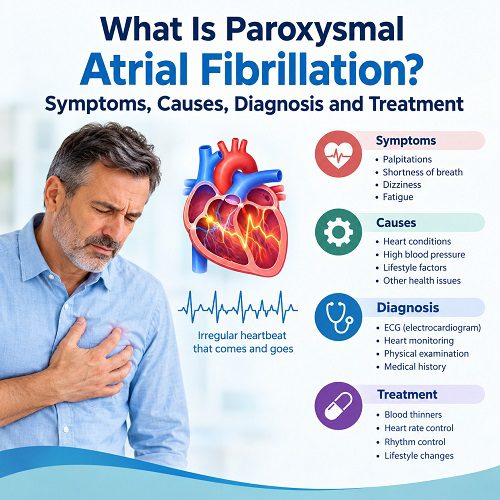
Paroxysmal atrial fibrillation is a type of irregular heart rhythm that begins suddenly and stops on its own or with treatment within seven days. Also known as intermittent atrial fibrillation, this condition can cause a racing heartbeat, dizziness, tiredness, shortness of breath and chest discomfort. Some people experience noticeable symptoms, while others have no symptoms at all.
Although these episodes may stop without medical intervention, they should not be ignored. Paroxysmal atrial fibrillation can increase the risk of blood clots, stroke and other cardiovascular complications. Early diagnosis, appropriate treatment and healthy lifestyle habits can help manage the condition and protect long-term heart health. What paroxysmal atrial fibrillation is, why it occurs, which symptoms to recognise, how doctors diagnose it and what treatment options may help.
What Is Paroxysmal Atrial Fibrillation?
Paroxysmal atrial fibrillation (AF) is a heart rhythm disorder in which the upper chambers of the heart, known as the atria, develop rapid and disorganised electrical activity. Instead of contracting in a coordinated manner, the atria quiver, causing an irregular heartbeat.
The defining feature of paroxysmal atrial fibrillation is that the abnormal rhythm stops within seven days of its onset. Episodes often end within 48 hours, although their duration varies from person to person.
During an episode, the heart may beat faster or less efficiently than usual. When the episode ends, the heart may return to its normal rhythm, known as sinus rhythm.
The condition can occur occasionally, several times a month or even daily. Some people experience short episodes lasting a few minutes, while others have symptoms for several hours.
Importantly, the disappearance of symptoms does not mean that the underlying condition has disappeared. Even when the heartbeat returns to normal, a person may still require medical assessment and treatment to reduce the risk of complications.
What Causes Paroxysmal Atrial Fibrillation?
Paroxysmal atrial fibrillation develops when electrical signals in the heart become disorganised. These abnormal signals often originate near the pulmonary veins, which carry oxygen-rich blood from the lungs to the left atrium.
Several medical conditions and lifestyle factors can contribute to these electrical disturbances.
1. High Blood Pressure
High blood pressure places additional strain on the heart. Over time, this pressure can cause structural changes in the atria, making abnormal electrical activity more likely.
Managing blood pressure through appropriate medication, a balanced diet, physical activity and regular monitoring may help reduce cardiovascular risk.
2. Coronary Artery Disease
Coronary artery disease develops when the blood vessels supplying the heart become narrowed or blocked. Reduced blood flow and associated heart muscle damage can contribute to rhythm disturbances.
People with coronary artery disease should discuss any new palpitations or irregular heartbeats with a healthcare professional.
3. Heart Valve Disease
Problems affecting the heart valves can alter blood flow and increase pressure within the heart chambers. Conditions involving the mitral valve are particularly relevant because they can enlarge the left atrium and increase the likelihood of atrial fibrillation.
4. Thyroid Disorders
An overactive thyroid gland, known as hyperthyroidism, can increase the heart rate and make abnormal rhythms more likely.
Doctors may recommend thyroid function tests when investigating unexplained palpitations or newly diagnosed atrial fibrillation.
5. Alcohol Consumption
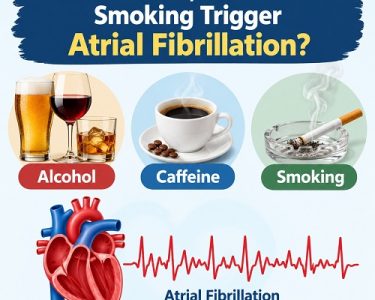
Alcohol can trigger atrial fibrillation episodes in susceptible people. Some individuals notice symptoms after heavy drinking, while others may be sensitive to smaller amounts.
Reducing or avoiding alcohol may help limit episodes, depending on the person’s circumstances.
6. Sleep Apnoea
Obstructive sleep apnoea causes repeated interruptions in breathing during sleep. These interruptions can affect oxygen levels, increase cardiovascular strain and contribute to abnormal heart rhythms.
Loud snoring, daytime sleepiness and witnessed pauses in breathing may indicate sleep apnoea. Assessment and appropriate treatment can support overall heart health.
7. Obesity and Diabetes
Excess body weight and diabetes are associated with an increased risk of atrial fibrillation. These conditions may contribute to inflammation, metabolic changes and structural alterations in the heart.
Weight management and good diabetes control can form important parts of a long-term treatment plan.
8. Stress, Stimulants and Other Triggers
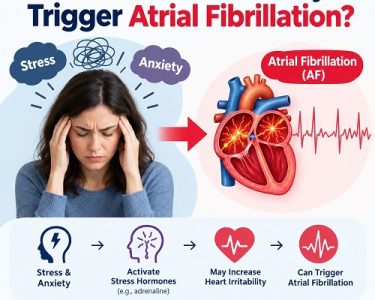
Emotional stress, poor sleep, dehydration, strenuous exertion and excessive caffeine may trigger palpitations or episodes in some people. Certain medicines and other stimulants can also affect heart rhythm.
However, triggers vary. Caffeine does not cause atrial fibrillation in everyone, so individuals should discuss suspected triggers with their healthcare professional rather than assuming that every episode has the same cause.
What Are the Symptoms of Paroxysmal Atrial Fibrillation?
Symptoms vary depending on the heart rate, episode duration, other medical conditions and individual sensitivity to changes in heart rhythm.
Common Atrial Fibrillation symptoms include:
- Heart palpitations: A racing, pounding, fluttering or irregular heartbeat.
- Shortness of breath: Difficulty breathing during ordinary activities or exercise.
- Dizziness: A light-headed feeling or a sensation that you might faint.
- Fatigue: Unusual tiredness or reduced energy levels.
- Chest discomfort: Pressure, tightness or discomfort in the chest.
- Reduced exercise tolerance: Difficulty completing activities that previously felt manageable.
- Anxiety or restlessness: Feeling uneasy when the heartbeat suddenly changes.
Some people experience no noticeable symptoms. In these cases, a healthcare professional may discover the condition during a routine examination, heart monitoring or investigation for another medical problem.
Can Paroxysmal Atrial Fibrillation Start Suddenly?
Yes. Paroxysmal atrial fibrillation can begin abruptly. A person may be resting, working, exercising or sleeping when the heartbeat suddenly becomes irregular.
The episode may stop just as unexpectedly. However, symptoms alone cannot confirm that the rhythm is atrial fibrillation. Other conditions, including premature heartbeats, anxiety and different arrhythmias, can produce similar sensations.
An electrocardiogram or suitable heart monitoring is needed to establish the diagnosis.
Seek emergency medical help if palpitations occur with chest pain, severe shortness of breath, fainting or signs of a stroke, such as sudden facial drooping, weakness on one side or difficulty speaking. Do not assume that these symptoms will resolve when the heartbeat settles.
How Is Paroxysmal Atrial Fibrillation Diagnosed?
Diagnosing paroxysmal atrial fibrillation can be challenging because episodes may end before a person reaches a medical facility. A normal heartbeat during an appointment does not rule out intermittent atrial fibrillation.
Doctors combine a medical history, physical examination and appropriate tests to identify the rhythm disturbance and investigate possible causes.
1. Electrocardiogram (ECG)
An electrocardiogram records the electrical activity of the heart. It is one of the main tests used to diagnose atrial fibrillation.
During atrial fibrillation, an ECG typically shows an irregular ventricular rhythm and the absence of distinct normal P waves.
If the episode has already ended, a standard ECG may show a normal rhythm. Additional monitoring may therefore be necessary.
2. Holter Monitoring
A Holter monitor records the heart’s electrical activity continuously, commonly for 24 to 48 hours, although longer monitoring may be appropriate.
It can help identify intermittent atrial fibrillation, measure episode duration and assess how often abnormal rhythms occur.
3. Event Recorders and Extended Monitoring
When episodes happen infrequently, doctors may recommend an event recorder, a longer-term ECG patch or another ambulatory monitoring device.
Some devices record continuously, while others capture or flag suspected abnormalities. Wearable devices may also help identify possible episodes, but automated alerts are not a substitute for clinical confirmation.
4. Blood Tests
Blood tests may assess thyroid function, kidney function, blood counts and electrolyte levels. The tests selected depend on the patient’s symptoms, medical history and planned treatment.
These investigations can identify conditions that contribute to abnormal heart rhythms or affect the safe use of medication.
5. Echocardiogram
An echocardiogram uses ultrasound to examine the structure and function of the heart. It can help identify valve problems, enlargement of the atria and reduced pumping function.
Additional investigations may be recommended when doctors suspect underlying heart disease or another cause of the symptoms.
How Is Paroxysmal Atrial Fibrillation Different from Other Types of AF?
Doctors classify atrial fibrillation partly according to how long an episode lasts and whether the abnormal rhythm stops.
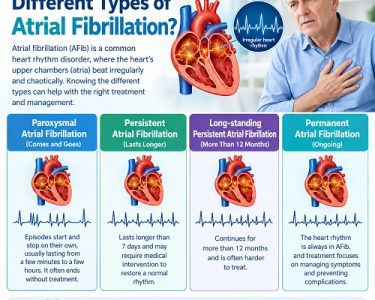
- Paroxysmal atrial fibrillation: Episodes stop spontaneously or with intervention within seven days of onset.
- Persistent atrial fibrillation: The abnormal rhythm continues for more than seven days and may require treatment to restore normal rhythm.
- Long-standing persistent atrial fibrillation: A continuous episode lasting more than 12 months.
- Permanent atrial fibrillation: A term used when the patient and clinician decide not to pursue further attempts to restore or maintain normal sinus rhythm.
These categories describe the pattern of atrial fibrillation. They do not, by themselves, determine an individual’s overall risk or the treatment required.
Paroxysmal atrial fibrillation is not necessarily harmless simply because the heart returns to a normal rhythm between episodes. Stroke prevention and other treatment decisions depend on a person’s individual risk factors, not just the duration or frequency of symptoms.
What Are the Treatment Options for Paroxysmal Atrial Fibrillation?
Treatment aims to reduce symptoms, manage the heart rate or rhythm, prevent stroke and address conditions that contribute to the disorder.
The best approach depends on the patient’s age, symptoms, heart function, other medical conditions, stroke risk and preferences.
1. Rate-Control Medicines
Rate-control medicines help slow the heart rate during atrial fibrillation. Examples include beta-blockers and certain calcium channel blockers, such as diltiazem.
These medicines may improve symptoms by preventing the heart from beating excessively fast. However, they do not necessarily stop atrial fibrillation from occurring.
The appropriate medicine depends on heart function, blood pressure and other clinical considerations.
2. Rhythm-Control Medicines
Antiarrhythmic medicines aim to restore normal sinus rhythm or reduce the frequency of episodes.
Depending on the patient’s medical history, doctors may consider medicines such as flecainide, propafenone, dronedarone or other appropriate antiarrhythmic drugs.
These medicines can have important side effects and may be unsuitable for people with certain types of heart disease. They should only be used under medical supervision.
For selected patients with infrequent episodes, a clinician may prescribe a carefully planned “pill-in-the-pocket” strategy. This involves taking a prescribed medicine at the onset of an episode. It is not appropriate for everyone and should never be attempted with an unprescribed drug.
3. Blood Thinners to Reduce Stroke Risk
Atrial fibrillation can allow blood to collect in parts of the atria, increasing the chance of clot formation. If a clot travels to the brain, it can cause an ischaemic stroke.
Doctors assess stroke risk using validated clinical factors, including age, previous stroke, high blood pressure, diabetes and other relevant cardiovascular conditions.
When indicated, anticoagulants such as apixaban, rivaroxaban, dabigatran or warfarin can reduce the risk of clot-related stroke.
Not everyone with paroxysmal atrial fibrillation requires anticoagulation. The decision depends on the individual’s risk of stroke, bleeding risk, other medical conditions and current clinical guidance.
Importantly, a normal heartbeat between episodes does not automatically mean that anticoagulants can be stopped. Never start or stop a blood thinner without consulting the prescribing clinician.
4. Electrical Cardioversion
Electrical cardioversion uses a controlled electrical shock to restore a normal heart rhythm. It may be considered when an episode does not stop on its own or when Atrial Fibrillation symptoms require active treatment.
The timing of cardioversion and the need for anticoagulation depend on the duration of atrial fibrillation, stroke risk and the clinical situation. Urgent cardioversion may be necessary when the rhythm causes serious instability.
5. Catheter Ablation
Catheter ablation is a procedure that targets areas responsible for triggering or maintaining abnormal electrical signals. Pulmonary vein isolation is a commonly used technique for atrial fibrillation.
During the procedure, a specialist guides catheters through blood vessels to the heart and creates small areas of tissue damage using heat or cold energy to block abnormal electrical signals.
Ablation may be considered when symptoms continue despite medication, when medicines are unsuitable or when a patient and specialist decide that an early rhythm-control approach is appropriate.
Although ablation can reduce episodes and improve symptoms, it does not guarantee a permanent cure. Some people need repeat procedures or ongoing medication. Stroke prevention decisions must still be based on individual risk.
Can Lifestyle Changes Help Manage Paroxysmal Atrial Fibrillation?
Lifestyle changes can complement medical treatment and help reduce cardiovascular risk. They do not replace prescribed treatment or remove the need for stroke-risk assessment.
Maintain a Healthy Weight
If you are overweight, gradual and sustained weight loss may reduce the burden of atrial fibrillation. Ask a healthcare professional about a realistic weight-management plan.
Exercise Regularly
Regular moderate physical activity supports cardiovascular health. Walking, cycling and swimming may be suitable options for many people.
Discuss an exercise plan with your clinician, particularly if you experience symptoms during physical activity or have other heart conditions. Avoid suddenly starting intense exercise without appropriate advice.
Limit Alcohol
Alcohol can trigger episodes in some individuals. Reducing consumption or avoiding alcohol may help, especially if episodes repeatedly follow drinking.
Manage Blood Pressure and Diabetes
Monitor blood pressure as advised and follow your diabetes treatment plan if applicable. Controlling these conditions can reduce cardiovascular complications and support long-term health.
Improve Sleep Quality
Maintain a regular sleep schedule and seek assessment if you have symptoms of sleep apnoea. Treating sleep-related breathing problems may improve overall cardiovascular health.
Review Caffeine and Other Triggers
Keep a record of symptoms, sleep, alcohol intake, caffeine consumption, stress and exercise. This may help you and your clinician identify patterns.
There is no need for everyone with atrial fibrillation to eliminate caffeine completely. Individual responses differ, so make changes based on your symptoms and medical advice.
Can Paroxysmal Atrial Fibrillation Lead to Complications?
Yes. Although episodes may end spontaneously, paroxysmal atrial fibrillation can be associated with serious complications.
Stroke
Blood clots may develop when blood flow within the atria becomes less effective. If a clot travels to the brain, it can block an artery and cause a stroke.
Appropriate stroke-risk assessment and anticoagulation, when indicated, are central to management.
Heart Failure
A persistently rapid heart rate or recurrent rhythm disturbances can weaken the heart in some people. Existing heart failure may also make atrial fibrillation more difficult to manage.
Progression to Persistent Atrial Fibrillation
In some individuals, episodes become more frequent or last longer over time. Paroxysmal atrial fibrillation may progress to persistent atrial fibrillation, although this does not happen to everyone.
Early assessment and management of contributing conditions may help improve outcomes.
Reduced Quality of Life
Repeated palpitations, disrupted sleep and uncertainty about when the next episode will occur can affect daily activities and emotional well-being. A clear treatment plan and regular follow-up can help people manage these concerns.
Natural Treatment for Atrial Fibrillation
Natural Remedies for Atrial Fibrillation may help support heart health and reduce certain risk factors associated with an irregular heartbeat. Atrial fibrillation (AFib) is a heart rhythm disorder that requires proper medical assessment and treatment. Although lifestyle changes can support overall well-being, they cannot replace prescribed medication or medical care.
One helpful approach is to follow a heart-healthy diet rich in vegetables, fruits, whole grains, legumes, and healthy fats. Limiting salt and highly processed foods may help manage blood pressure, which is an important factor in heart health.
Regular, moderate exercise can also support cardiovascular fitness. However, people with AFib should consult their healthcare professional before starting a new exercise programme. Maintaining a healthy weight and getting sufficient sleep may also help manage contributing risk factors.
Limiting alcohol, avoiding smoking, and reducing excessive caffeine intake when it triggers symptoms may benefit some individuals. Stress-management techniques, such as gentle yoga, breathing exercises, and meditation, can support relaxation.
Natural Remedies for Atrial Fibrillation should be used cautiously. Herbal supplements may interact with blood thinners and heart medications, so always seek medical advice before using them. Never stop prescribed treatment without consulting your doctor.
Seek urgent medical attention if AFib symptoms occur with chest pain, severe shortness of breath, fainting, or stroke symptoms. Combining appropriate medical treatment with healthy lifestyle habits offers a safer approach to managing AFib.
When Should You See a Doctor?
Arrange a medical assessment if you experience recurrent palpitations, an unexplained irregular pulse, dizziness, unusual fatigue or shortness of breath.
Seek emergency medical attention if you develop chest pain, severe breathing difficulty, fainting or symptoms that suggest a stroke.
If you have already received a diagnosis, follow your treatment plan and attend recommended appointments. Report changes in symptom frequency, duration or severity to your healthcare professional.
Frequently Asked Questions
1. Is paroxysmal atrial fibrillation dangerous?
It can be. Episodes may stop on their own, but the condition can still increase the risk of stroke and other complications. The level of risk varies according to individual health factors.
2. How long does an episode last?
Paroxysmal atrial fibrillation ends within seven days of onset. Many episodes stop within 48 hours, but some last longer.
3. Can paroxysmal atrial fibrillation go away permanently?
Episodes may stop for extended periods, but recurrence is possible. Treatment can reduce symptoms and episode frequency, although no treatment guarantees that atrial fibrillation will never return.
4. Can stress trigger an episode?
Stress may trigger palpitations or episodes in some people. Adequate sleep, relaxation techniques and treatment of underlying anxiety may help, but recurrent symptoms require medical evaluation.
5. Can exercise help?
Regular moderate exercise supports cardiovascular health and may form part of a risk-factor management plan. The appropriate intensity depends on your condition, symptoms and clinician’s advice.
6. Does paroxysmal atrial fibrillation require blood thinners?
Not everyone needs anticoagulation. A clinician assesses stroke risk and bleeding risk to determine whether a blood thinner is appropriate.
7. Can a smartwatch detect atrial fibrillation?
Some smartwatches can identify an irregular pulse or record an ECG that may suggest atrial fibrillation. However, an alert does not always mean that atrial fibrillation is present, and a normal reading cannot reliably exclude it. Medical confirmation is important.
8. Is paroxysmal atrial fibrillation the same as intermittent atrial fibrillation?
The terms are closely related. Paroxysmal atrial fibrillation is the clinical classification for episodes that stop within seven days. Intermittent atrial fibrillation is a broader descriptive phrase for a rhythm disturbance that occurs on and off.
Conclusion
Paroxysmal atrial fibrillation is an intermittent heart rhythm disorder that can cause sudden episodes of an irregular heartbeat. Although the rhythm may return to normal without treatment, the condition still deserves medical attention because of its association with stroke and other cardiovascular complications.
Recognising symptoms, obtaining an accurate diagnosis, managing underlying conditions and following an appropriate treatment plan can help protect heart health. Medication, catheter ablation, lifestyle changes and stroke prevention may all play a role, depending on individual needs.
If you suspect that you have paroxysmal atrial fibrillation, consult a qualified healthcare professional for assessment. Early evaluation can help you understand your risk and choose a suitable management plan.
Medical disclaimer
This article is for educational purposes only and does not replace professional medical advice, diagnosis or treatment. Do not change prescribed medicines or start supplements for atrial fibrillation without discussing them with your healthcare professional. Seek emergency care for chest pain, severe shortness of breath, fainting or possible stroke symptoms.
Medical references
Use these reliable medical sources to support the clinical information in your article.
- National Heart, Lung, and Blood Institute (NHLBI)
Atrial Fibrillation: Types
Explains paroxysmal, persistent and other forms of atrial fibrillation.
- American Heart Association (AHA)
2023 ACC/AHA/ACCP/HRS Guideline for the Diagnosis and Management of Atrial Fibrillation
Clinical guidance covering diagnosis, stroke prevention, rate and rhythm control, and catheter ablation.
- National Institute for Health and Care Excellence (NICE)
Atrial Fibrillation: Diagnosis and Management — NG196
Provides recommendations on ECG testing, ambulatory monitoring and treatment decisions.
- StatPearls — National Center for Biotechnology Information (NCBI)
Paroxysmal Atrial Fibrillation
Reviews the definition, underlying mechanisms, symptoms, diagnostic assessment and management of paroxysmal AF.
- American Heart Association
What Are the Symptoms of Atrial Fibrillation?
Provides patient-friendly information on symptoms and warning signs requiring urgent medical attention.