 By
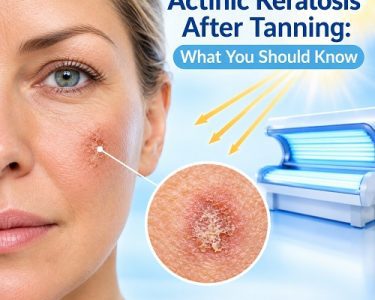
By Actinic keratosis (AK), also called solar keratosis, is a common precancerous skin growth caused primarily by cumulative exposure to ultraviolet (UV) radiation from sunlight or indoor tanning. It often appears as a rough, scaly, or discoloured patch on areas of skin that receive frequent sun exposure, including the face, ears, scalp, neck, forearms, and hands. Some actinic keratoses can develop into squamous cell carcinoma, which is why appropriate assessment and treatment are important.
When people learn they have actinic keratosis, they often look for ways to support their skin beyond conventional treatment. One common question is whether diet can make a difference.
So, does diet affect actinic keratosis?
The answer is nuanced. There is no established diet that can remove an existing actinic keratosis or replace treatment recommended by a dermatologist. However, a balanced diet containing a wide range of vitamins, minerals, healthy fats, plant compounds and antioxidants can support normal skin function and overall health.
Research into nutrition and skin health suggests that nutrients such as vitamins A, C, D and E, zinc, selenium, omega-3 fatty acids and various polyphenols may contribute to healthy skin. However, more research is needed to determine exactly how dietary patterns influence specific skin conditions.
Understanding Actinic Keratosis
Before discussing a diet for actinic keratosis, it is important to understand what causes the Actinic Keratosis condition.
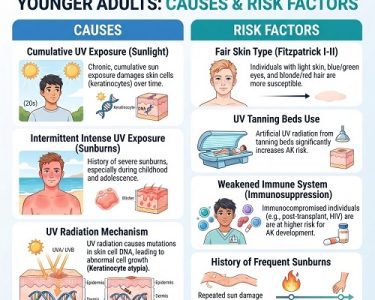
Actinic keratosis develops when skin cells experience accumulated UV damage. Years of exposure can cause changes in the DNA of skin cells, resulting in abnormal areas that may become rough, scaly or crusted. People who spend considerable time outdoors without adequate sun protection may develop multiple AKs over time.
According to the American Academy of Dermatology, having an actinic keratosis indicates that the skin has experienced significant UV damage. People with AKs may also have an increased risk of developing additional AKs and skin cancer.
This is why food should be considered supportive rather than curative.
A healthy diet may provide the nutrients your body needs to maintain normal skin structure and function, but it cannot undo years of UV exposure on its own.
Can Diet Help Actinic Keratosis?
There is currently no specific diet for actinic keratosis proven to eliminate existing lesions.
However, nutrition is relevant to skin health because the skin requires a continuous supply of nutrients for normal cellular function, collagen production, antioxidant defence and maintenance of the skin barrier.
A nutrient-rich eating pattern may therefore be part of a broader healthy lifestyle.
Research into antioxidant-rich foods has found promising effects on several aspects of skin health, although researchers continue to investigate the strength and consistency of these effects. A recent systematic review and meta-analysis found that antioxidant-rich foods or supplements were associated with improvements in several general skin-health measures, while also noting that effects varied according to antioxidant type and duration.
Importantly, these findings should not be interpreted as proof that antioxidants cure actinic keratosis.
Foods for Skin Health
When considering foods for skin health, it is generally more useful to focus on dietary variety rather than one particular “superfood”.
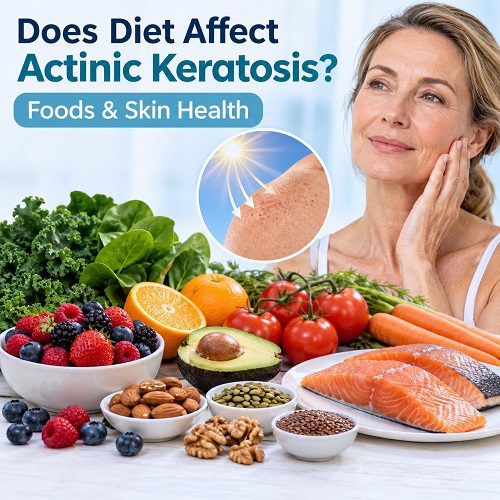
A balanced diet can include colourful fruits and vegetables, whole grains, legumes, nuts, seeds, fish or other healthy protein sources, and appropriate sources of healthy fats.
Here are several food groups worth including.
1. Colourful Fruits and Vegetables
Fruits and vegetables provide vitamins, minerals, fibre and numerous plant compounds.
Examples include:
- Oranges and other citrus fruits
- Berries
- Kiwi
- Tomatoes
- Carrots
- Sweet potatoes
- Spinach
- Broccoli
- Bell peppers
- Kale
Different colours often indicate different naturally occurring plant compounds. Eating a variety of colours can therefore help provide a broad range of nutrients.
Vitamin C, for example, contributes to normal collagen formation and helps protect cells from oxidative stress.
Rather than relying on a single fruit or vegetable, try to include several different types throughout the week.
2. Tomatoes and Other Lycopene-Rich Foods
Tomatoes contain lycopene, a carotenoid that has attracted interest in research on skin and UV-related oxidative stress.
Cooked tomato products can provide a concentrated source of lycopene, while watermelon and pink grapefruit also contain this compound.
However, eating tomatoes should not be viewed as a substitute for sunscreen. UV protection remains essential for people with actinic keratosis.
3. Berries
Berries such as strawberries, blueberries and blackberries provide vitamin C and various polyphenolic compounds.
These naturally occurring compounds are often studied for their antioxidant properties.
Including berries in a balanced diet can therefore be one practical way to increase the variety of plant foods in your meals.
4. Nuts and Seeds
Nuts and seeds can provide vitamin E, healthy fats, minerals and other plant compounds.
Examples include:
- Almonds
- Walnuts
- Sunflower seeds
- Pumpkin seeds
- Chia seeds
- Flaxseeds
Vitamin E is an antioxidant nutrient involved in protecting cells from oxidative stress.
A small portion of nuts or seeds can be added to porridge, yoghurt, salads or meals.
5. Fatty Fish and Omega-3 Fatty Acids
Salmon, sardines, mackerel and other oily fish provide omega-3 fatty acids as well as protein and other nutrients.
Omega-3 fatty acids have been studied for their roles in general health and inflammation.
If you do not eat fish, plant sources such as flaxseeds, chia seeds and walnuts can contribute alpha-linolenic acid (ALA), an omega-3 fatty acid.
6. Whole Grains and Legumes
Whole grains, beans, lentils and chickpeas provide fibre, vitamins, minerals and other beneficial compounds.
Examples include:
- Oats
- Brown rice
- Barley
- Whole-wheat foods
- Lentils
- Chickpeas
- Kidney beans
- Black beans
These foods can help create a nutrient-dense dietary pattern rather than a diet dominated by highly processed foods.
Antioxidants and Skin Health
The relationship between antioxidants and skin health receives considerable scientific attention.
Normal metabolism and environmental exposures can contribute to the formation of reactive molecules known as free radicals. Antioxidants help the body manage oxidative processes.
Researchers have investigated antioxidants including vitamins C and E, carotenoids, polyphenols and other plant compounds in relation to skin health and UV-related damage.
A review of systemic antioxidants reported that antioxidants may influence processes associated with photodamage, inflammation and skin ageing, although it also highlighted limitations in the evidence and the importance of obtaining nutrients from whole foods rather than assuming that high-dose supplements provide the same benefits.
More recent evidence similarly suggests that antioxidant-rich foods may support aspects of overall skin health, but researchers continue to study how much benefit occurs in humans and which dietary approaches are most useful.
Therefore, adding colourful plant foods to your meals makes sense as part of a healthy eating pattern, but high-dose antioxidant supplements should not automatically be considered better.
Vitamin C and Skin Health
Vitamin C is found in foods such as:
- Oranges
- Guavas
- Kiwi
- Strawberries
- Bell peppers
- Broccoli
- Tomatoes
It contributes to collagen formation and normal skin function.
Getting vitamin C through a varied diet is generally preferable to taking unnecessarily high doses of supplements.
If you have a medical condition or take medicines, discuss supplements with your healthcare professional before starting them.
Vitamin E and Healthy Skin
Vitamin E is another antioxidant nutrient associated with skin health.
Good dietary sources include:
- Almonds
- Sunflower seeds
- Hazelnuts
- Avocado
- Plant oils
- Some green vegetables
Rather than focusing exclusively on vitamin E, it is better to consume a variety of foods that collectively provide different nutrients.
Vitamin A and Carotenoid-Rich Foods
Vitamin A is important for normal skin function. Foods containing carotenoids include carrots, pumpkin, sweet potatoes, spinach and other colourful vegetables.
However, there is an important distinction between obtaining vitamin A-related nutrients through food and taking high-dose vitamin A supplements.
Excessive vitamin A supplementation can cause adverse effects. Therefore, supplements should not be used as a self-directed treatment for actinic keratosis.
Zinc, Selenium and Other Nutrients
Healthy skin also depends on many minerals and nutrients.
Zinc contributes to normal cellular processes and immune function, while selenium contributes to antioxidant defence systems.
Food sources include:
- Eggs
- Seafood
- Meat
- Dairy products
- Legumes
- Nuts
- Seeds
- Whole grains
A varied diet usually provides a combination of nutrients rather than delivering one isolated nutrient.
This is one reason why an overall dietary pattern is more useful than searching for a single food that supposedly treats AK.
Foods to Limit for Overall Skin Wellness
There is no definitive list of foods that causes actinic keratosis. The condition is primarily related to cumulative UV exposure rather than eating a particular food.
Nevertheless, for general health and nutrition, it can be sensible to limit excessive consumption of:
- Highly processed foods
- Sugary drinks
- Foods high in added sugars
- Highly refined carbohydrates
- Excessively salty foods
- Foods high in unhealthy fats
This does not mean these foods directly cause actinic keratosis.
Instead, reducing them can make room for nutrient-rich foods such as vegetables, fruits, legumes, whole grains, nuts and seeds.
Hydration and Skin Health
Adequate fluid intake is another part of general wellbeing.
Water supports many normal physiological processes, although drinking extra water does not specifically remove actinic keratosis.
If you are physically active, live in a hot climate or spend significant time outdoors, fluid requirements may increase.
Rather than relying on sugary drinks, water can usually be the primary beverage for everyday hydration.
Diet Cannot Replace Sun Protection
This is perhaps the most important point when discussing a diet for actinic keratosis.
Even an excellent diet cannot replace protection from UV radiation.
The American Academy of Dermatology recommends daily sun protection for people who have or have had actinic keratosis. Recommended measures include broad-spectrum SPF 30 or higher sunscreen, protective clothing, seeking shade and avoiding tanning.
A practical skin-health routine can therefore combine:
- A varied, nutrient-rich diet
- Daily sun protection
- Avoidance of tanning beds
- Regular skin checks
- Dermatological assessment of suspicious lesions
- Appropriate treatment when AK is diagnosed
This approach addresses both overall health and the major environmental factor responsible for actinic keratosis.
Can Antioxidant Supplements Prevent Actinic Keratosis?
It is tempting to assume that if antioxidant-rich foods are beneficial for general skin health, concentrated antioxidant supplements must be even better.
That conclusion is not supported.
Research on oral antioxidants and skin health remains mixed, and whole foods contain combinations of nutrients and plant compounds that may not behave in the same way as isolated supplements.
Taking large doses of individual vitamins can also be harmful.
For this reason, it is generally better to obtain nutrients from a balanced diet unless a healthcare professional recommends supplementation for a specific reason.
What Should You Eat in a Typical Day?
A practical skin-supportive eating pattern could look like this:
Breakfast:
Oatmeal topped with berries, seeds and plain yoghurt.
Lunch:
A large salad containing leafy greens, tomatoes, colourful vegetables, chickpeas and a healthy dressing, served with whole-grain bread.
Snack:
A piece of fruit with a small handful of nuts.
Dinner:
Grilled salmon or another protein source with cooked vegetables and brown rice or another whole grain.
Drinks:
Water throughout the day, with unsweetened beverages as preferred.
This is not a specific medical treatment plan. It is simply an example of how foods for skin health can be incorporated into a balanced eating pattern.
When Should You See a Dermatologist?
Diet should never delay professional assessment of a suspicious skin lesion.
See a dermatologist if you notice a persistent rough or scaly patch, especially on skin that has received substantial sun exposure.
Actinic keratoses can have different appearances and may be red, pink, skin-coloured, brown, grey or white. Some may itch, burn, sting or become tender.
A dermatologist can determine whether a lesion is an actinic keratosis or another skin condition and recommend appropriate treatment.
Treatment matters because some AKs can progress to squamous cell carcinoma.
Frequently Asked Questions
Can changing my diet cure actinic keratosis?
No. There is currently no established diet proven to cure or remove actinic keratosis. A nutritious diet can support general health and normal skin function, but diagnosed AK should be evaluated and treated according to medical advice.
What are the best foods for actinic keratosis?
There is no medically established list of foods that treats AK. However, fruits, vegetables, whole grains, legumes, nuts, seeds and healthy sources of protein can provide nutrients important for overall skin health.
Are antioxidants good for skin health?
Antioxidants are involved in protecting cells from oxidative stress, and research suggests antioxidant-rich foods may support several aspects of skin health. However, this does not mean antioxidant foods or supplements can cure actinic keratosis.
Should I take vitamin supplements for actinic keratosis?
Not automatically. High-dose supplements are not a proven treatment for AK and may cause problems when taken unnecessarily. Discuss supplements with a healthcare professional, particularly if you take medicines or have an underlying condition.
Is sun protection more important than diet?
For actinic keratosis, UV exposure is a central cause, so sun protection is an essential part of managing and preventing further sun damage. The AAD recommends sunscreen, protective clothing, shade and avoiding tanning.
Final Thoughts
A healthy diet can play a valuable role in maintaining overall wellbeing and supporting normal skin function. Eating a variety of colourful fruits and vegetables, whole grains, legumes, nuts, seeds and healthy protein sources provides nutrients and plant compounds involved in nutrition and skin health.
However, there is currently no specific diet for actinic keratosis that can replace medical treatment. Actinic keratosis is primarily associated with cumulative UV damage, so sun protection and appropriate dermatological care remain essential.
Think of nutrition as one part of a broader skin-health strategy: eat a varied diet, protect your skin from UV radiation, avoid tanning, monitor changes in your skin and seek professional advice when you notice suspicious lesions.
Medical Disclaimer
This article is for general educational purposes only and does not diagnose, treat, cure or prevent actinic keratosis or skin cancer. Dietary changes should not replace examination or treatment by a qualified healthcare professional. If you have a persistent, changing, painful, bleeding or suspicious skin lesion, consult a dermatologist.