 By
By Recovering from surgery for abdominal adhesions can take time, patience, and careful attention to your body. While some people return to normal activities relatively quickly, others need several weeks before they feel comfortable and regain their usual strength. Your recovery depends on factors such as the type of surgery, the number and location of adhesions, your overall health, and whether the procedure was performed laparoscopically or through open surgery.
Abdominal adhesions recovery generally involves managing discomfort, gradually increasing physical activity, supporting healthy digestion, and attending follow-up appointments. Knowing what to expect can make the recovery period easier and help you recognise symptoms that require medical attention. The typical stages of recovery after adhesiolysis, practical self-care measures, possible complications, and when you may be ready to return to normal activities.
What Are Abdominal Adhesions?
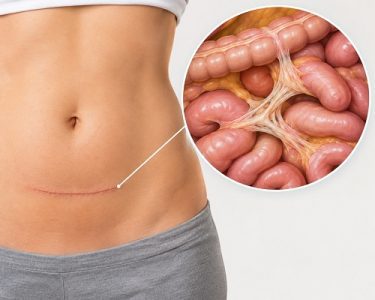
What Are Abdominal Adhesions? Abdominal adhesions are bands of internal scar tissue that can develop between organs or between organs and the abdominal wall. They commonly occur after abdominal or pelvic surgery, although inflammation, infection, endometriosis, and other conditions can also contribute to their formation.
Adhesions may cause no symptoms at all. However, some can pull organs or tissues out of their normal position. In certain cases, they may contribute to chronic abdominal or pelvic pain, restricted movement of the intestines, or intestinal obstruction.
When Abdominal Adhesions Causes significant symptoms or complications, a surgeon may recommend a procedure called adhesiolysis. During this procedure, the surgeon carefully separates or cuts the scar-tissue bands.
What Is Adhesiolysis?
Adhesiolysis is surgery performed to release abdominal adhesions. It can be performed using either minimally invasive laparoscopic techniques or open surgery.
Laparoscopic adhesiolysis usually involves several small incisions through which a camera and surgical instruments are inserted. Open adhesiolysis involves a larger abdominal incision and may be necessary when adhesions are extensive or when the surgeon needs wider access to the abdomen.
The surgical approach can have an important effect on adhesiolysis recovery. People who undergo laparoscopic surgery may experience less postoperative pain and may return to some activities sooner than those who undergo open surgery. However, every recovery is different.
Abdominal Adhesions Recovery: The First Few Days
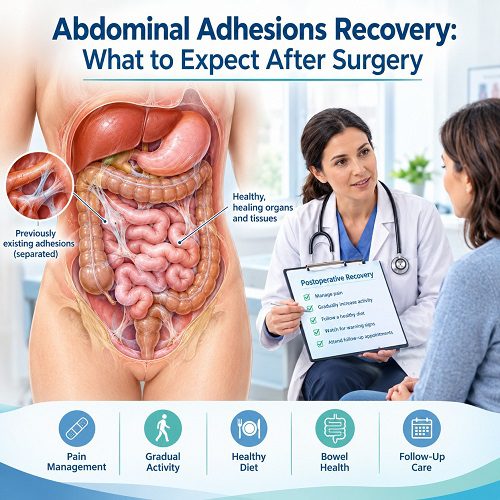
The first few days after surgery are generally focused on pain control, monitoring for complications, and gradually getting your body moving again.
It is normal to experience some abdominal soreness, tiredness, bloating, or discomfort around the incision sites. If laparoscopic surgery was performed, you may also experience temporary shoulder discomfort because gas used during the procedure can irritate the diaphragm.
Your healthcare team may encourage you to get out of bed and walk soon after surgery. Gentle movement can support circulation and help your digestive system start working normally again.
During this early stage:
- Follow your surgeon’s instructions carefully.
- Take prescribed medicines according to instructions.
- Keep surgical wounds clean and dry as advised.
- Avoid lifting heavy objects.
- Drink enough fluids unless your doctor has advised otherwise.
- Begin eating according to your healthcare team’s recommendations.
- Take short, gentle walks when you are able.
Do not compare your recovery with someone else’s. Your abdominal surgery recovery may take longer or shorter depending on the complexity of your procedure.
Managing Pain After Adhesiolysis
Pain is common after abdominal surgery. However, postoperative discomfort should generally improve as healing progresses.
Your doctor may recommend prescription or over-the-counter pain relief depending on your procedure and medical history. Take medication exactly as directed, particularly if you have been prescribed stronger pain medicines.
You may also find that changing positions, supporting your abdomen when coughing, and getting adequate rest can make you more comfortable.
Avoid strenuous exercise simply because your pain has started to improve. Feeling better does not necessarily mean the internal tissues have completely healed.
Eating During Abdominal Adhesions Recovery
Your digestive system may need some time to return to its normal routine after abdominal surgery.
Initially, your healthcare team may recommend liquids or light foods before gradually returning you to your usual diet. Follow the dietary advice provided by your surgeon because recommendations can vary depending on the procedure and your digestive function.
As your appetite returns, focus on nutritious foods that provide protein, vitamins, minerals, and adequate calories to support healing.
Depending on your doctor’s advice, you may benefit from:
- Lean protein sources
- Cooked vegetables
- Fruits that you tolerate well
- Whole grains when appropriate
- Adequate fluids
- Smaller meals if large meals cause discomfort
If you experience persistent vomiting, severe bloating, increasing abdominal pain, or difficulty passing stool or gas, contact your healthcare provider promptly.
The First Two Weeks of Recovery
During the first couple of weeks, many patients gradually become more mobile. You may still feel tired, particularly after physical activity.
Short walks can usually be increased gradually if your healthcare team has approved them. However, avoid heavy lifting, vigorous exercise, and activities that place significant strain on the abdominal muscles until your surgeon says they are safe.
Your incision may also continue to heal during this period. Some tenderness, tightness, itching, or mild swelling can occur around the surgical site.
Try to get sufficient sleep and allow yourself time to rest during the day. Recovery requires energy, and pushing yourself too quickly may make you feel more exhausted.
Weeks Three to Six: Regaining Strength
For many people, the next stage of abdominal adhesions recovery involves gradually returning to normal routines.
The exact timeline depends heavily on whether you had laparoscopic or open surgery and whether complications occurred.
You may gradually resume activities such as:
- Walking for longer periods
- Light household tasks
- Desk-based work
- Driving when medically cleared
- Gentle daily activities
Your surgeon may place restrictions on lifting or exercise for several weeks. Follow those restrictions even if you feel well.
If your work involves heavy lifting, prolonged standing, bending, or physically demanding tasks, you may need more recovery time than someone with a sedentary job.
Adhesiolysis Recovery After Laparoscopic Surgery
Laparoscopic surgery generally uses smaller incisions than open surgery. As a result, some patients experience a shorter recovery period.
However, laparoscopic adhesiolysis can still involve significant internal surgery. Small external wounds do not necessarily mean that internal healing is complete.
During adhesiolysis recovery, you may notice:
- Mild abdominal tenderness
- Temporary bloating
- Fatigue
- Changes in bowel habits
- Incision discomfort
- Reduced appetite during the early period
Gradually increasing activity is usually preferable to suddenly returning to your previous exercise routine.
Recovery After Open Abdominal Surgery
Open surgery generally requires a longer recovery because the abdominal incision is larger and the procedure may involve more extensive tissue manipulation.
People recovering from open adhesiolysis may experience more postoperative discomfort and may need additional time before returning to work, exercise, and heavy lifting.
The abdominal muscles and deeper tissues need adequate time to heal. Therefore, following your surgeon’s activity restrictions is especially important.
Your doctor may schedule follow-up appointments to check your incision, discuss symptoms, assess your recovery, and determine when you can safely increase your activities.
When Can You Return to Work?
The appropriate time to return to work varies considerably.
Someone with a desk-based job may be able to return sooner than someone whose work involves lifting, bending, climbing, or physical labour.
Rather than focusing on a fixed number of days, consider whether:
- Your pain is adequately controlled.
- You can move around comfortably.
- You can sit or stand for your required working period.
- Your wound is healing properly.
- You are no longer taking medicines that affect alertness or concentration.
- Your surgeon has cleared you for work.
Always follow your healthcare provider’s advice if your job involves physical activity.
Exercise During Abdominal Surgery Recovery
Exercise can eventually become an important part of returning to normal health, but timing matters.
Walking is often a useful early activity because it allows you to increase movement without placing excessive strain on the abdominal wall.
As healing progresses, your doctor may allow you to introduce more demanding activities. Avoid immediately returning to abdominal exercises, heavy weightlifting, intense running, or contact sports without medical clearance.
A gradual approach is safer than trying to regain your previous fitness level quickly.
Bowel Changes After Adhesiolysis
Because adhesions can affect the intestines and surgery involves the abdominal organs, bowel habits may temporarily change.
You might experience constipation, gas, bloating, or changes in appetite during the early recovery period. Pain medicines, reduced activity, changes in diet, and the effects of anaesthesia can also contribute to constipation.
Your healthcare provider can recommend appropriate measures if constipation becomes troublesome.
However, severe or worsening abdominal symptoms should not be ignored, particularly if they occur with vomiting or inability to pass stool or gas.
Signs of a Possible Complication
Most people recover without serious problems, but complications can occur after abdominal surgery.
Contact your healthcare provider if you develop symptoms such as:
- Increasing rather than improving abdominal pain
- Persistent vomiting
- High or persistent fever
- Increasing redness or swelling around an incision
- Pus or unusual drainage from the wound
- Heavy bleeding
- Severe abdominal swelling
- Difficulty passing stool or gas
- Shortness of breath or chest pain
Some of these symptoms can indicate infection, bleeding, bowel problems, or other postoperative complications.
Seek urgent medical attention for severe symptoms, especially sudden severe abdominal pain, difficulty breathing, chest pain, fainting, or signs of a serious infection.
Can Abdominal Adhesions Come Back?
One important consideration after adhesiolysis is that adhesions can form again.
Surgery itself can cause internal scar tissue. Therefore, separating existing adhesions does not guarantee that new adhesions will never develop.
Surgeons may use specific surgical techniques and, in selected cases, adhesion barriers to help reduce the likelihood of adhesion formation. However, no method completely eliminates the risk.
This is why your long-term recovery should focus not only on feeling better after surgery but also on following medical advice and reporting persistent or recurring symptoms.
Long-Term Abdominal Adhesions Recovery
Recovery does not necessarily end when the incision has healed.
Some people continue to experience occasional abdominal discomfort or changes in digestion for a period after surgery. Others return to their normal routines without ongoing symptoms.
Your long-term outcome depends on several factors, including:
- The original cause of the adhesions
- The number and severity of adhesions
- The type of surgery performed
- Whether bowel surgery was required
- Your general health
- The presence of other abdominal conditions
- Whether complications occurred
Keep your follow-up appointments and tell your doctor if symptoms return or fail to improve.
Tips to Support a Smooth Recovery
Although you cannot control every aspect of healing, several practical habits can support your recovery.
1. Follow Your Surgical Instructions
Your surgeon’s instructions should take priority over general recovery advice. Your restrictions are based on the specific operation you received.
2. Increase Activity Gradually
Start with gentle movement and increase activity as your body tolerates it and your healthcare provider permits.
3. Prioritise Nutrition
Adequate protein and overall nutrition can support tissue repair. If your appetite is low, smaller meals may be easier to tolerate.
4. Stay Hydrated
Unless you have been given fluid restrictions, maintaining adequate hydration can support normal bodily functions and may help prevent constipation.
5. Get Enough Rest
Fatigue is common after surgery. Rest when you need it, while still following recommendations for gentle movement.
6. Avoid Smoking
Smoking can interfere with wound healing and increase the risk of postoperative complications. If you smoke, ask your healthcare professional about quitting support.
7. Attend Follow-Up Appointments
Follow-up care allows your surgeon to monitor healing and address problems before they become more serious.
How Long Does Abdominal Adhesions Recovery Take?
There is no single recovery timeline that applies to everyone.
Some patients undergoing minimally invasive adhesiolysis may return to light daily activities relatively quickly, while open surgery can require a substantially longer recovery period.
Complete recovery can take several weeks or longer, particularly after complex abdominal procedures.
Instead of using a specific number of days as your goal, focus on steady improvement. Pain, mobility, appetite, energy, and bowel function should generally move in a positive direction as recovery progresses.
If your symptoms are getting worse rather than better, contact your healthcare provider.
Abdominal Adhesions Treatment
Abdominal adhesions treatment depends on the severity of symptoms and whether adhesions are causing complications. Abdominal adhesions are bands of scar tissue that can develop after surgery, infection, inflammation, or other abdominal conditions. Many adhesions do not cause symptoms and may not require treatment.
When adhesions cause persistent abdominal pain, intestinal obstruction, or other significant problems, a doctor may recommend adhesiolysis. This surgical procedure separates or removes the scar tissue that is affecting nearby organs or tissues. Adhesiolysis can be performed through laparoscopic surgery using small incisions or through open abdominal surgery, depending on the location and extent of the adhesions.
For people without serious complications, doctors may recommend monitoring symptoms and treating discomfort when appropriate. However, intestinal obstruction caused by adhesions may require urgent medical care.
Recovery after surgery varies from person to person. Following medical instructions, gradually increasing activity, maintaining adequate nutrition and hydration, and attending follow-up appointments can support recovery.
Anyone experiencing severe abdominal pain, persistent vomiting, abdominal swelling, fever, or difficulty passing stool or gas should seek prompt medical evaluation.
Frequently Asked Questions
Is pain normal after adhesiolysis?
Some pain and tenderness are expected after abdominal surgery. However, severe, worsening, or persistent pain should be assessed by a healthcare professional.
How soon can I walk after adhesiolysis?
Many patients are encouraged to walk soon after surgery, often with assistance initially. Your medical team will determine what level of activity is appropriate for you.
Can I exercise after abdominal adhesiolysis?
You can generally return to exercise gradually after your surgeon gives you clearance. Walking is often introduced earlier than strenuous exercise or heavy lifting.
Does adhesiolysis permanently remove abdominal adhesions?
Adhesiolysis separates existing adhesions, but adhesions can form again after surgery. Your surgeon can explain your individual risk.
How can I improve my abdominal surgery recovery?
Following postoperative instructions, eating a nutritious diet, staying hydrated, getting adequate rest, walking as recommended, and attending follow-up appointments can support recovery.
Final Thoughts
Abdominal Adhesions Recovery is a gradual process rather than a single event. Although the incision may heal relatively quickly, internal tissues can require considerably more time to recover.
Whether you undergo laparoscopic or open adhesiolysis, patience is important. Gradually increase your activity, follow your surgeon’s restrictions, maintain good nutrition, and pay attention to changes in your symptoms.
Most importantly, do not ignore warning signs such as severe abdominal pain, persistent vomiting, fever, significant wound changes, or difficulty passing stool or gas. Prompt medical assessment can help identify complications early.
With appropriate postoperative care and regular follow-up, many people can gradually return to their usual daily activities after surgery for abdominal adhesions.
Medical Disclaimer: This article is for general educational purposes only and does not replace professional medical advice, diagnosis, or treatment. Recovery times and postoperative instructions vary between patients. Always follow the specific advice provided by your surgeon or healthcare professional.